
Photographic History of the United States Navy
ARCHIVE
| NavSource Main Page | FAQ | Contact us | Search NavSource |
| |
NavSource Naval History Photographic History of the United States Navy |
DESTROYER ARCHIVE |


| Click On Image For Full Size Image |
Size | Image Description | Contributed By |
|
|---|---|---|---|---|
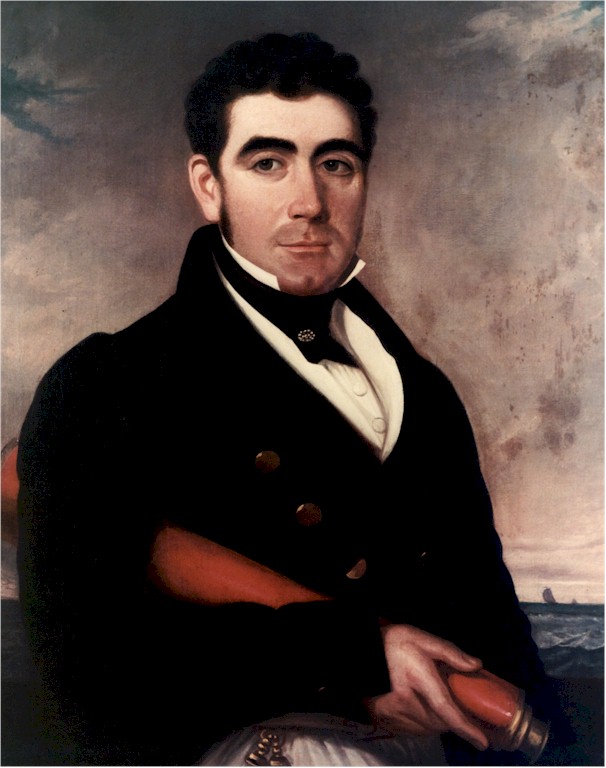
| 84k | Portrait in oils of Captain Thomas Macdonough, U.S.N. (1783-1825), "The Hero of Lake Champlain" by an unknown artist. Photographed on 17 September 1954. The original painting is in Old North Church, 187 Salem Street, Boston, Massachusetts. Official U.S. Navy Photograph, now in the collections of the National Archives. Photo #: 80-G-K-22707. | Bill Gonyo/Robert Hurst | |
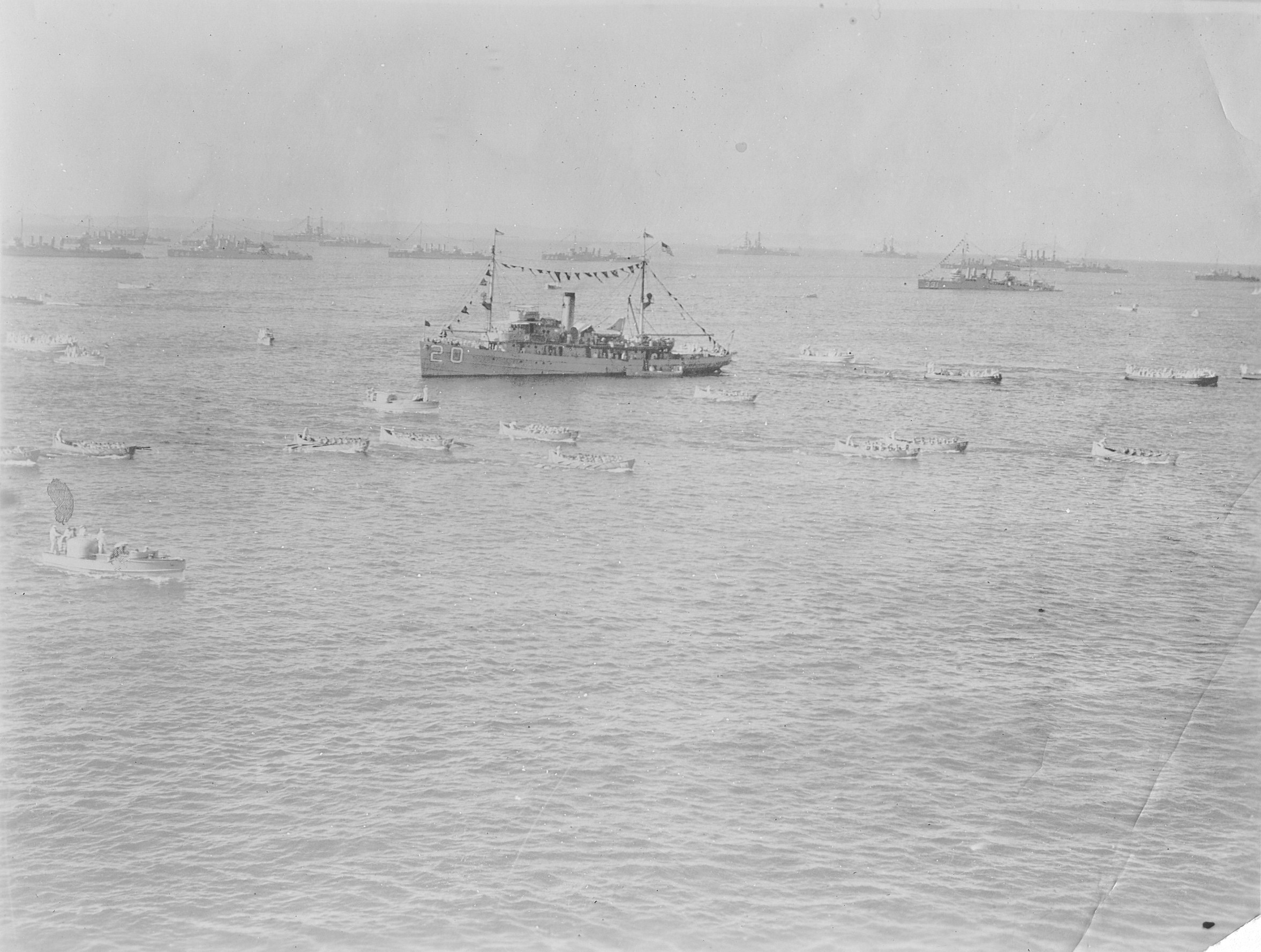
| 772k | Ship's boat races off Point Loma. Of the many ships pictured, the USS Macdonough (DD-331) is in the upper right and the USS Williamson (DD-244) is in the upper left. The other destroyers remain unidentified. From the collection of Benetta Buell. | David Buell | |
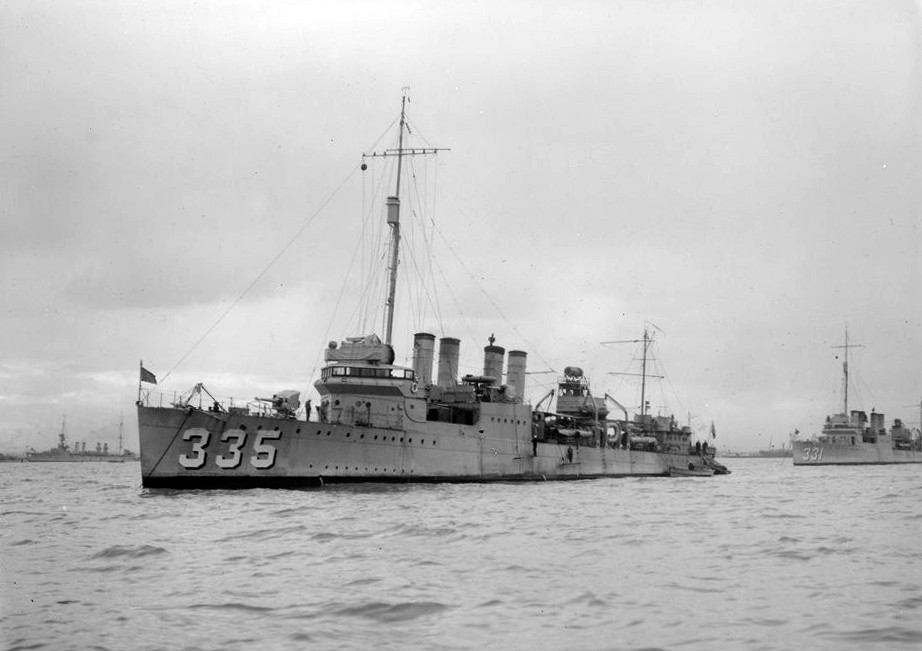
| 97k | USS Melvin (DD-335) and USS Macdonough (DD-331) in Melbourne, date unknown. | Allan Greene | |
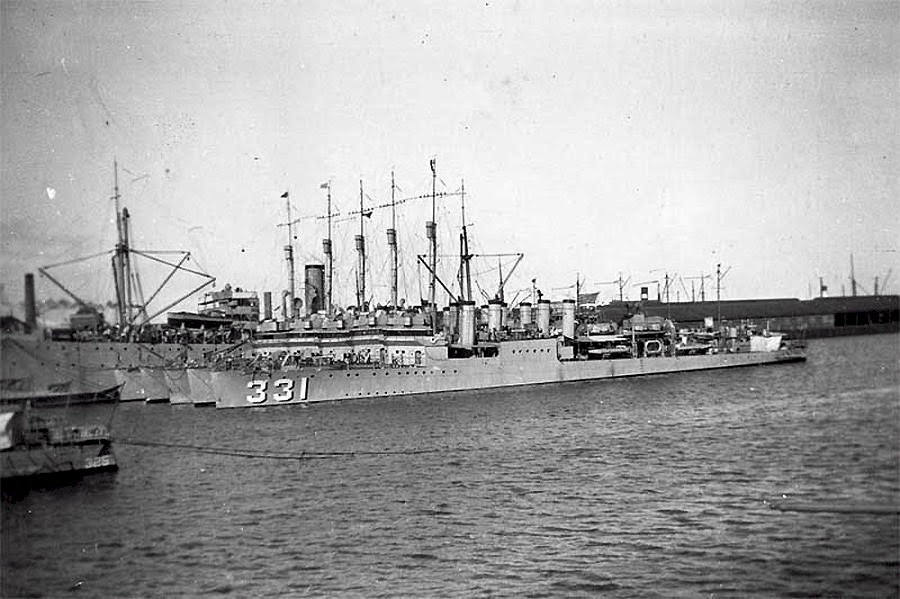
| 124k | Undated, location unknown. | Richard Miller BMCS USNR RET. | |
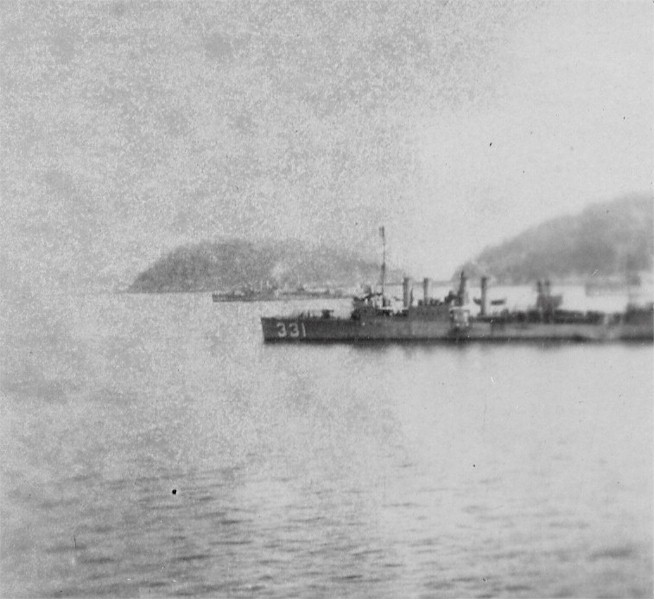
| 82k | Circa 1920's, location unknown. | Frank Tushoph | |
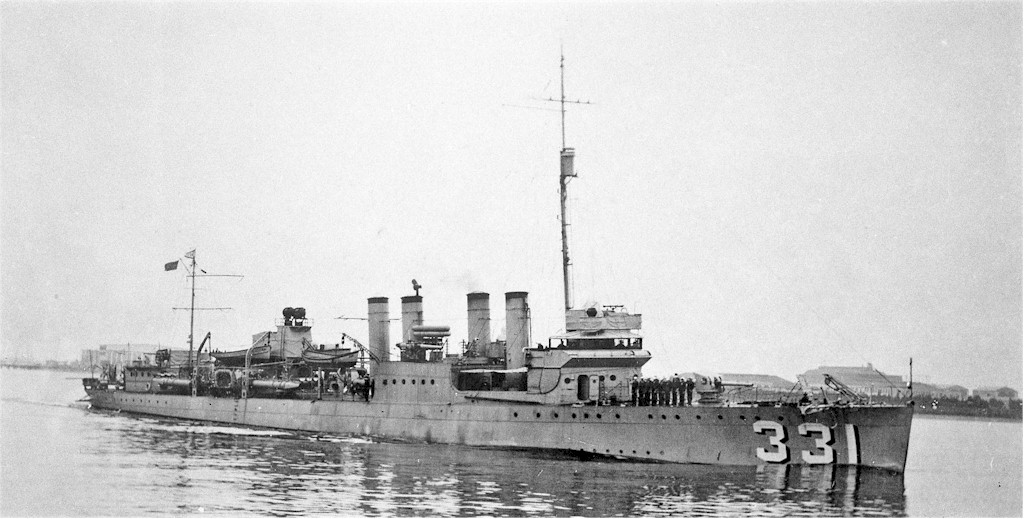
| 139k | USS Macdonough (DD 331) with what appears to be Alameda Naval Air Station in the background. Photo from the collection of the Vallejo Naval and Historical Museum. | Darryl Baker | |
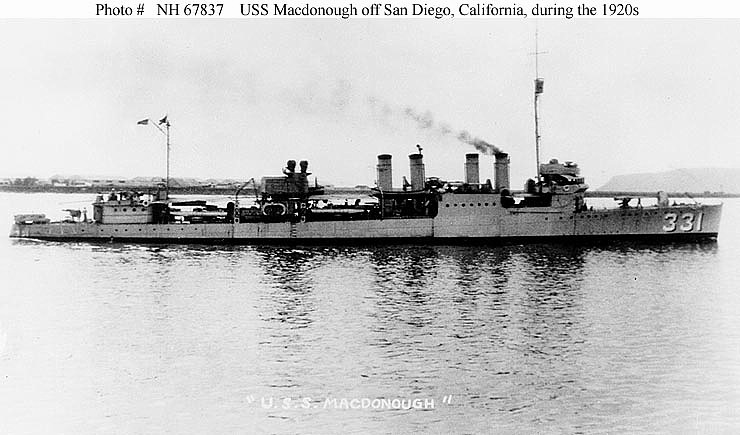
| 79k | In San Diego harbor, California, during the 1920s. Courtesy of Donald M. McPherson, 1969. U.S. Naval Historical Center Photograph. | Fred Weiss | |
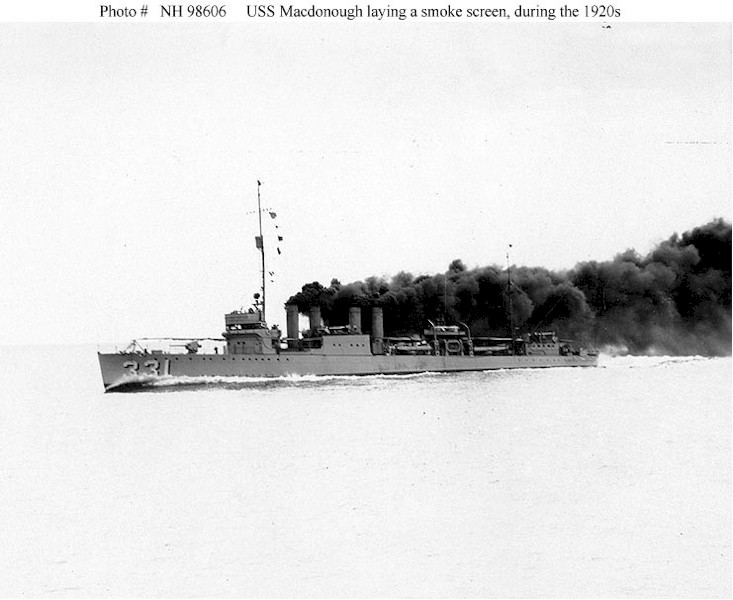
| 83k | USS Macdonough (DD-331) laying a smoke screen, while operating at sea during the 1920s. Courtesy of the Naval Historical Foundation. Collection of LeRoy R. Horstman. U.S. Naval Historical Center Photograph. | Fred Weiss | |
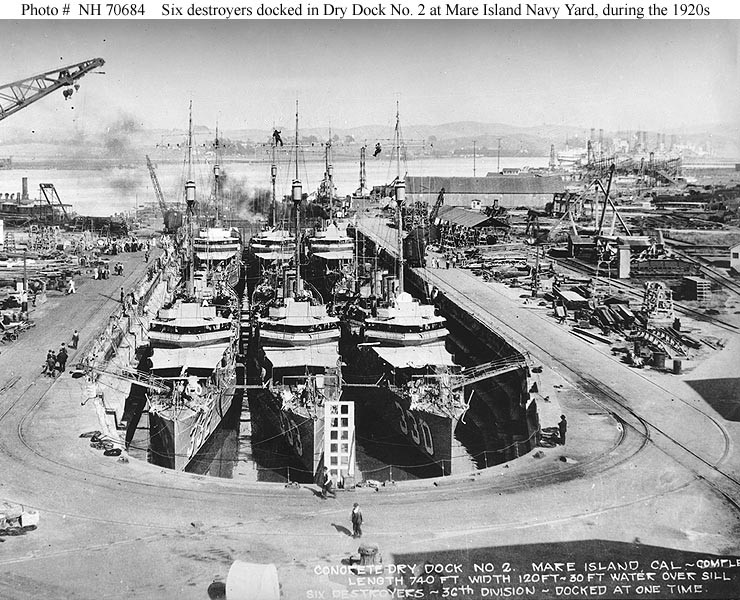
| 175k | Mare Island Navy Yard, California. Six destroyers docked at one time in the Yard's concrete Dry Dock # 2, during the period June 15 to July 14 1922. These ships are all members of Destroyer Division 36. The three in front are (from left to right): USS Farenholt (DD-332), USS Sumner (DD-333) and USS Hull (DD-330), in the back row are USS MacDonough (DD-331), USS Corry (DD-334) and USS Melvin (DD-335). The drydock's dimensions, as given on the photograph, are 740 feet in length and 120 feet in width, with 30 feet of water over the sill. Courtesy of the Mare Island Naval Shipyard, 1970. U.S. Naval Historical Center Photograph. | Fred Weiss | |
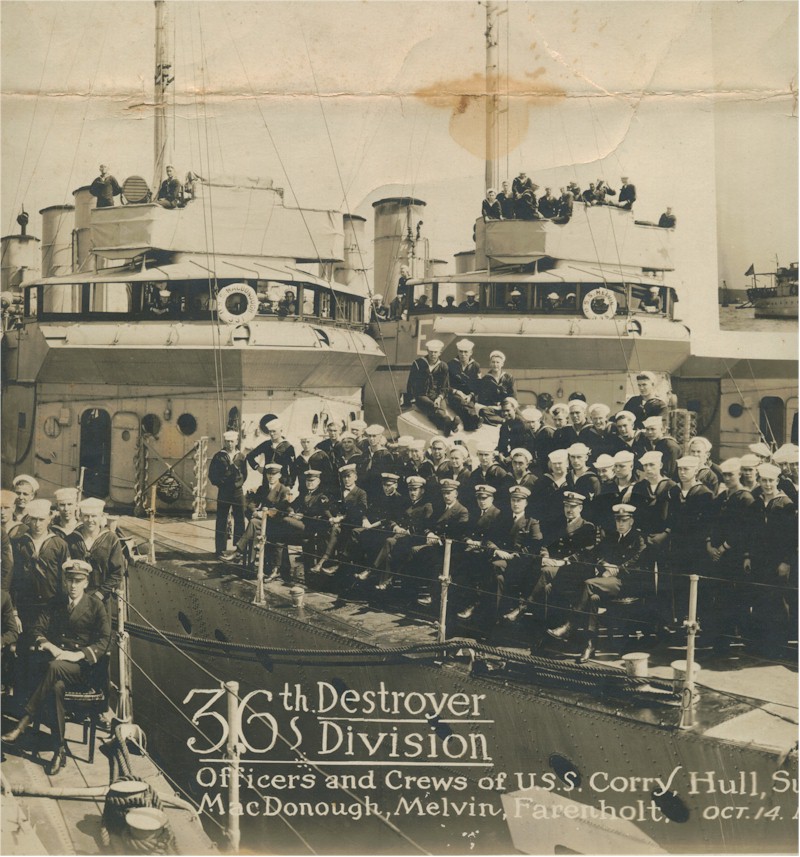
| 196k | Crew of the Macdonough in San Francisco October 14, 1922. | Terry D. Tull | |
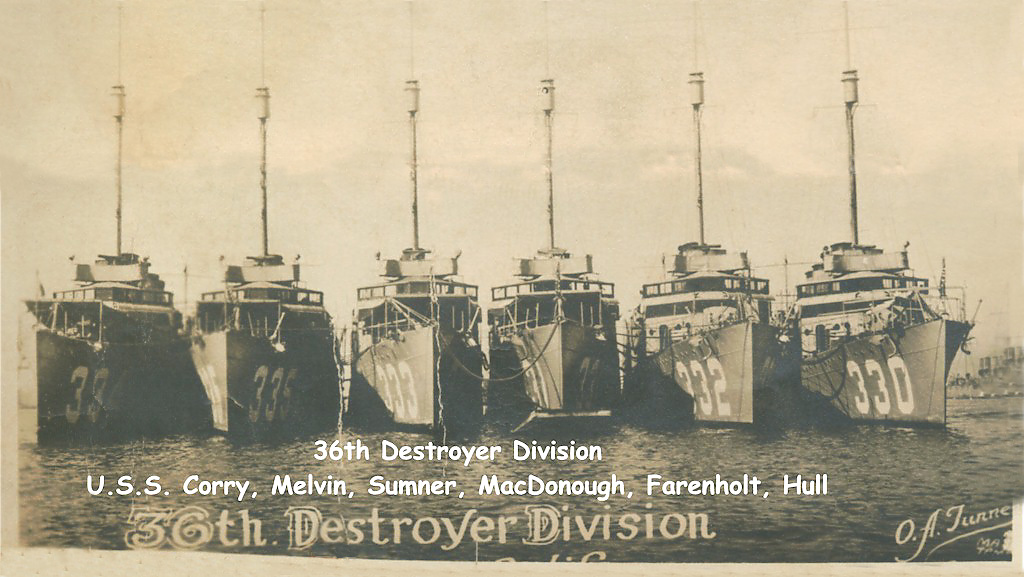
| 138k | Destroyer Division 36 in San Francisco, circa 1922. | Terry D. Tull | |
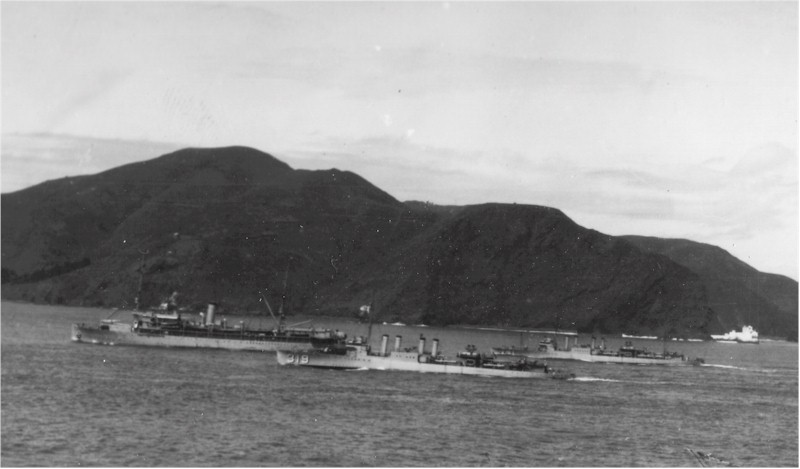 |
62k | USS Beaver (AS-5) leads the USS Kidder (DD-319) and USS Macdonough (DD-331) out to sea through the Golden Gate April 15 1925. Naval Historical Center photo NH 72402. | Daniel Dunham | |
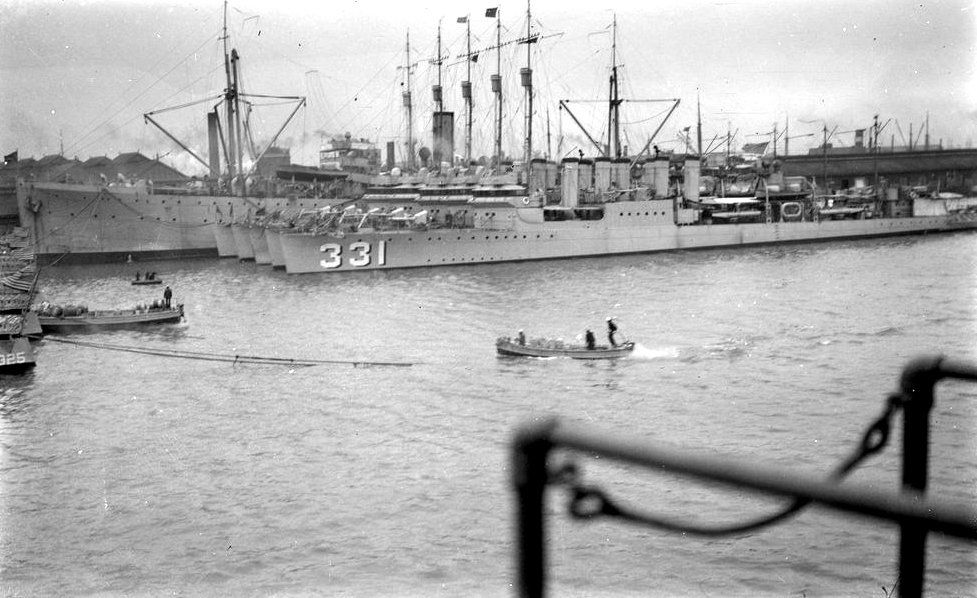 |
117k | USS Macdonough (DD-331) and other destroyers of Destroyer Division 35, along with tender Melville (AD-2) moored together at Melbourne, Australia during the U.S. Fleets July, 1925 visit. The stern of the USS Mullany (DD-325) can be seen at the left of the photo. State Library Victoria, Photo No. H2009.30/15 | Mike Green | |
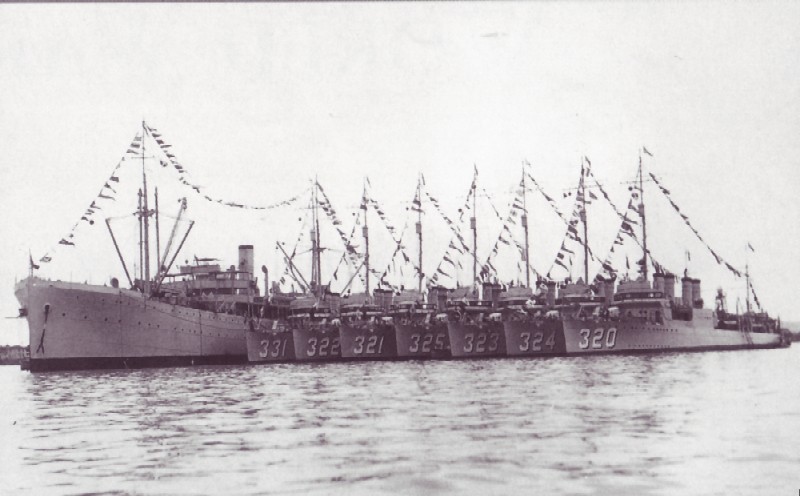 |
82k | The tender USS Melville (AD-2) with Destroyer Division 35 alongside and all are flying full colours during Navy Day in San Diego, California, 28 October 1927. From left to right are the USS Macdonough (DD-331), USS Mervine (DD-322), USS Marcus (DD-321), USS Mullany (DD-325), USS Chase (DD-323), USS Robert Smith (DD-324) and USS Selfridge (DD-320). Photo from Warship Boneyards, by Kit and Carolyn Bonner. | Robert Hurst | |
LCDR Herbert James Ray    Apr 30 1921 - Oct 27 1921

CDR Thomas Alexander Symington    Oct 27 1921 - Nov 23 1922

LCDR George Maus Lowry    Nov 23 1922 - Jun 14 1924 (Later RADM)

LCDR Melville Stuart Brown    Jun 14 1924 - Mar 9 1927

CDR Arthur Schuyler Carpender    Mar 9 1927 - Apr 10 1928 (Later ADM)

LCDR Oliver Lee Downes    Apr 10 1928 - Jan 8 1930
| Back To The Main Photo Index | To The Destroyer Index Page |
This page was created by Fred Willishaw (ex ARG-4, AS-11 & DD-692) and is maintained by David L. Wright
|