
Photographic History of the United States Navy
ARCHIVE
| NavSource Main Page | FAQ | Contact us | Search NavSource |
| |
NavSource Naval History Photographic History of the United States Navy |
DESTROYER ARCHIVE |


| Click On Image For Full Size Image |
Size | Image Description | Contributed By |
|
|---|---|---|---|---|
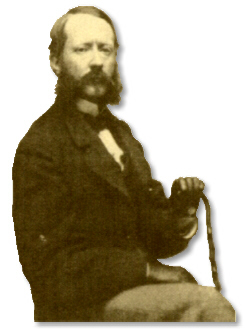 Commander Jonathan Mayhew Wainwright 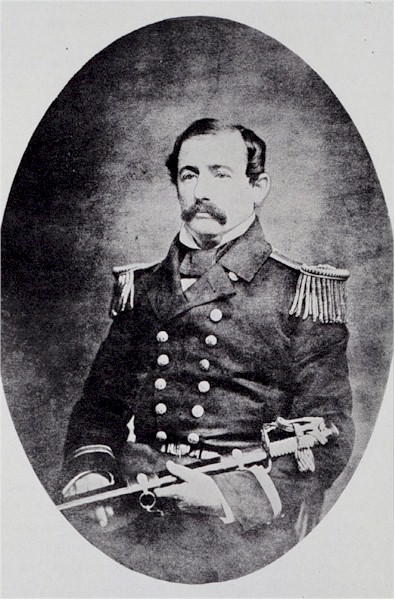 Commander Richard Wainwright 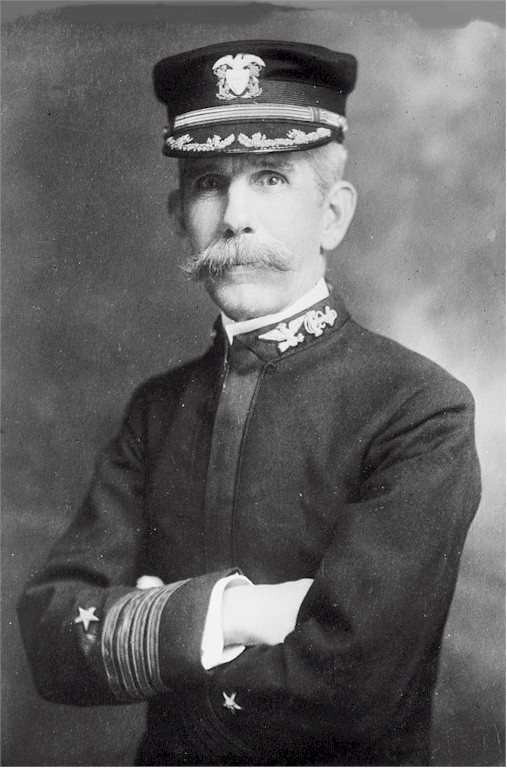 Rear Admiral Richard Wainwright 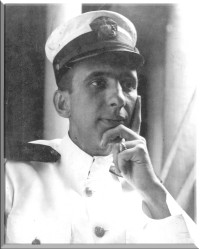 Commander Richard Wainwright |
42k 87k 20k 18k | The Wainwright (Destroyer No. 62) was named for Commander Jonathan Mayhew Wainwright, his son, Master Jonathan Mayhew Wainwright, Jr., and his cousin, Commander Richard Wainwright. Wainwright (DD-419) honored these three officers as well as Rear Admiral Richard Wainwright, the son of Commander Richard Wainwright. Wainwright (DLG-28) honored the previous four Wainwrights and Commander Richard Wainwright, the son of Admiral Wainwright. Commander Jonathan Mayhew Wainwright was born in New York City on 27 July 1821. He was initially commissioned in the United States Navy on 30 June 1837 and served with distinction in the Civil War. Wainwright commanded Harriet Lane, Admiral David Dixon Porter's flagship, in an engagement with Forts Jackson and St. Philip and took part in operations below Vicksburg. He was killed in an attack upon Confederate forts in Galveston Harbor on 1 January 1863. Master Jonathan Mayhew Wainwright, Jr., son of Commander Wainwright, was born in New York City on 29 January 1849 and graduated from the United States Naval Academy in 1867. He was promoted to master on 21 March 1870, while attached to Mohican in the Pacific Squadron. Shortly thereafter, Wainwright was wounded during a boat expedition under his command against the piratical steamer, Forward, lying-to in a lagoon at San Bias, Mexico. Succumbing to the effect of his wounds, he died on board Mohican on 19 June 1870. Commander Richard Wainwright, a cousin of Comdr. Jonathan Mayhew Wainwright, was born in Charles-town, Mass., in 1817 and was commissioned in the United States Navy on 11 May 1831. Between 1841 and 1857, Wainwright served in the Coast Survey and on the Navy's Home Station. He cruised in Merrimack on special service from 1857 to 1860. Following the outbreak of the Civil War, Wainwright commanded Hartford, flagship of Admiral David G. Farragut's West Gulf Blockading Squadron. During the passage of forts below New Orleans on the night of 24 and 25 April 1861, he performed gallant service in extinguishing a fire on Hartford while continuing the bombardment of the forts. Commended by Admiral Farragut for his actions, Wainwright later participated in the squadron's operations below Vicksburg until taken ill with fever. He died in New Orleans on 10 August 1862. Rear Admiral Richard Wainwright, son of Comdr. Richard Wainwright, was born on 17 December 1849 in Washington, D.C. Initially commissioned in the United States Navy on 28 September 1864, Wainwright was executive officer on board the battleship Maine when she blew up in the harbor of Havana, Cuba, on 15February 1898. Surviving the explosion, he was assigned to command of the tender Fern and was in charge of the recovery of the bodies of the victims. He also assisted in the collection of information for the subsequent court of inquiry. Wainwright later commanded the wooden gunboat Gloucester at the battle of Santiago on 3 July 1898. In this engagement, Gloucester sank one Spanish torpedo boat and drove another on the beach. Wainwright was commended for his valor in this engagement. Later, promoted to rear admiral, he commanded the Second Division of the United States Atlantic Fleet during that fleet's historic voyage around the world from 1907 to 1909. Retired from active duty on 7 December 1911, Admiral Wainwright died in Washington, D.C., on 6 March 1926. Commander Richard Wainwright, son of Admiral Wainwright, was born in Washington, D.C., on 15 September 1881. Graduating from the United States Naval Academy in 1903, he served on board battleship Louisiana during that ship's participation in the voyage of the Great White Fleet around the world from 1907 to 1909. Wainwright was awarded the Medal of Honor for his outstanding conduct in battle while commanding a landing force from battleship Florida at Vera Cruz, Mexico, on 21 and 22 April 1914. He retired from the Navy on physical disability on 3 March 1921 and died at Annapolis, Md., on 28 March 1944. | Bill Gonyo | |
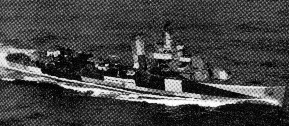
| 26k | Undated, location unknown. | - | |
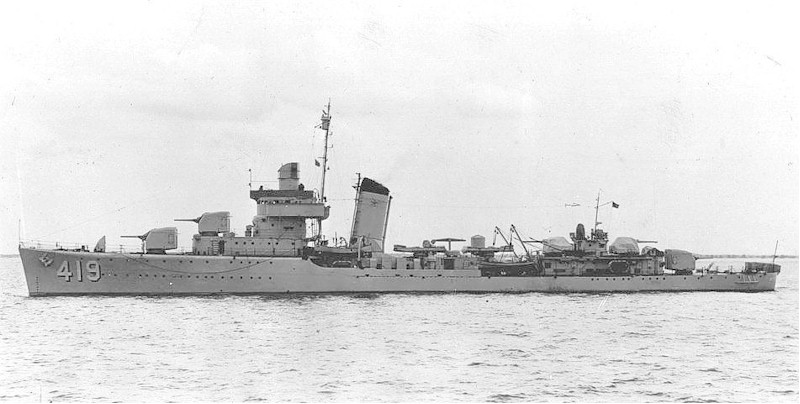
| 77k | Undated, location unknown. Naval Historical Center photo. | Fred Weiss | |
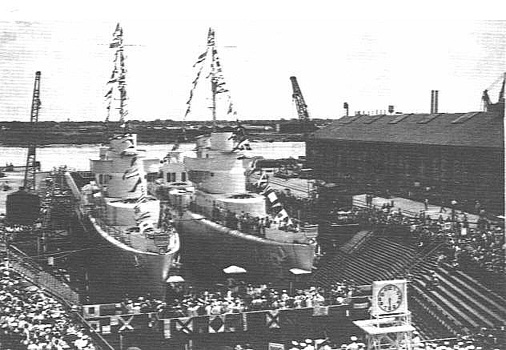
| 76k | Undated, USS Morris (DD 417) and USS Wainwright (DD 419) at Norfolk Naval Shipyard launching. USN photo. | Joe Radigan | |
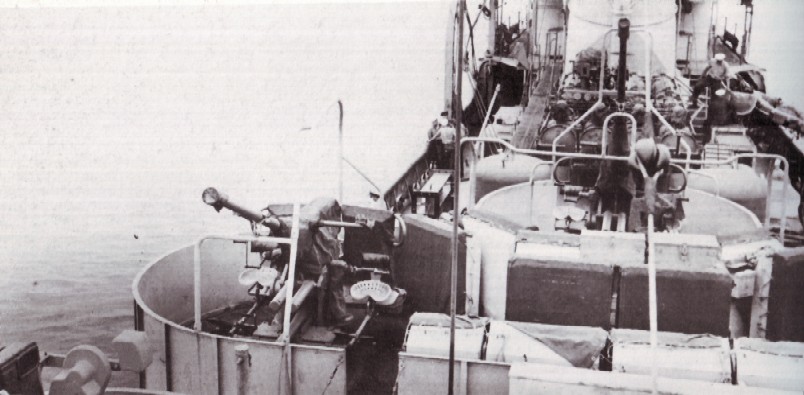
| 80k | Undated, location unknown. USS Wainwright (DD-419), showing 40 mm Bofors M1 guns in Mk 3 mounts as additional late war AA armament, USN photo. Photo from "Naval Weapons of World War Two" by John Campbell. | Robert Hurst | |
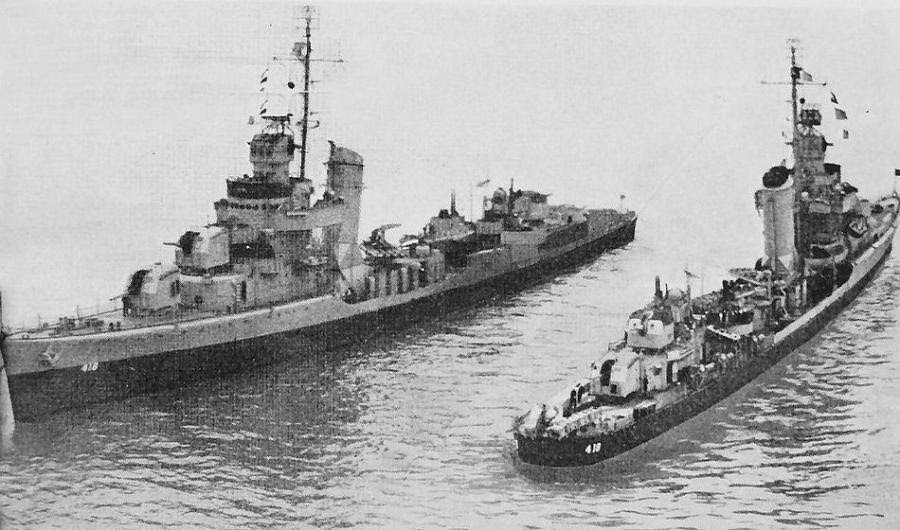
| 129k | USS Roe (DD-418) and USS Wainwright (DD-419), undated, location unknown. | Richard Miller BMCS USNR RET. | |
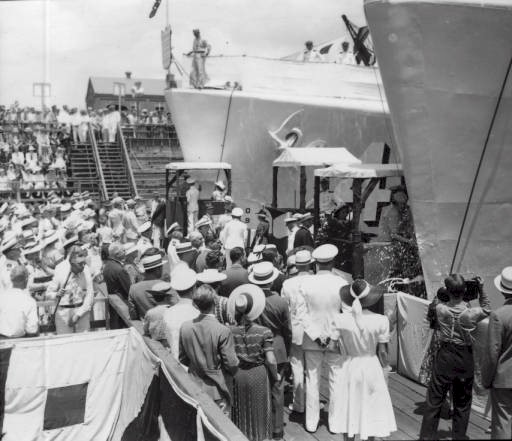
| 57k | June 1 1939 photograph of the ship christening at the launching ceremonies for the sister Sims-class destroyers USS Morris (DD-417) and USS Wainwright (DD-419) at the Norfolk Naval Shipyard in Portsmouth, Virginia. Both ships survived World War II with the Morris being decommissioned and sold for scrap in 1945 and the Wainwright sunk as target in 1948 after exposure to atomic tests. | Mike Mohl | |
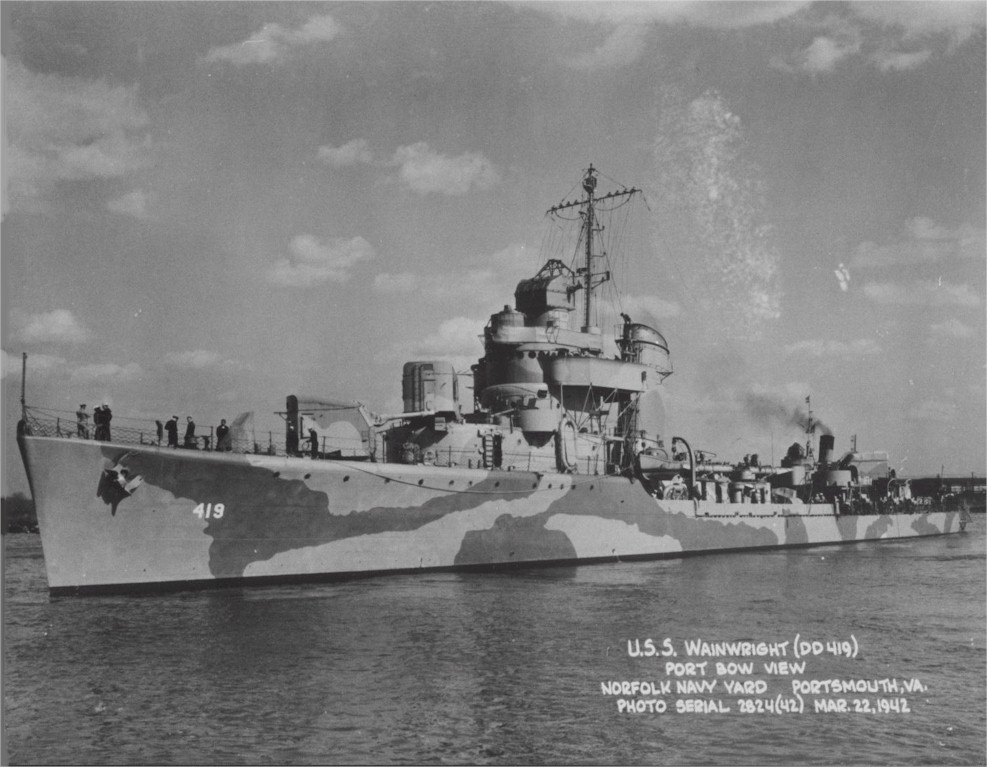
| 157k | USS Wainwright port bow view in the Norfolk Navy Yard; Portsmouth,VA. on March 22, 1942. Photo from the USS Wainwright Veterans Association. | Bill Gonyo | |
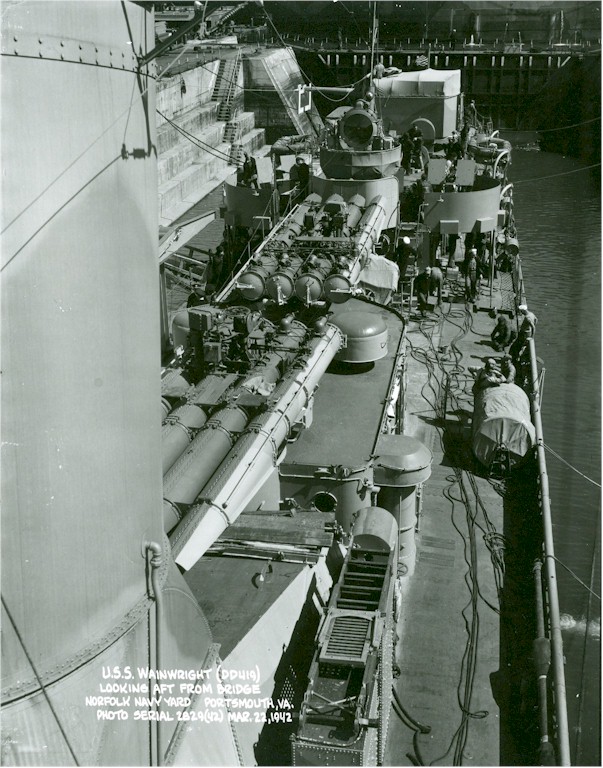
| 154k | At Norfolk, March 22 1942. | Ed Zajkowski | |
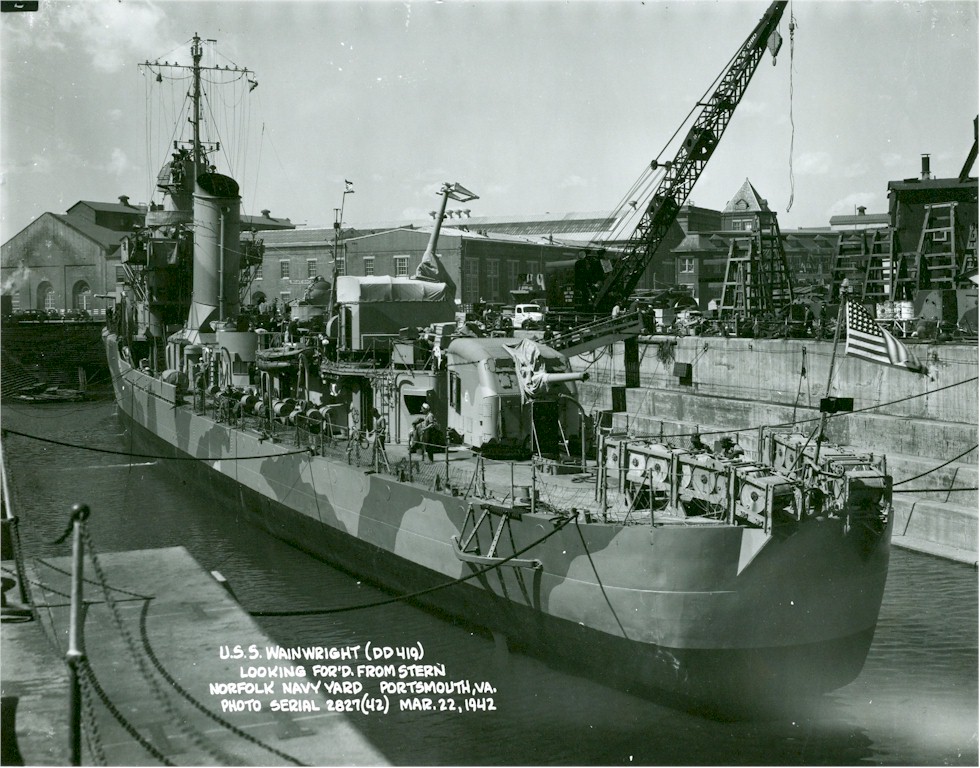
| 223k | At Norfolk, March 22 1942. | Ed Zajkowski | |
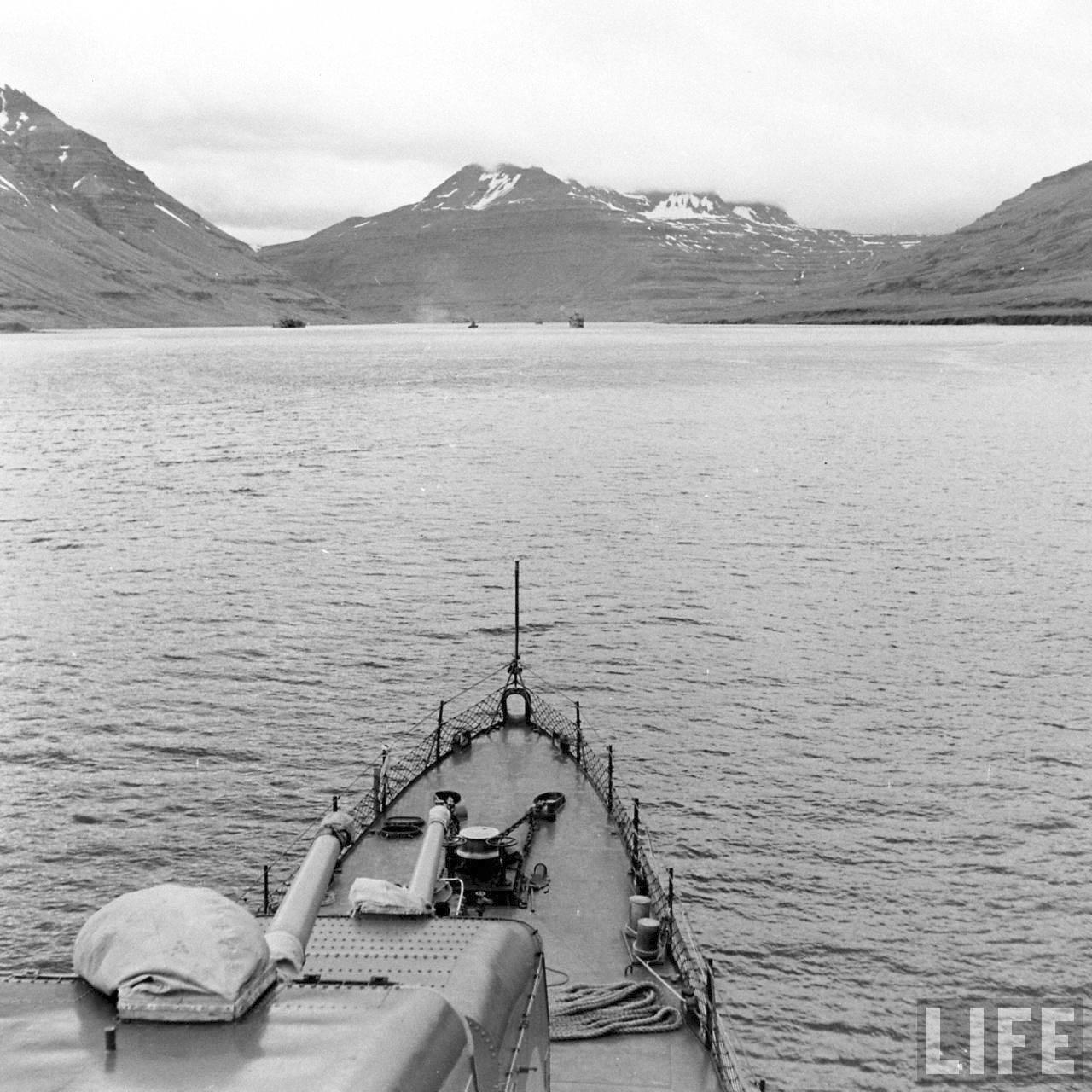
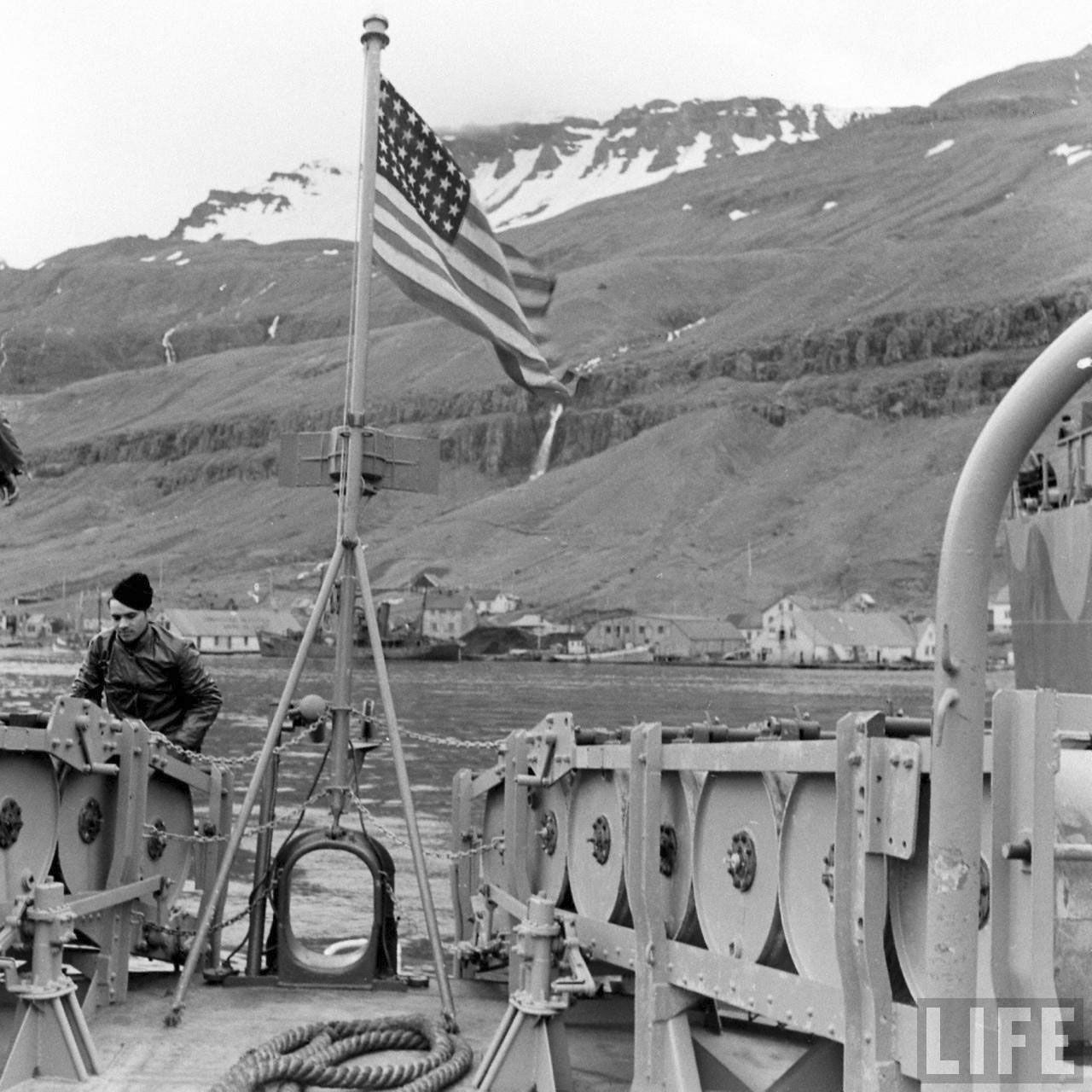
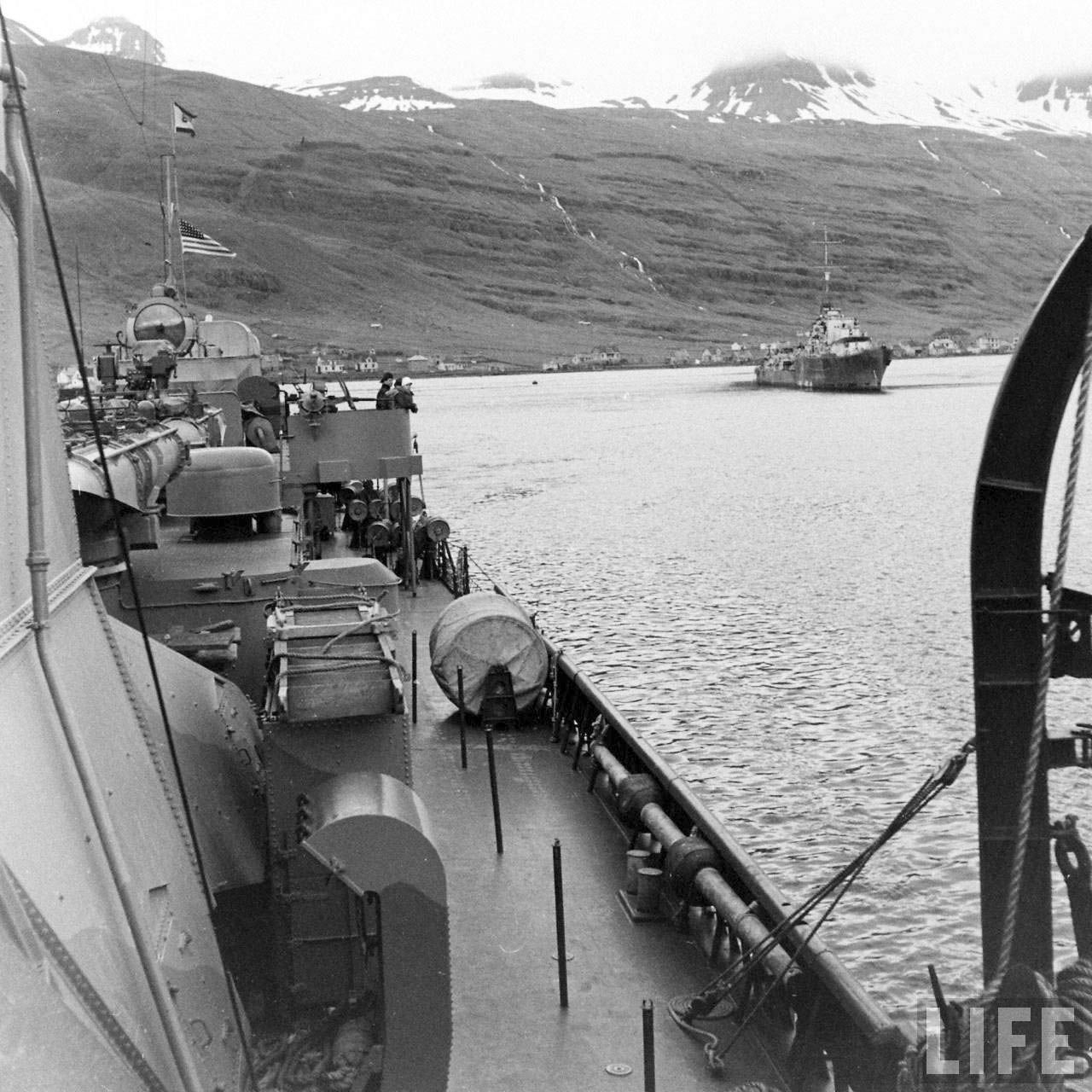
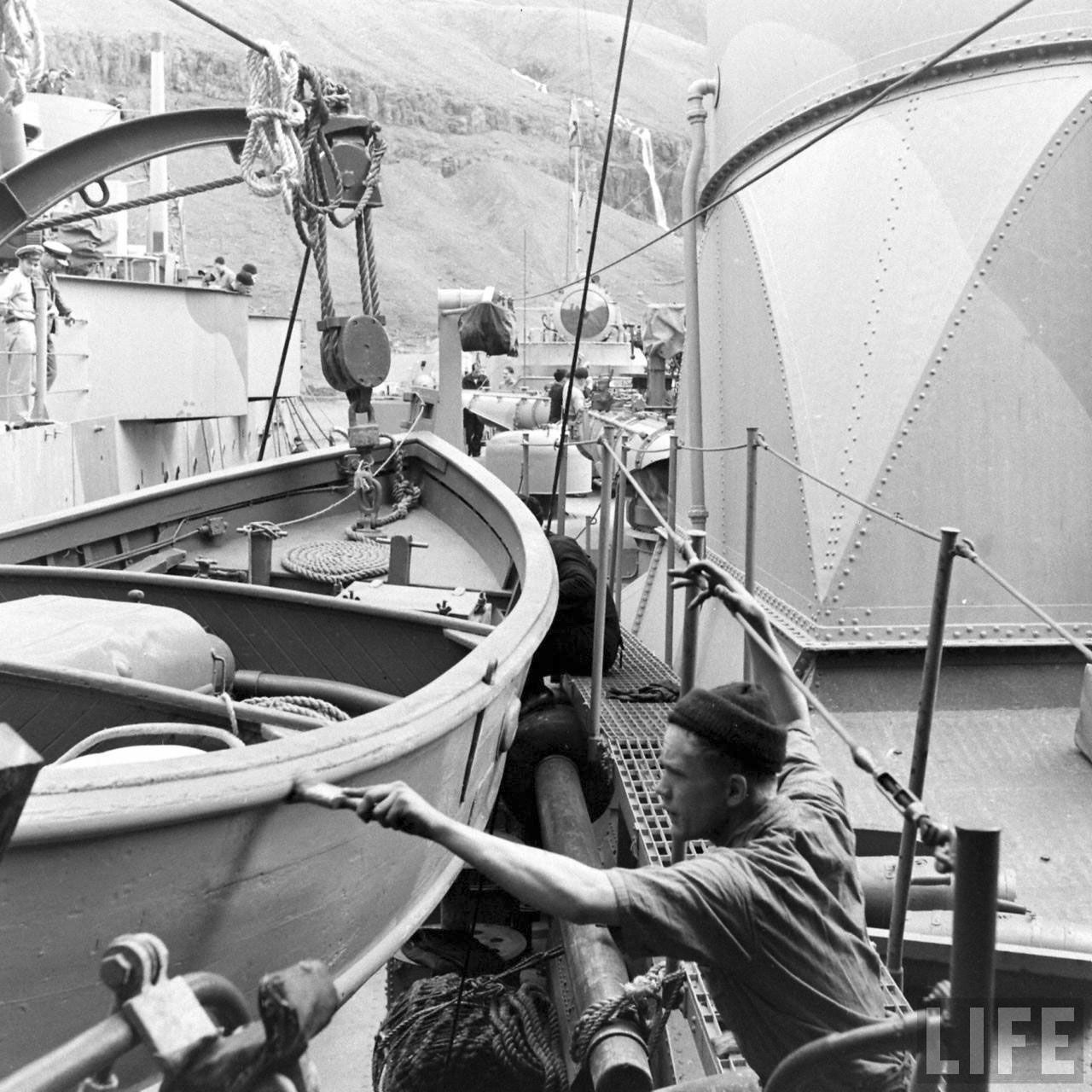
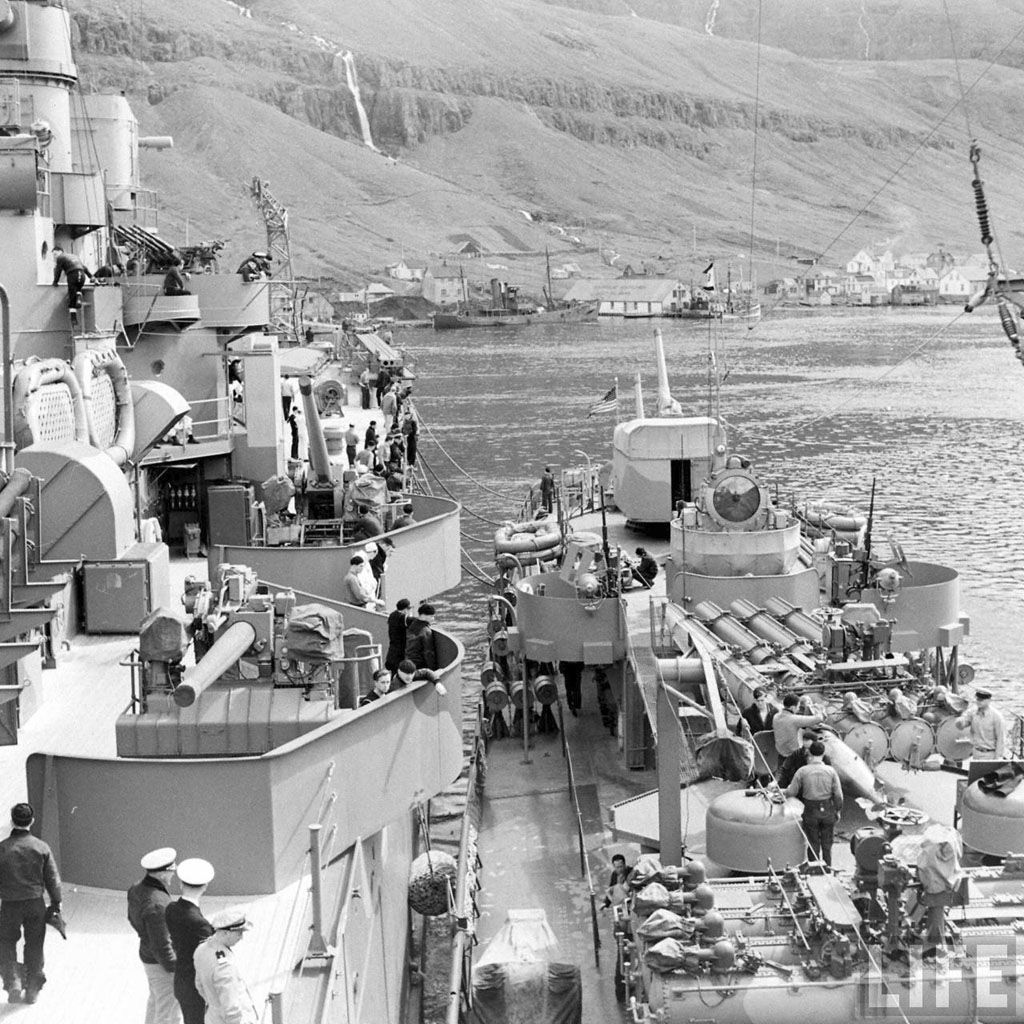
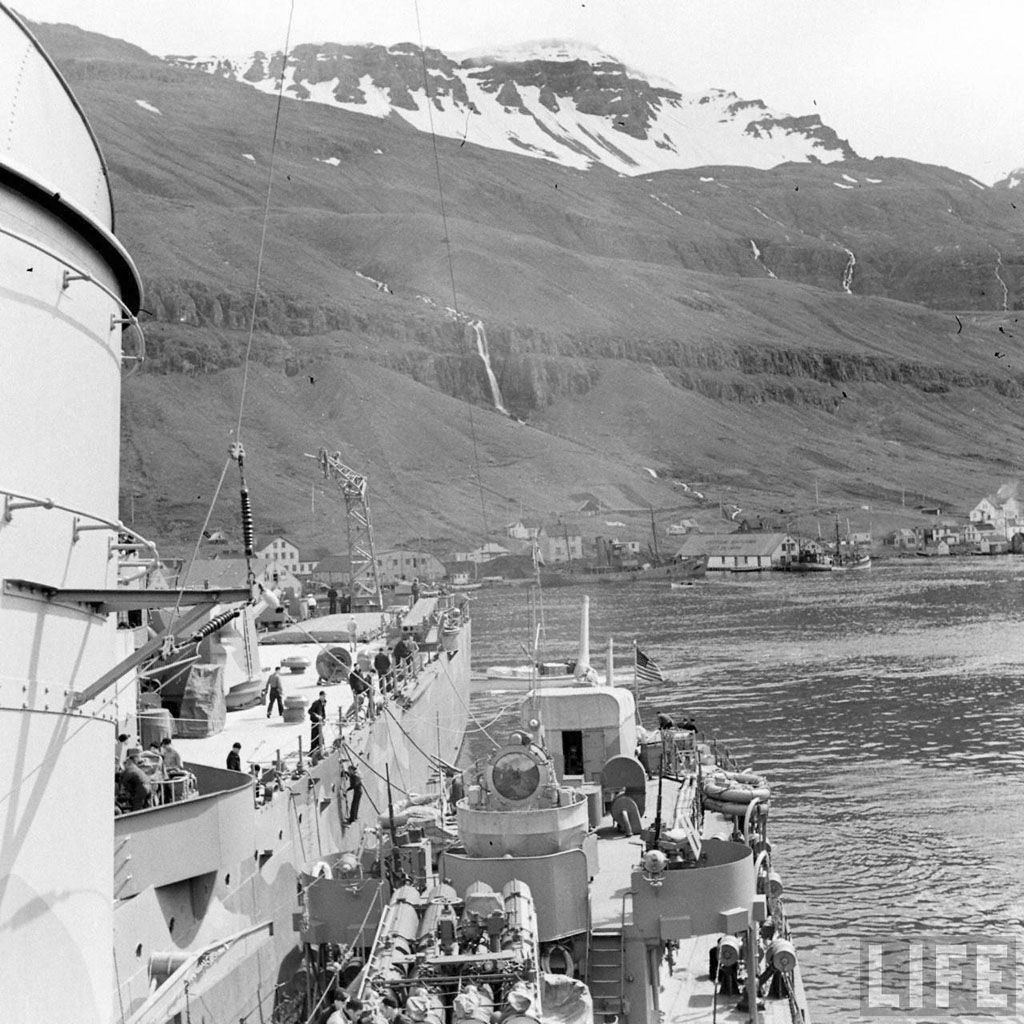
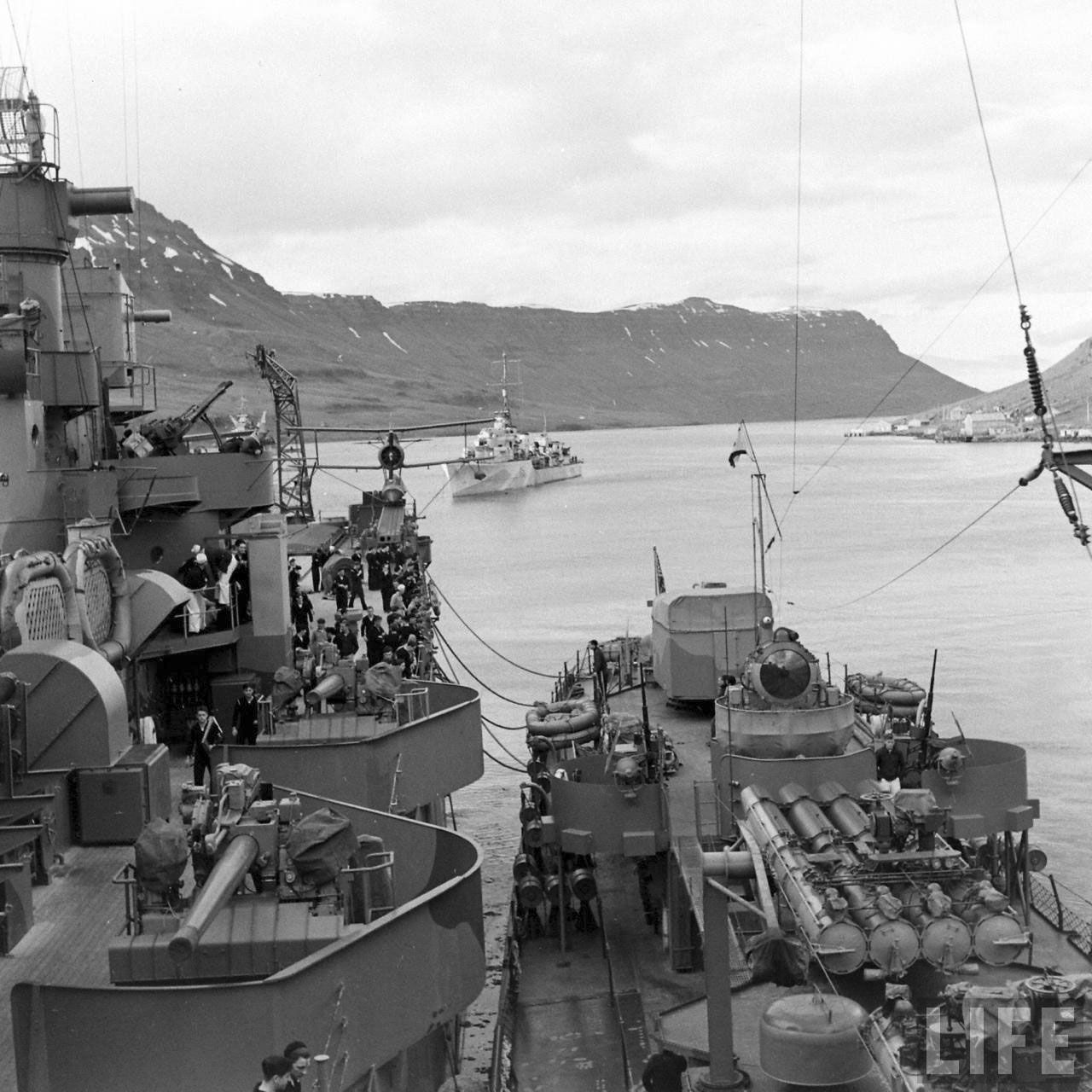
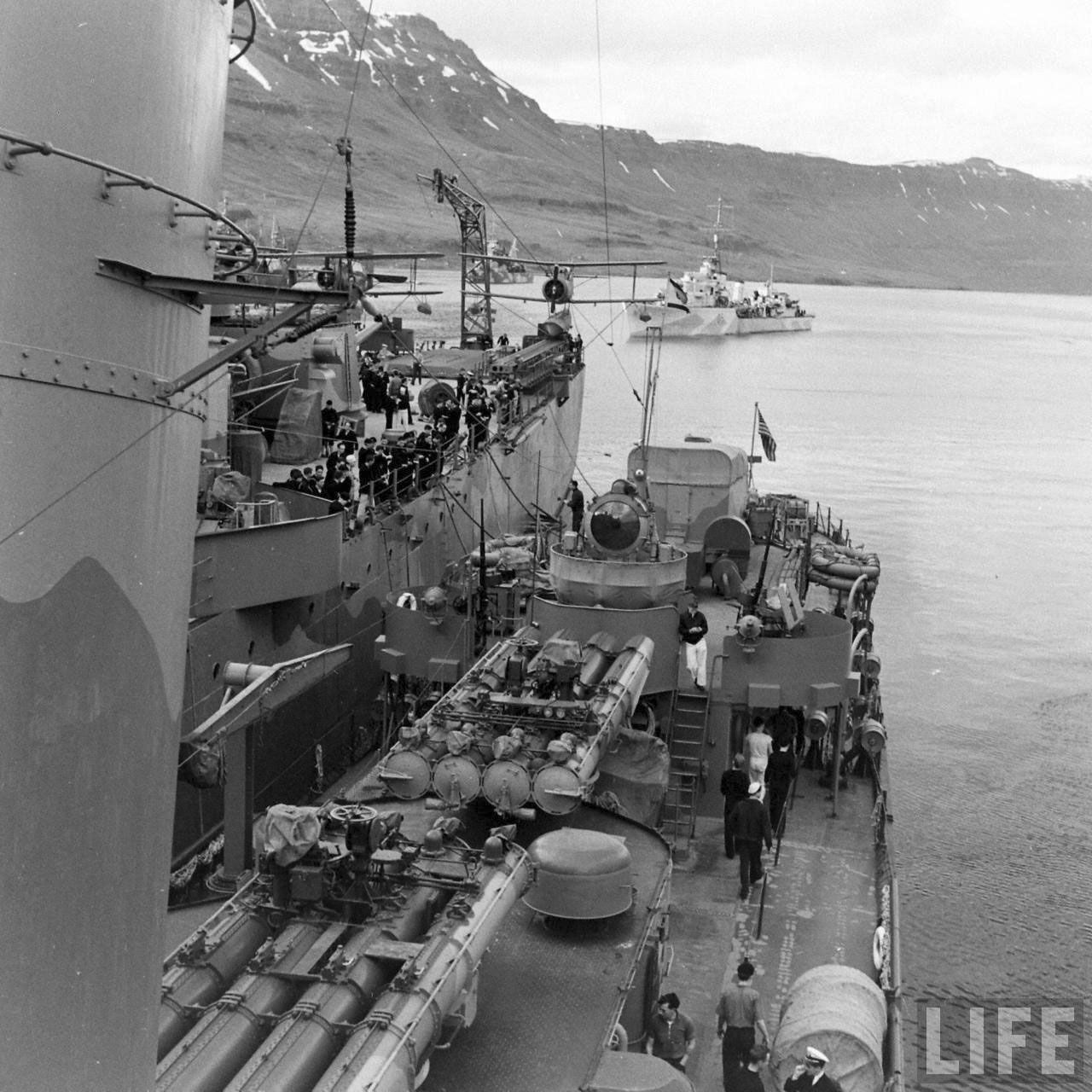 USS Wainwright (DD-419) anchored at Seidisfjord, Iceland on 30 June 1942 while operating in joint USN/RN Task Force 99. Cruisers refueled the Desdiv16 tin cans throughout the day. Later that evening Wainwright, Rowan (DD-405), Wichita (CA-45), and Tuscaloosa (CA-37) joined the British force covering approaching convoy PQ-17. Life Magazine photographer Frank Scherschel was aboard Wainwright while at Iceland. Used for educational and non-commercial purpose. | John Chiquoine | |||
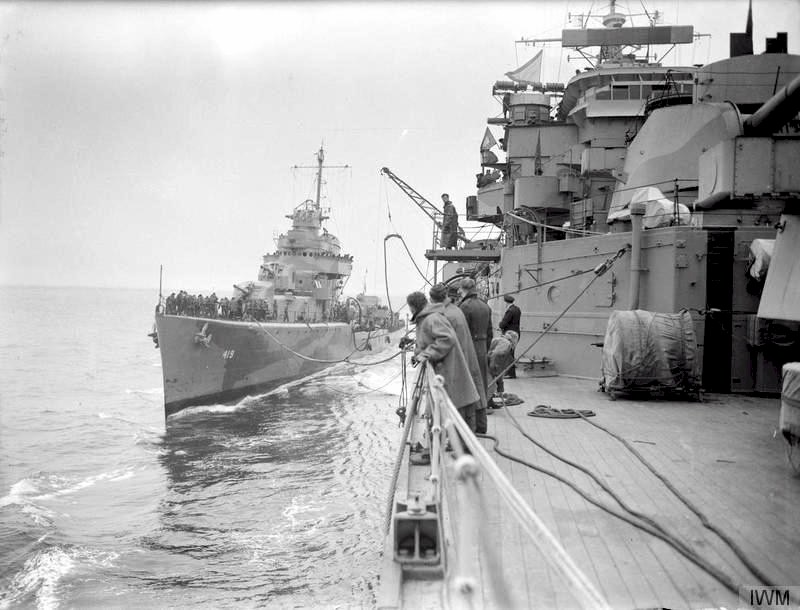
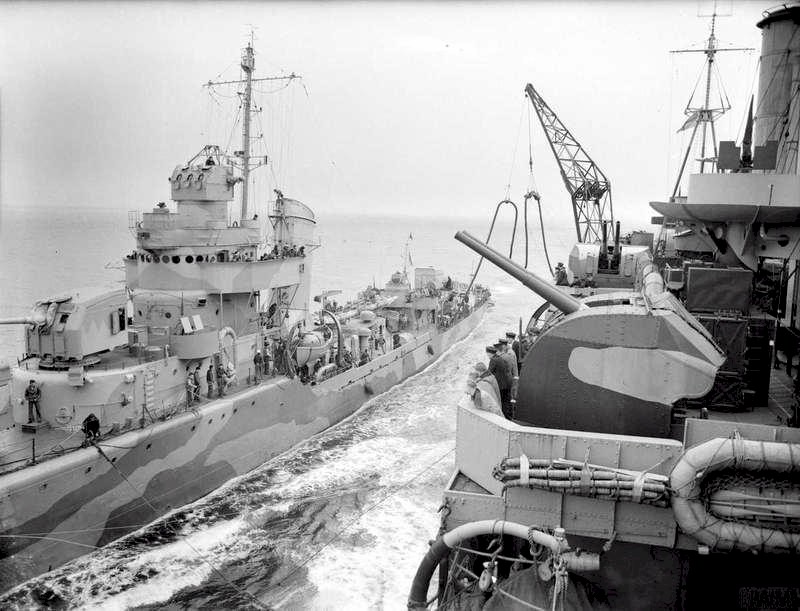
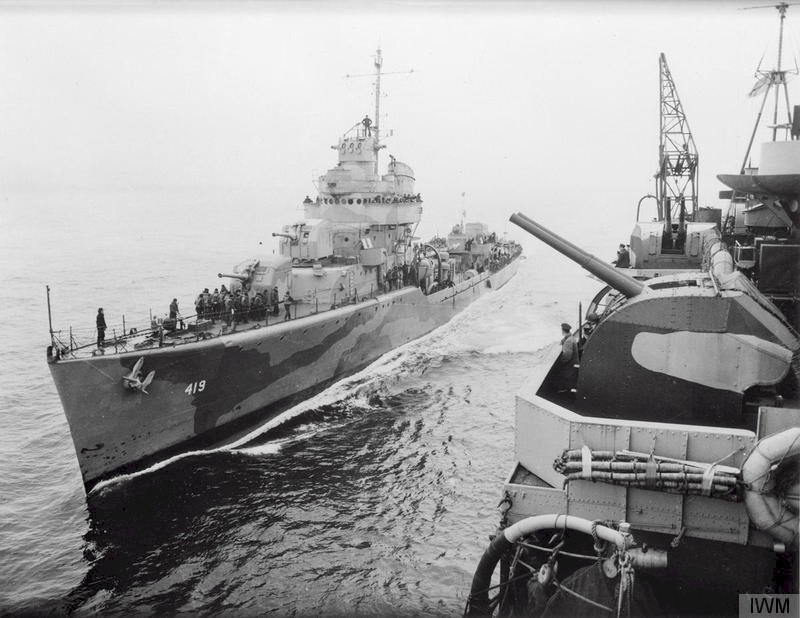
 USS Wainright (DD-419) being refueled by the cruiser HMS Norfolk (78) on 03 July 1942. The ships were on convoy protection duty in the North Atlantic. The destroyer is painted in Measure 12 (mod) camouflage scheme. Source: Imperial War Museum Admiralty Official Collection, Priest, L C (Lt), Photo No. , Photos A 10692, 10694, 10690 and 10693. | Mike Green / Robert Hurst | |||
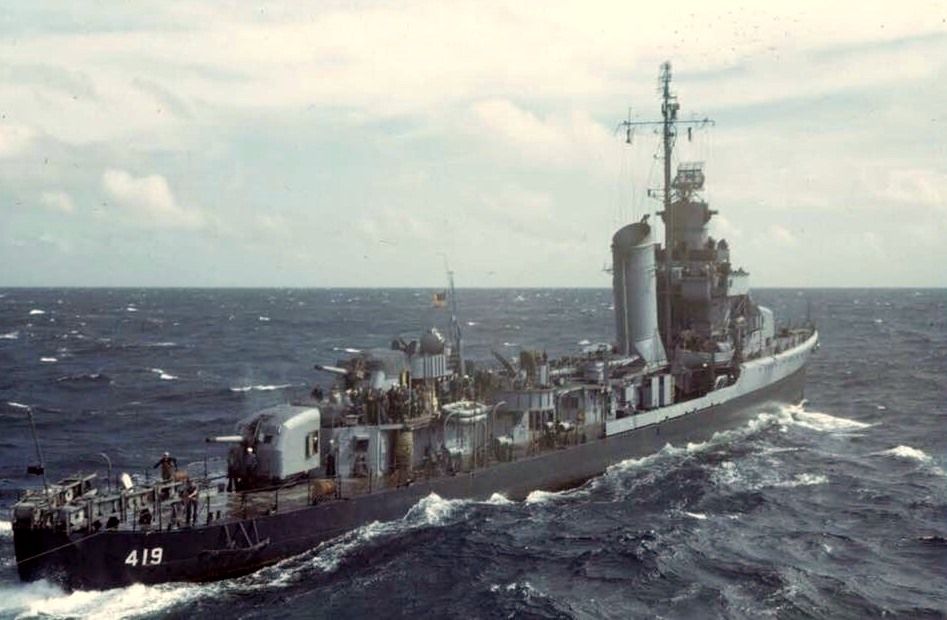
| 80k | Starboard quarter view of USS Wainwright (DD-419) underway while escorting a convoy to North Africa, late 1942-early 1943. Photo from LIFE magazine archives, Dmitri Kessel, photographer. Used for educational and non-commercial purpose. | Peter DeForest / Mike Green | |
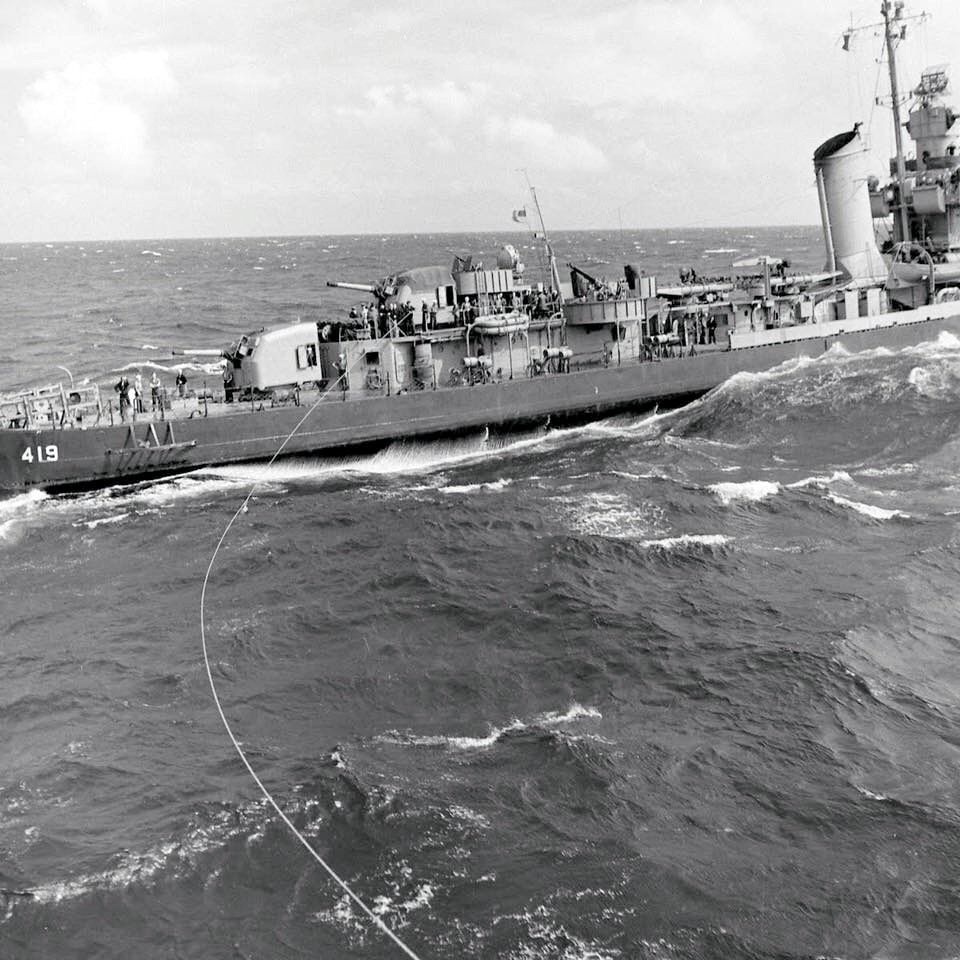
| 145k | Starboard side view of USS Wainwright (DD-419) underway while escorting a convoy to North Africa in late 1942/early 1943. The Wainwright and the unidentified vessel have shot a line between them in preparation for a ship to ship transfer. Photo from LIFE magazine archives, J.R. Eyerman, photographer. Used for educational and non-commercial purpose. | Peter DeForest / Mike Green | |
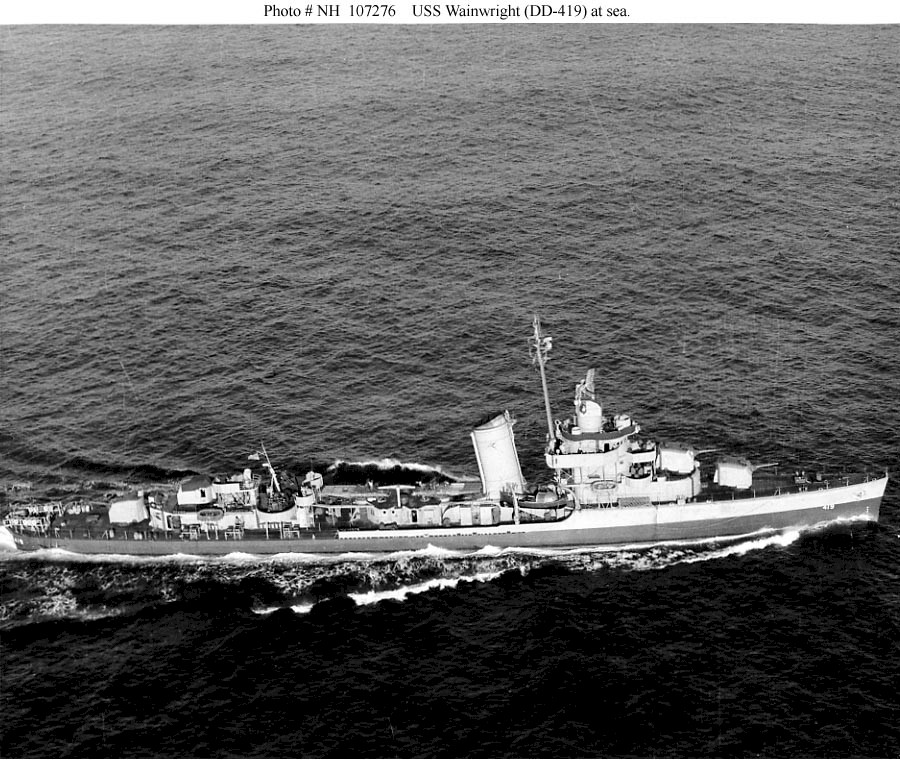
| 234k | USS Wainwright (DD-419) underway off the U.S. East Coast on 5 May 1944, while assigned to escort and training duties. The ship is wearing Camouflage Measure 22. Note the two men on the starboard bridge wing and the man on the main deck below the after conn. Photographed from a blimp of Lighter Than Air Patrol Squadron 11 (ZP-11). Official U.S. Navy Photograph, from the collections of the Naval History and Heritage Command. Photo #: NH 107276. | Robert Hurst/Ed Zajkowski | |
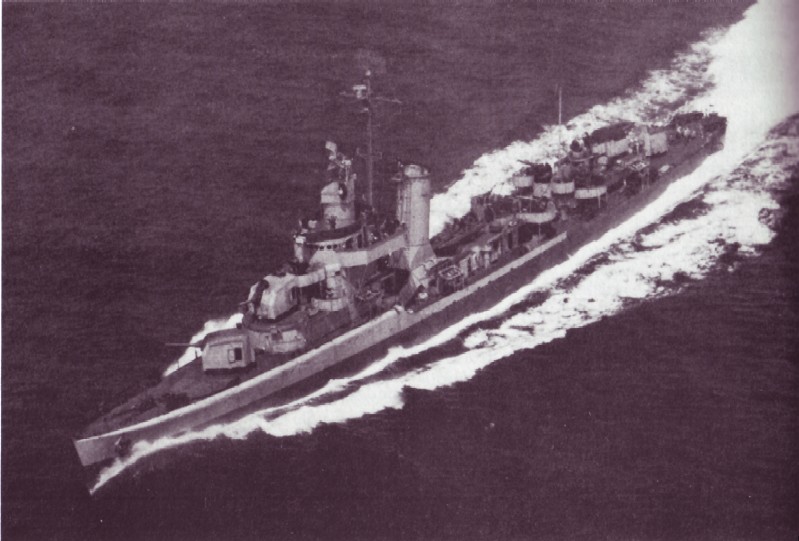
| 93k | July 1944, location unknown. | Robert Hurst | |
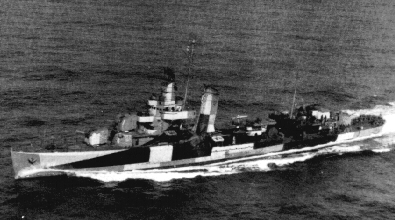
| 75k | February 1945, location unknown. The ship is painted in camouflage Measure 32, Design 3d. | Robert Hurst | |
LCDR Thomas Lawrence Lewis    Apr 15 1940 - Mar 26 1942

LCDR Robert Henry Gibbs    Mar 26 1942 - Oct 4 1943

CDR Walter William Strohbehn    Oct 4 1943 - Apr 15 1945

LCDR Leigh William Sedgwick    Apr 15 1945 - Aug 29 1946
The contact listed, Was the contact at the time for this ship when located. If another person now is the contact, E-mail me and I will update this entry. These contacts are compiled from various sources over a long period of time and may or may not be correct. Every effort has been made to list the newest contact if more than one contact was found.
| Back To The Main Photo Index | To The Destroyer Index Page |
This page was created by Fred Willishaw (ex ARG-4, AS-11 & DD-692) and is maintained by David L. Wright
|