
Photographic History of the United States Navy
ARCHIVE
| NavSource Main Page | FAQ | Contact us | Search NavSource |
| |
NavSource Naval History Photographic History of the United States Navy |
DESTROYER ARCHIVE |


 To Spain July 1 1959. renamed Almirante Valdés (hull# 43, then reclassified as D 23).
| Click On Image For Full Size Image |
Size | Image Description | Contributed By |
|
|---|---|---|---|---|
| Namesake |
||||
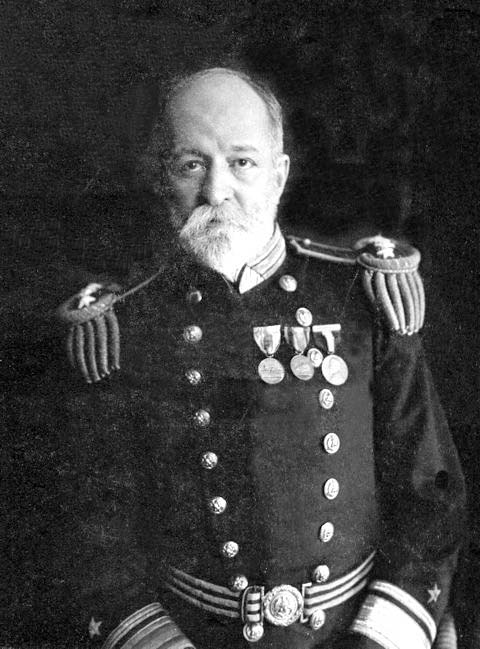
| 96k | Born 13 May 1844 in Norwich, Vt., where he also attended Norwich University and was a member of Theta Chi Fraternity. George Albert Converse was appointed midshipman 29 November 1861. He was a pioneer in the use of electricity on board men-of-war, in experimentation with and introduction of smokeless powder in the Navy, and in development of torpedo boats. In command of Montgomery from 1897 to 1899 he took an active part in operations off the coast of Cuba with Admiral Sampson's squadron during the Spanish-American War. He was promoted to Rear Admiral on 21 Oct. 1903 serving successively as Chief of the Bureaus of Equipment, Ordnance, and Navigation, continuing as Chief of the latter Bureau for a year after his retirement in 1906. He died in Washington, D.C., 29 March 1909. Rear Admiral Converse was considered of the ablest officers in the Navy as well as known as an expert on ordnance, especially regarding torpedoes. In 1904, when only the first sixteen “torpedo boat destroyers” were in commission, President Theodore Roosevelt ordered the Navy to convene a board under his leadership to "consider the type and qualities of torpedo vessels and their machinery." The board developed a functional description for future destroyers, which first applied in the design of the Smith and Paulding-class "flivvers" of fiscal years 1907-1911. Rear Admiral Converse was buried in Arlington National Cemetery with full military honors. U.S. Navy Photograph | Bill Gonyo | |
| USS Converse (DD-509) |
||||
| THE SECRETARY OF THE NAVY WASHINGTON The President of the United States takes pleasure in presenting the PRESIDENTIAL UNIT CITATION to the DESTROYER SQUADRON TWENTY THREE consisting of the USS CHARLES AUSBURNE, USS CLAXTON, USS DYSON, USS SPENCE, USS CONVERSE and USS STANLY for service as set forth in the following CITATION: "For extraordinary heroism in action against enemy Japanese forces during theSolomon Islands Campaign, from November 1, 1943, to February 23, 1944. Boldlypenetrating submarine-infested waters during a period when Japanese naval and airpower was at its height, Destroyer Squadron TWENTY THREE operated in daringdefiance of repeated attacks by hostile air groups, closing the enemy'sstrongly fortified shores to carry out sustained bombardments against Japanesecoastal defenses and render effective cover and fire support for the majorinvasion operations in this area. Commanded by forceful leaders and manned byaggressive, fearless crews the ships of Squadron TWENTY THREE coordinated as asuperb fighting team; they countered the enemy's fierce aerial bombing attacksand destroyed or routed his planes; they intercepted his surface task forces,sank or damaged his warships by torpedo fire and prevented interference withour transports. The brilliant and heroic record achieved by Destroyer SquadronTWENTY THREE is a distinctive tribute to the valiant fighting spirit of theindividual units in this indomitable combat group and of each skilled andcourageous ship's company." For the President, James Forrestal Secretary of the Navy | ||||
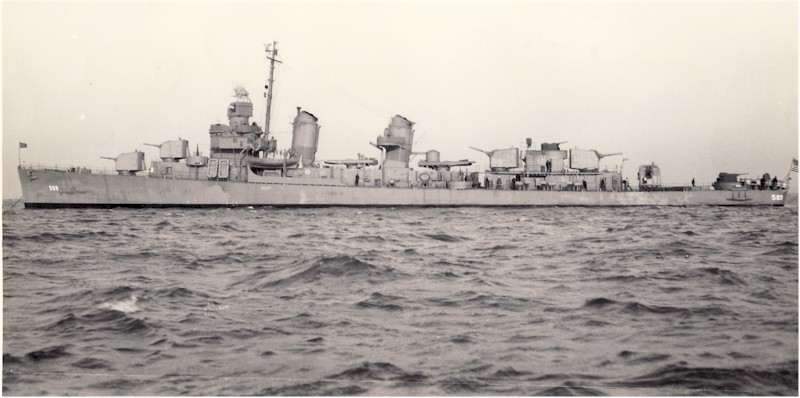
| 73k | USS Converse (DD-509) in December 1942 as completed before any modifications were done. | Rick E. Davis | |
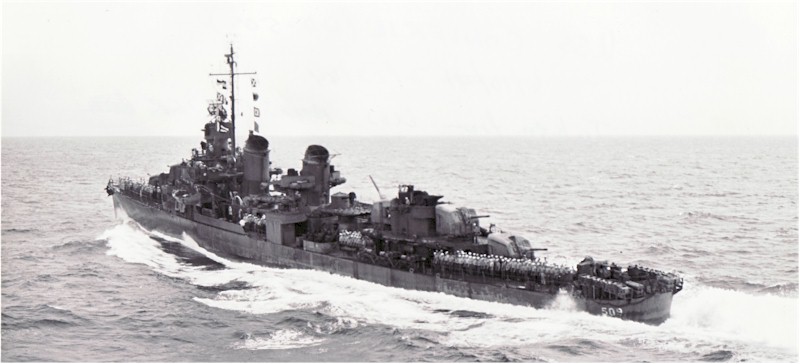
| 60k | The USS Converse (DD-509) on 23 March 1944 pulling away from the USS Montpelier (CL-57). The Converse was armed at this time with a non-standard AA Armament, four twin 40mm gun mounts (one on fantail, one between #53 and #54 mounts, and the two amidships mounts) and 8-20mm guns. Photo from the Naval Historical Center. | Rick E. Davis | |
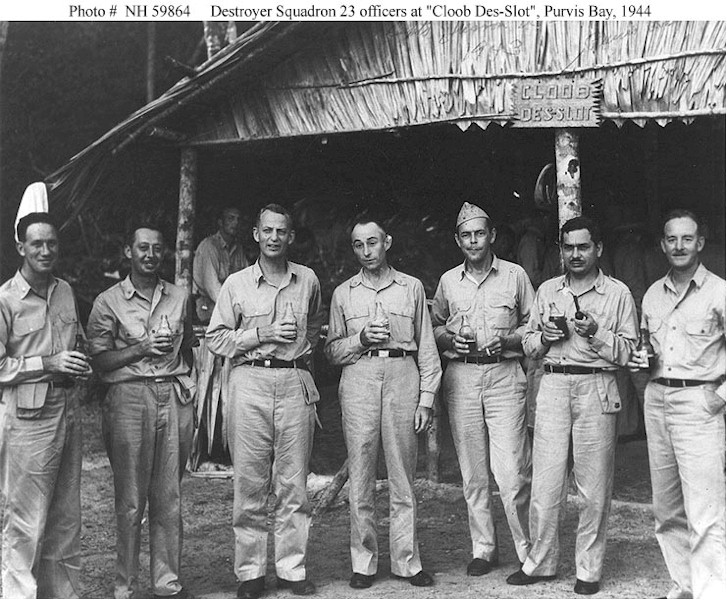
| 147k | Photo #: NH 59864. Destroyer Squadron 23 officers of the squadron enjoy a beer at "Cloob Des-Slot", Purvis Bay, Solomon Islands, on 24 May 1944. Those present are (from left to right): Commander R.A. Gano, Commanding Officer, USS Dyson (DD-572); Commander Luther K. Reynolds, Commanding Officer, USS Charles Ausburne (DD-570); Captain Arleigh A. Burke, Squadron Commodore; Commander B.L. Austin, Commander Destroyer Division 46; Commander D.C. Hamberger, Commanding Officer, USS Converse (DD-509); Commander Herald Stout, Commanding Officer, USS Claxton (DD-571); and Commander Henry J. Armstrong, Commanding Officer, USS Spence (DD-512). Courtesy of the Naval Historical Foundation. Collection of Admiral Arleigh A. Burke, USN. U.S. Naval Historical Center Photograph. | Bill Gonyo | |
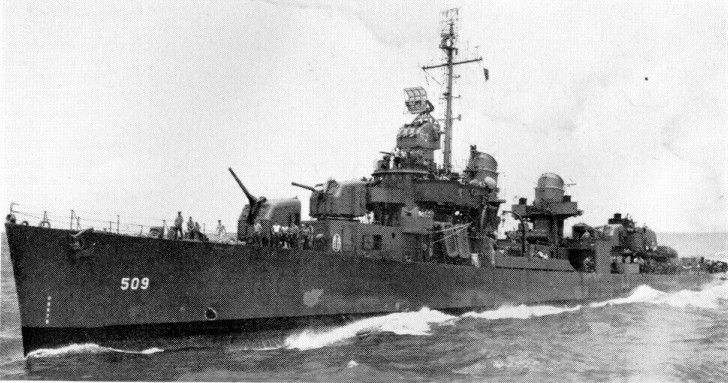
| 92k | USS Converse (DD-509) on 10 June 1944, as she approaches the USS Miami (CL-89). | Rick E. Davis/Wolfgang Hechler | |
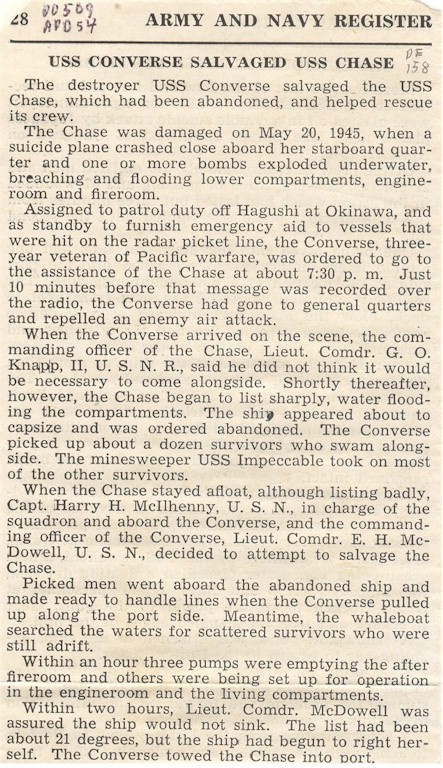
| 173k | Newspaper clipping describing the salvage by USS Converse (DD-509) of the USS Chase. | Ron Reeves | |
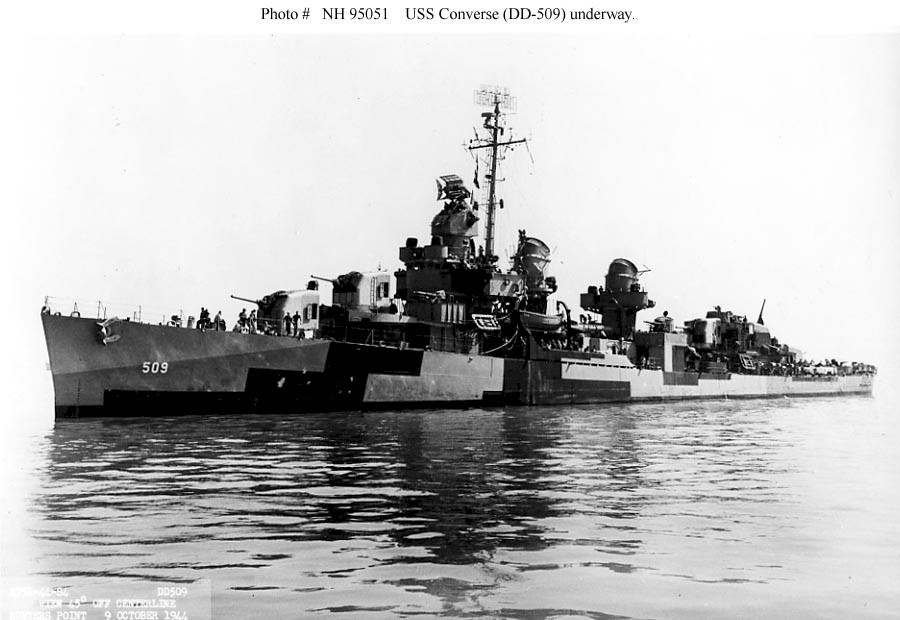
| 102k | USS Converse (DD-509), Underway off the Hunters Point Navy Yard, San Francisco, California on 9 October 1944. Converse is painted in Camouflage Measure 31, Design 2C. For plans of this design, see: Photo # 80-G-109625 for the port side pattern, and Photo # 80-G-109626 for the starboard side and decks. Courtesy of the U. S. Naval Insitute, James C. Fahey Collection. Official U.S. Navy Photograph, from the collections of the Naval History and Heritage Command. Photo #: NH 95051 | Robert Hurst | |
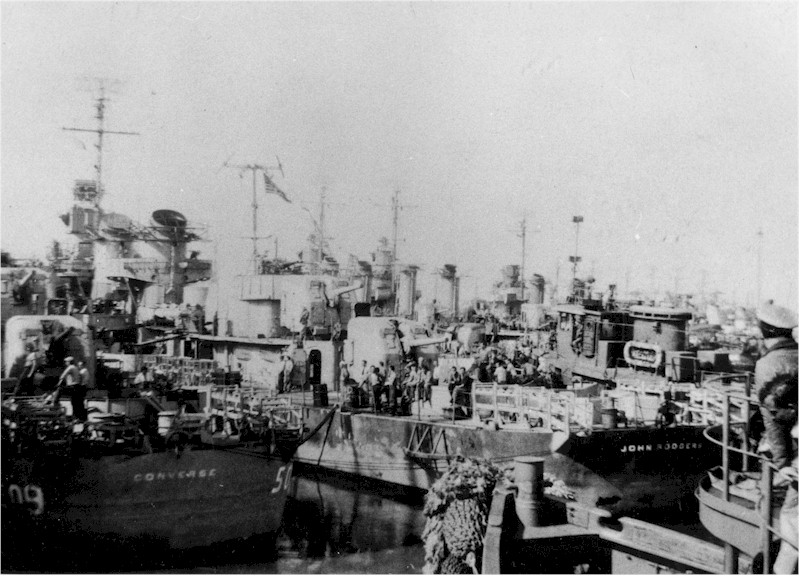
| 128k | Nest view of Converse and John Rodgers in the Charleston NSY piers, November 1945. Photo by Swede Swenson, USS Thorn. | D.Schroeder/J.Chiquoine | |
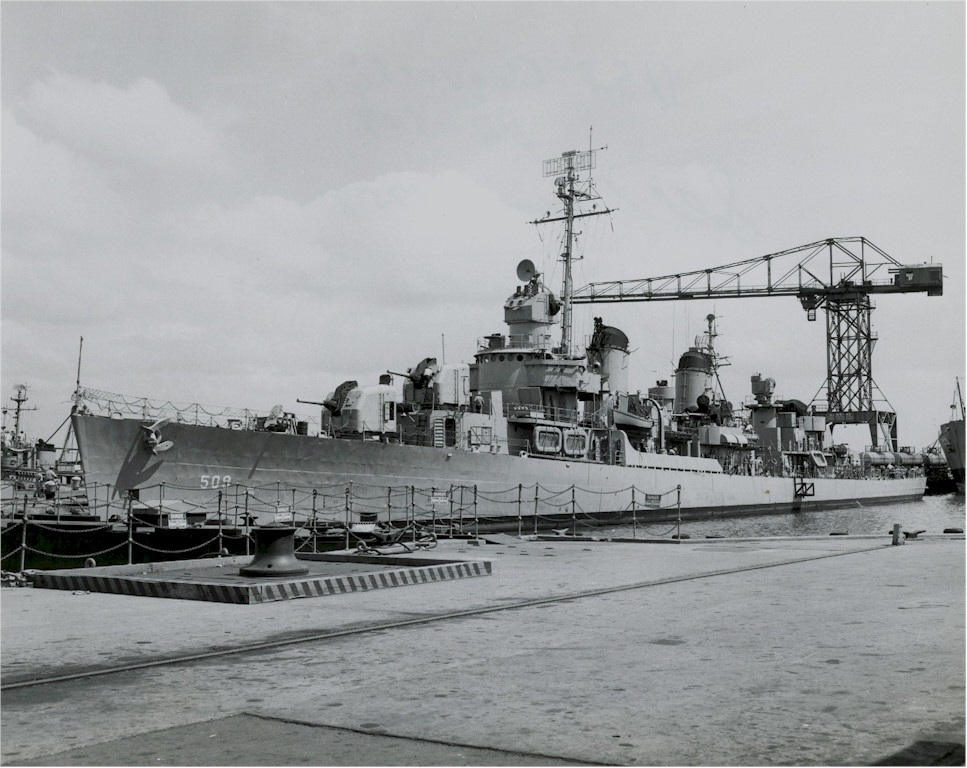
| 165k | May 22 1959, Philadelphia Navy Yard, being prepped for transfer to Spain. | Ed Zajkowski | |
| On Spanish Service |
||||
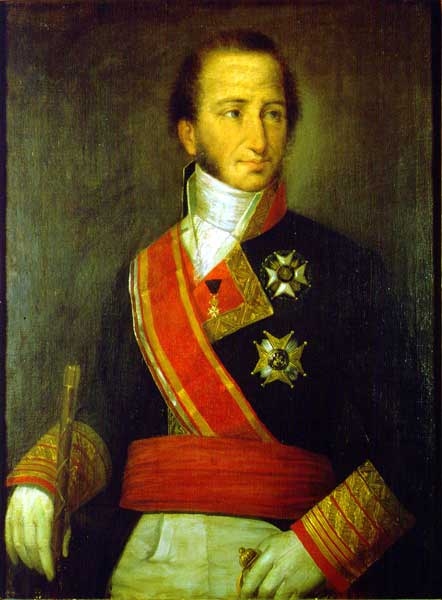
| 105k | Cayetano Valdés y Flores Bazán y Peón. Born in Sevilla, 28 September 1767. Died in San Fernando de Cádiz, 6 February 1835. Spanish sailor, 17th Commandant General of the Spanish Royal Navy. | Francisco Javier Santos Vazquez | |
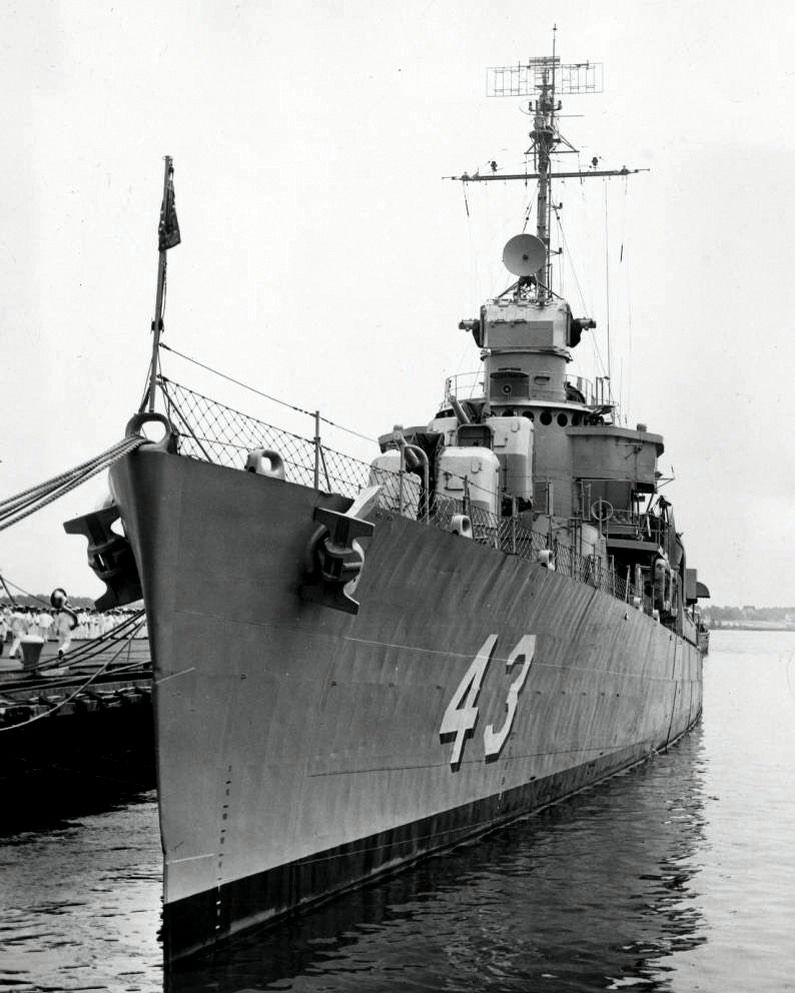
| 104k | Ex-USS Converse (DD-509) being transferred to the Spanish Navy on 01 July 1959. The ship was renamed Almirante Valdés (pennant 43, later D 23). Philadelphia Evening Bulletin, George D. McDowell Collection | Mike Green | |
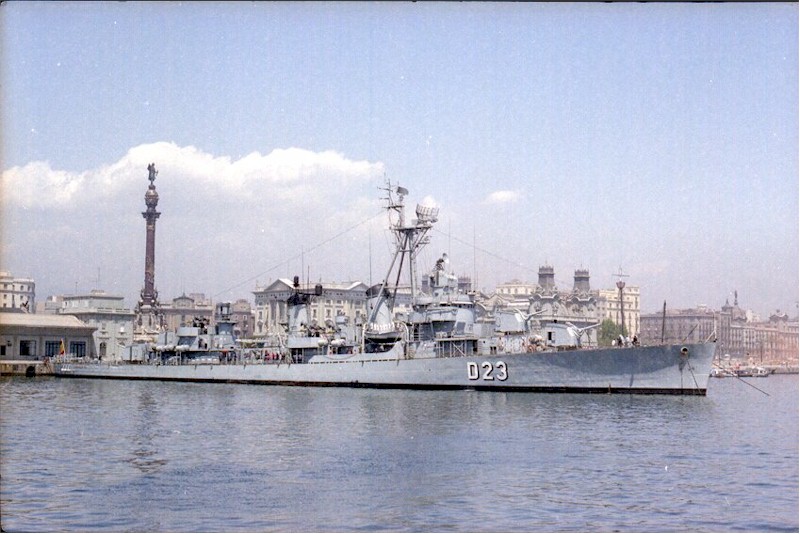
| 112k | Spanish destroyer Almirante Valdés (D-23), ex-USS Converse (DD 509), one of Arleigh Burke's "Little Beavers". This and the next two photos were taken in Barcelona, Spain, on 13 May 1983. Prior to her transfer to Spain Converse was modernized along the general lines of project SCB-74A, and was not substantially altered in her years under the Spanish flag, though she did receive (in the early 60s) more modern radars with heavier antennas, which required a tripod foremast in place of her original pole. Converse was one of the "early", or "round bridge", Fletchers. | Fabio Peña | |
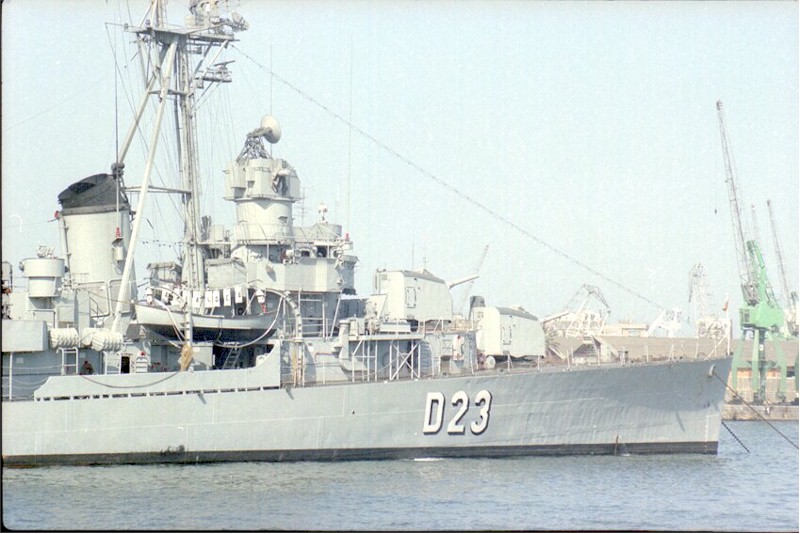
| 106k | Noticeable in this photograph are the forward 5"/38 single mounts, with a Hedgehog immediately abaft #2 mount, on the 01 level. The main GFCS (Mk.37) was mounted on a high pedestal atop the bridge and fitted with a Mk.25 radar. Her starboard Mk.63 GFCS, for her waist 3"/50 guns, can be seen in a tub immediately abaft the stack. | Fabio Peña | |
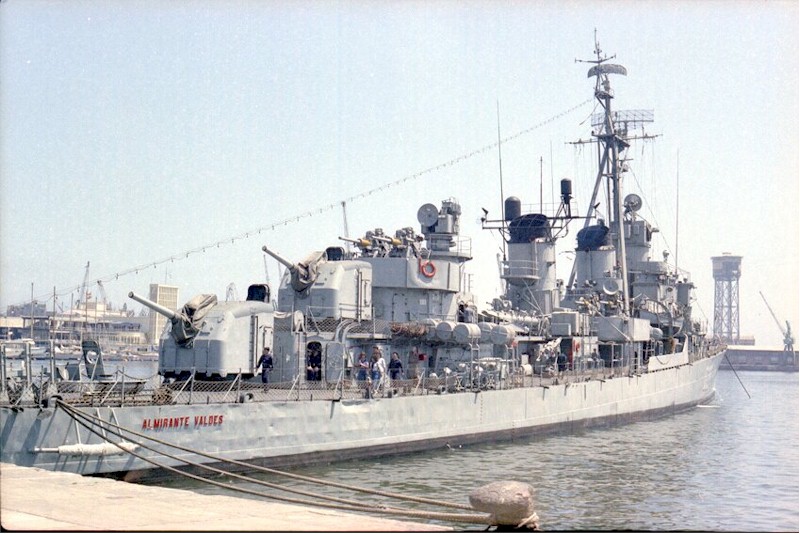
| 121k | This photo shows the aft 5"/38 single mounts, the aft twin 3"/50 mount (with a Mk.56 GFCS), and the waist starboard 3"/50 twin mount (with a Mk.34 radar "dish", associated to the Mk.63 GFCS). The foremast carries the antennas of the SPS-6 air search radar (the largest antenna) and the SPS-10 surface search radar (the smaller antenna, mounted higher). The aft funnel supports radome-enclosed radar direction-finders as well as the usual "derby" and "sword" radar warning receivers, at the ends of the yardarm; abaft the funnel is a quintuple torpedo tube mount, with a reloading practice machine abeam of it, on the weather deck. Also visible is a Mk.6 depth charge thrower, by the life raft containers. | Fabio Peña | |
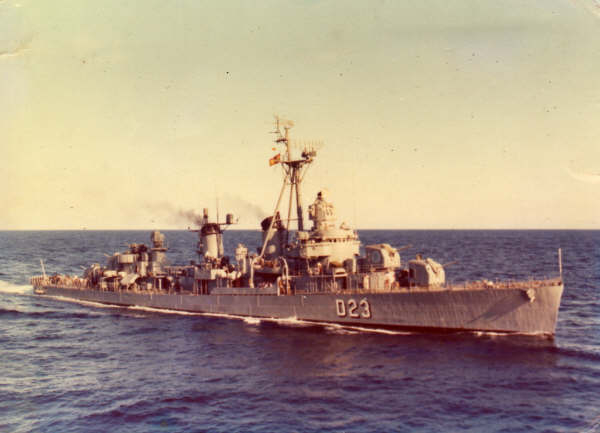
| 30k | Undated, location unknown. Courtesy of Foro 11a Escuadrilla de Escoltas (http://www.destructorchurruca.es.vg/). | Francisco Javier Santos Vazquez | |
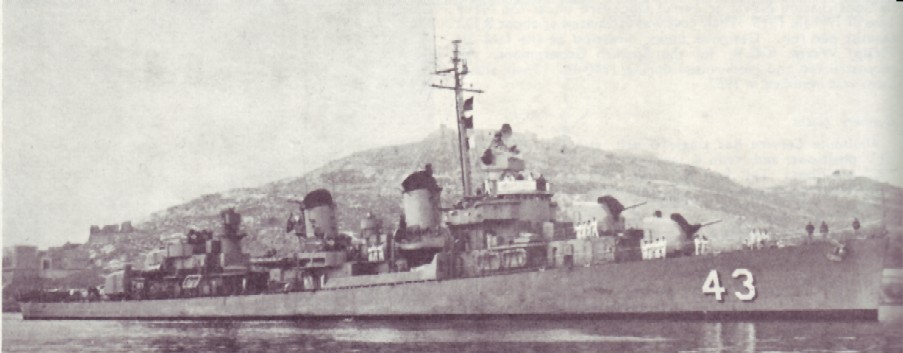
| 62k | Circa 1960, location unknown. Photo from "Jane's Fighting Ships" 1960-1961 Edition. | Robert Hurst | |
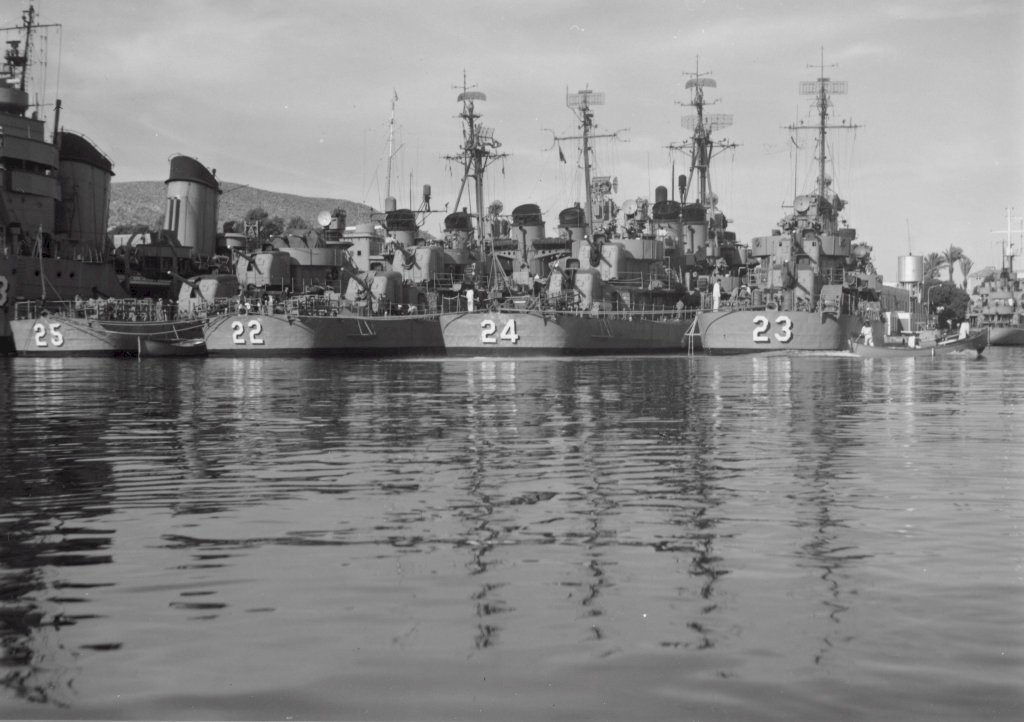
| 136k | Jorge Juan (D-25), ex-USS McGowan (DD-678); Almirante Ferrándiz (D-22), ex-USS David W. Taylor (DD-551); Alcalá Galiano (D-24), ex-USS Jarvis (DD-799); and Almirante Valdés (D-23), ex-USS Converse (DD-509). Cartagena, Spain, circa 1961. Note Ferrándiz and Valdés still have pole masts and WWII-era radars; Galiano and Jorge Juan have tripod masts and more modern radars. | Camil Busquets | |
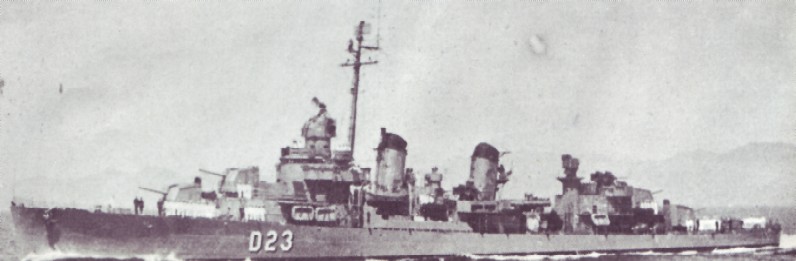
| 43k | Circa 1966, location unknown. | Robert Hurst | |
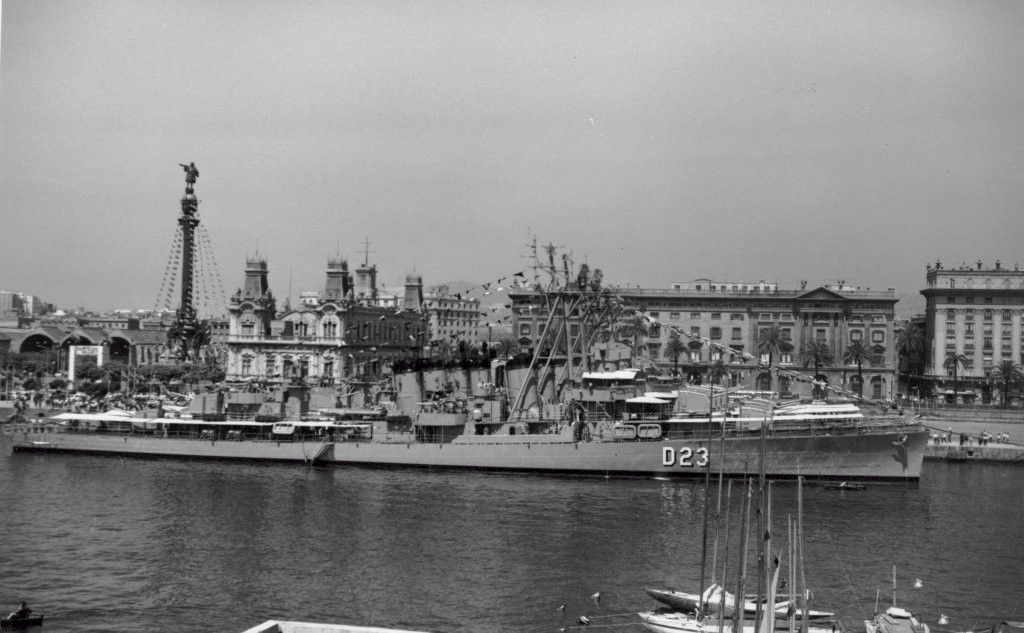
| 135k | Almirante Valdés (D-23), ex-USS Converse (DD-509), Barcelona, Spain, 1966. Although not identifiable in this view, her three sisters are, fore to back: Almirante Ferrándiz (D-22), ex-USS David W. Taylor (DD-551); Jorge Juan (D-25), ex-USS McGowan (DD-678); and Alcalá Galiano (D-24), ex-USS Jarvis (DD-799). Note all were fitted with tripod foremasts by this time. | Camil Busquets | |
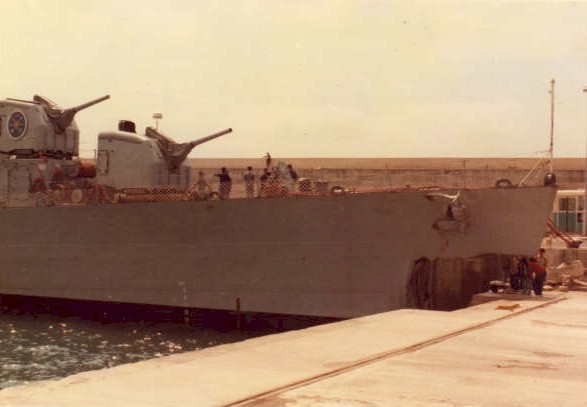
| 38k | At 0852 on Thursday, 13 June 1985, destroyer Almirante Valdés (D-23) and submarine Siroco (S-72) collided while conducting exercises in waters of Cartagena. Siroco suffered damage to her sail and masts. Almirante Valdés had scratches and a water leak into the hull in the starboard bow, and a flooded ammunition magazine. There were no personnel casualties. | Francisco Javier Santos Vazquez/Spanish Ministry of Defense | |
CDR DeWitt Clinton Ellis Hamberger    Nov 20 1942 - Dec 1 1943

LCDR Ellis Hole McDowell    Dec 1 1943 - Jan 20 1944

CDR John Barr Colwell    Jan 20 1944 - Sep 27 1944 (Later VADM)

LCDR Ellis Hole McDowell    Sep 27 1944 - ?
CdF Francisco J. de Elizalde Y Lainez    Jul 1 1959 - Jul 14 1961 (Later ADM)

CdF Aurelio Arriaga Brotons    Jul 14 1961 - Jul 10 1963

CdF Jose Lorenzo Rey Diaz    Jul 10 1963 - Aug 10 1964 (Later ADM)

CdF Luis A. Fernandez Beceiro    Aug 10 1964 - Sep 27 1965

CdF Jesus Dial Del Rio Y Gonzalez-Aller    Sep 27 1965 - Sep 27 1966 (Later VADM)

CdF Fernando de Salas Pinto    Sep 27 1966 - Nov 3 1967 (Later RADM)

CdF Franco Rodriguez Torres    Nov 3 1967 - Apr 6 1970

CdF Luis Mendez Bushell    Apr 6 1970 - Oct 15 1971

CdF Manuel Colorado Guitian    Oct 15 1971 - Apr 16 1973 (Later RADM)

CdF Tomas Valdes Ibanez    Apr 16 1973 - Oct 16 1974 (Later RADM)

CdF Francisco Lacave Patero    Oct 16 1974 - Jun 12 1975

CdF Fernando Sebastian Dacosta    Jun 12 1975 - Jun 22 1976

CdF Juan Baneres Benito    Jun 22 1976 - Dec 17 1977

CdF Cristobal Colon de Carvajal Y Maroto    Dec 17 1977 - Jun 18 1979 (Later VADM)

CdF Aurelio Matos Martin    Jun 18 1979 - Dec 18 1980

CdF Jose Benitez Carrasco    Dec 18 1980 - Dec 12 1981 (Later ADM)

CdF Jose Maria Calderon Alesson    Dec 12 1981 - Jun 30 1983

CdF Enrique Nunez de Prados Ugidos    Jun 30 1983 - Dec 31 1984 (Later RADM)

CdF Francisco Ramirez Alvarez    Dec 31 1984 - Nov 17 1986
The contact listed, Was the contact at the time for this ship when located. If another person now is the contact, E-mail me and I will update this entry. These contacts are compiled from various sources over a long period of time and may or may not be correct. Every effort has been made to list the newest contact if more than one contact was found.
| Back To The Main Photo Index | To The Destroyer Index Page |
This page was created by Fred Willishaw (ex ARG-4, AS-11 & DD-692) and is maintained by David L. Wright
|