
Photographic History of the United States Navy
ARCHIVE
| NavSource Main Page | FAQ | Contact us | Search NavSource |
| |
NavSource Naval History Photographic History of the United States Navy |
DESTROYER ARCHIVE |


 To Turkey August 15 1971, renamed Muavenet.
| Click On Image For Full Size Image |
Size | Image Description | Contributed By |
|
|---|---|---|---|---|
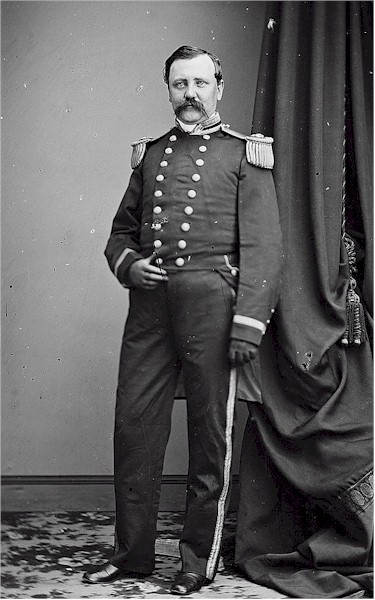
| 67k | William Gwin was born on 6 December 1832 in Columbus, Indiana. He entered U.S. Navy service as a Midshipman in April 1847, subsequently serving in the frigate Brandywine on the Brazil Squadron until late in 1850. During the next five years he was assigned to the sloop of war Germantown, flagship of the African Squadron, the steamer Princeton and the brig Bainbridge. In September 1855, while serving in the latter, he was promoted to the rank of Lieutenant. From late 1857 until after the outbreak of the American Civil War in the spring of 1861, Gwin was an officer of the steamer Saranac and sloop of war Vandalia, both in the Pacific, and of the steam frigate Susquehanna in the Mediterranean. Returning to the United States in mid-1861, Lieutenant Gwin began Civil War combat service in the newly acquired cruiser Cambridge and, later in the year, was assigned to the brig Perry. Early in 1862 he went west to begin a very active period on the Mississippi River and its tributaries, initially as Commanding Officer of the gunboat Tyler, which played a significant role in several combat actions between February and July. Promoted to Lieutenant Commander in July, Gwin commanded the ironclad Mound City during much of the summer and in September took command of the big ironclad Benton. On 27 December 1862, in a heated engagement with Confederate artillery on the Yazoo River, his ship was seriously damaged and Gwin mortally wounded. Lieutenant Commander William Gwin died on 3 January 1863. In reporting his death to the Navy Department, Gwin's squadron commander, Rear Admiral David Dixon Porter, remarked: "The country has lost one of its bravest officers." Digital ID: cwpb 04900, Library of Congress Prints and Photographs Division. | Bill Gonyo | |
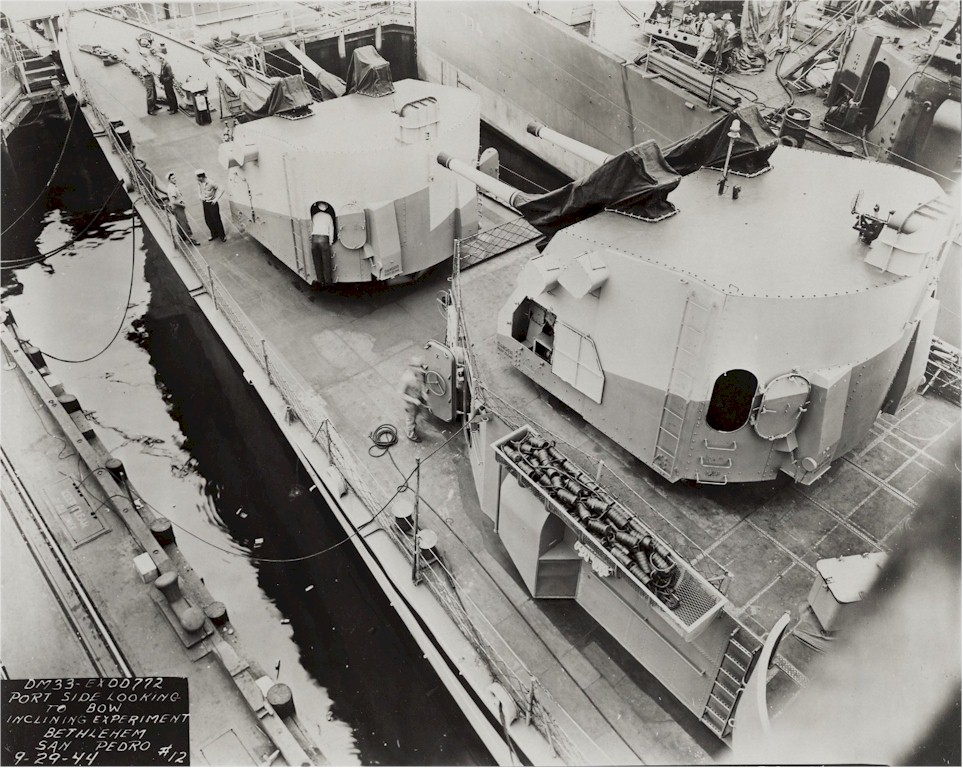
| 224k | September 29 1944 at Bethlehem Steel, San Pedro. Still referred to at this point as DD-772 although completed as DM-33. | Ed Zajkowski | |
| On Turkish Service |
||||
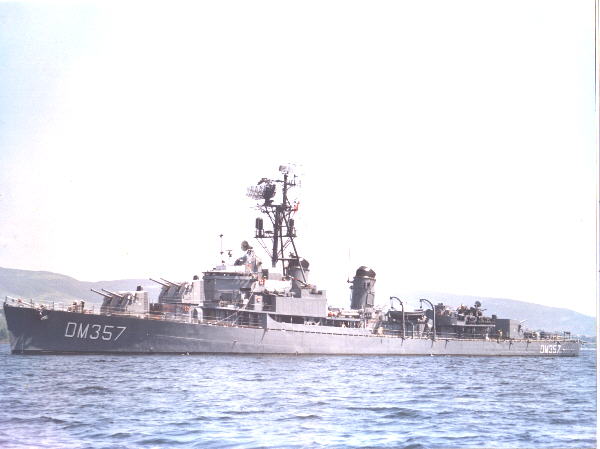
| 34k | As the TCG MUAVENET DM357 | Murat Kurtulmus | |
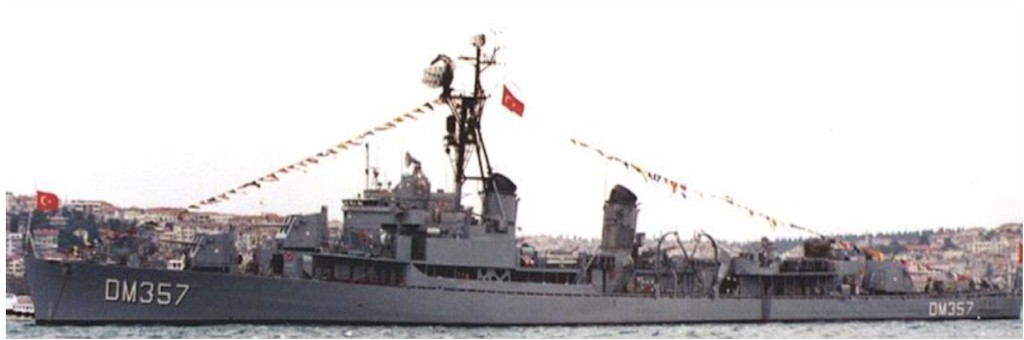
| 51k | Undated, location unknown. | Yucel M.Umar, CPO (Ret.) Turkish Navy | |
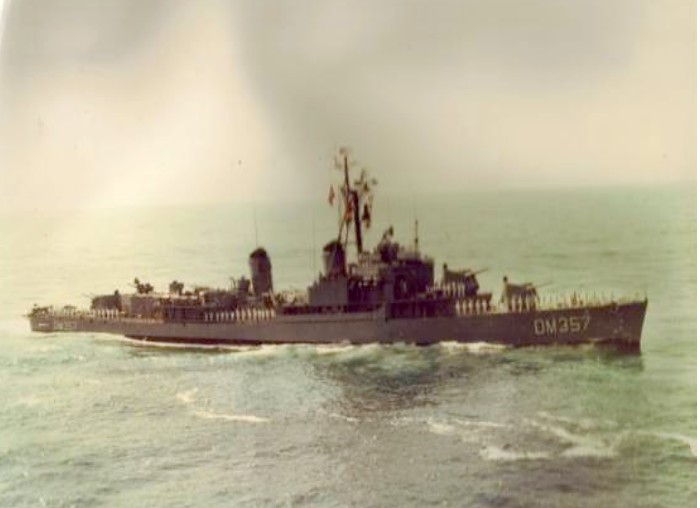
| 48k | Undated, location unknown. | Yucel M.Umar, CPO (Ret.) Turkish Navy | |
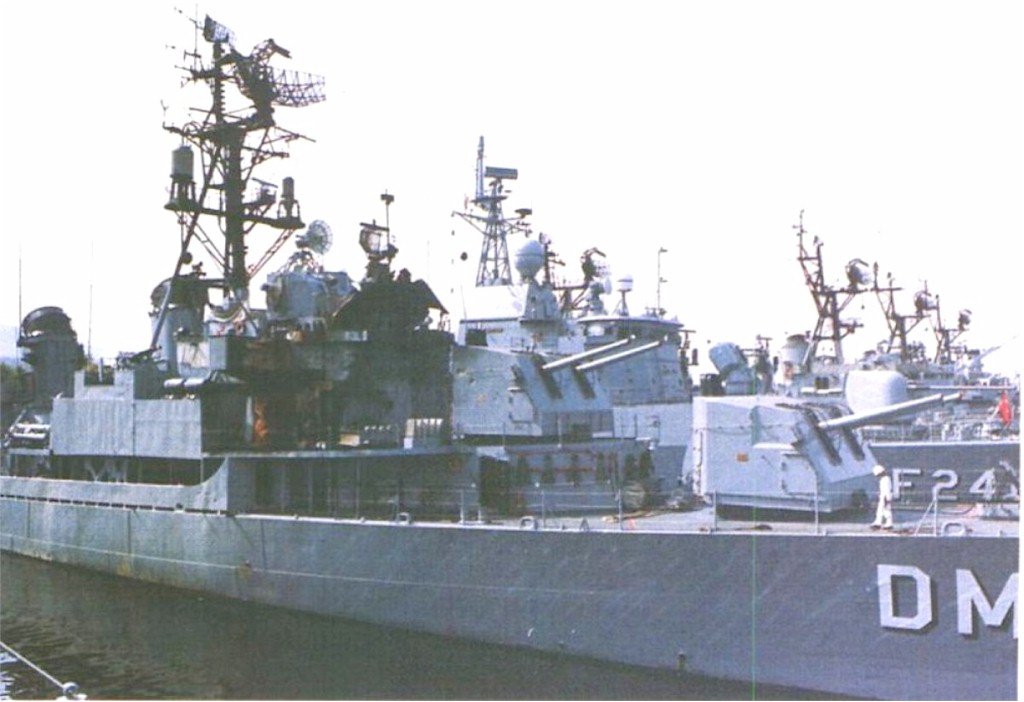
| 120k | Undated, location unknown. | Yucel M.Umar, CPO (Ret.) Turkish Navy | |
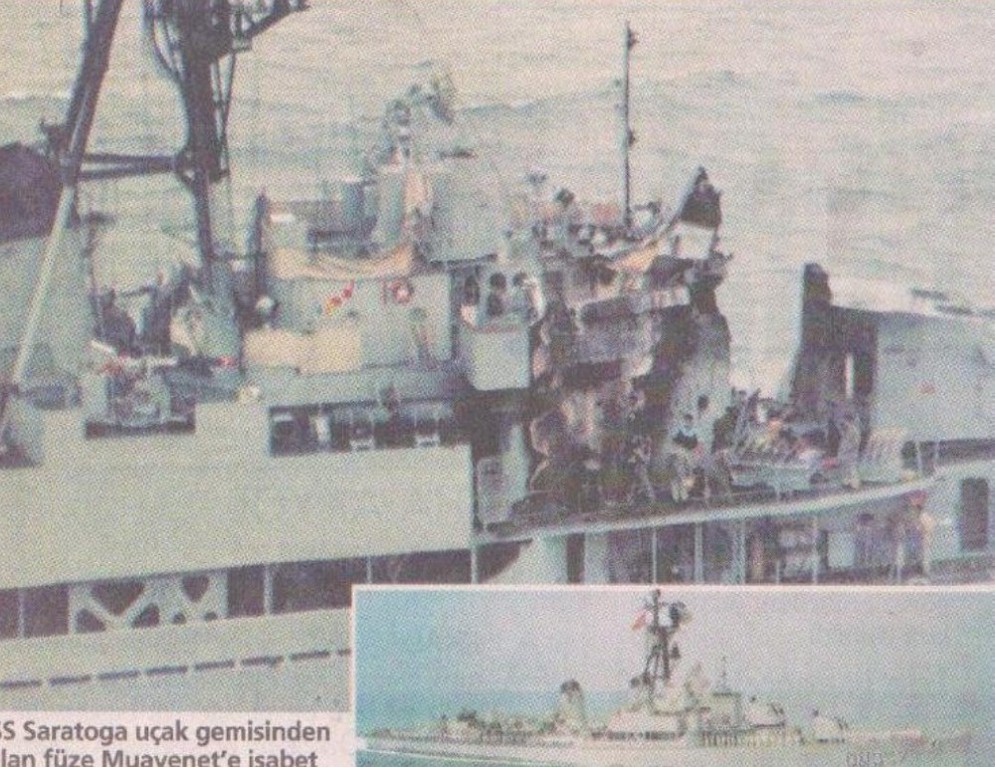
| 221k | Undated, location unknown. | Yucel M.Umar, CPO (Ret.) Turkish Navy | |
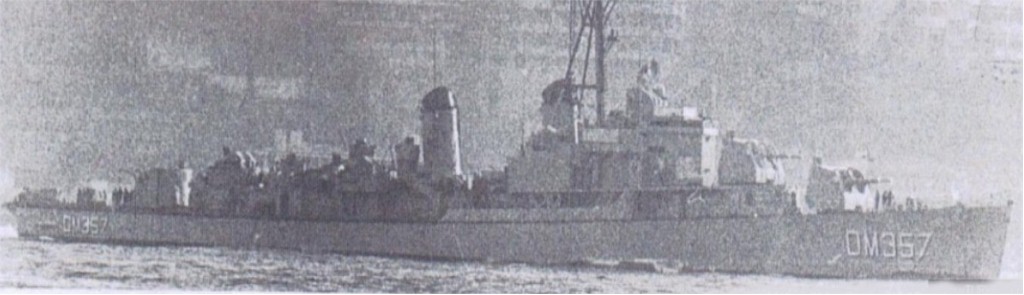
| 71k | Undated, location unknown. | Yucel M.Umar, CPO (Ret.) Turkish Navy | |
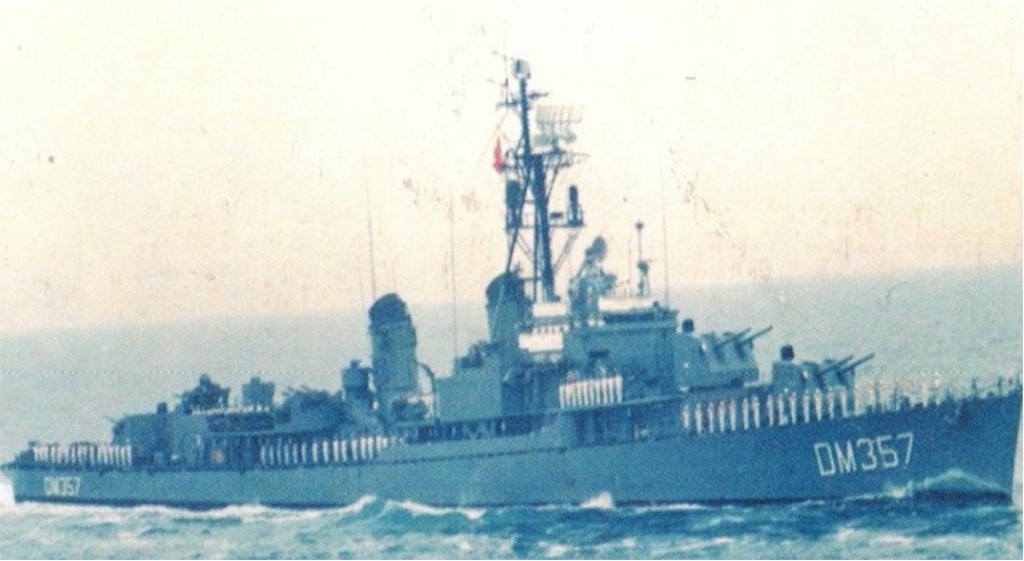
| 106k | Undated, location unknown. | Yucel M.Umar, CPO (Ret.) Turkish Navy | |
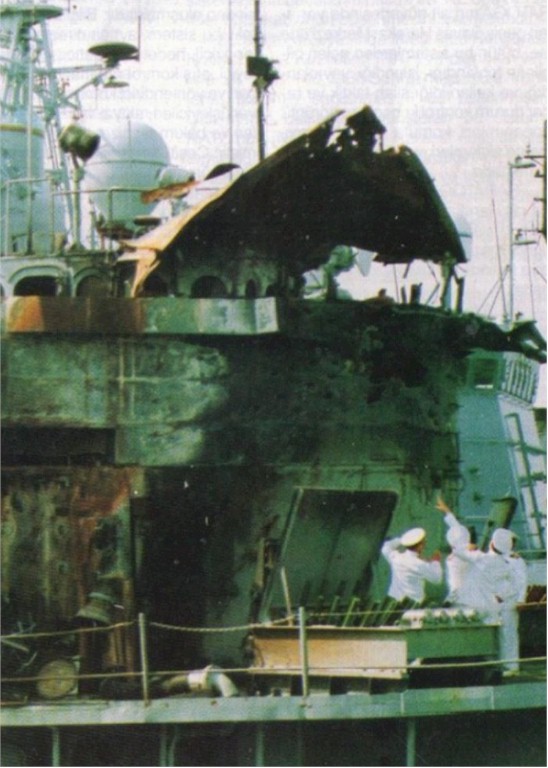
| 96k | Undated, location unknown. | Yucel M.Umar, CPO (Ret.) Turkish Navy | |
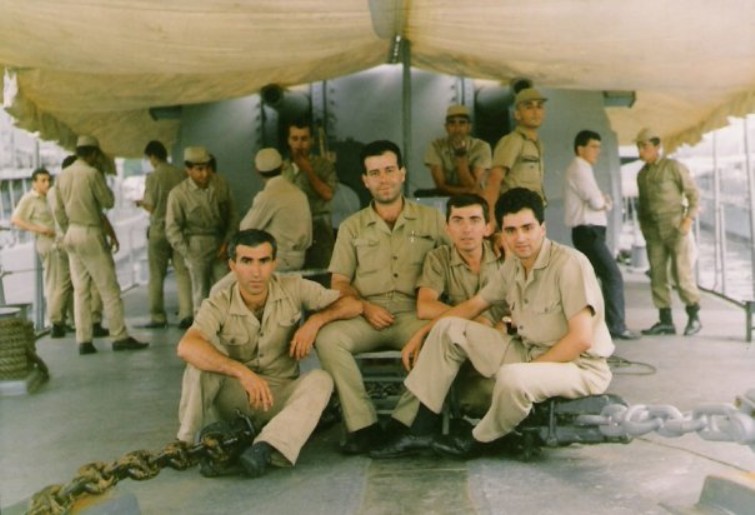
| 79k | Undated, location unknown. | Yucel M.Umar, CPO (Ret.) Turkish Navy | |
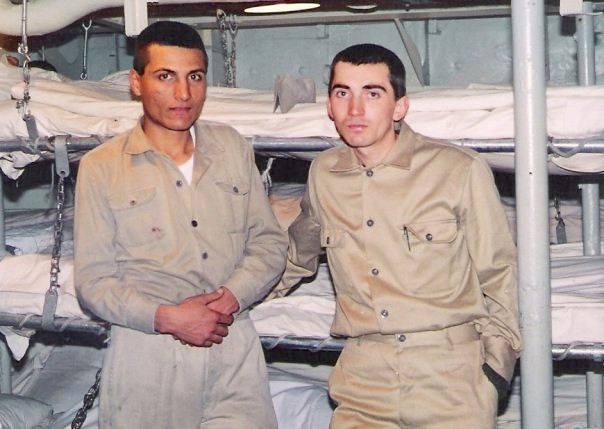
| 65k | Undated, location unknown. | Yucel M.Umar, CPO (Ret.) Turkish Navy | |
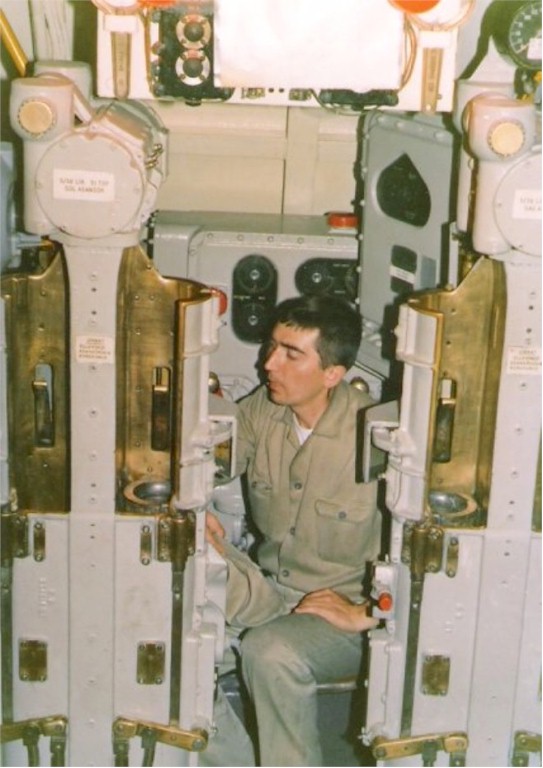
| 90k | Undated, location unknown. | Yucel M.Umar, CPO (Ret.) Turkish Navy | |
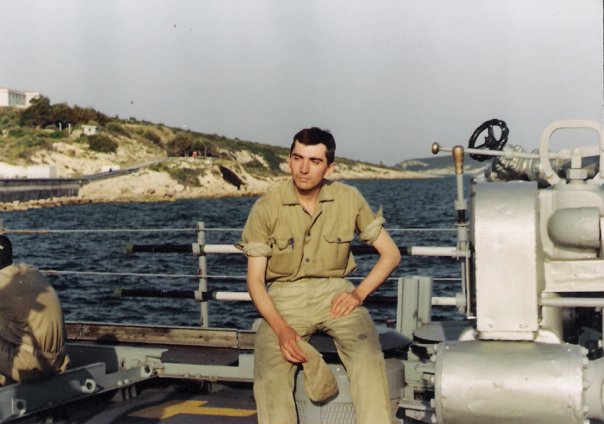
| 49k | Undated, location unknown. | Yucel M.Umar, CPO (Ret.) Turkish Navy | |
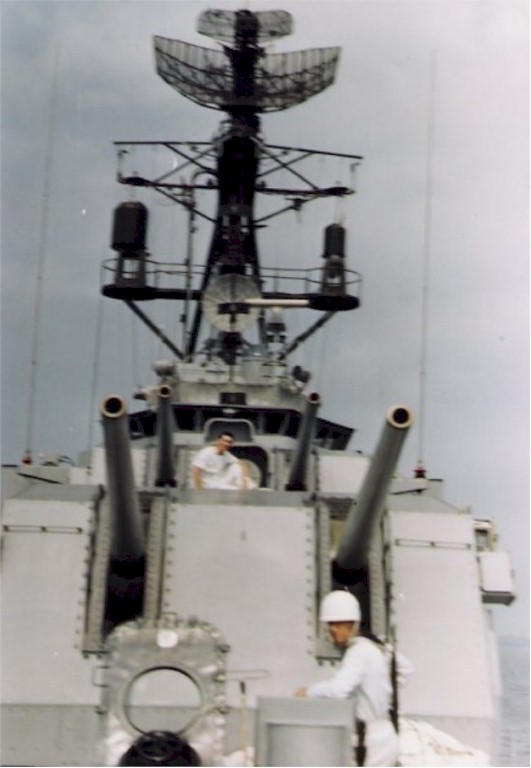
| 64k | Undated, location unknown. | Yucel M.Umar, CPO (Ret.) Turkish Navy | |
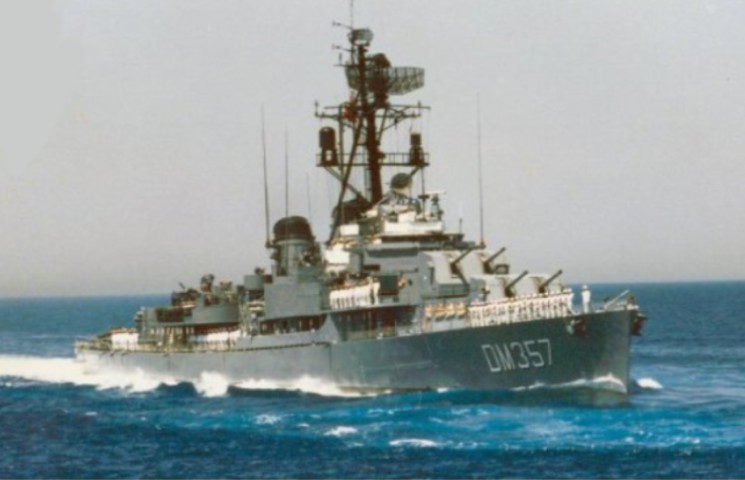
| 53k | Undated, location unknown. | Yucel M.Umar, CPO (Ret.) Turkish Navy | |
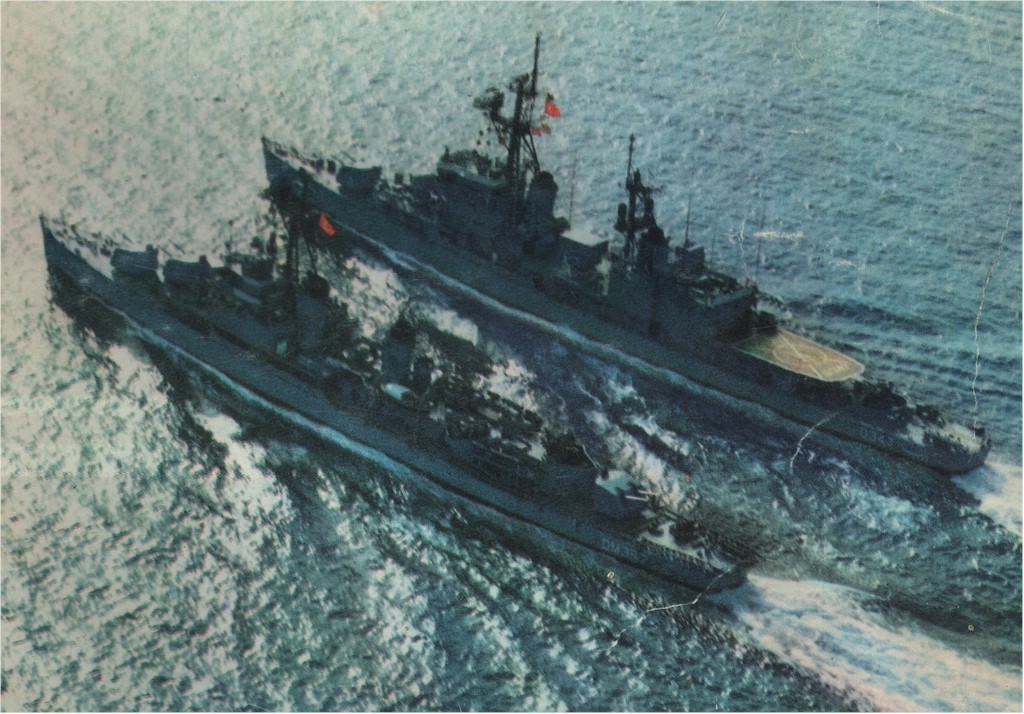
| 221k | Undated, location unknown. | Cüneyt Demir | |
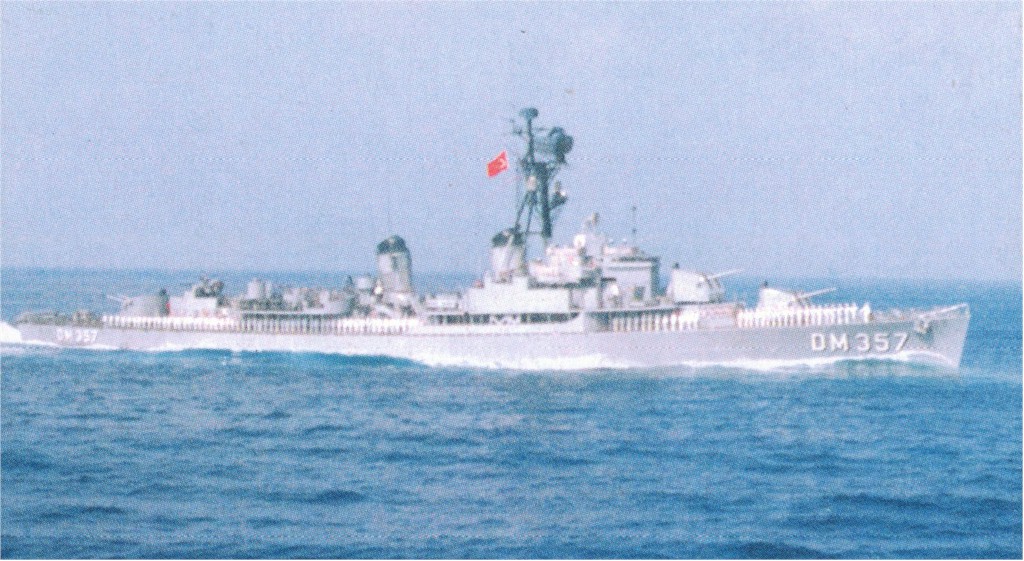
| 197k | Undated, location unknown. | Cüneyt Demir | |
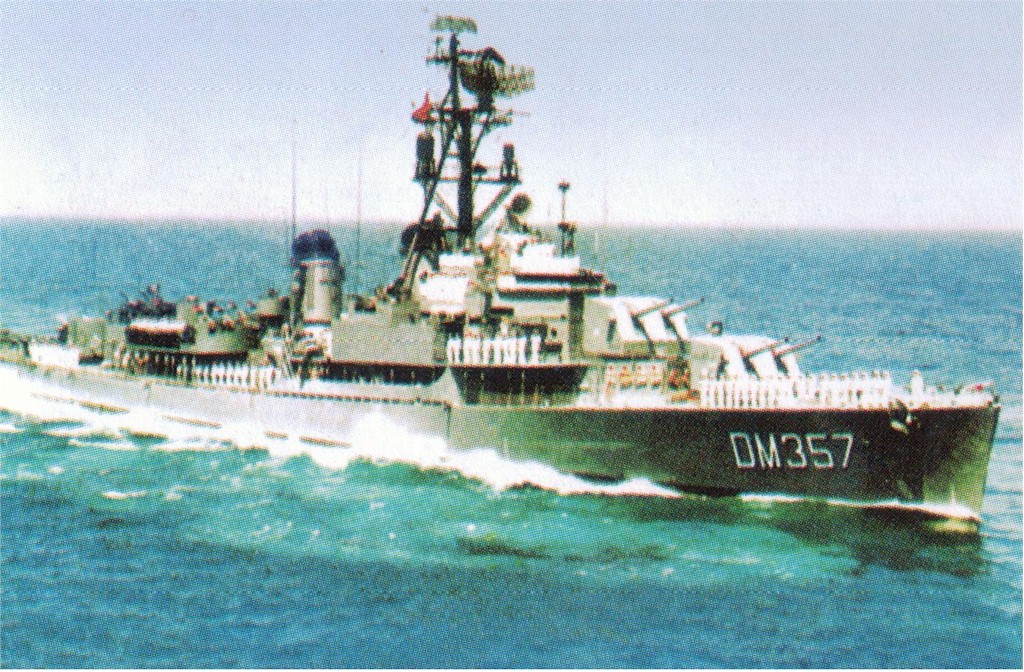
| 281k | Undated, location unknown. | Cüneyt Demir | |
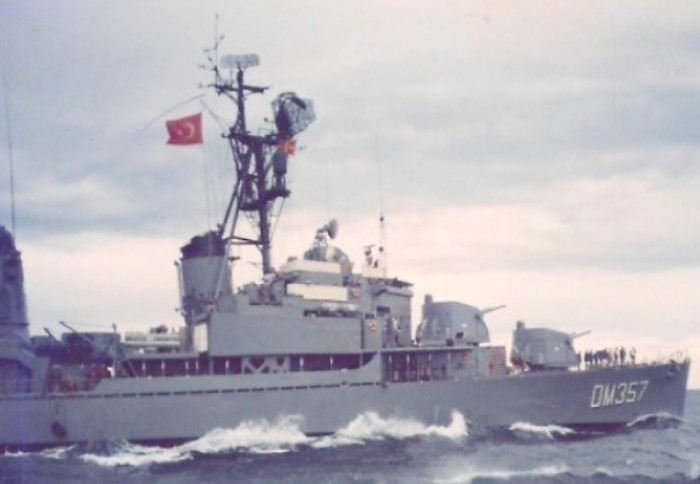
| 47k | Undated, location unknown. From the collection of CPO Erdem (Ret.). | Yucel M.Umar, CPO (Ret.) Turkish Navy | |
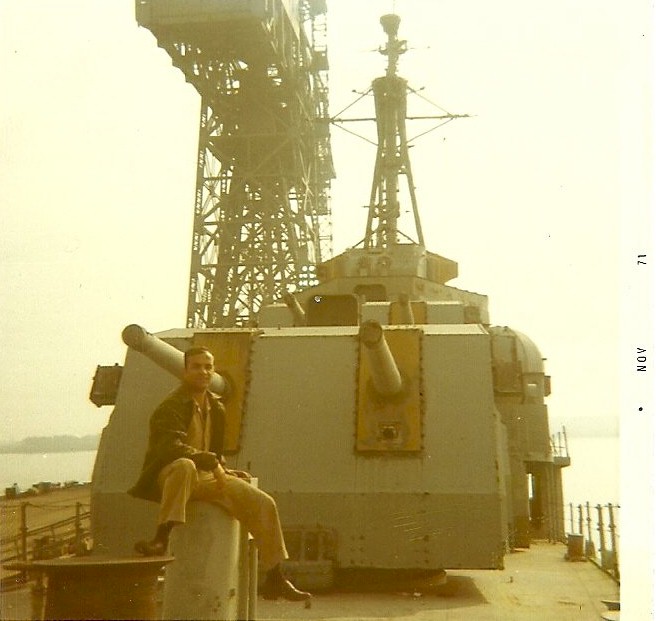
| 73k | At Philadelphia Navy Yard in November 1971. | Yucel M.Umar, CPO (Ret.) Turkish Navy | |
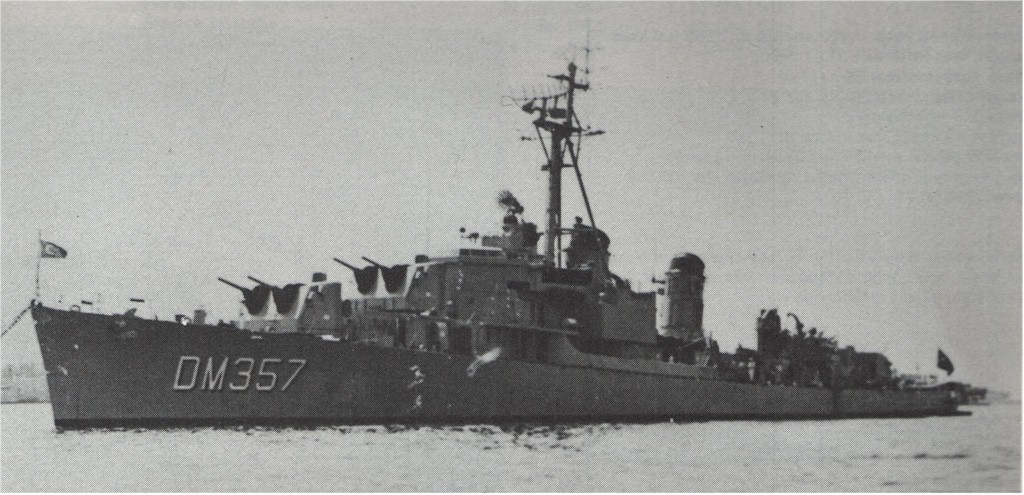
| 147k | Circa 1973-1974, location unknown. | Cüneyt Demir | |
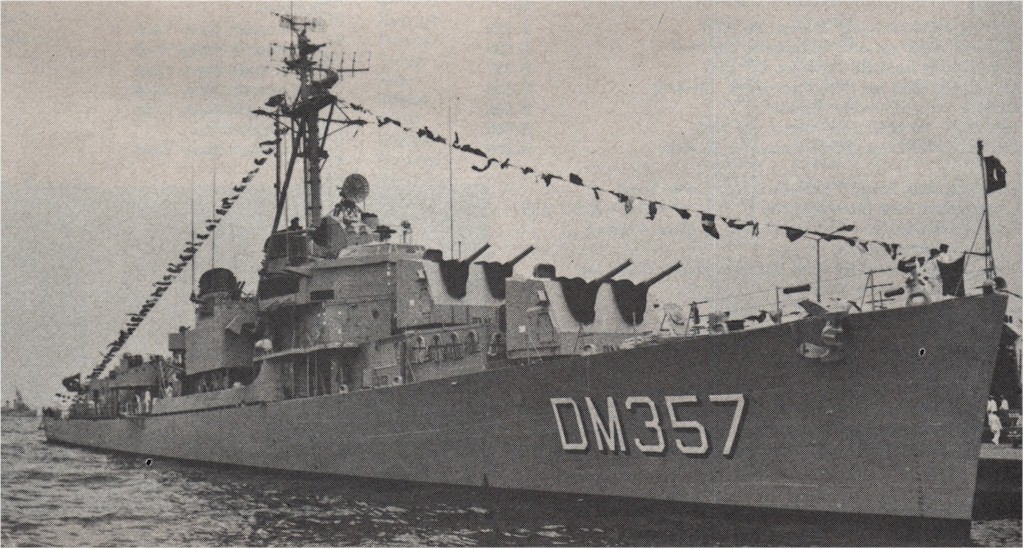
| 201k | Circa 1973-1974, location unknown. | Cüneyt Demir | |
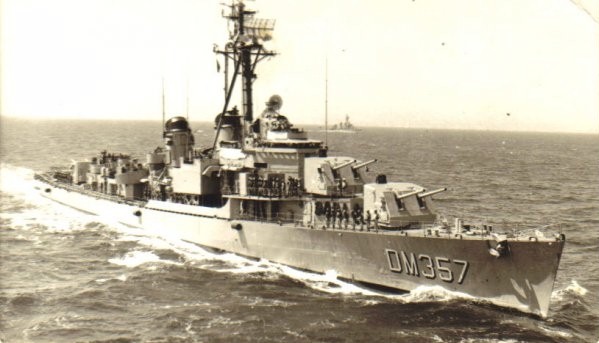
| 50k | Circa late 1970's, location unknown. | Cüneyt Demir | |
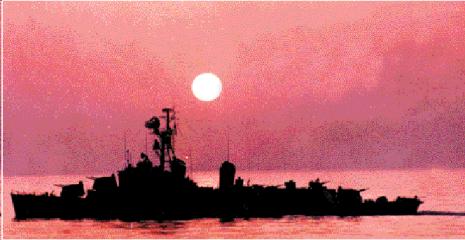
| 19k | Circa 1980's, location unknown. | Cüneyt Demir | |
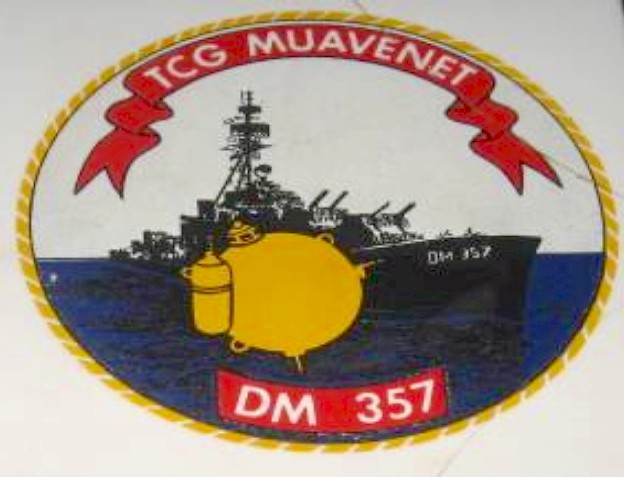
| 56k | Ship's patch. | Yucel M.Umar, CPO (Ret.) Turkish Navy | |
| Click here to see our Special Feature - Interior Views of Sumner Class Destroyers as Built | ||||
CDR Frederick Samuel Steinke    Aug 30 1944 - Sep 23 1945
As DM-33
CDR Elmer Cecil Long    Sep 23 1945 - Sep 3 1946
CDR Ray Earnest Oliver    Jul 8 1952 - ?
LCDR William Edgar Benbow    ? 1954 - ?
| Back To The Main Photo Index | To The Destroyer Index Page |
