Photographic History of the United States Navy
ARCHIVE
| NavSource Main Page | FAQ | Contact us | Search NavSource |
| |
NavSource Naval History Photographic History of the United States Navy |
DESTROYER ARCHIVE |


| Click On Image For Full Size Image |
Size | Image Description | Contributed By |
|
|---|---|---|---|---|
| Namesake |
||||
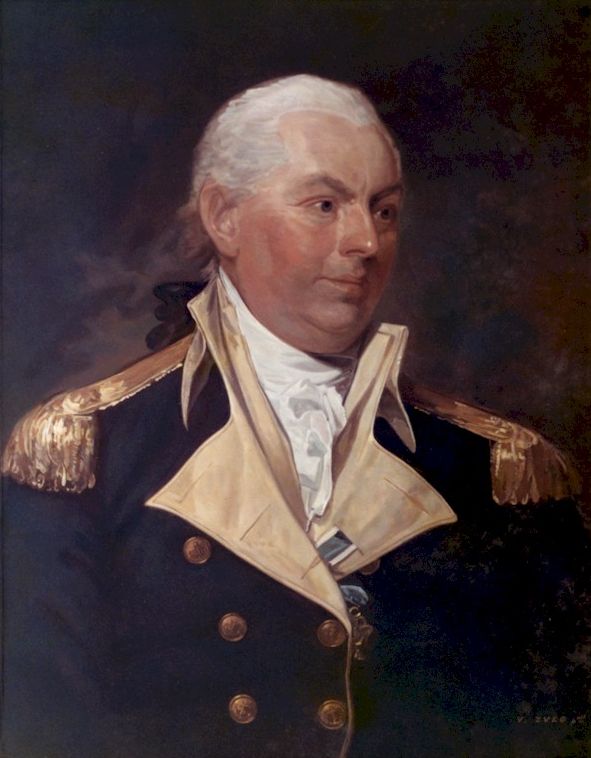 [1] 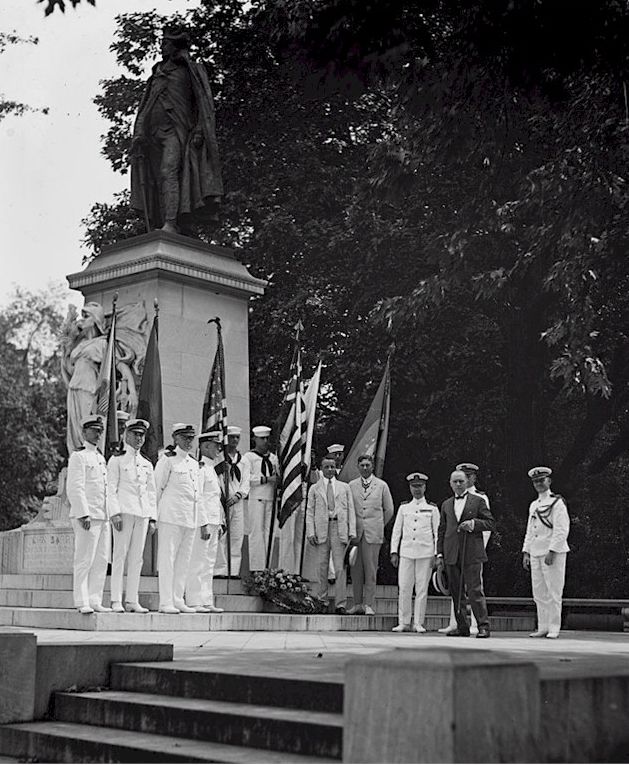 [2] 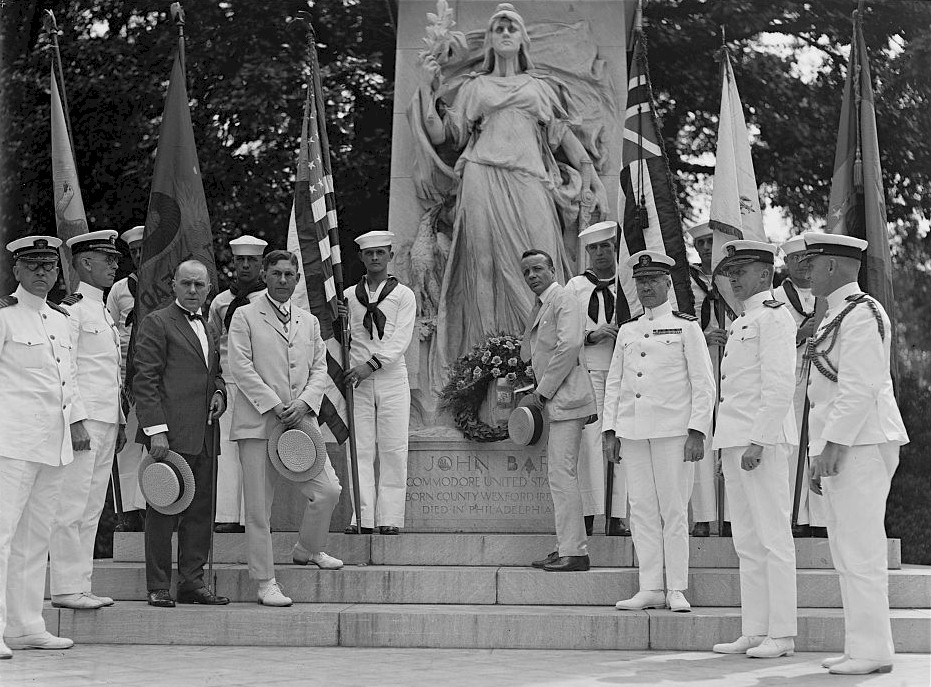 [3] 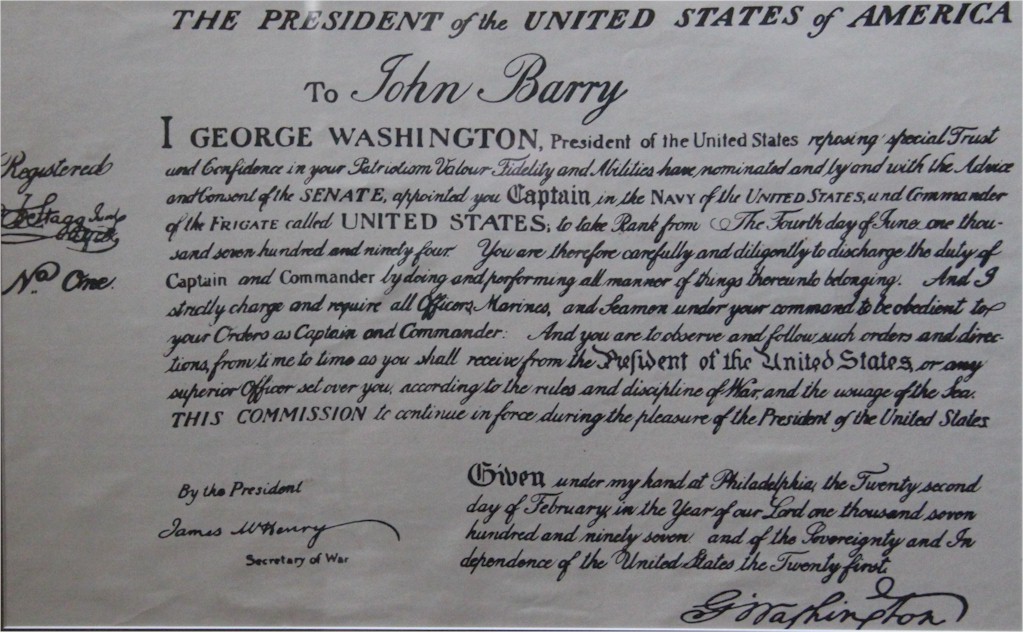 [4] | [1] - 97k [2] - 154k [3] -214k [4] -186k |
John Barry (1745 - 13 September 1803) was an officer in the Continental Navy during the American Revolutionary War and later in the United States Navy. Barry was born in Tacumshane, County Wexford, Ireland and appointed a Captain in the Continental Navy 7 December 1775. He commanded Lexington and Alliance. He and his crew of the Alliance fought and won the final naval battle of the American Revolution off the coast of Cape Canaveral on March 10, 1783. He was seriously wounded 29 May 1781 while in command of Alliance during her capture of HMS Atalanta and Trepassey. Barry was successful in suppressing three mutinies during his career as an officer in the Continental Navy. Appointed senior captain upon the establishment of the U.S. Navy, he commanded the frigate United States in the Quasi-War with France. Barry authored a Signal Book published in 1780 to improve communications at sea among vessels traveling in formation. Barry also suggested the creation of a Department of the Navy with separate cabinet status from the Secretary of War. This was finally realized with the formation of the United States Department of the Navy in 1798. Barry's suggestions about establishing government-operated navy yards were also realized, and in particular he had a hand in the establishment of the Brooklyn Navy Yard. His 17-year span of national service and his training of so many of the heroes of the War of 1812 under Barry's tutelage earned him the sobriquet, "Father of the Navy." Barry, having recruited a company of volunteers for land service, took part in the Trenton campaign in December 1776. These volunteers and the marines cooperating with them were commended by General George Washington. Barry acted as an aide to General John Cadwalader, and was sent on several occasions as a bearer of important dispatches. His next duty was assisting in the defense of Philadelphia and operations in the upper Delaware River. When the British took possession of Philadelphia in September 1777, Captain Barry was ordered to take the uncompleted Continental frigate Effingham up the Delaware River to a place of safety. In October, the ship was ordered sunk or burned. She was sunk on 2 November, near Bordentown, New Jersey, to deny her use to the British. Commodore Barry died at Strawberry Hill, in present-day Philadelphia on 13 September 1803, and was buried there in St. Mary's Cemetery. [1] Photo #: NH 76537-KN Commodore John Barry, USN painting by V. Zveg, 1972, after the portrait by Gilbert Stuart. U.S. Naval Historical Center Photograph. [2 & 3] Members of the United States Navy and dignitaries gather at Commodore John Barry’s monument in Philadelphia for the 185th anniversary honoring the birth of the Sons of Revolution on August 2 1924. The monument was unveiled in 1914. [2] Digital ID: npcc 11902, Library of Congress Prints and Photographs Division. [3] Digital ID: npcc 11901, Library of Congress Prints and Photographs. (4) Barry's Commission as Captain signed by President Washington. | Bill Gonyo/Robert Hurst/Phil Gilson | |
| USS Barry (DD-933) |
||||
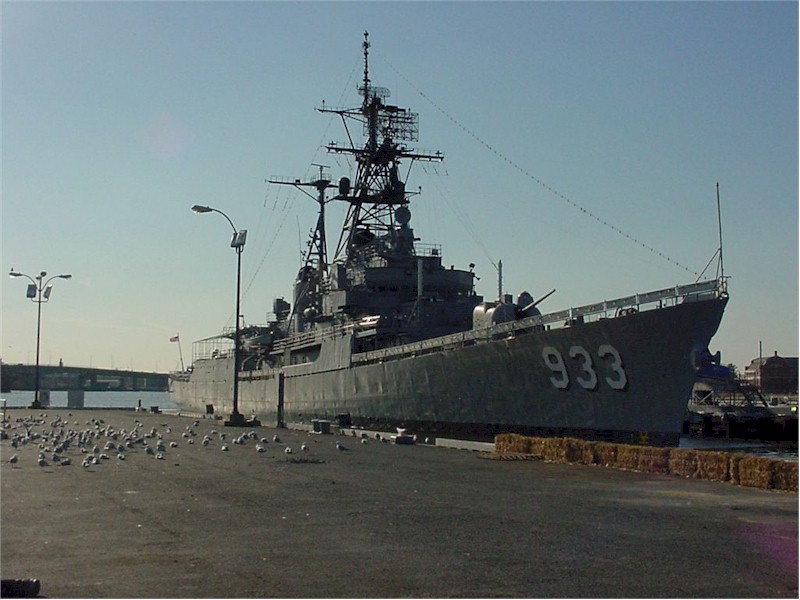
| 102k | Undated, location unknown. | Wendell R McLaughlin Jr | |
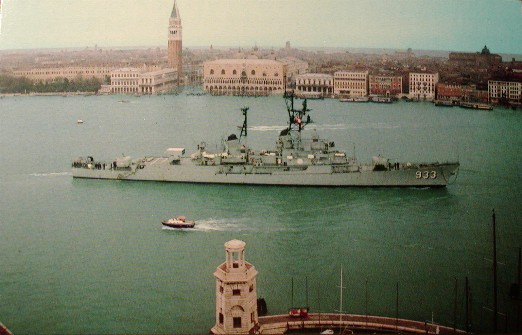
| 53k | Undated postcard Copyright © Marine Photos, San Diego, CA. | Mike Smolinski | |
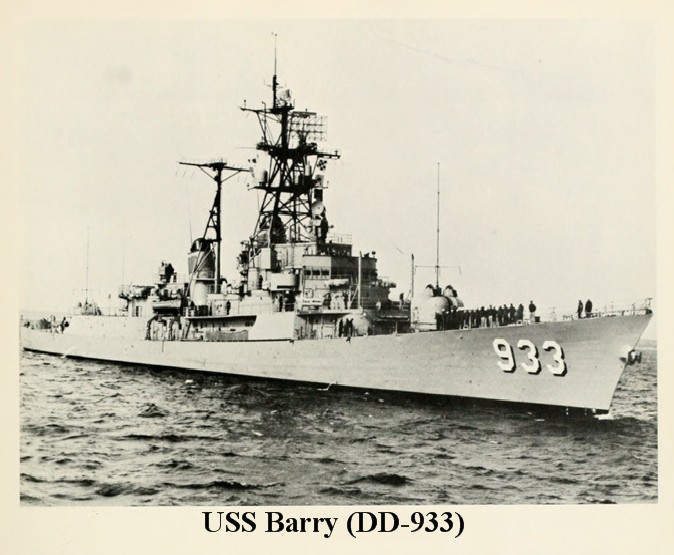
| 95k | Undated, location unknown. | Bill Gonyo | |
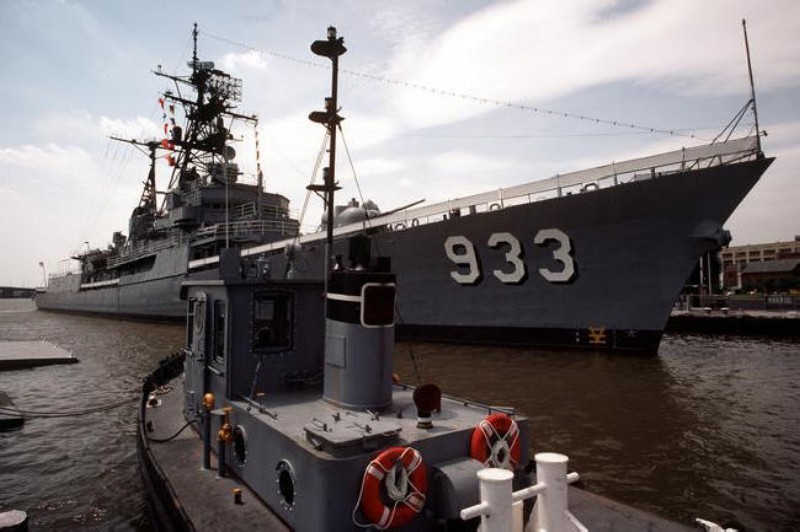
| 89k | Undated, location unknown. Three views of the USS Barry (DD-933) tied up pierside. Photographs possibly taken while at her permanent moorings as museum ship at the Washington Navy Yard, Washington, D.C. The tug opposite is USS YTL-710. | Robert Hurst | |
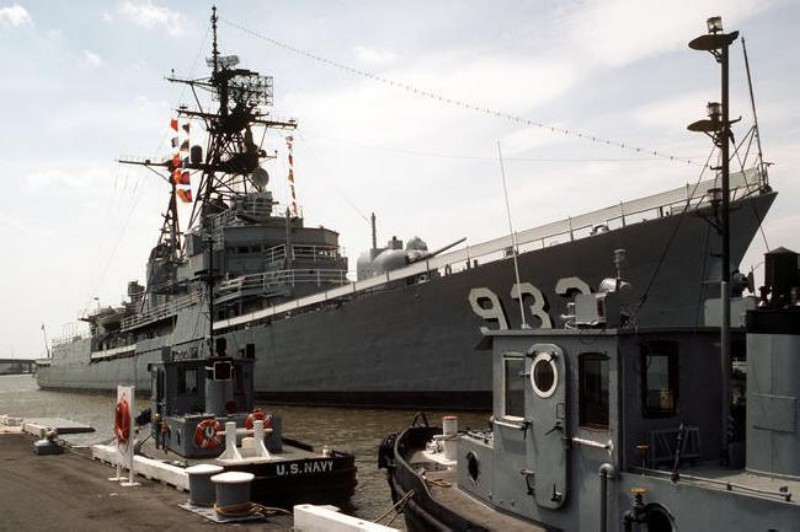
| 90k | As above. | Robert Hurst | |
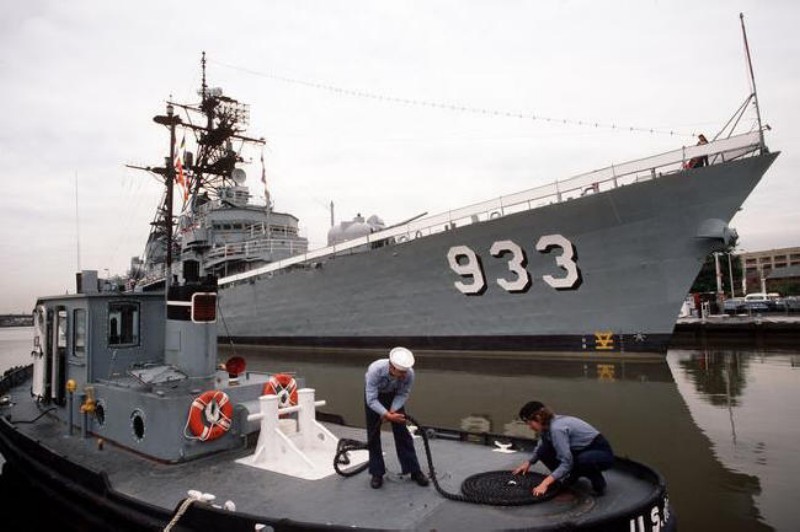
| 81k | As above. | Robert Hurst | |
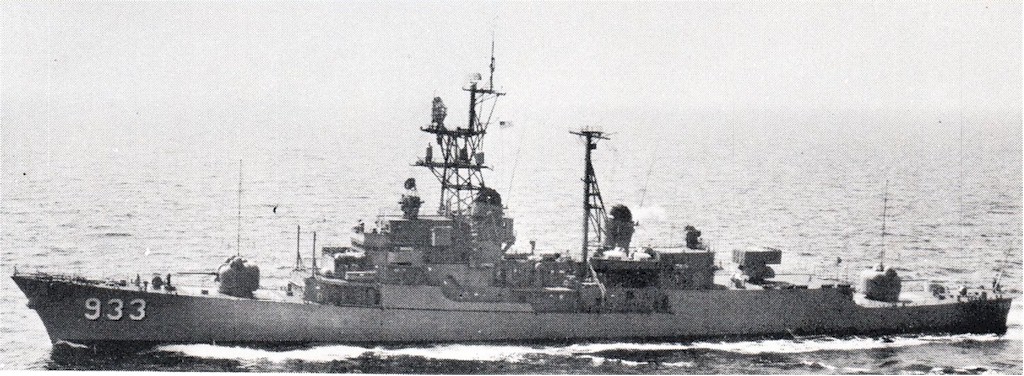
| 147k | USS Barry (DD-933) at sea after completion of her conversion to ASW configuration, location unknown. United States Navy, Official. | Robert Hurst | |
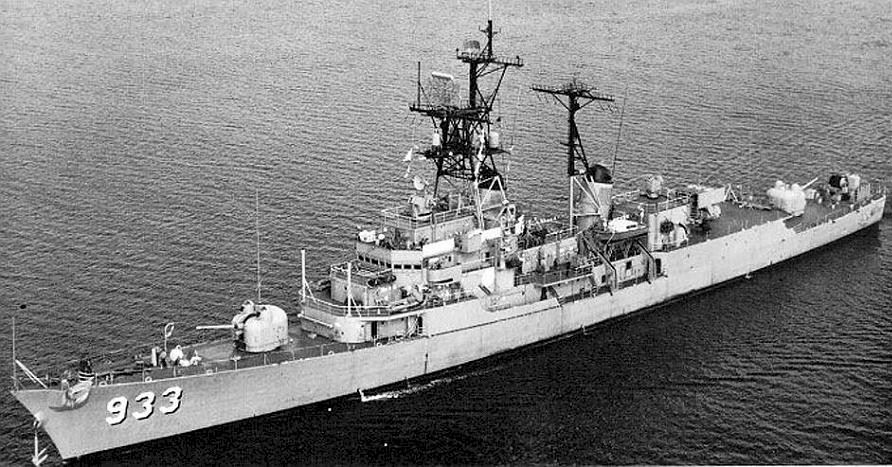
| 161k | Undated, location unknown. | Richard Miller BMCS USNR RET. | |
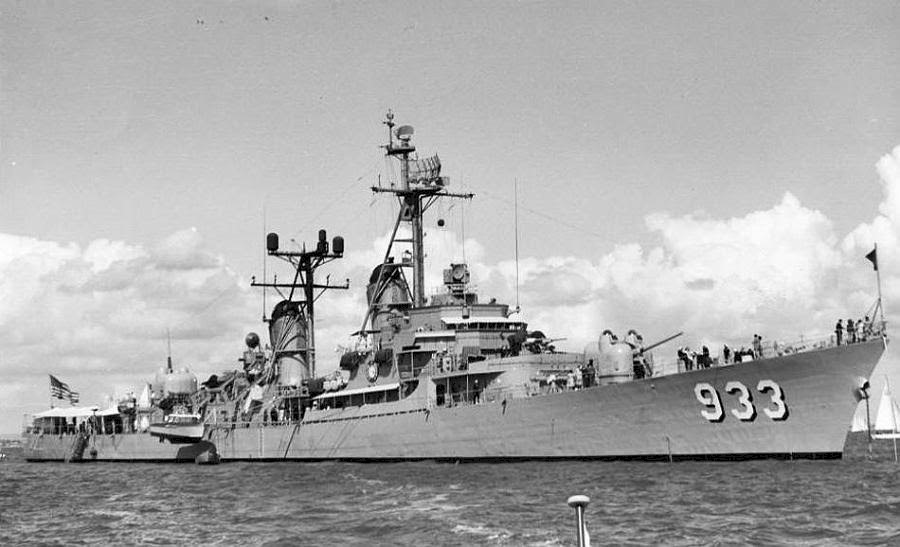
| 94k | Undated, location unknown. | Richard Miller BMCS USNR RET. | |
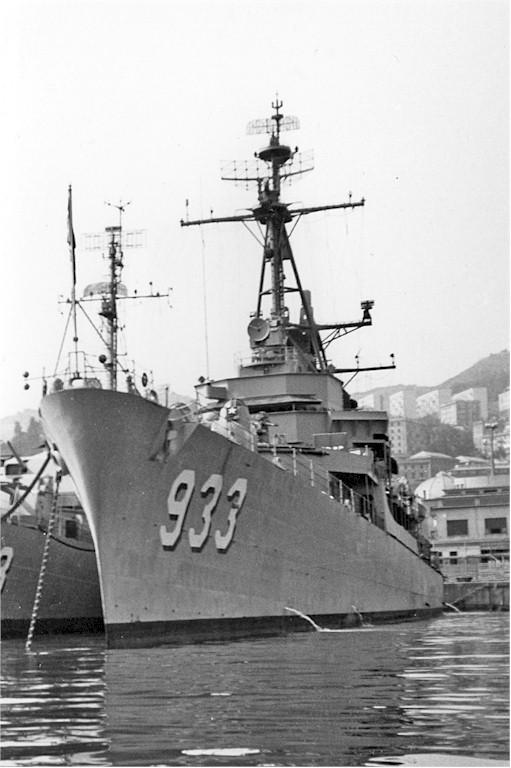
| 91k | USS Barry (DD-933) in Genoa, Italy August 4 1957. | Carlo Martinelli | |
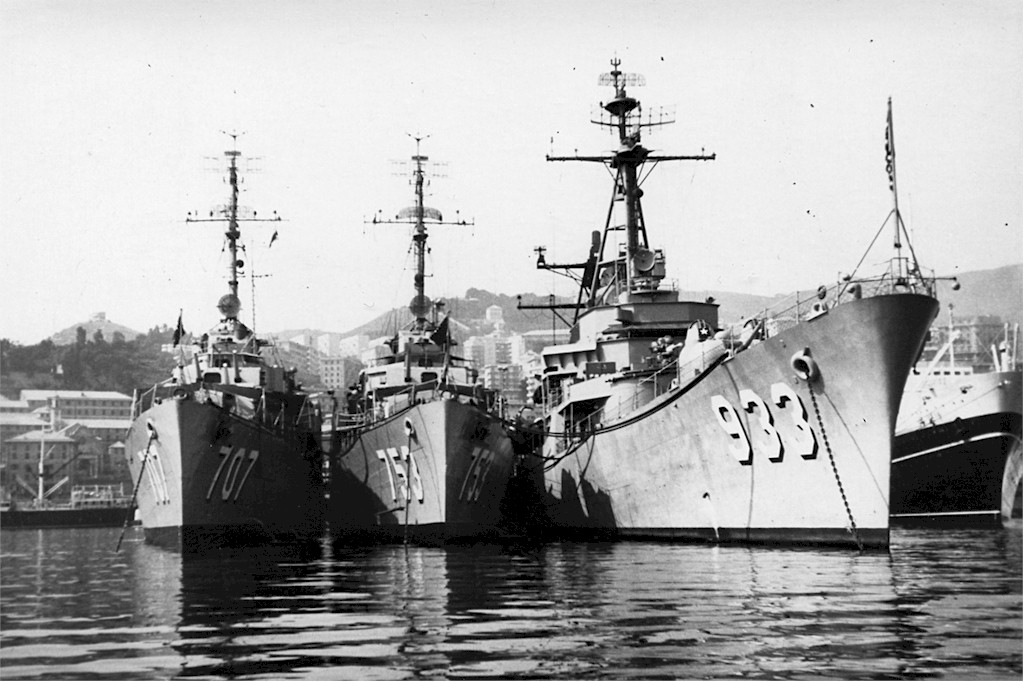
| 168k | USS Soley (DD-707), USS John R. Pierce (DD-753) and USS Barry (DD-933) in Genoa, Italy August 4 1957. | Carlo Martinelli | |
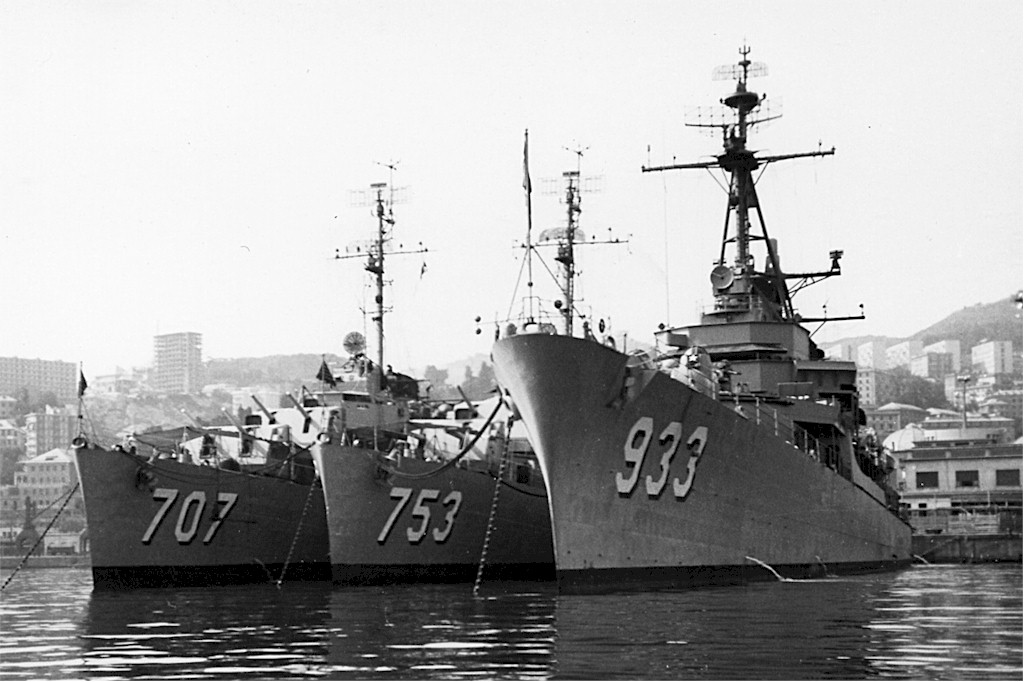
| 149k | As above. | Carlo Martinelli | |
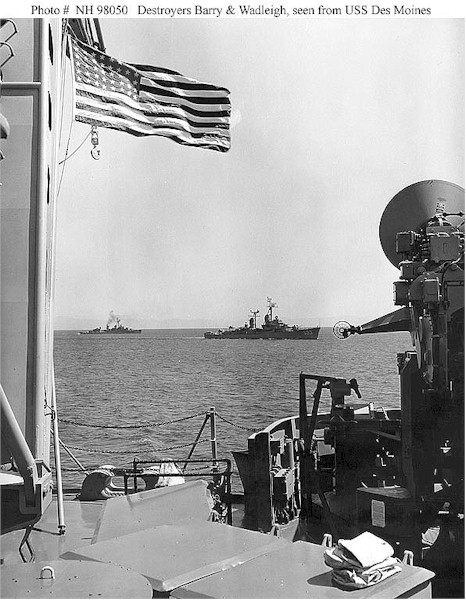
| 92k | USS Barry (DD-933) (center) and USS Wadleigh (DD-689) (left distance) Pass astern of USS Des Moines (CA-134), Sixth Fleet flagship, while the latter was at anchor off Rhodes, Greece, in mid-June 1958. Note fire control radar on one of Des Moines' 3"/50 gun mounts, at right, and the U.S. Ensign flying at top left. Official U.S. Navy Photograph, from the collections of the Naval Historical Center. | Fred Weiss | |
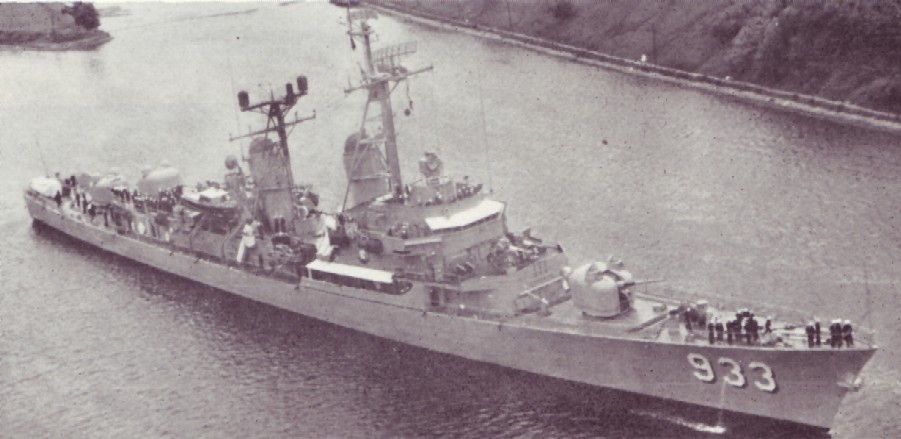
| 87k | Circa 1960 underway in the Kiel Canal, circa 1960. Photo Erich Groner. Photo from "Jane's Fighting Ships" 1960-1961 edition. | Robert Hurst | |
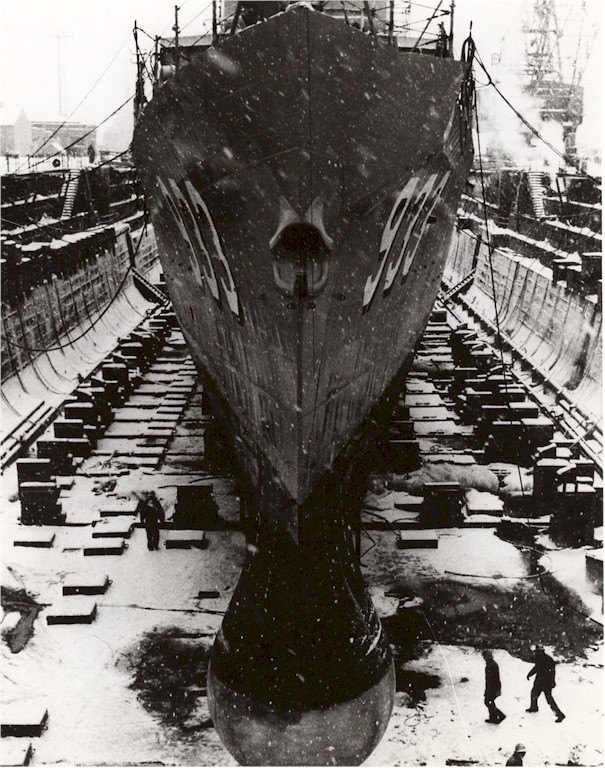
| 170k | Circa 1960 installing a new sonar dome, US Navy photo 1050349. | Ed Zajkowski | |
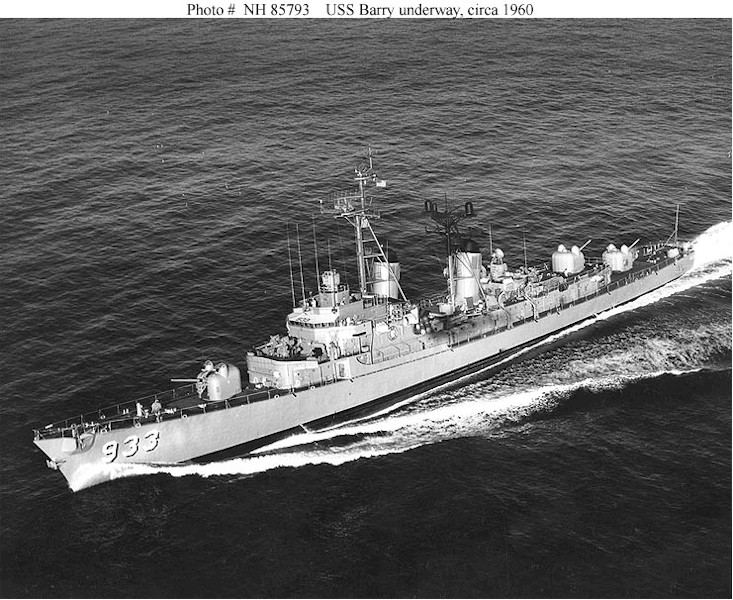
| 159k | USS Barry (DD-933) Underway, circa 1960, after she had been refitted with a bow-mounted sonar. Official U.S. Navy Photograph, from the collections of the Naval Historical Center. | Fred Weiss | |
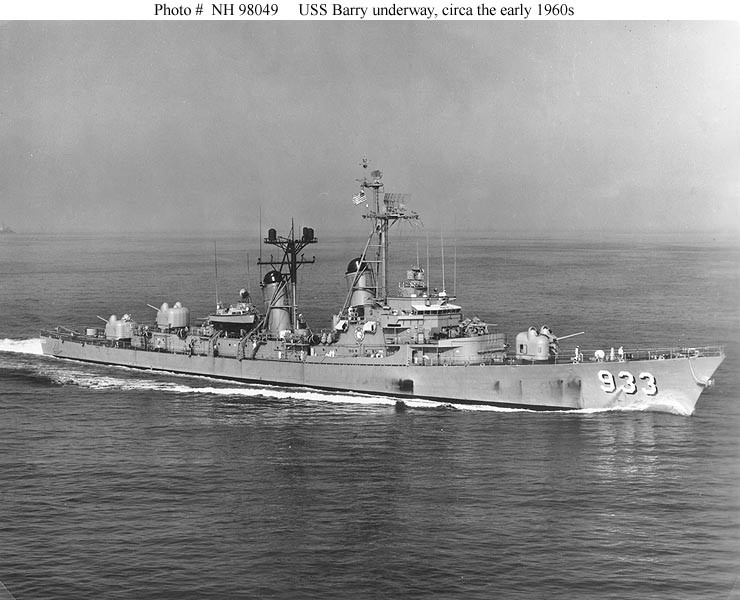
| 103k | USS Barry (DD-933) Underway at sea, circa the early 1960s, after she had been fitted with a bow-mounted sonar. Official U.S. Navy Photograph, from the collections of the Naval Historical Center. | Fred Weiss | |
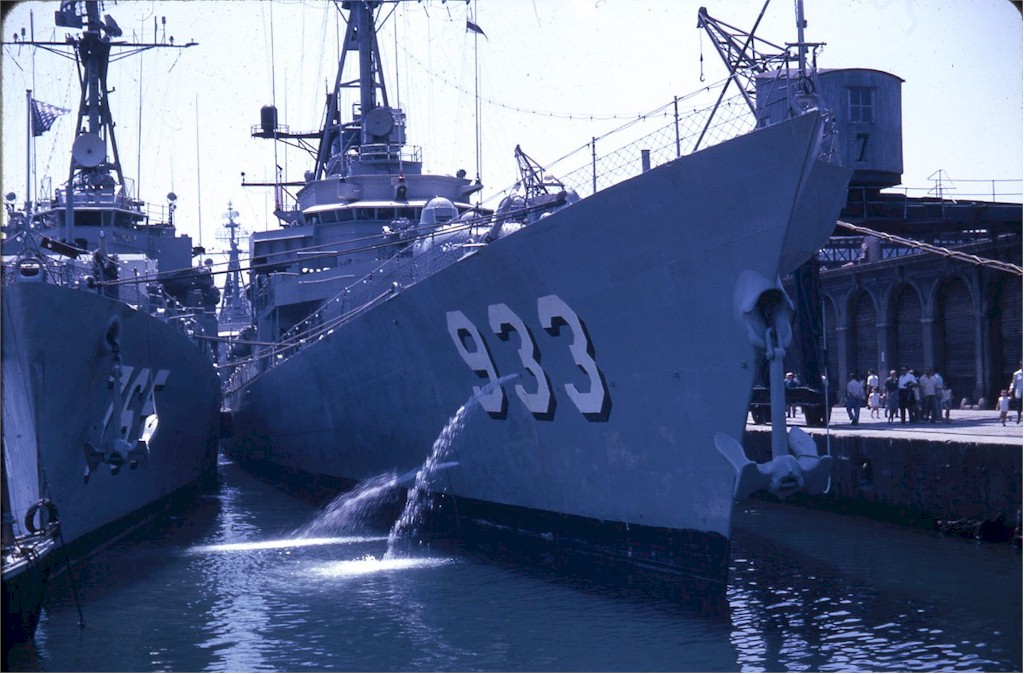
| 173k | USS Barry (DD-933) and USS Keppler (DD-765) in Barcelona, circa the early 1960s. | Jim Buttleman | |
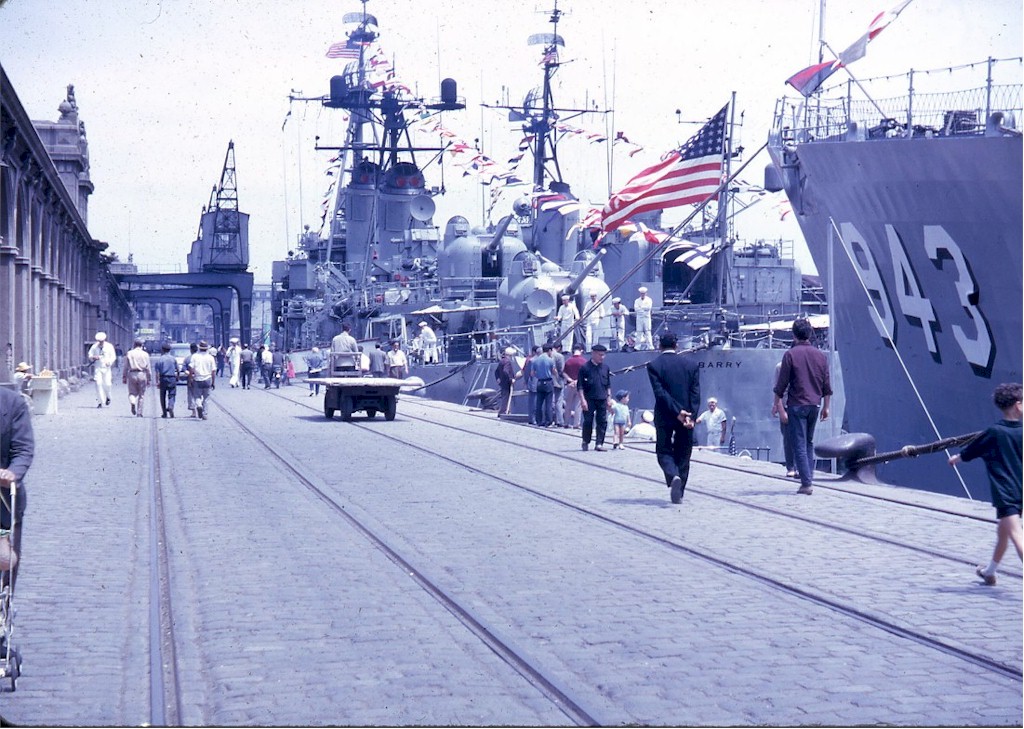
| 228k | USS Barry (DD-933) and USS Blandy (DD-943) in Barcelona, circa the early 1960s. | Jim Buttleman | |
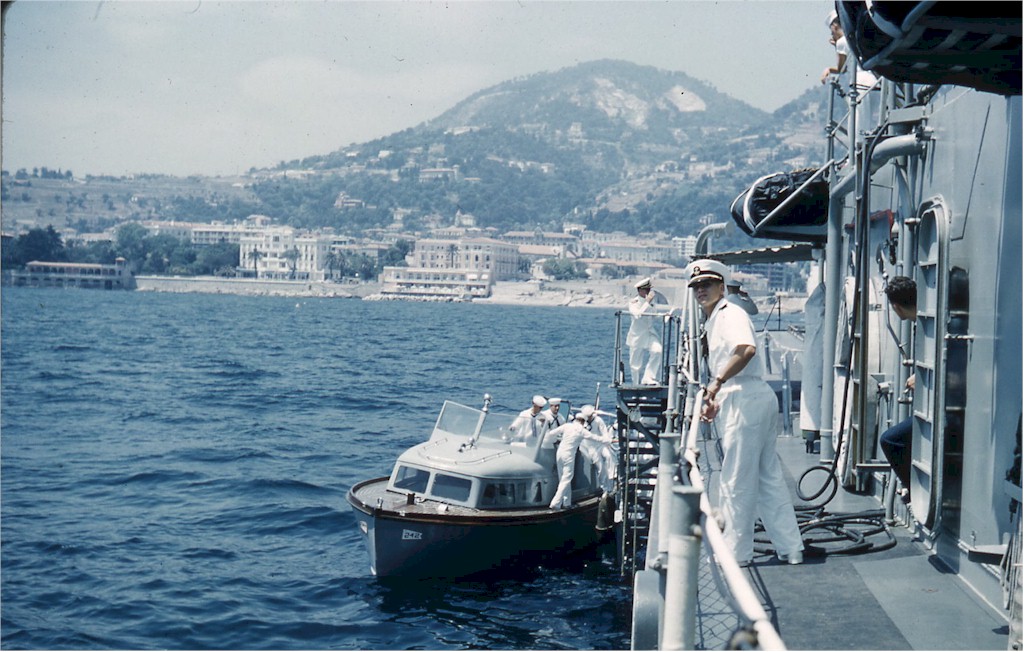
| 188k | During a Med Cruise "DesDiv 242 Arriving", circa 1962-1963. | Jim Buttleman | |
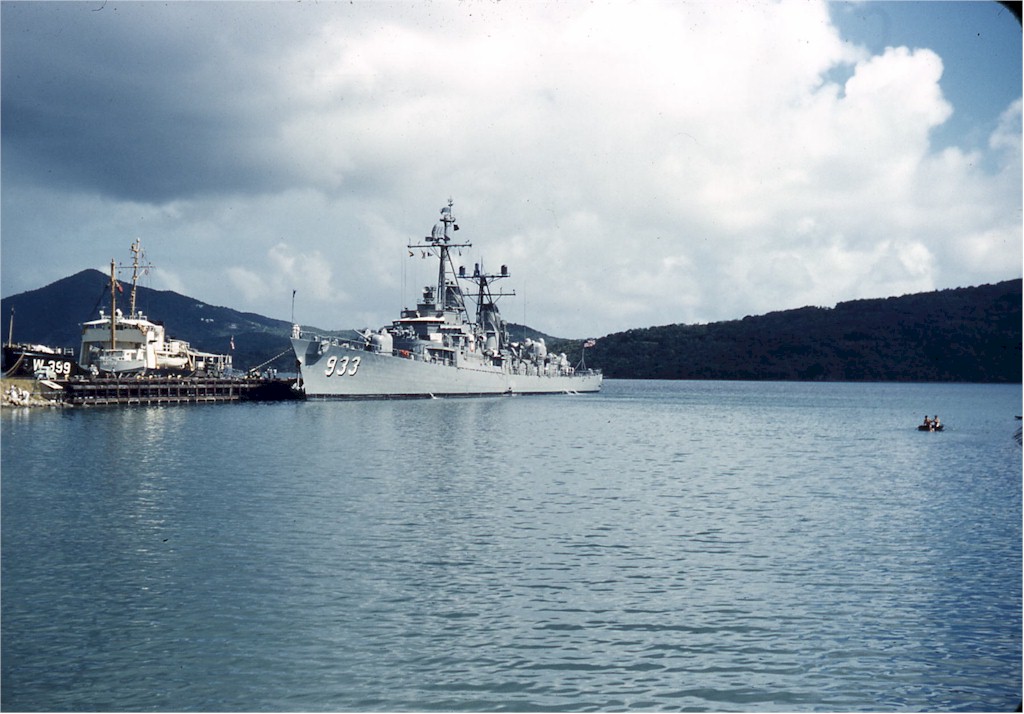
| 161k | During a Med Cruise circa 1962-1963. | Jim Buttleman | |
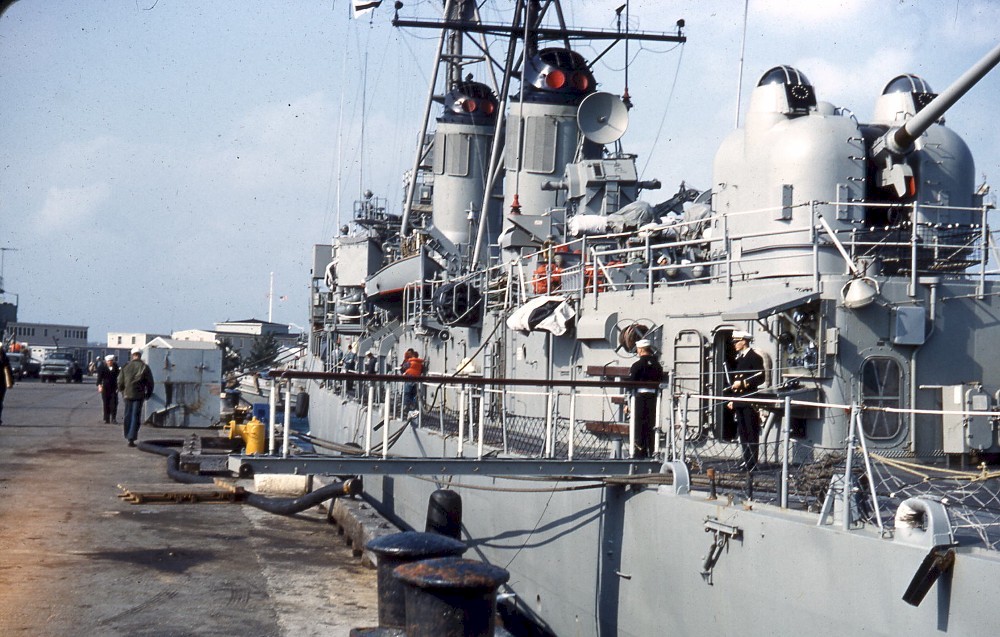
| 208k | As above. | Jim Buttleman | |
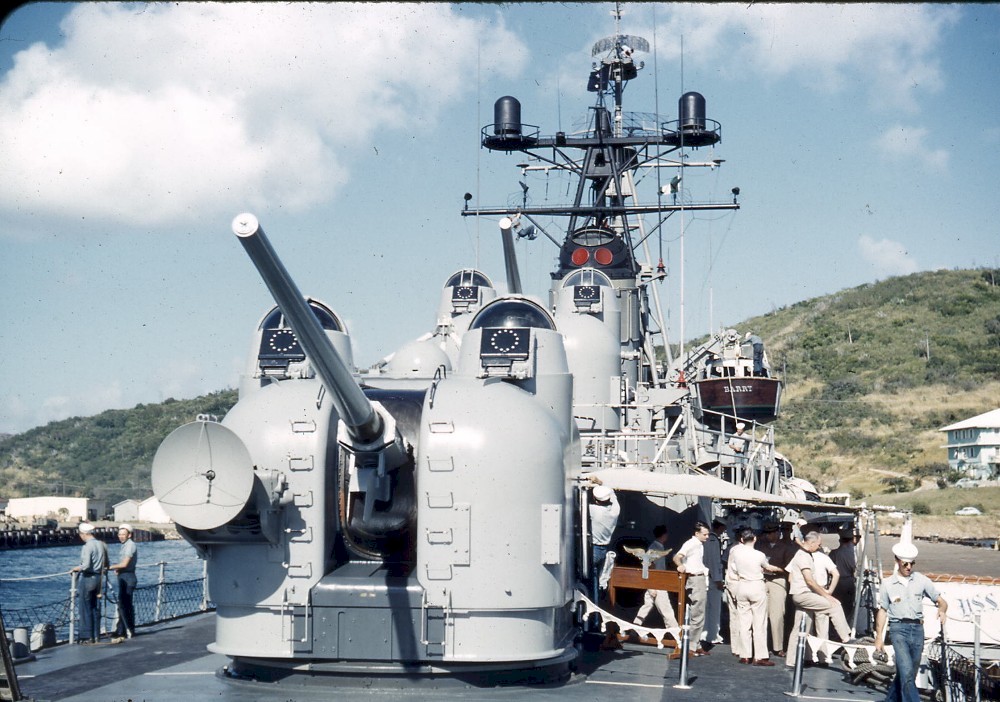
| 196k | As above. | Jim Buttleman | |
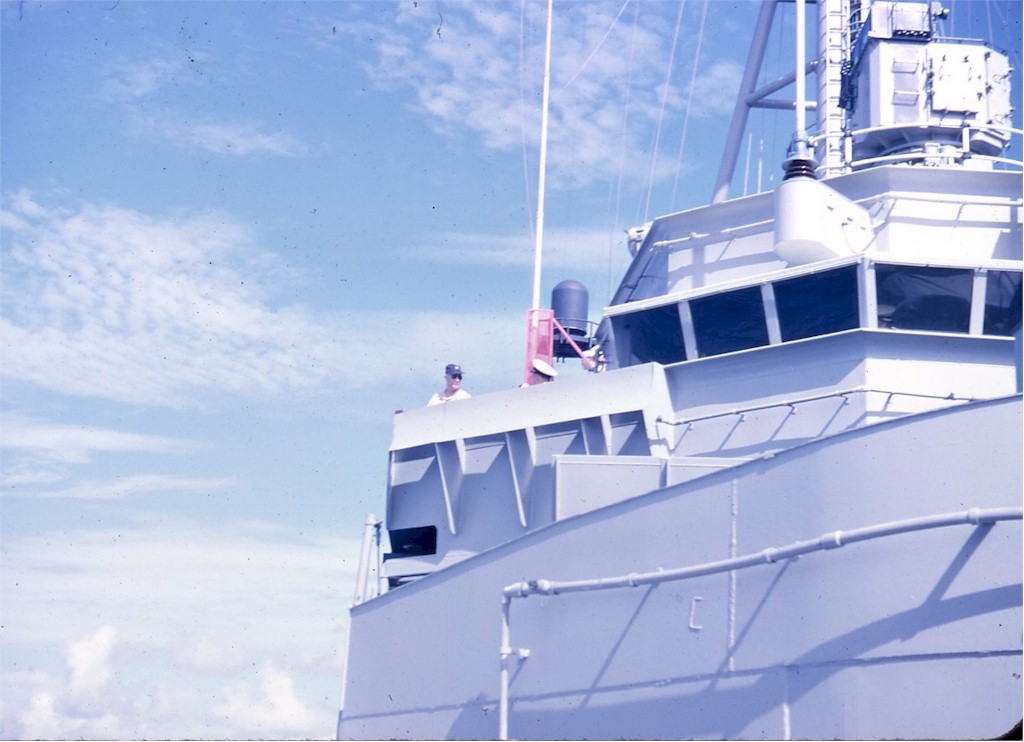
| 136k | As above Captain Ward on the starboard flying bridge. | Jim Buttleman | |
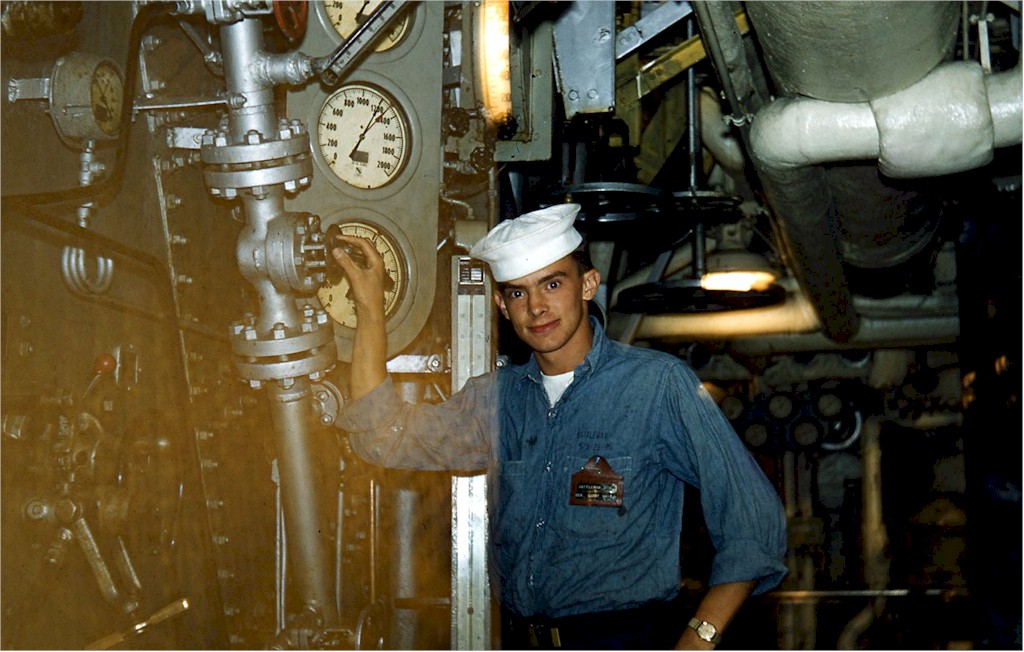
| 171k | As above, Jim standing in front of 1-B boiler, F.F.R. was lit off and had the aux. load. | Jim Buttleman | |
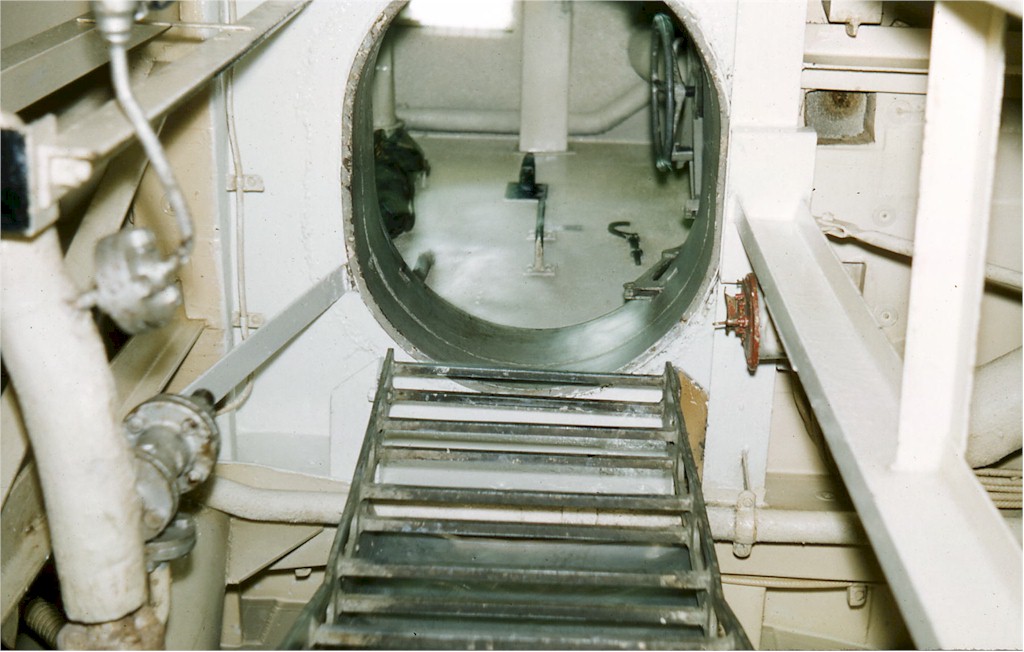
| 145k | As above, main hatch and ladder to the F.F.R. | Jim Buttleman | |
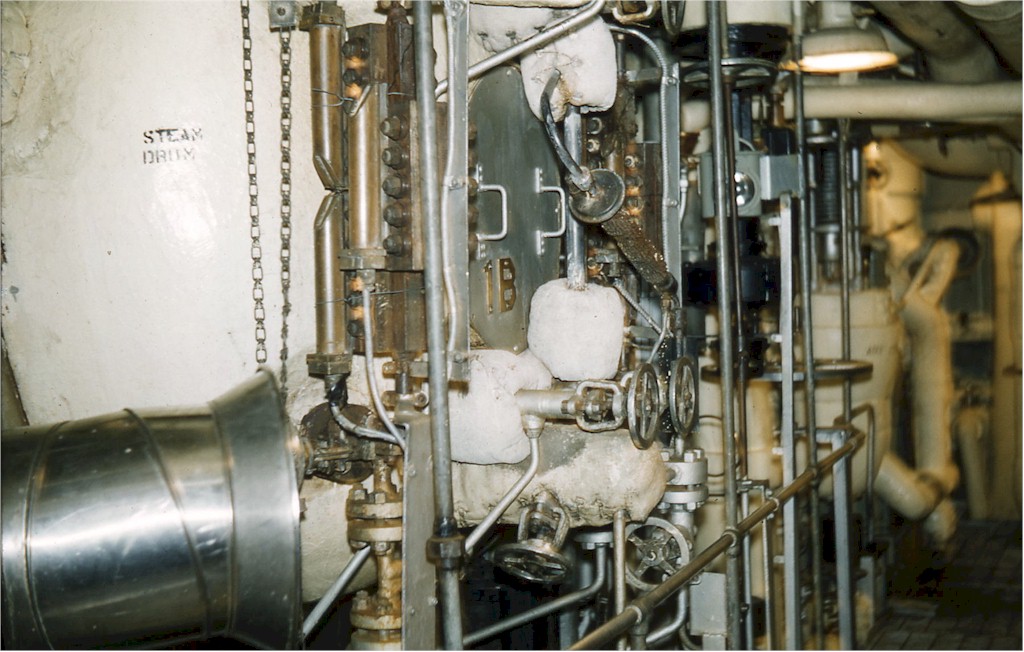
| 173k | As above, Upper level, boiler 1-B F.F.R. | Jim Buttleman | |
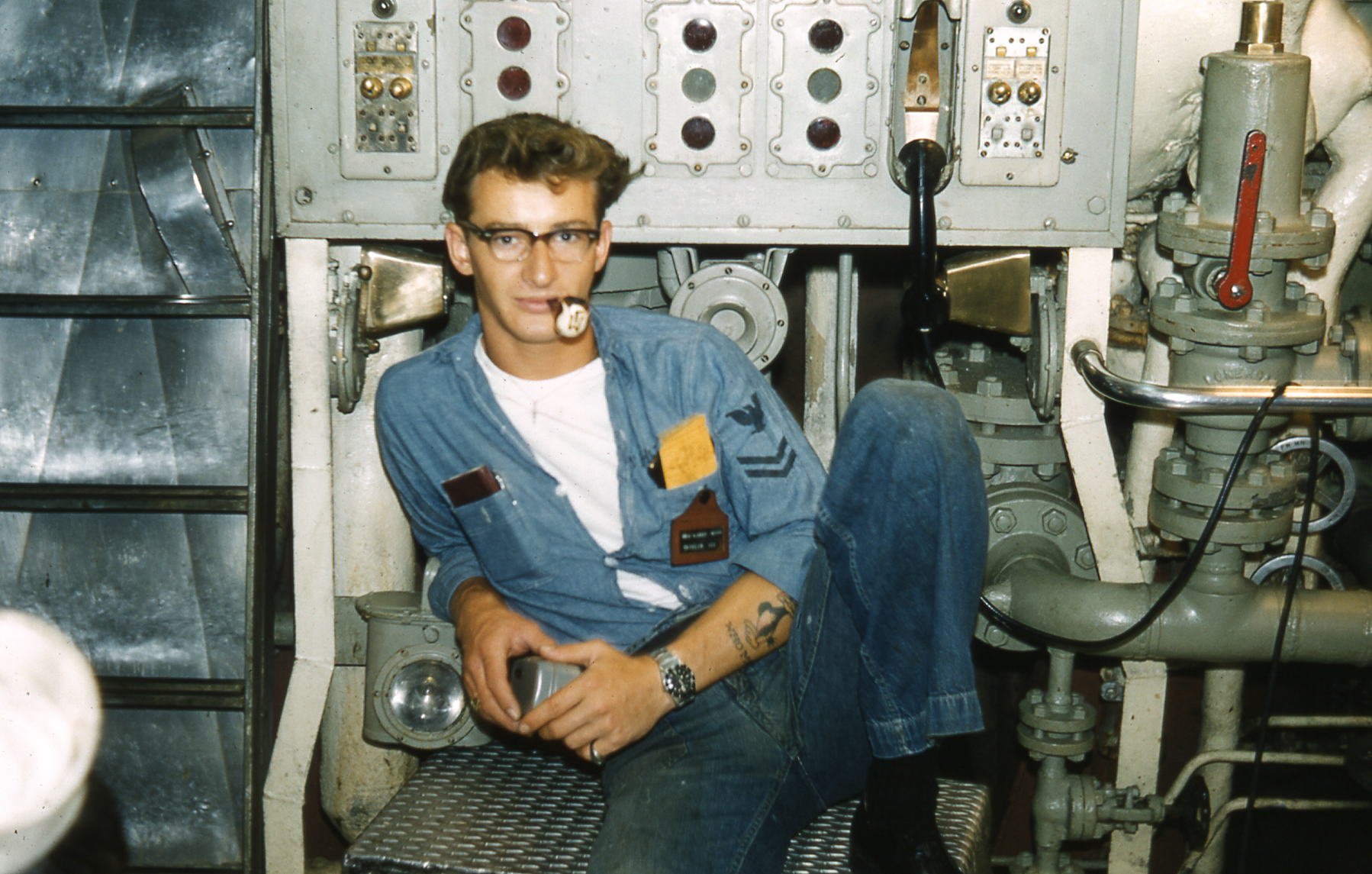
| 273k | As above, Henry Wheeler 2nd class BT F.F.R. | Jim Buttleman | |
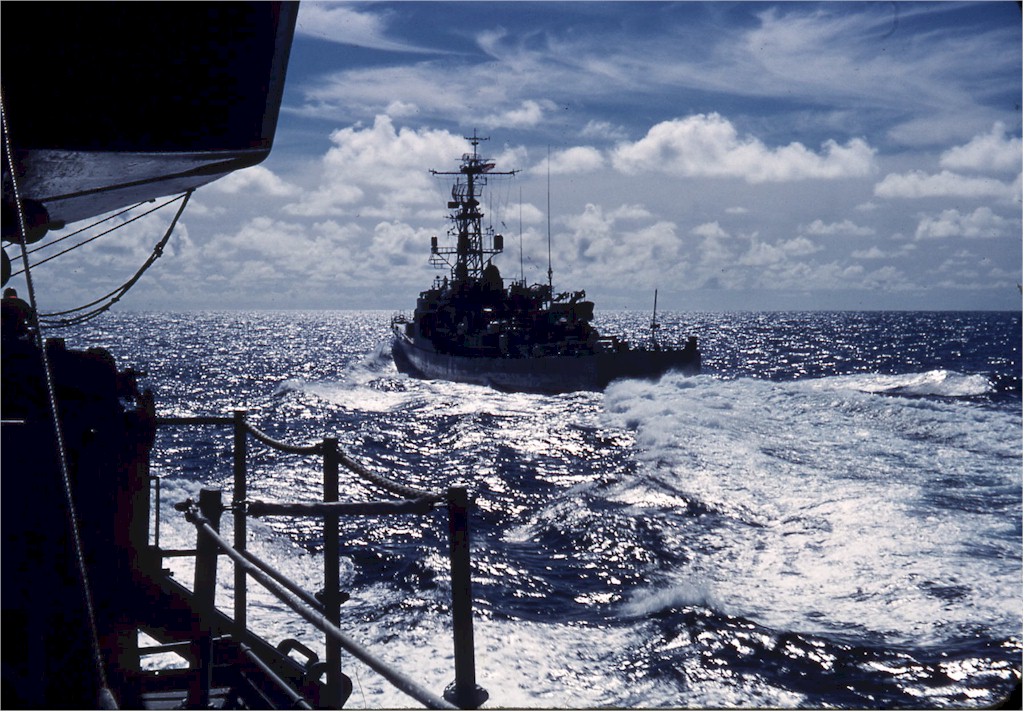
| 242k | As above, beautiful shot of a break-away after refueling. | Jim Buttleman | |
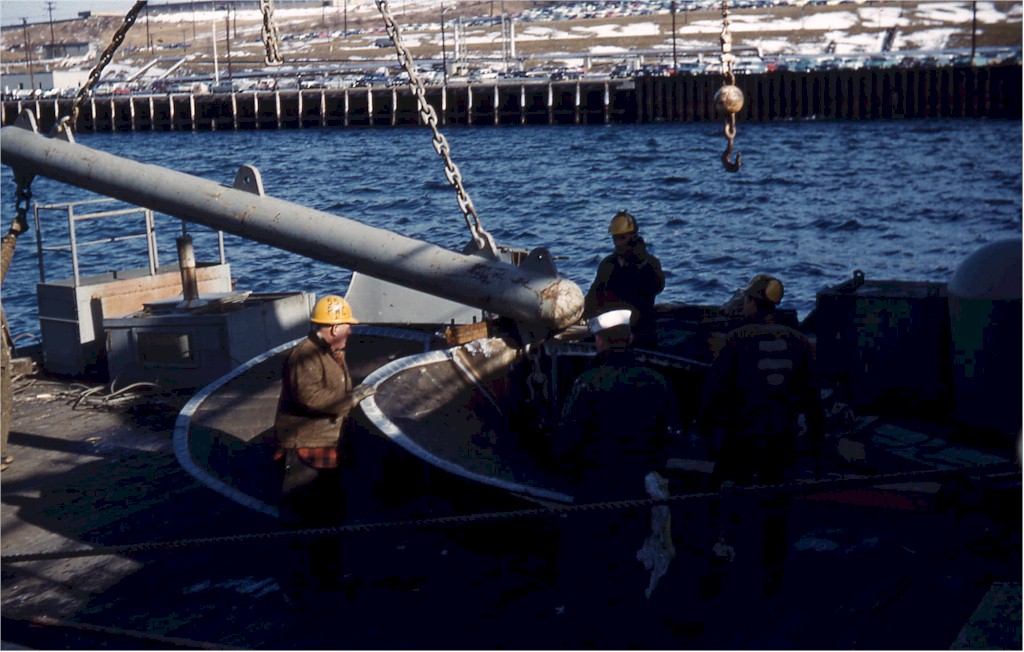
| 166k | As above. | Jim Buttleman | |
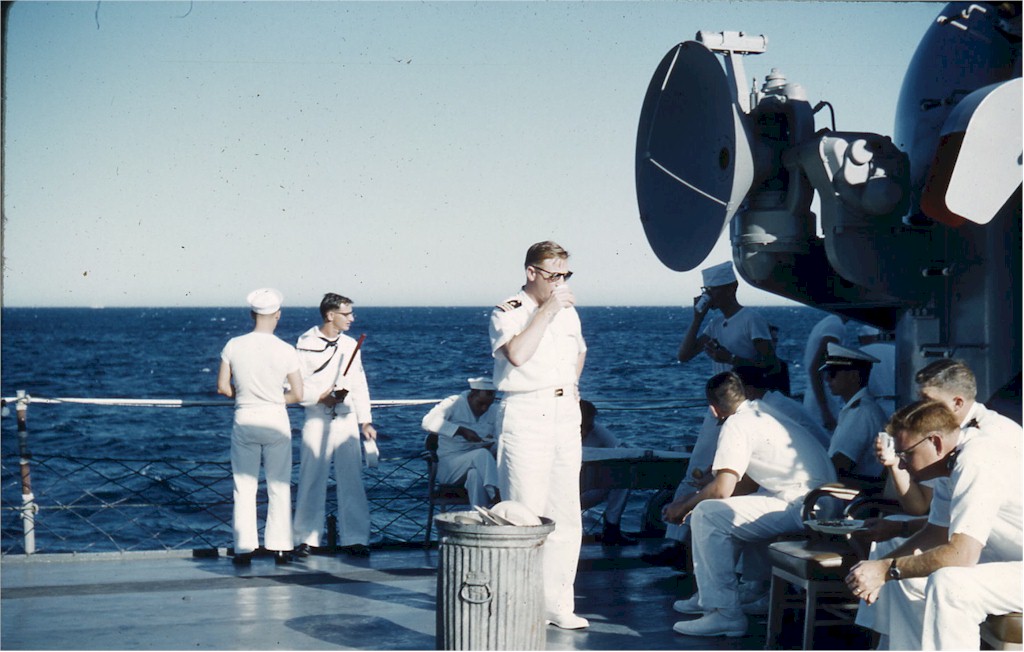
| 148k | As above. | Jim Buttleman | |
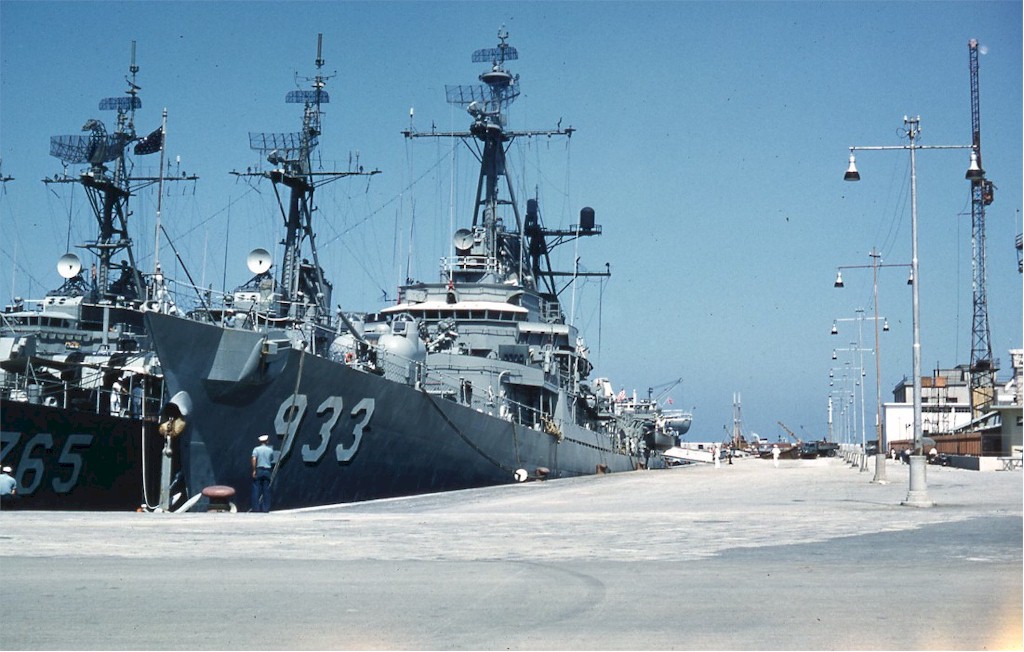
| 171k | As above. | Jim Buttleman | |
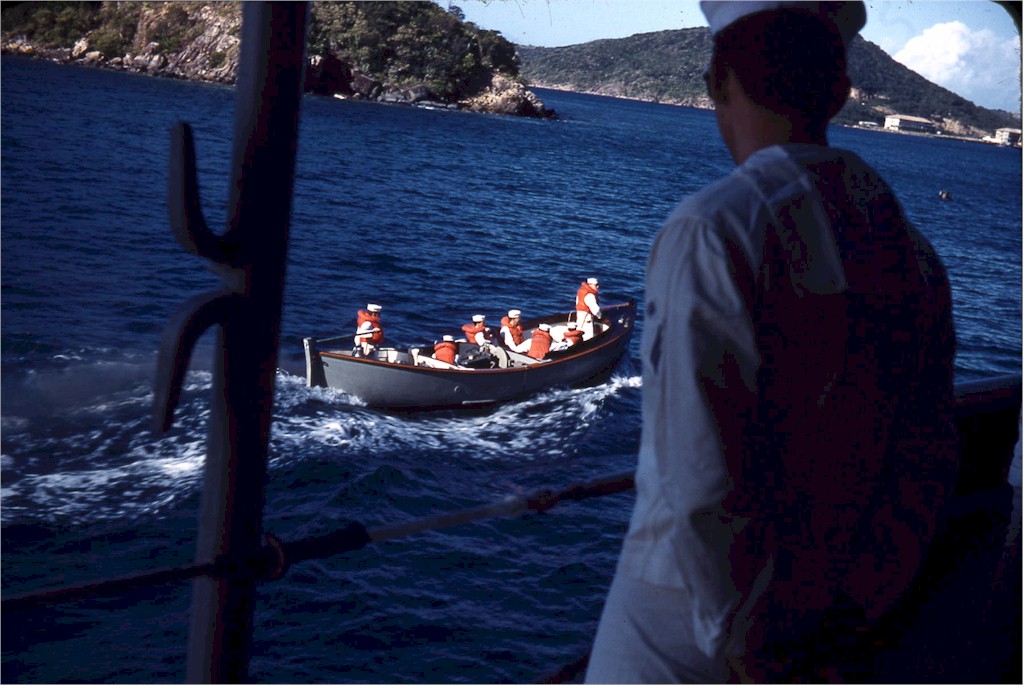
| 169k | As above. | Jim Buttleman | |
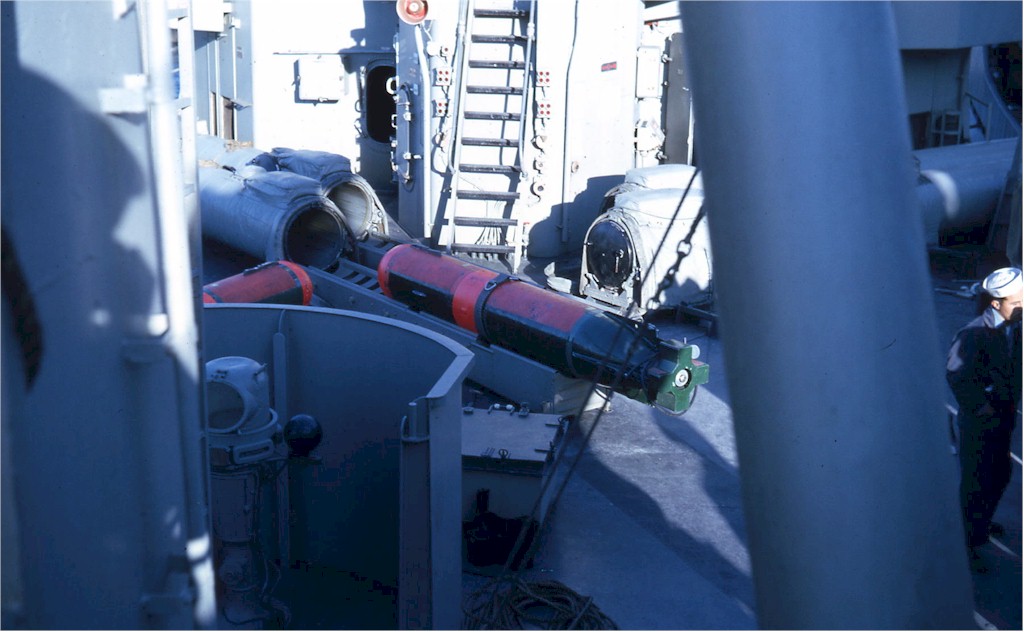
| 128k | As above. | Jim Buttleman | |
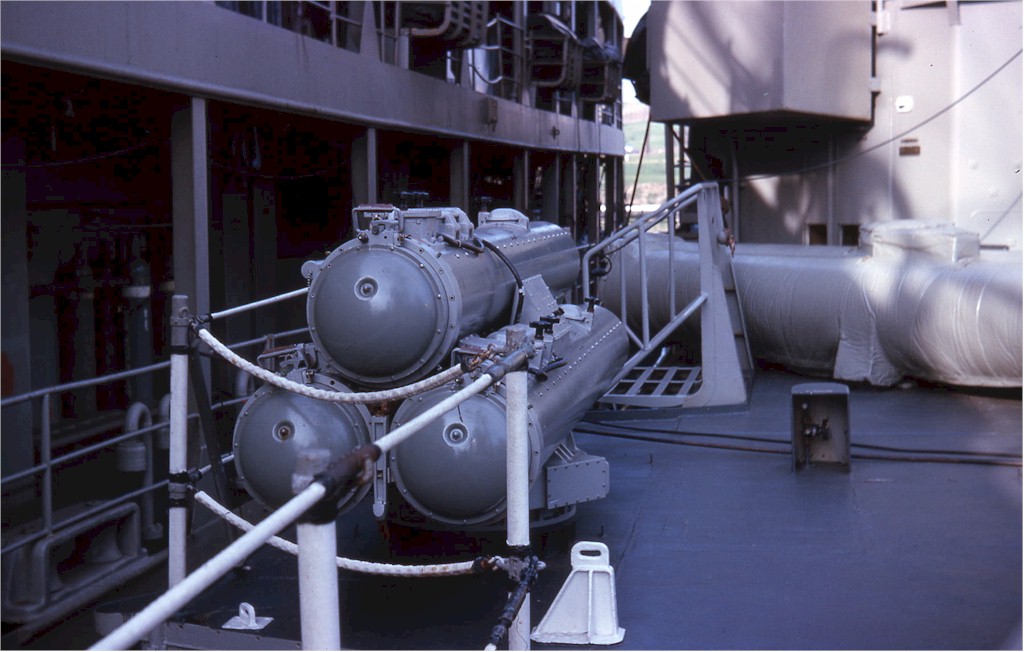
| 143k | As above. | Jim Buttleman | |
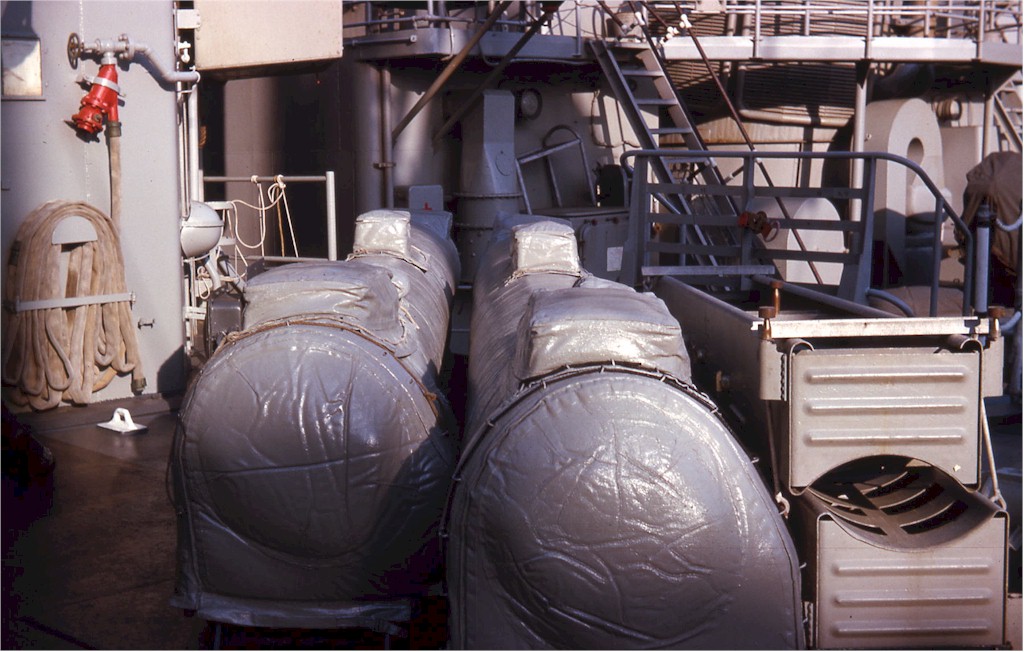
| 177k | As above. | Jim Buttleman | |
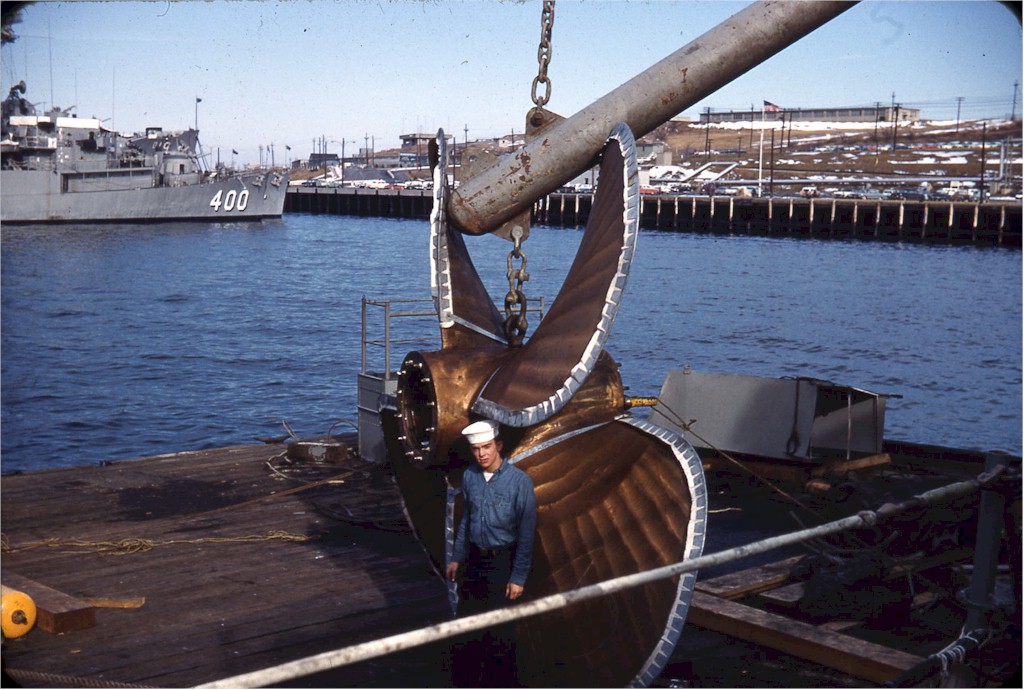
| 189k | As above. | Jim Buttleman | |
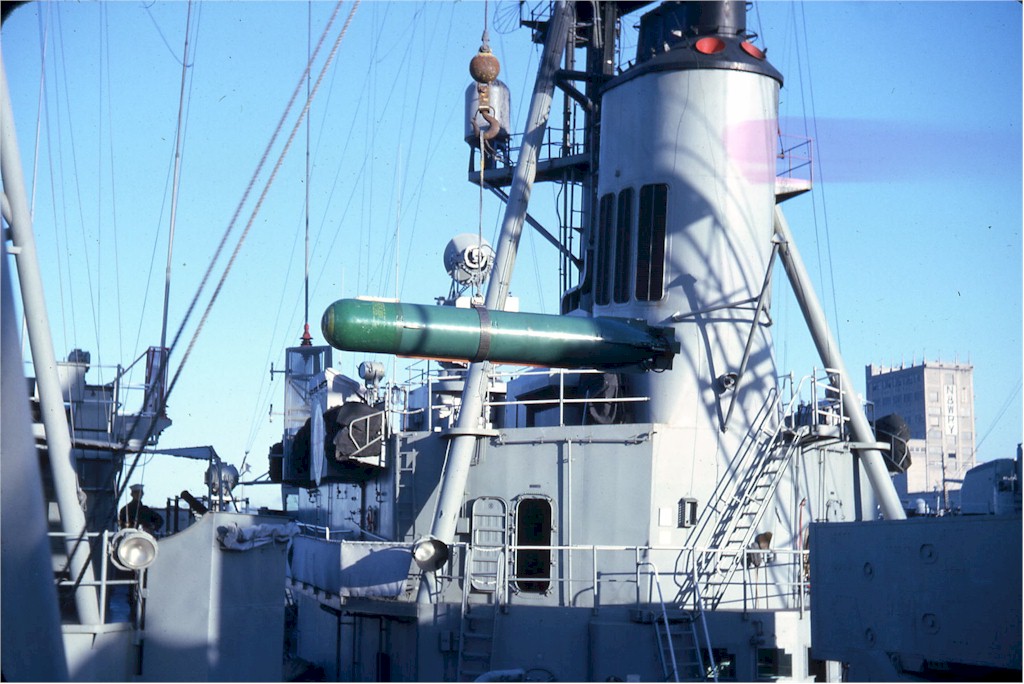
| 181k | As above. | Jim Buttleman | |
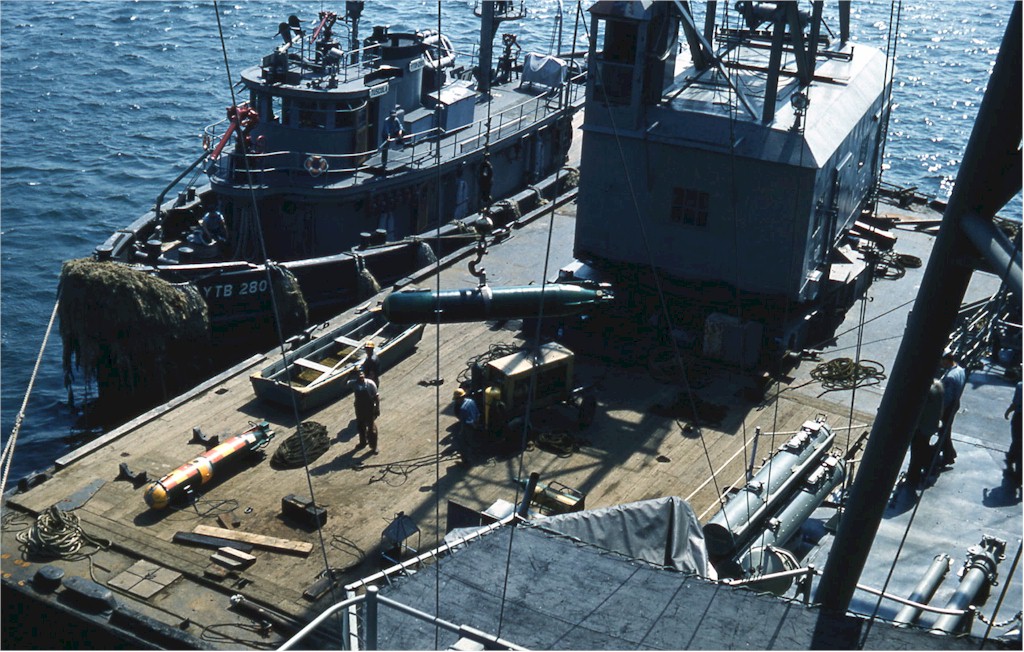
| 242k | As above. | Jim Buttleman | |
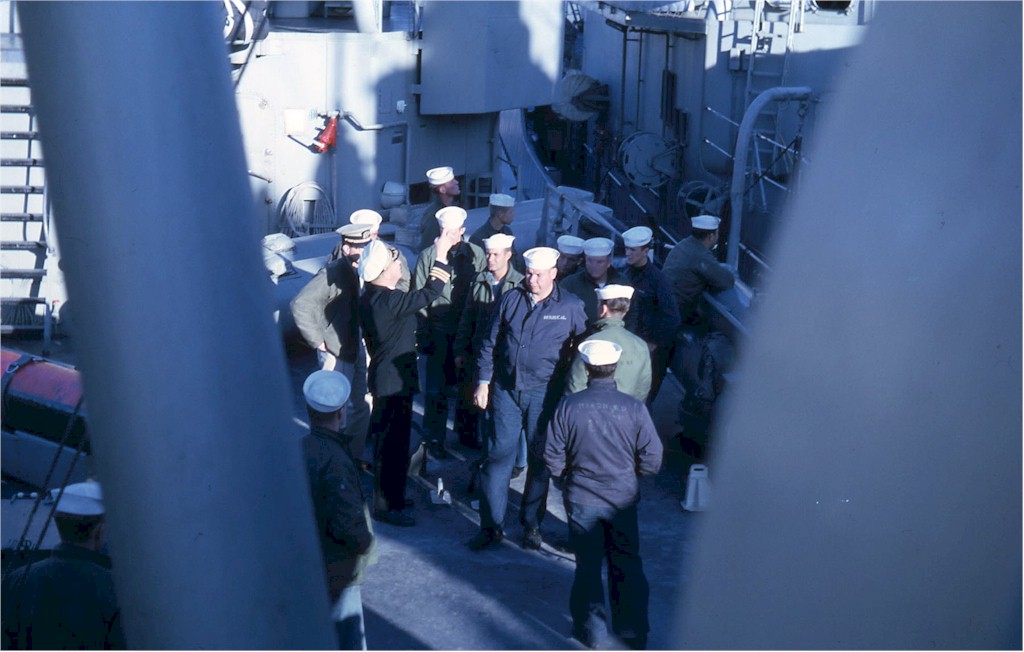
| 126k | As above. "Hey look up there, it's a Sea Bat !" | Jim Buttleman | |
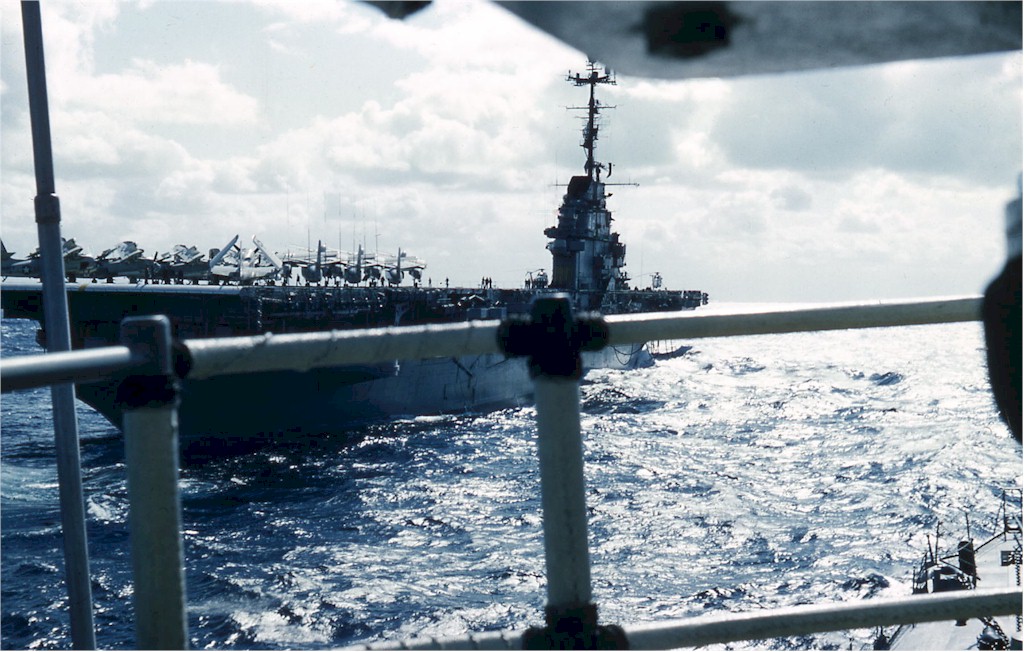
| 193k | As above. | Jim Buttleman | |
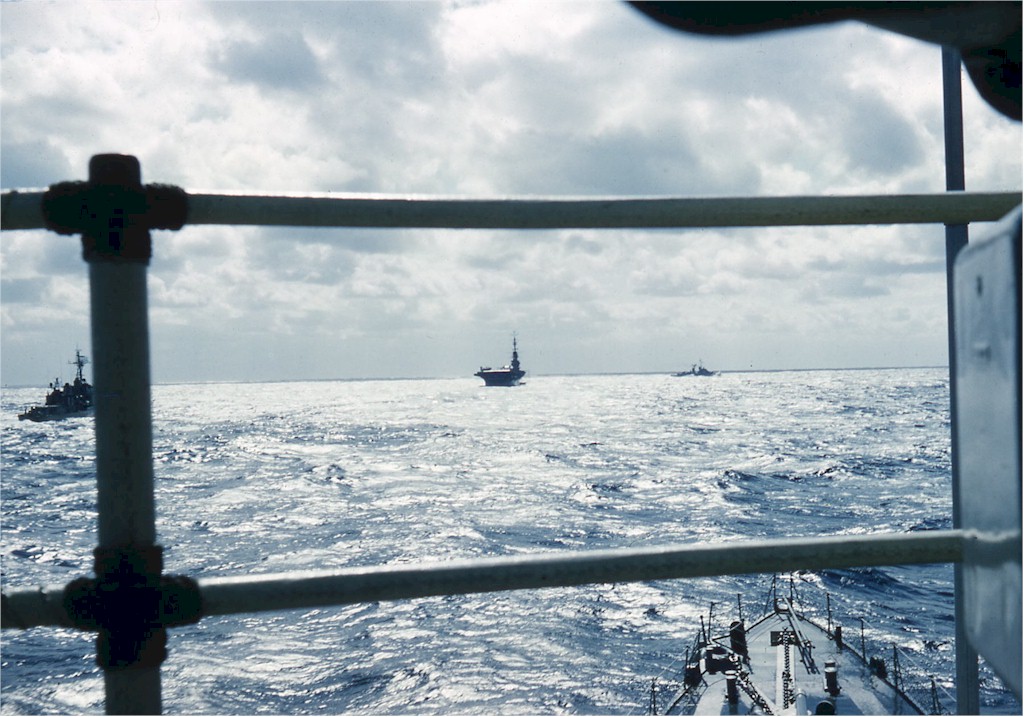
| 191k | As above. | Jim Buttleman | |
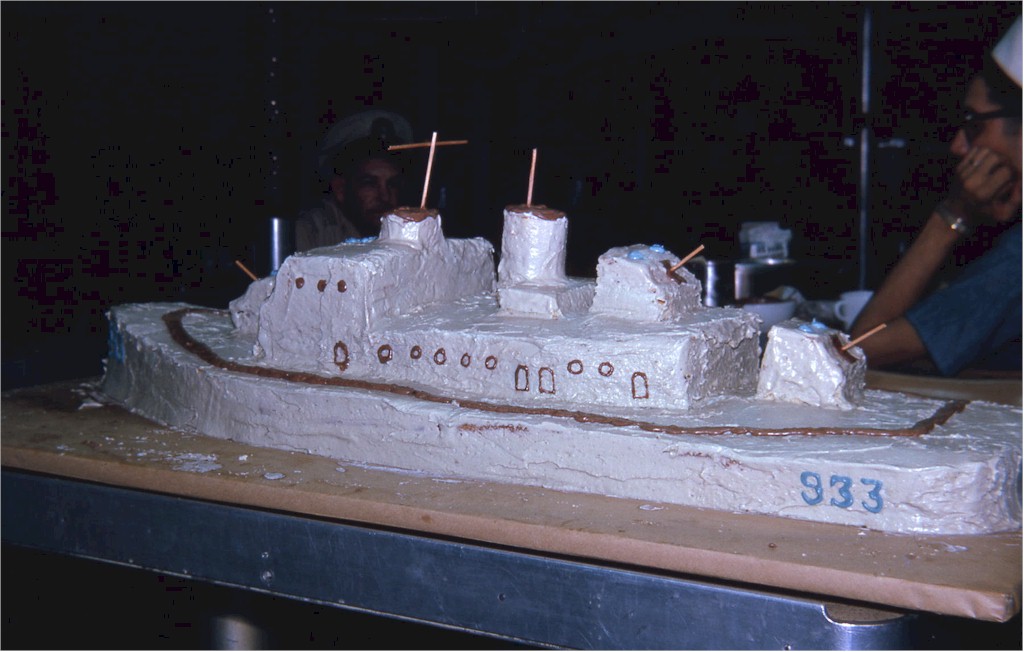
| 133k | As above. Barry as a cake ! | Jim Buttleman | |
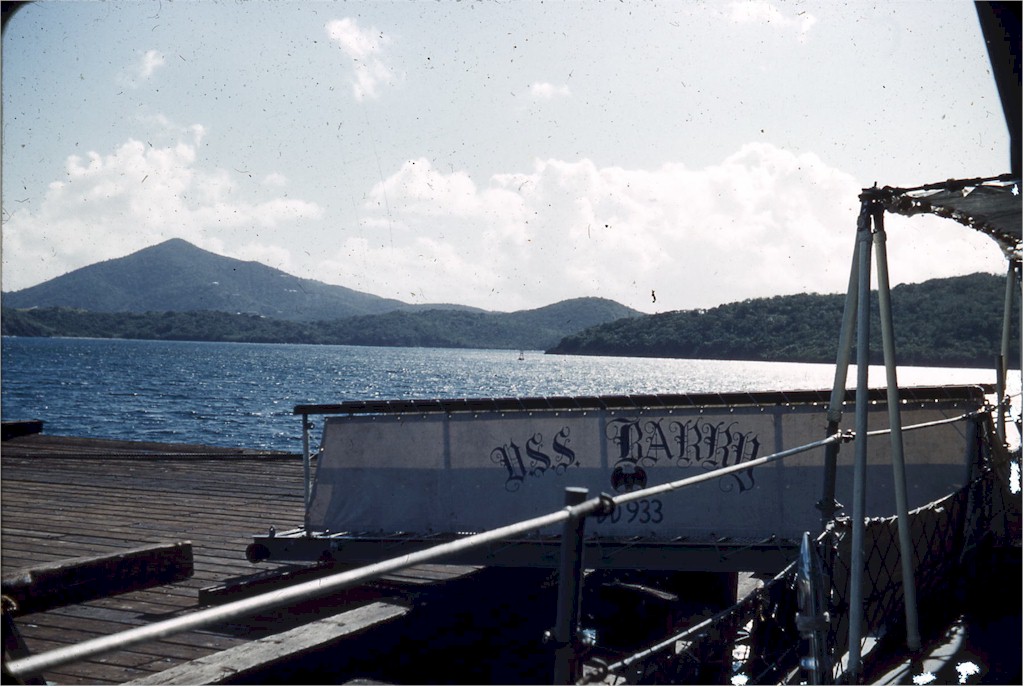
| 163k | As above. | Jim Buttleman | |
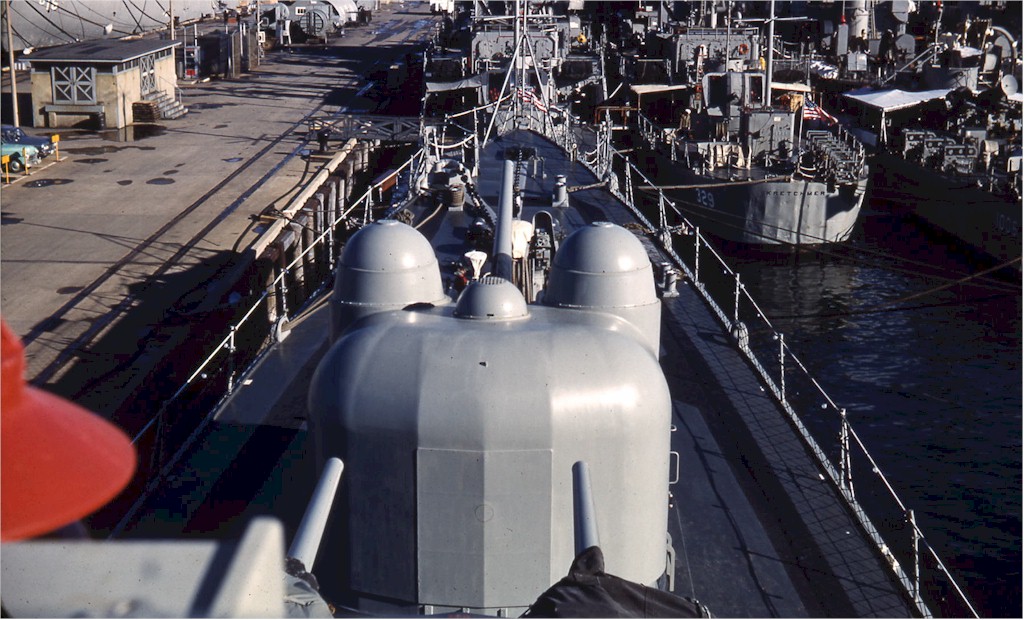
| 197k | As above. | Jim Buttleman | |
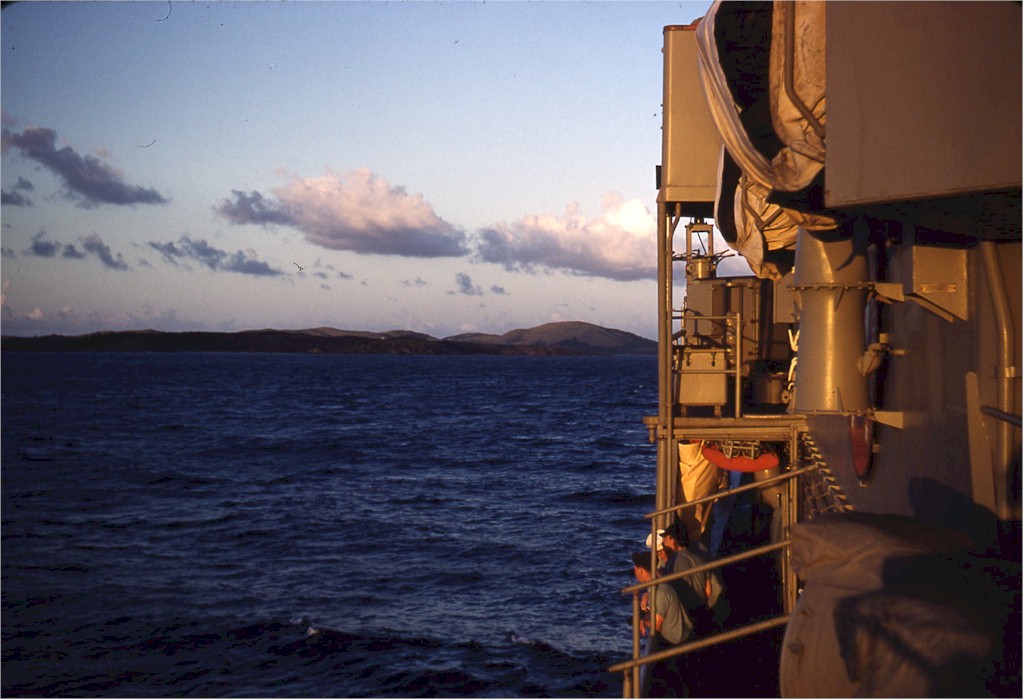
| 151k | As above. | Jim Buttleman | |
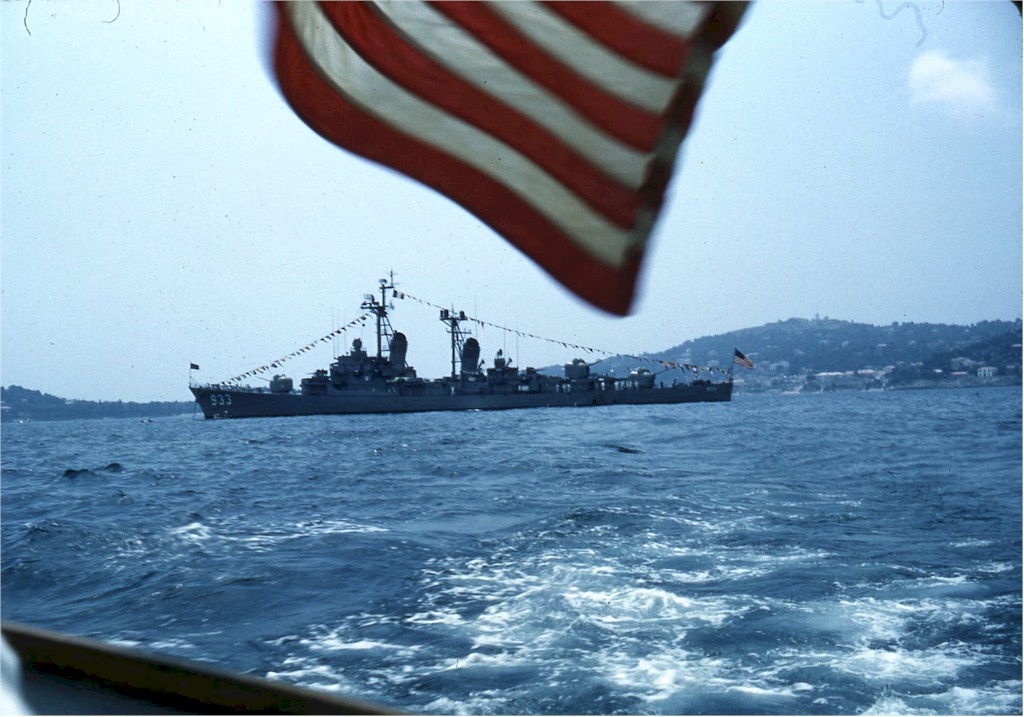
| 174k | As above. | Jim Buttleman | |
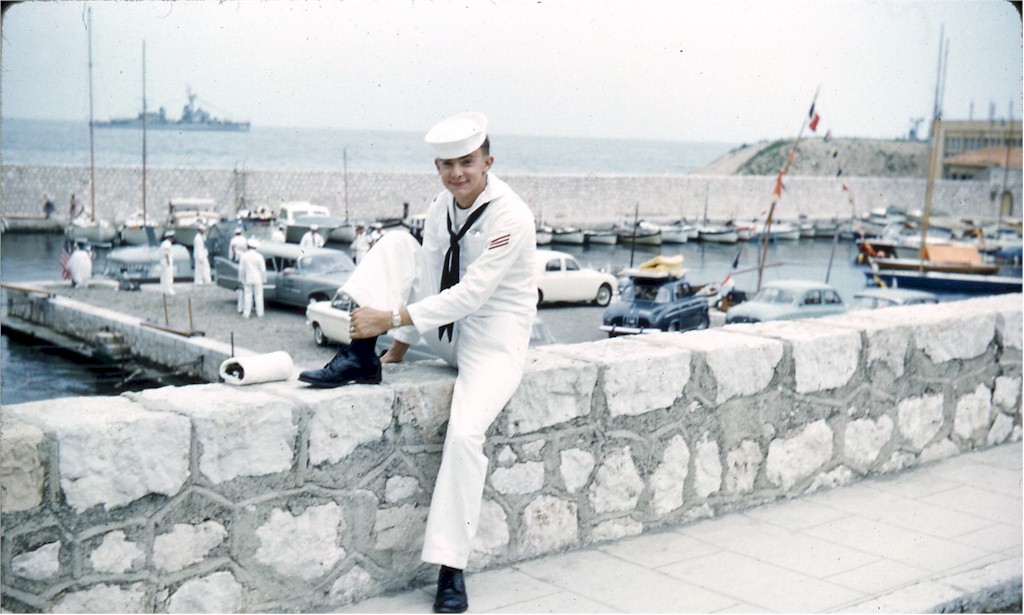
| 145k | As above. Jim in Cannes. | Jim Buttleman | |
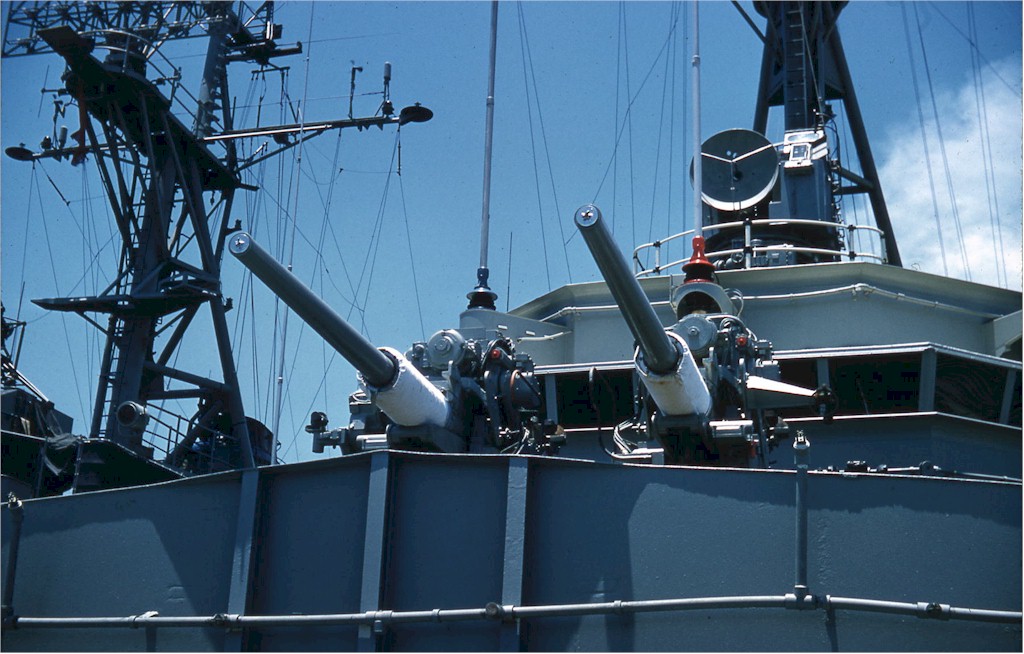
| 174k | As above. | Jim Buttleman | |
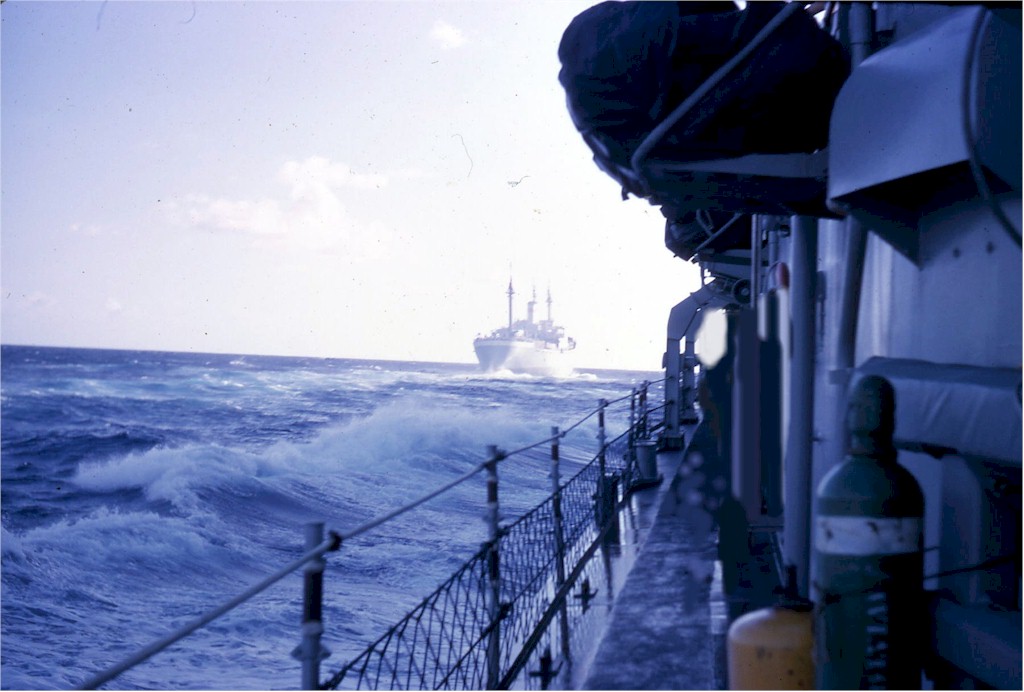
| 135k | Chasing down a Soviet freighter. | Jim Buttleman | |
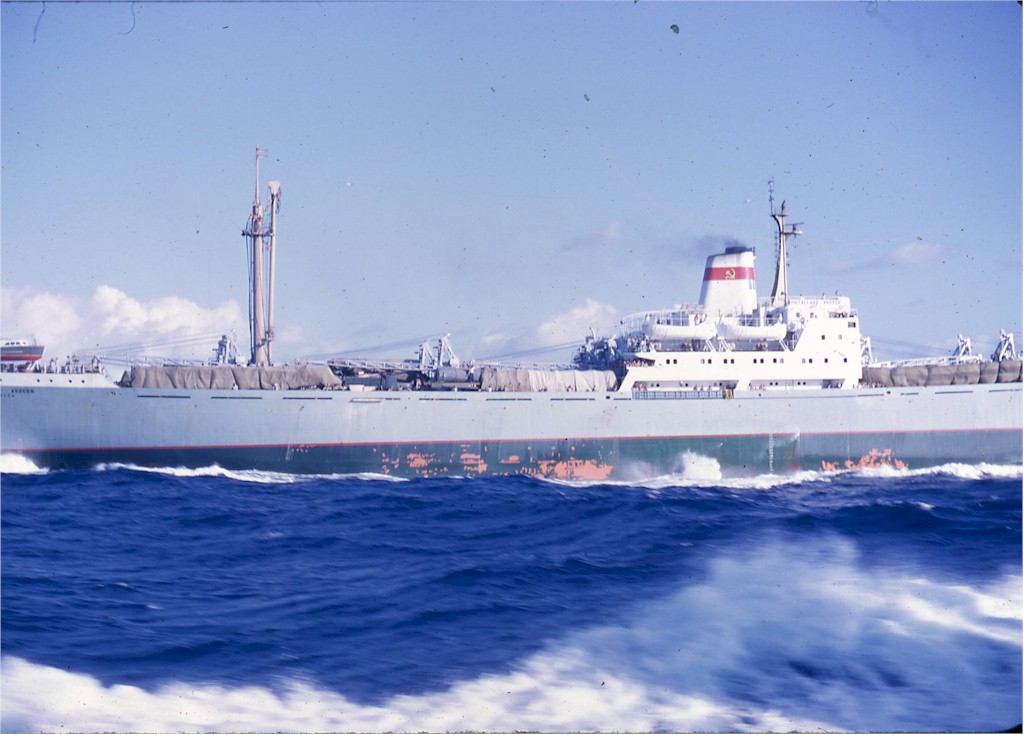
| 138k | Now I wonder what is under those tarps on the main deck ??? | Jim Buttleman | |
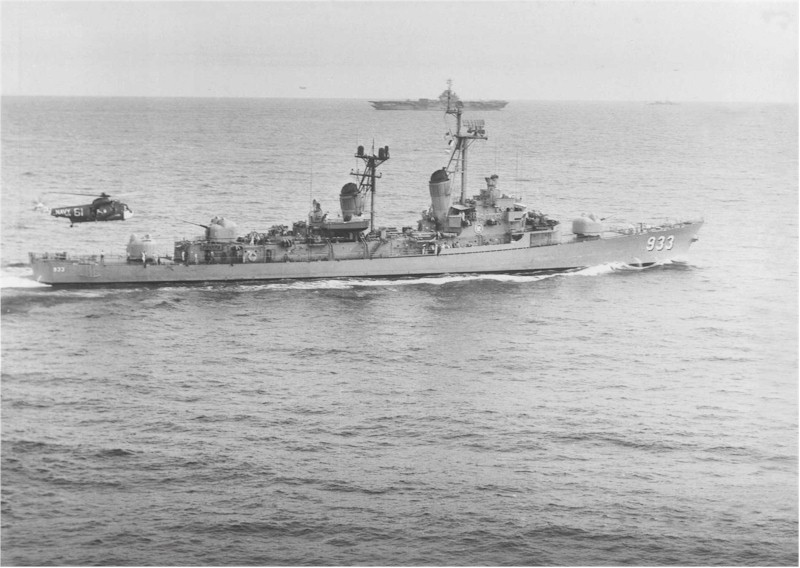
| 106k | Circa mid 1960's, photo from Dependants' Day Cruise book that was given to guests of the USS Essex (CVS-9),in October of 1967. | William G. Schultz | |
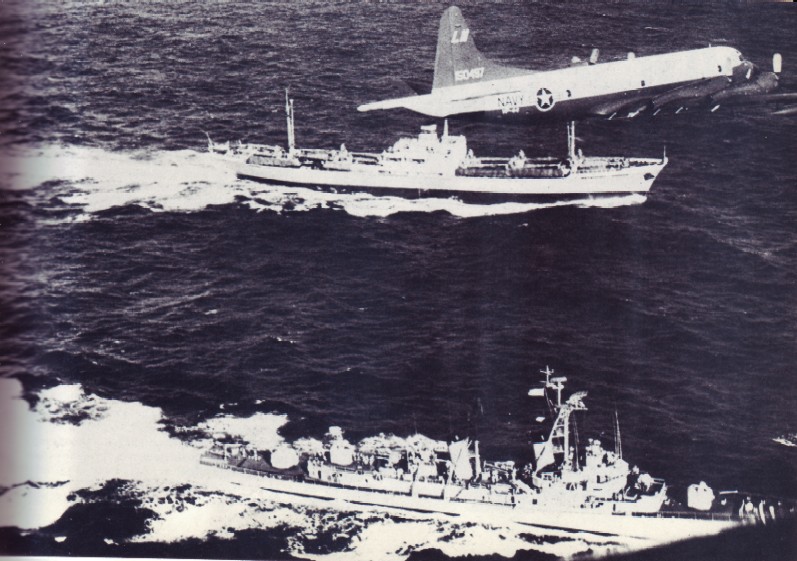
| 130k | Shadowing a Soviet freighter during the enforcement of the blockade around Cuba, with a P-3A Orion overhead. | Robert Hurst | |
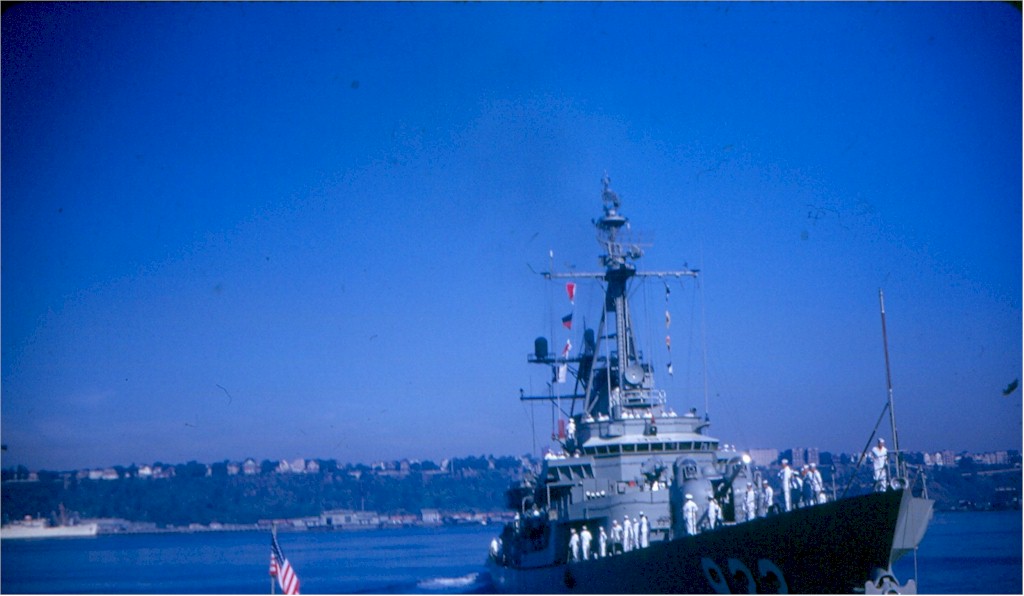
| 111k | USS Barry (DD-933) entering New York Harbor on August 22 1963. | Ed Zajkowski | |
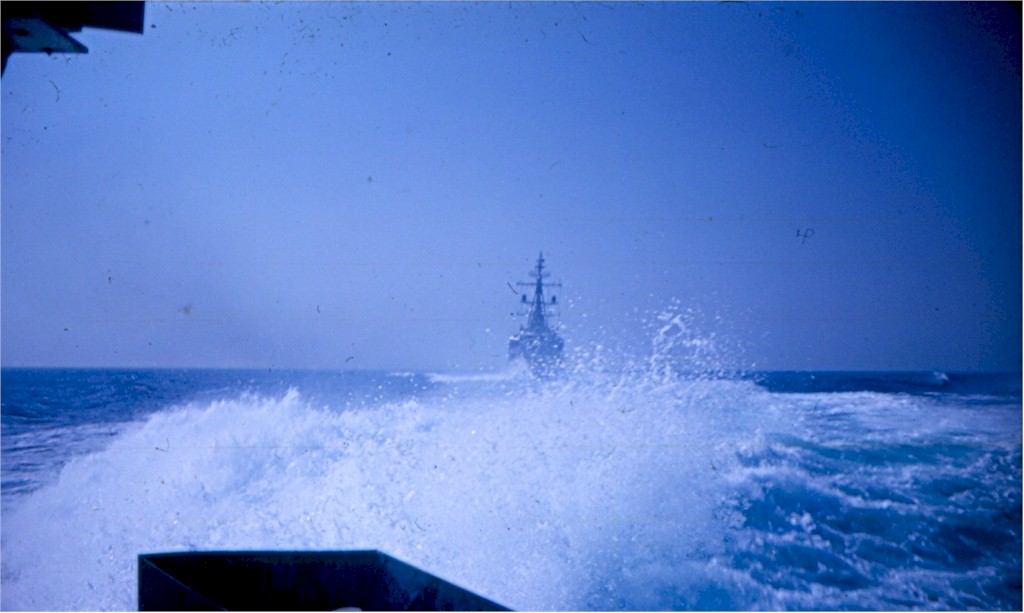
| 110k | USS Barry (DD-933) following in the wake of USS Keppler (DD-765) during a high speed run, October 1963. | Ed Zajkowski | |
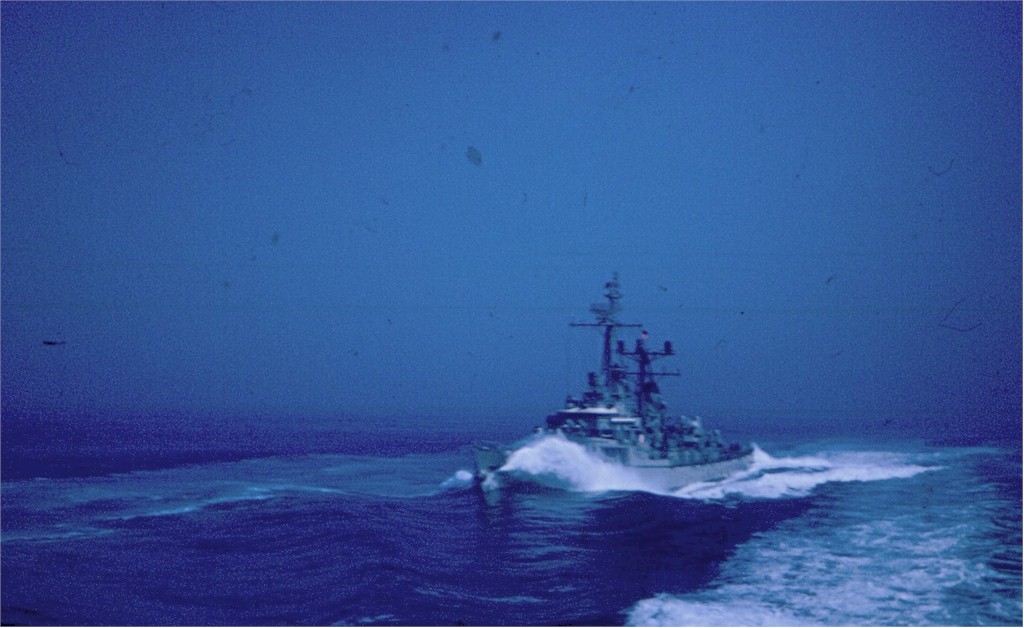
| 137k | As above. | Ed Zajkowski | |
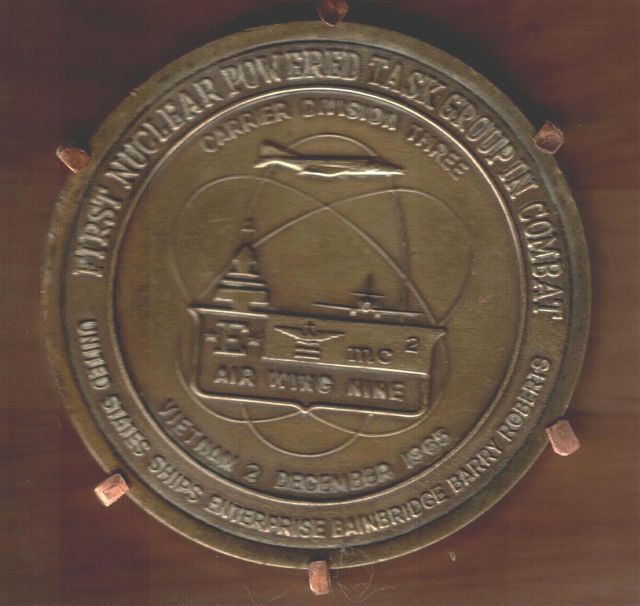
| 53k | Carrier Division Three, First Nuclear Powered Task Group in Combat, Vietnam, 2 December 1965. USS Enterprise (CVAN-65), with Carrier Air Wing Nine (CVW-9); USS Bainbridge (DLGN-25); USS Barry (DD-933); USS Samuel B. Roberts (DD-823). [On 2 December 1965] "Enterprise became the first nuclear powered warship to engage in combat operations when aircraft of Attack Carrier Air Wing NINE launched 118 sorties against the Viet Cong in South Vietnam. For the rest of the month, the Big E carried out a relentless campaign against the enemy, primarily in North Vietnam, blasting military facilities, transportation networks, military storage areas, and barges and junks carrying supplies to the Communist forces in South Vietnam." Quoted from the ship's Command History for 1965. | Richard Allen | |
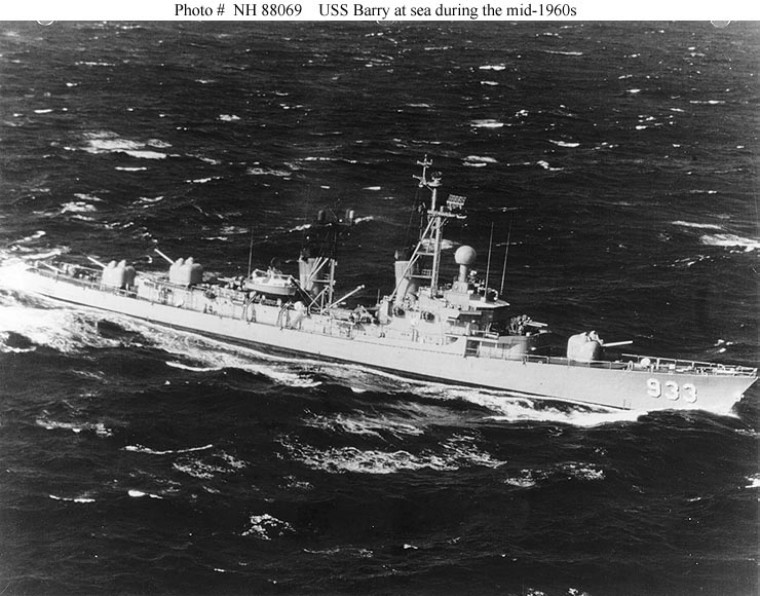
| 122k | USS Barry (DD-993) underway at sea circa September-December 1966, while fitted with a Mark 86 fire control system for evaluation purposes. Visible components of the Mark 86 are a radome atop Barry's pilothouse. Courtesy of Stephen S. Roberts, 1978 (Photo No NH 88069). | Robert Hurst | |
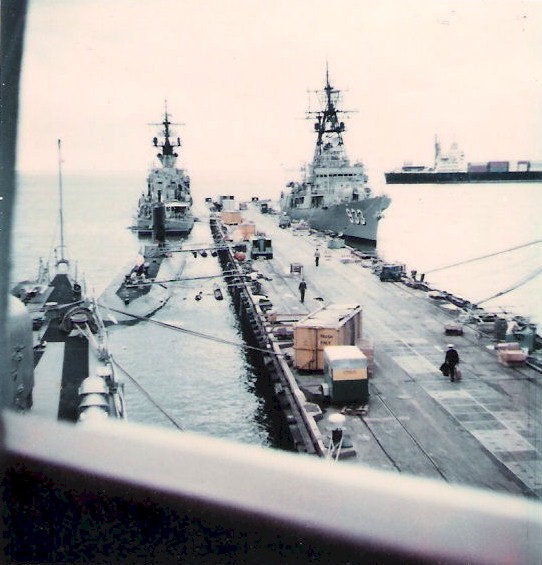
| 72k | Barry in Norfolk in 1967. | Bill Guhl | |
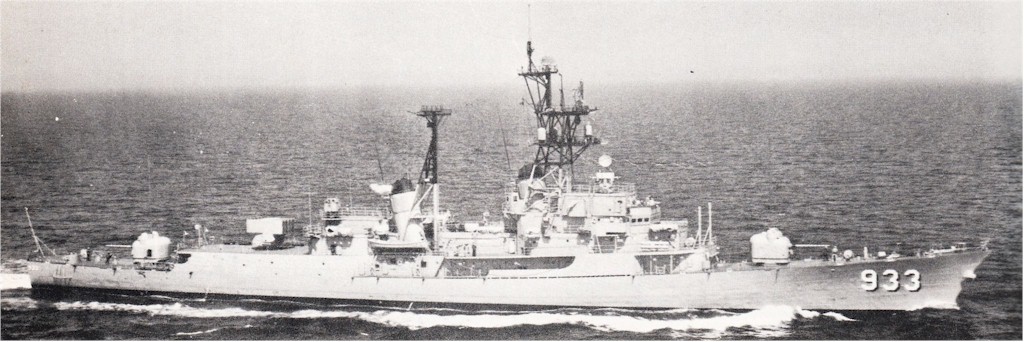
| 113k | USS Barry (DD-933) underway in 1968, location unknown. United States Navy. | Robert Hurst | |
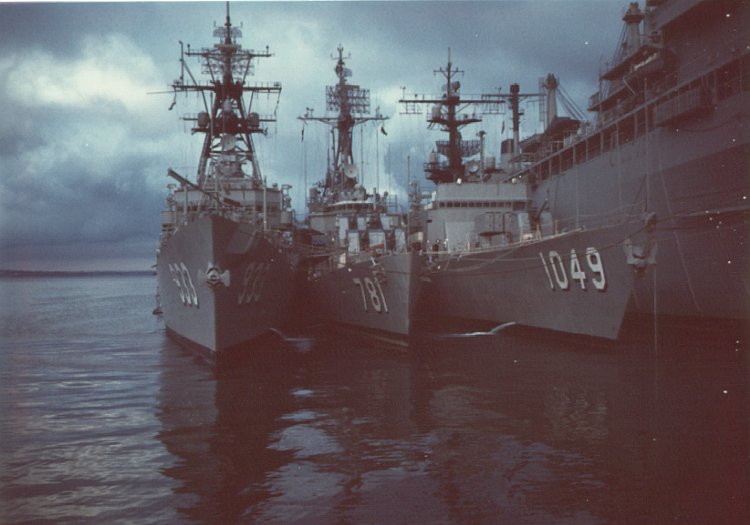
| 60k | Newport, September 8 1970. | © Richard Leonhardt | |
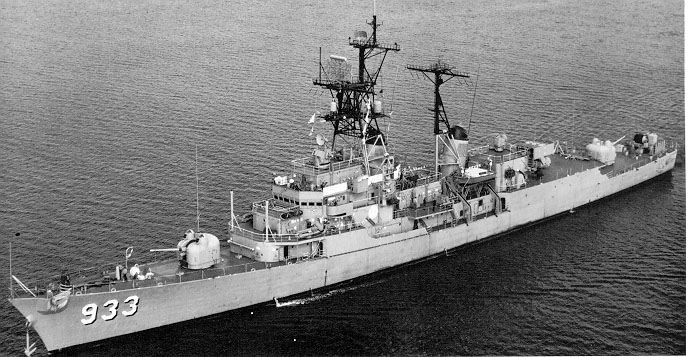
| 73k | Taken on Oct. 17, 1971, according to Norman Friedman's U.S. Destroyers: An Illustrated Design History (page 251). | - | |
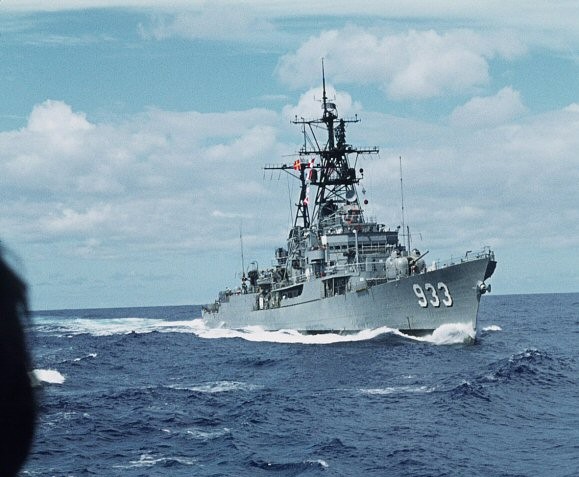
| 78k | USS BARRY (DD-933) crossing the Atlantic in September 1972. | Bill Gonyo | |
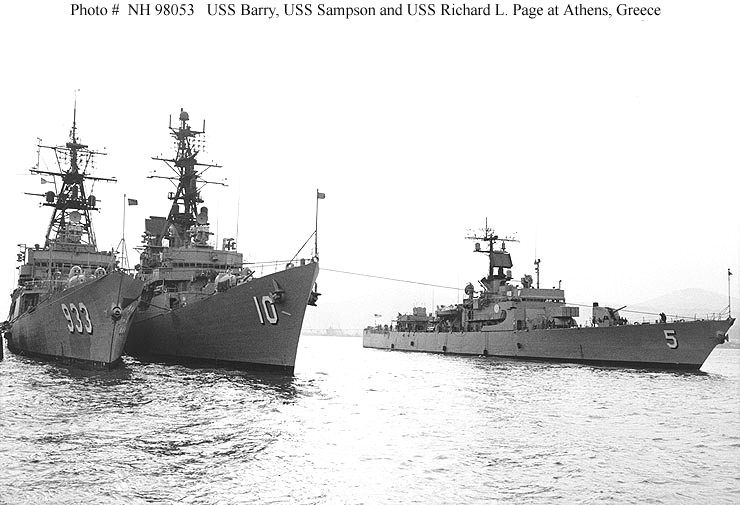
| 89k | USS Barry (DD-933) (left), USS Sampson (DDG-10) (left-center) and USS Richard L. Page (DEG-5) (right) In the harbor at Athens, Greece. This image was received by the Naval Photographic Center in July 1974. Official U.S. Navy Photograph, from the collections of the Naval Historical Center. | Fred Weiss | |
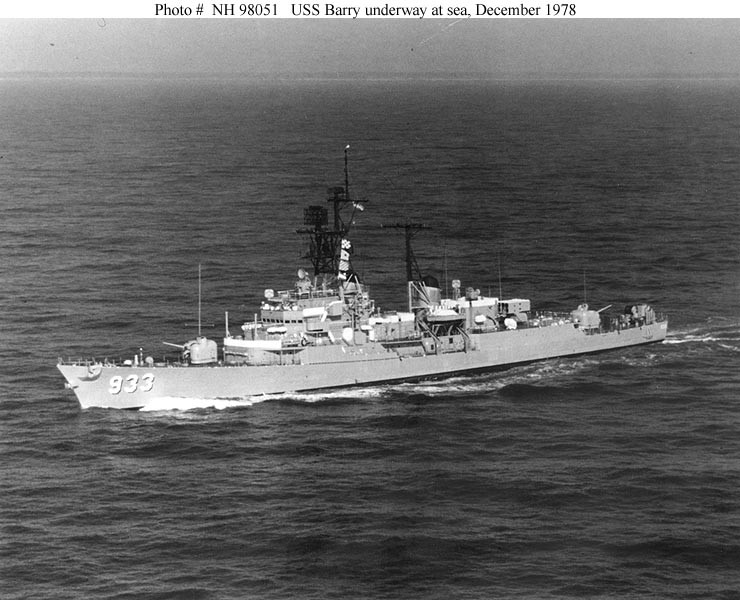
| 112k | USS Barry underway at sea in December 1978 (Photo No NH 98051). | Robert Hurst | |
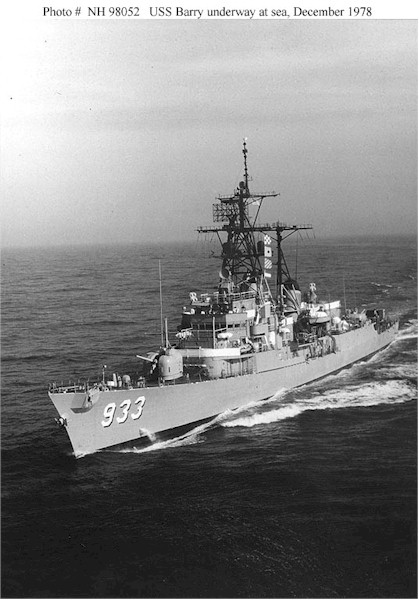
| 68k | USS Barry (DD-933) Underway at sea, December 1978. Official U.S. Navy Photograph, from the collections of the Naval Historical Center. | Fred Weiss | |
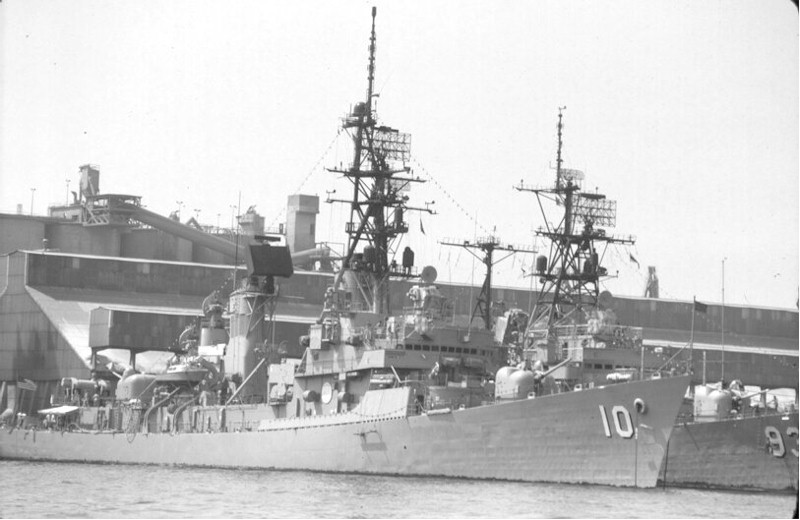
| 85k | The Charles F. Adams-class USS Sampson (DDG 10) alongside the Forrest Sherman-class USS Barry (DD 933). Initially conceived as a missile-armed version of the Forrest Shermans, the Charles F. Adams-class ships had, as actually built, a larger hull with more freeboard forward, for dryness. Note different anchor locations on both ships, reflecting their different sonar domes positions. Barcelona, Spain, Sep. 2, 1979. | Fabio Peña | |
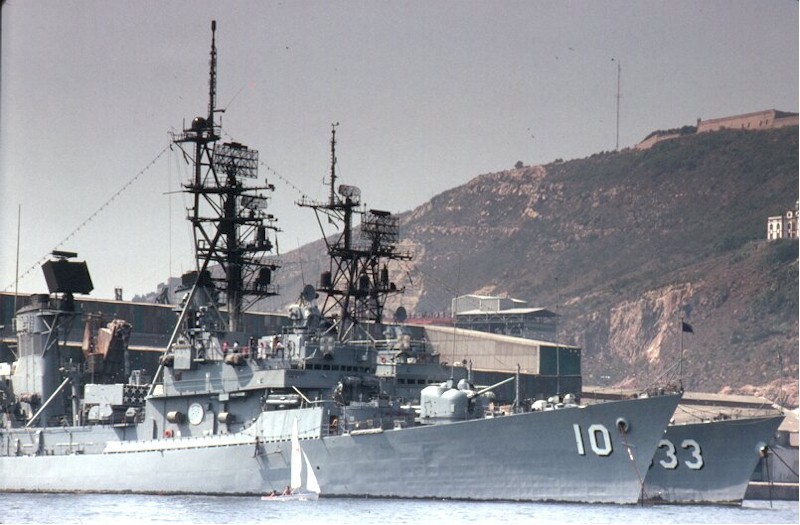
| 111k | Closer view, as above. | Fabio Peña | |
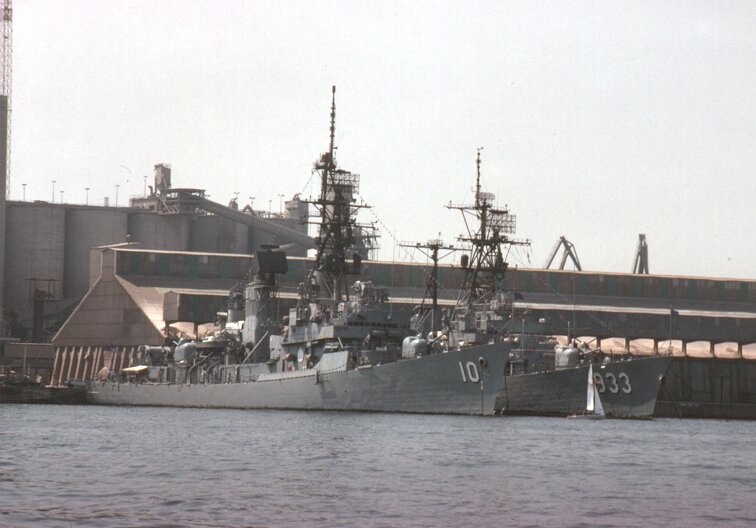
| 81k | Closer view, as above. | Fabio Peña | |
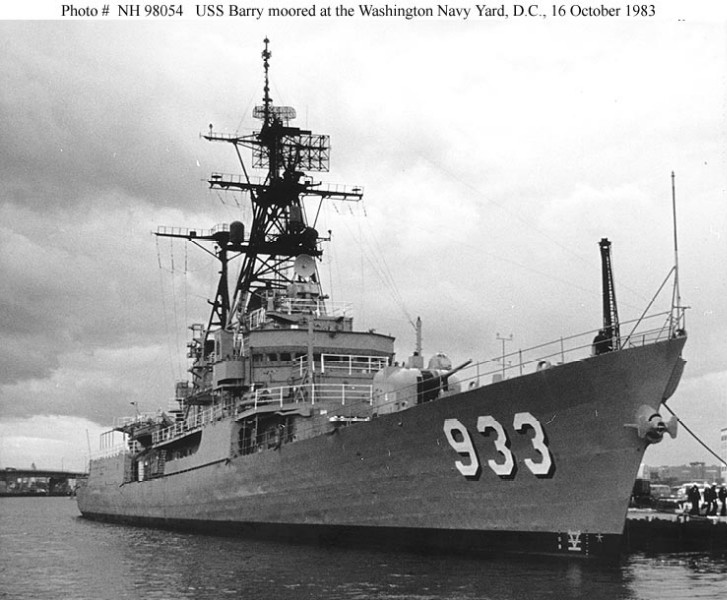
| 95k | USS Barry (DD-933) moored at the Washington Navy Yard, District of Columbia, 16 October 1983, soon after she arrived to become display ship in the Nation's Capital. Photographed by Charles R. Haberlein Jnr., National Historical Centre (Photo # NH 98054). | Robert Hurst | |
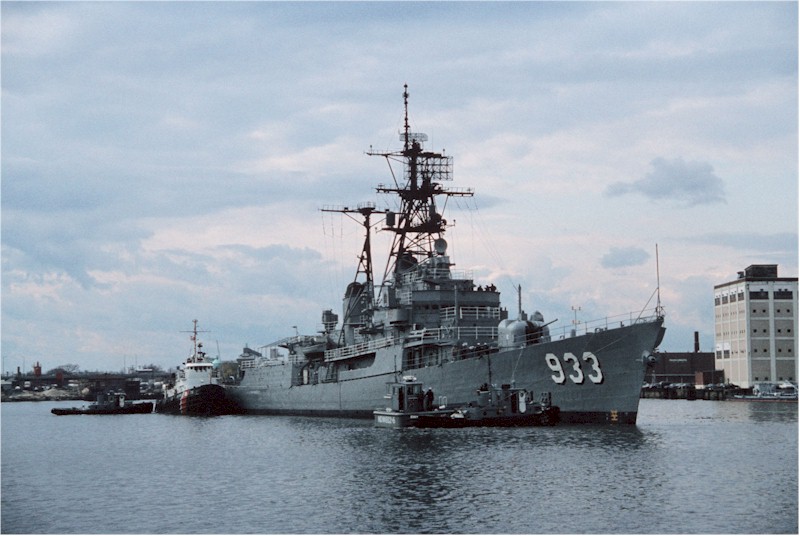
| 98k | DN-ST-84-04841. October 16 1983, a starboard bow view of the destroyer USS Barry (DD-933) being moved from a temporary mooring at the GSA pier to her permanent berth at Pier 2 at the Washington Navy Yard, where she will be dedicated as a memorial ship. U.S. Navy Photo by Charles Haberlein. | Robert M. Cieri | |
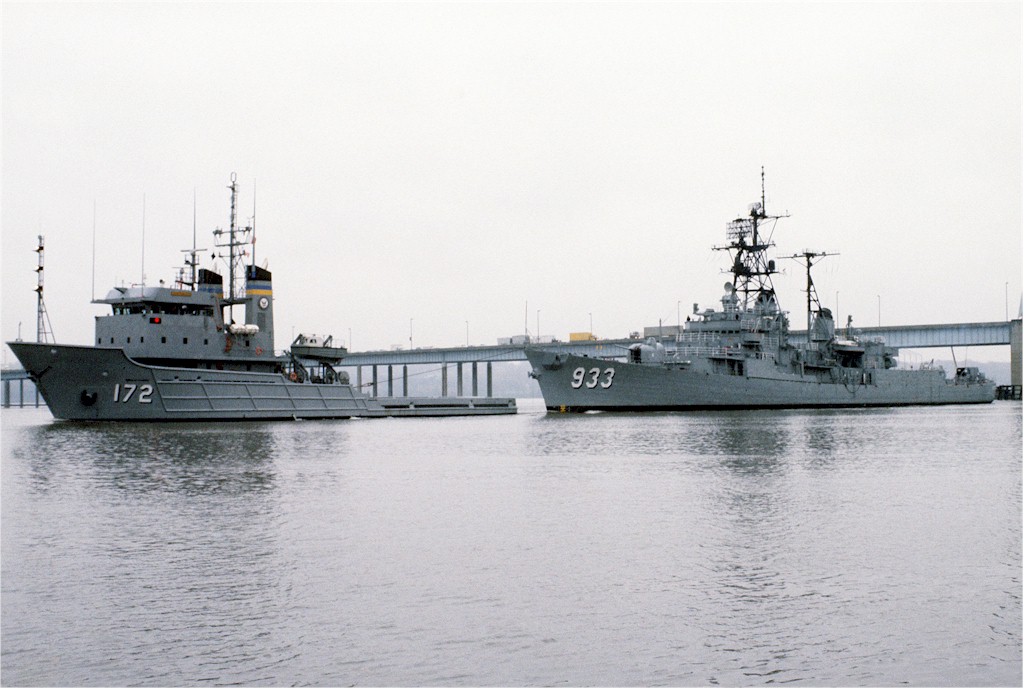
| 148k | The decommissioned destroyer USS Barry (DD-933) is towed to the Washington Navy Yard, Washington D.C., by the fleet tug USNS Apache (T-AF-172) on 15 November 1983. The Barry was docked at Pier 2 and was opened to the public as a museum. She was sold in 2016 to be scrapped as it became too expensive to maintain her. Photo taken by PH3 Dixson, U.S. Navy. This image is available in the holdings of the National Archives and Records Administration, cataloged under the ARC Identifier (National Archives Identifier) 6383681. | Robert Hurst | |
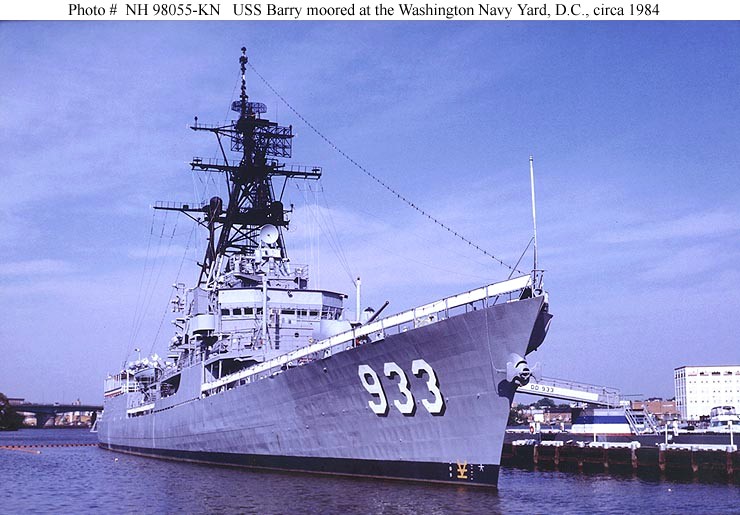
| 102k | Barry (DD-933) Moored at the Washington Navy Yard, District of Columbia, as display ship, circa 1984. Official U.S. Navy Photograph, from the collections of the Naval Historical Center. | Fred Weiss | |
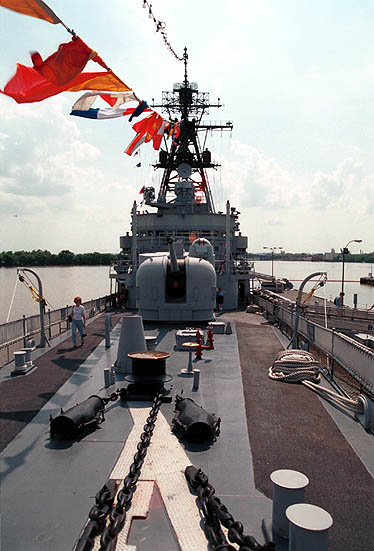
| 56k | As a museum ship at Washington Navy Yard. | Brian J. Johnson | |
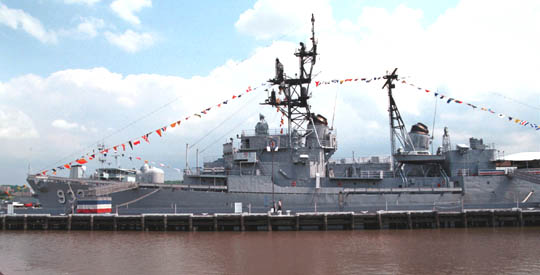
| 32k | As above. | Brian J. Johnson | |
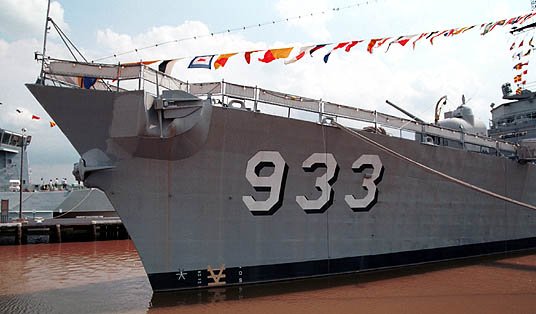
| 42k | As above. | Brian J. Johnson | |
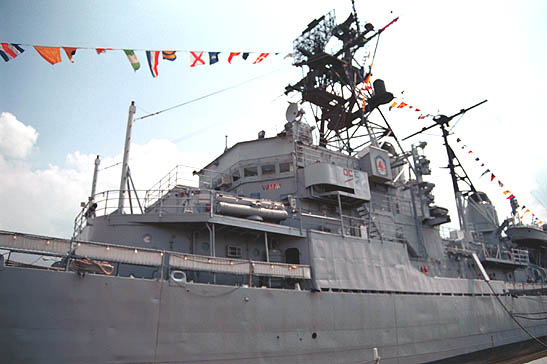
| 47k | As above. | Brian J. Johnson | |
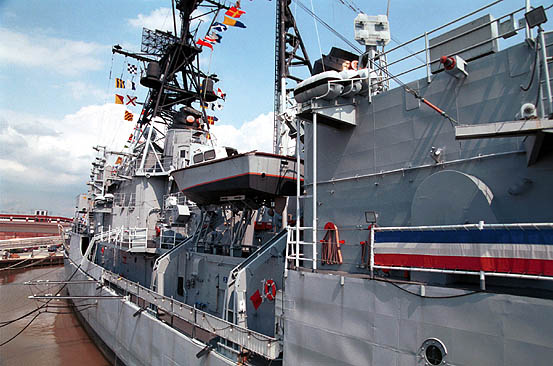
| 68k | As above. | Brian J. Johnson | |
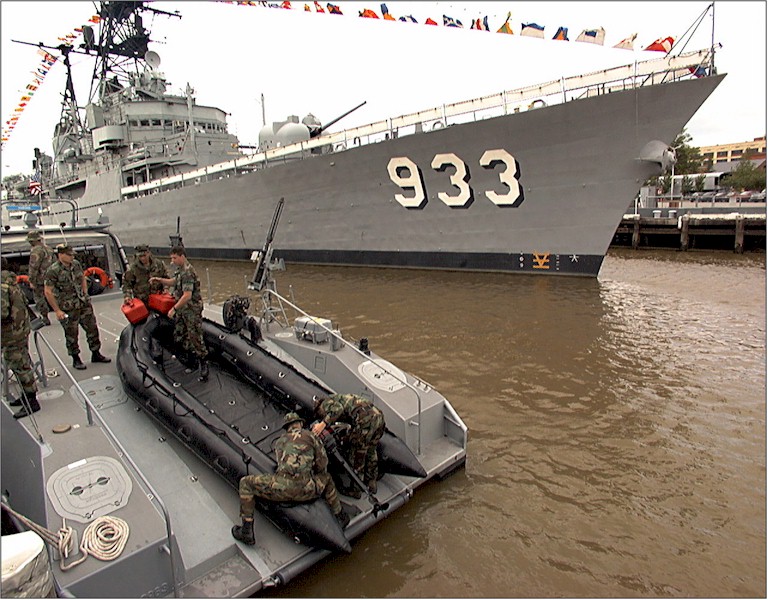
| 153k | As above. | Bill Gonyo | |
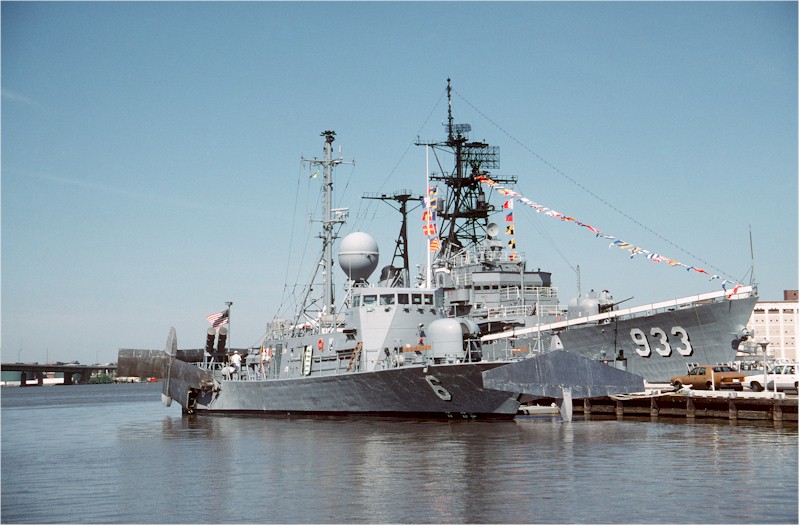
| 101k | DN-ST-85-11654. May 15 1984, a port bow view of the patrol combatant missile hydrofoil USS Gemini (PHM 6) moored at the Washington Navy Yard during a port visit. The destroyer USS Barry (DD 933), background, is a permanent memorial vessel. U.S. Navy Photo by Don S. Montgomery. | Robert M. Cieri | |
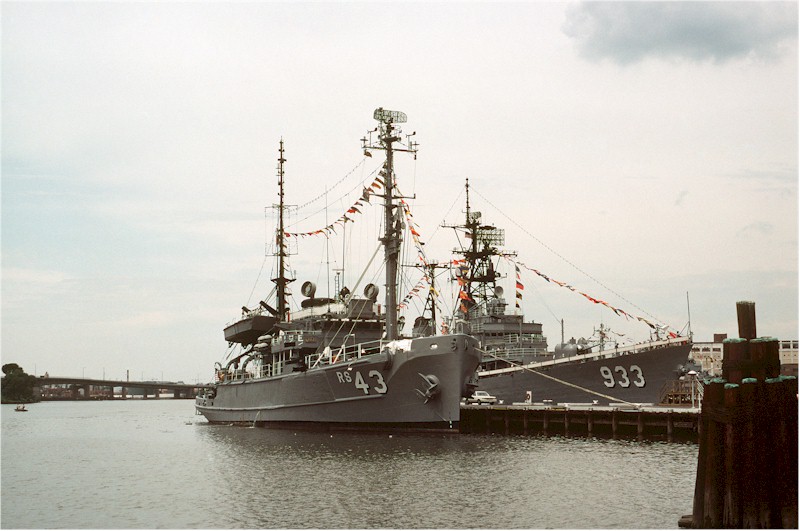
| 100k | DN-ST-85-11641. June 1 1985, a starboard bow view of the rescue and salvage ship USS Recovery (ARS 43) moored at the Washington Navy Yard during a Navy festival open house. Behind the Recovery is the destroyer USS Barry (DD 933), a permanent memorial ship. U.S. Navy Photo by Don S. Montgomery. | Robert M. Cieri | |
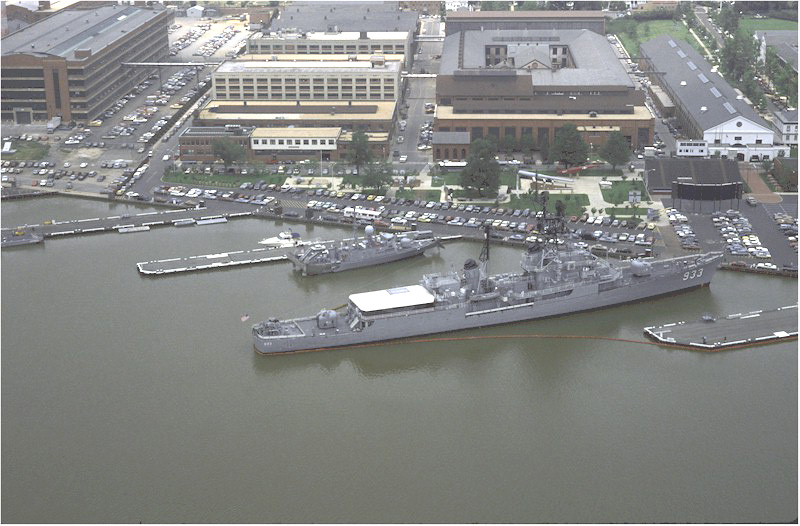
| 113k | DN-ST-86-07363. May 28 1986, an aerial view of the memorial destroyer USS Barry (DD 933) moored at Pier No. 3 and the missile hydrofoil patrol boat USS Taurus (PHM 3) moored at Pier No. 2 at the Washington Navy Yard. U.S. Navy Photo by PH1 Dave MacLean. | Robert M. Cieri | |
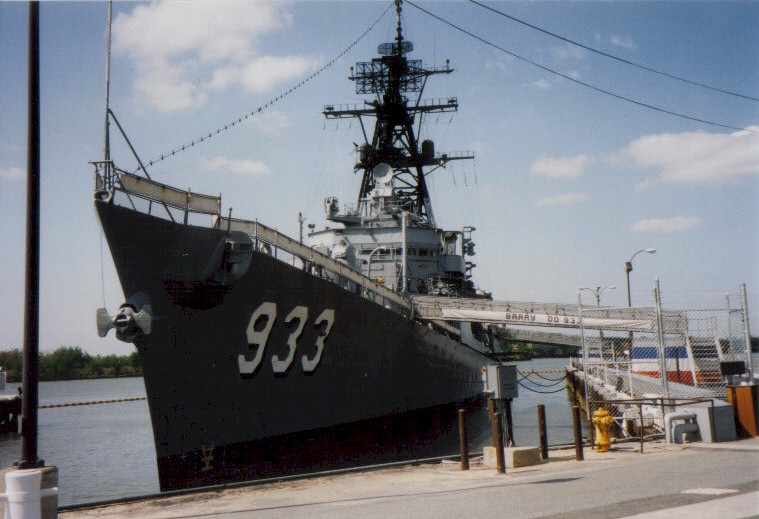
| 91k | Washington Navy Yard, August 1991. | Robert M. Cieri | |
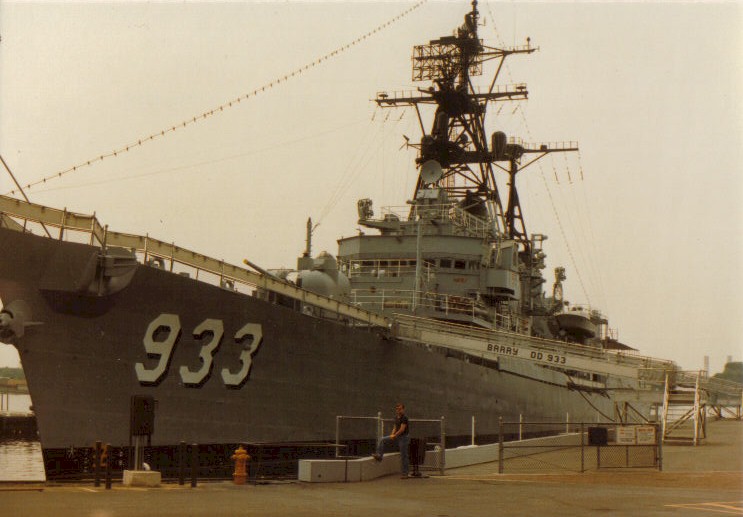
| 80k | Washington Navy Yard, March 1993. | Robert M. Cieri | |
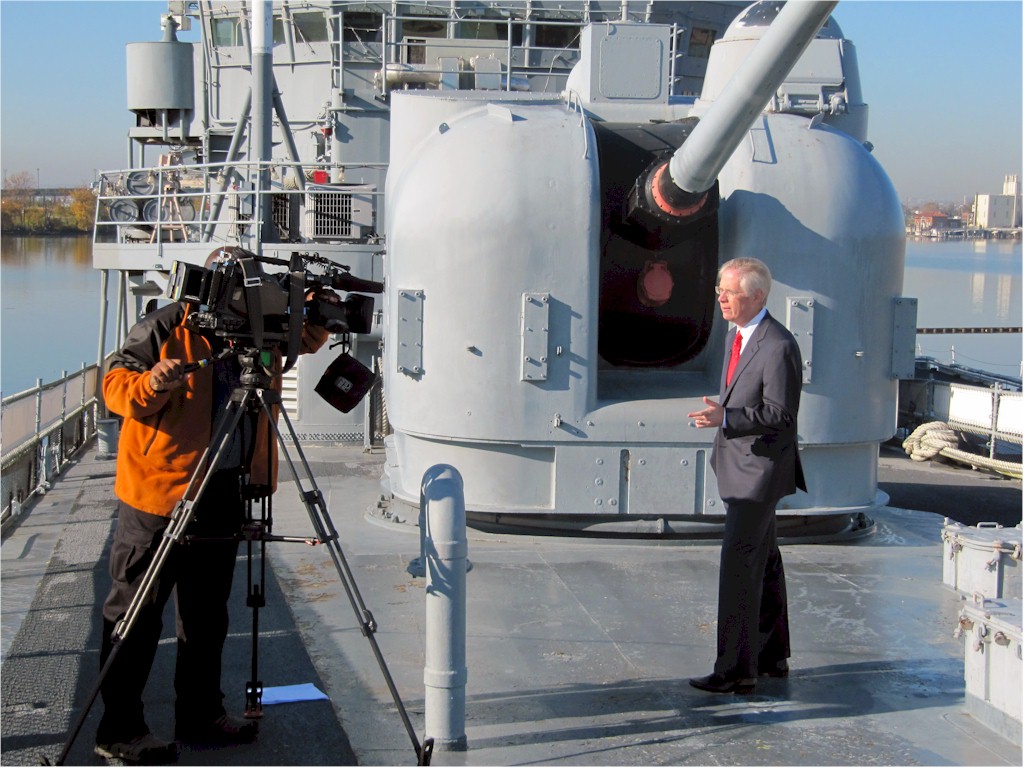
| 200k | 111107-N-MM437-013. Washington D.C., November 7 2011, Tom Foreman reports from the Washington Navy Yard display ship USS Barry (DD 933) moored at Pier 2. Barry was chosen by CNN as the site of the network's Veterans Day special. U.S. Navy photo by Chatney Auger. | Robert M. Cieri | |
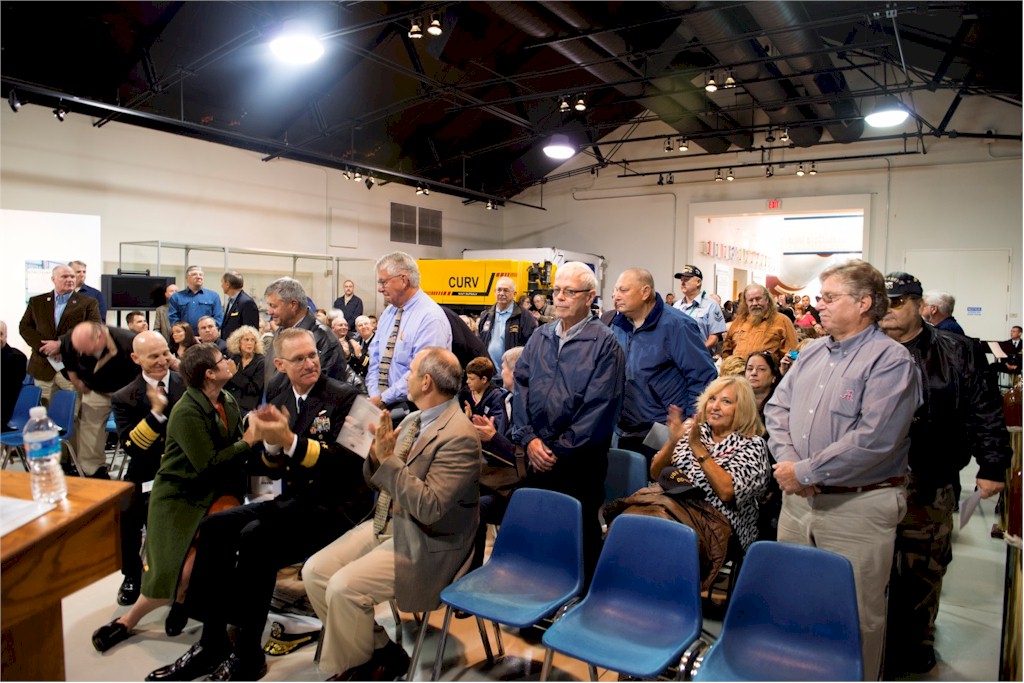
| 196k | 151017-N-NB178-033. Washington, October 17 2015, former USS Barry Sailors stand to be recognized at the closing ceremony for Display Ship USS Barry at the Cold War Gallery at the Washington Navy Yard, Oct. 17. The event was the final send-off before the ship is towed down the Anacostia River for dismantling. U.S. Navy Photo by Mass Communication Specialist 2nd Class Tyrell K. Morris. | Ron Reeves/Tony Cowart | |
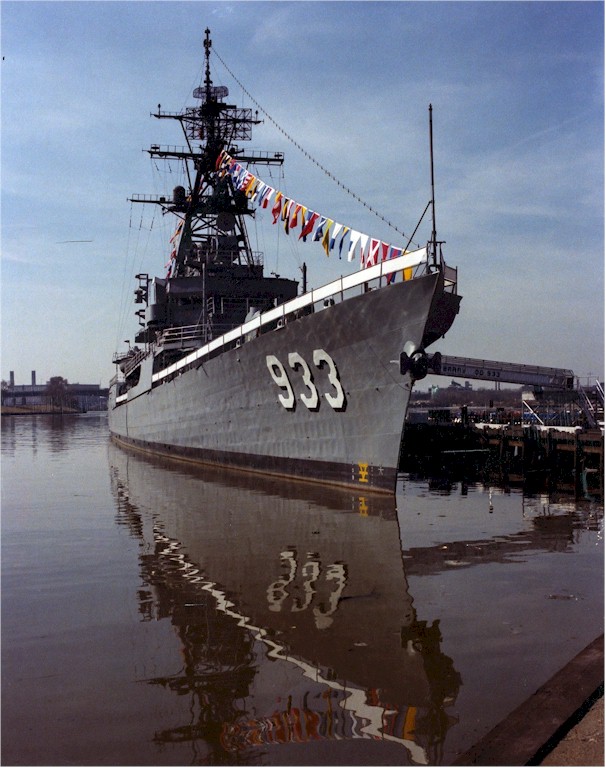
| 120k | The display ship Barry’s departure from the Washington Navy Yard on Saturday, 7 May 2016. | Tommy Trampp | |
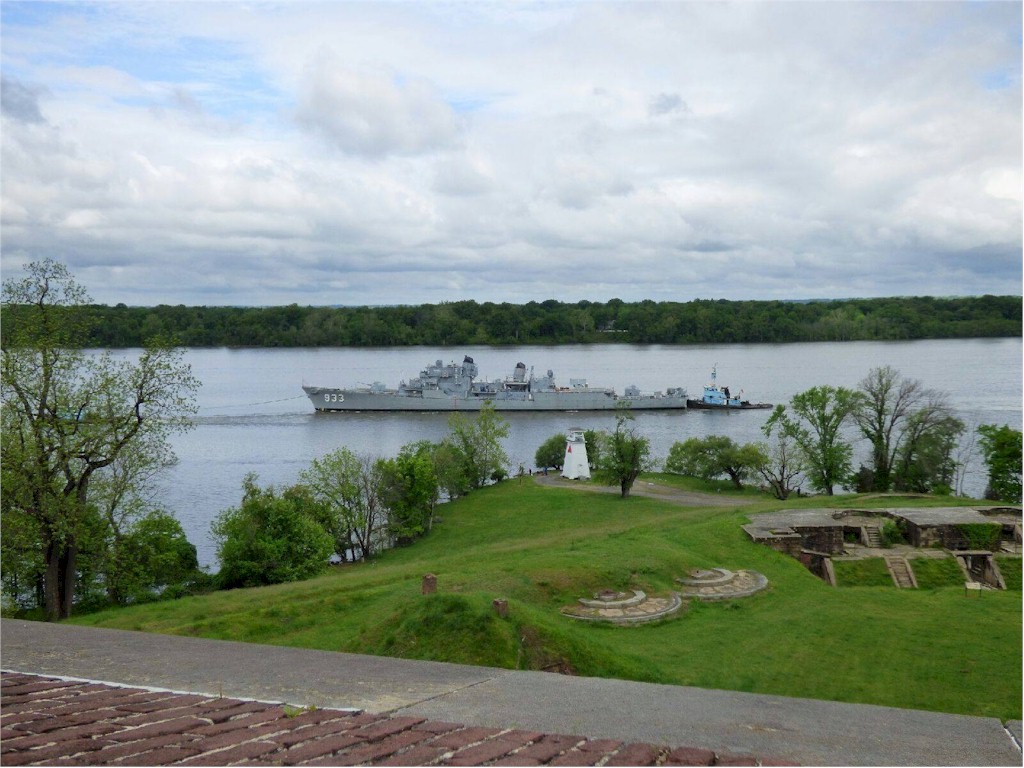
| 190k | Views of the Barry being towed to Philadelphia. The tugs towing the BARRY are Donjon’s EMILY ANN, MEGAN ANN and THOMAS D. WITTE, May 5 2016. | David Boone | |
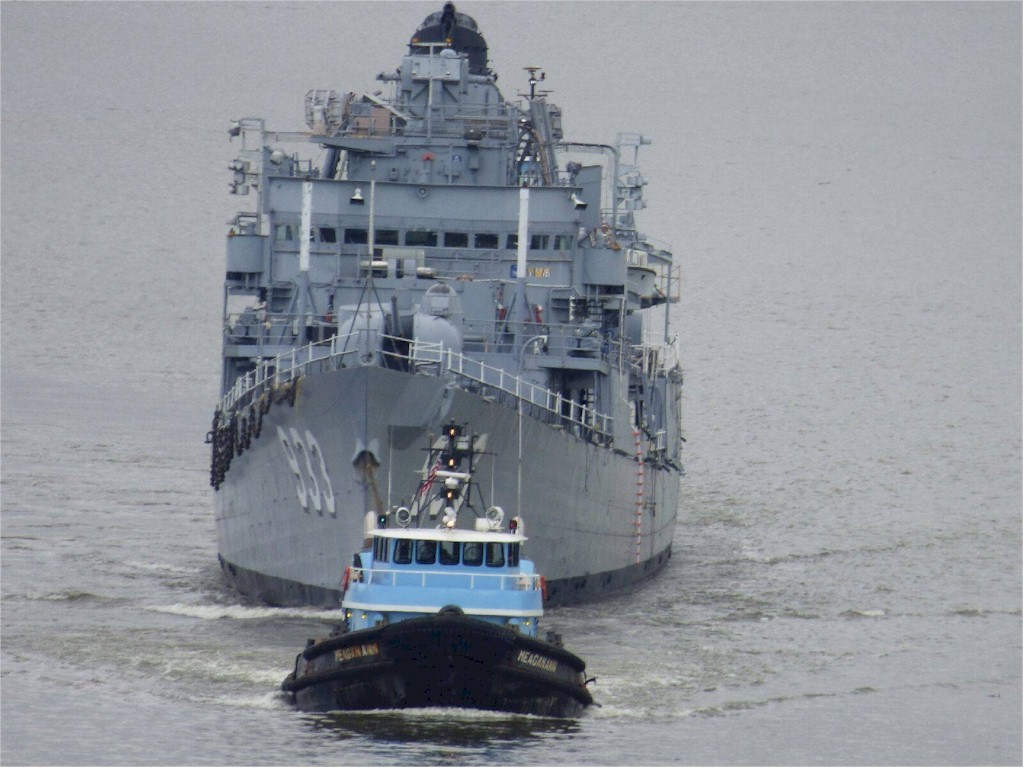
| 166k | As above. | David Boone | |
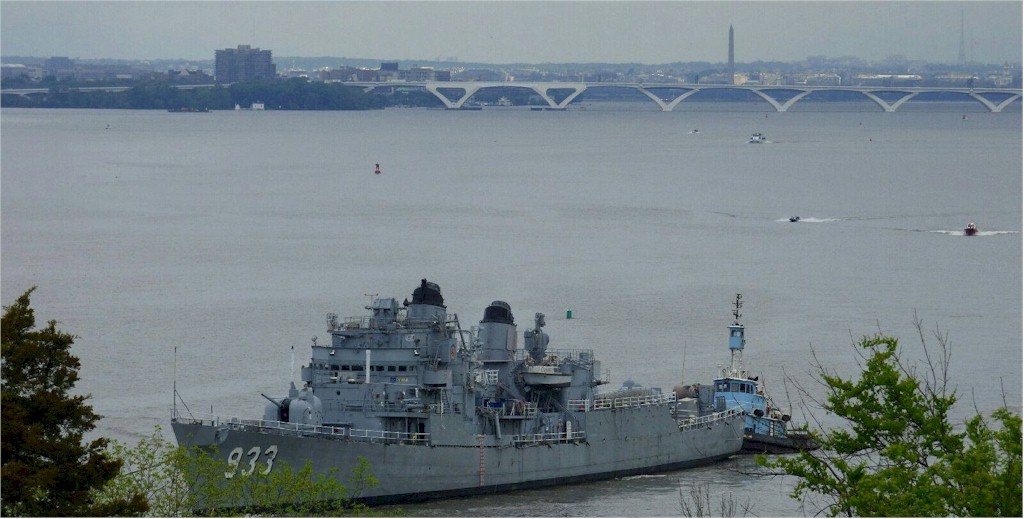
| 127k | As above. | David Boone | |
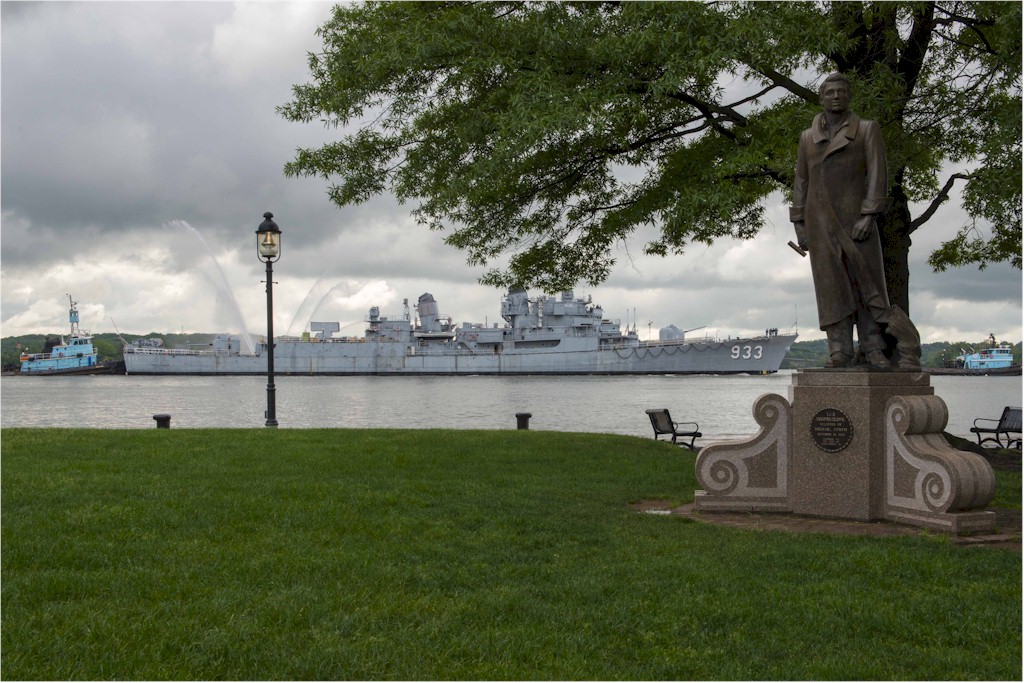
| 222k | As above. | Bob Haner | |
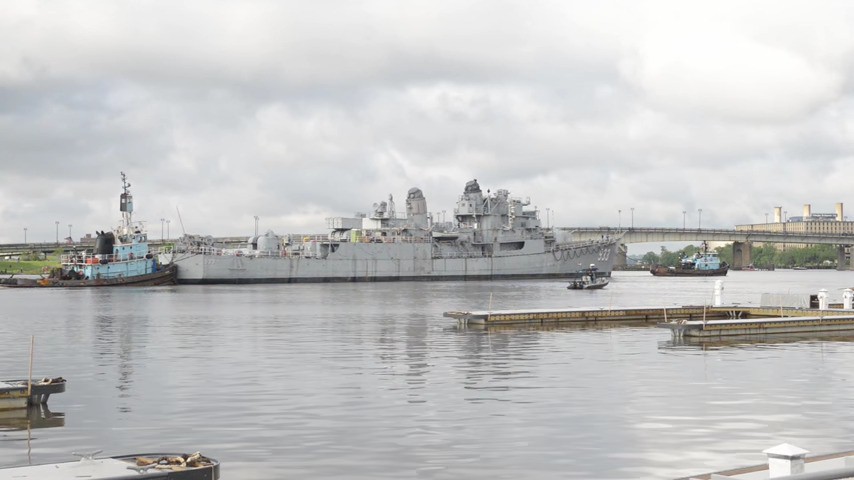
| 70k | As above. | Tommy Trampp | |
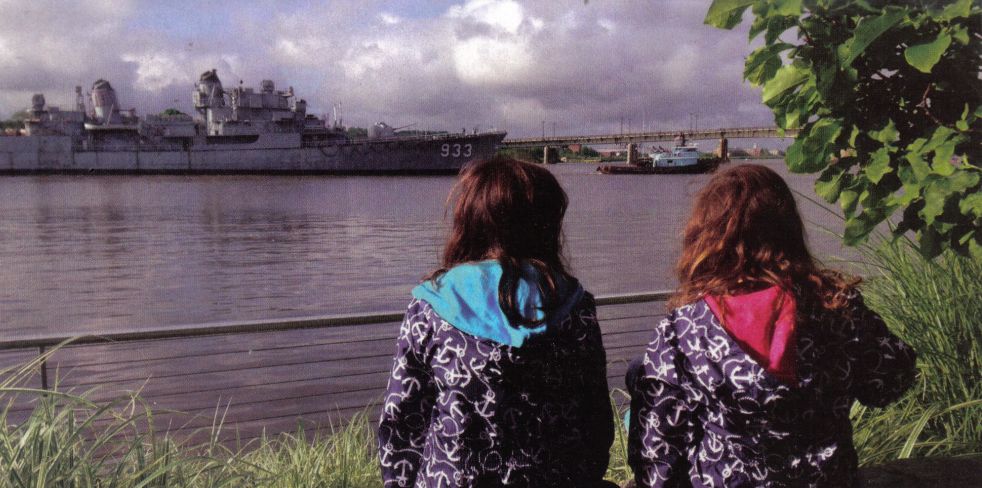
| 97k | As above. Photo by LCDR J.R. Riddle, USN (Ret) | Ron Reeves | |
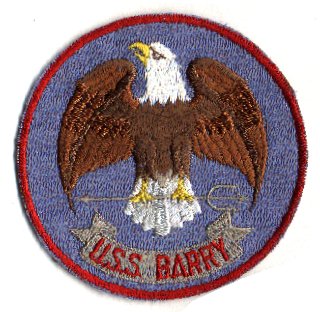
| 46k | Ship's patch. | Mike Smolinski | |
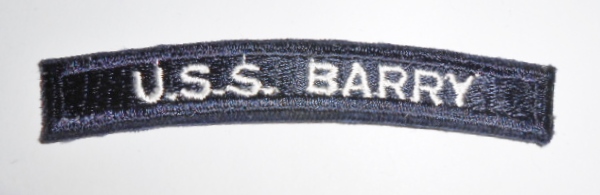
| 100k-120k | Uniform Ship's name shoulder patch. | Al Grazevich | |
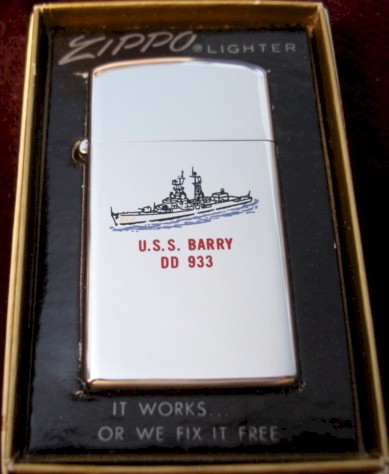
| 38k | Ship's Zippo circa 1974. | John A. Altfeltis | |
| Commanding Officers | ||
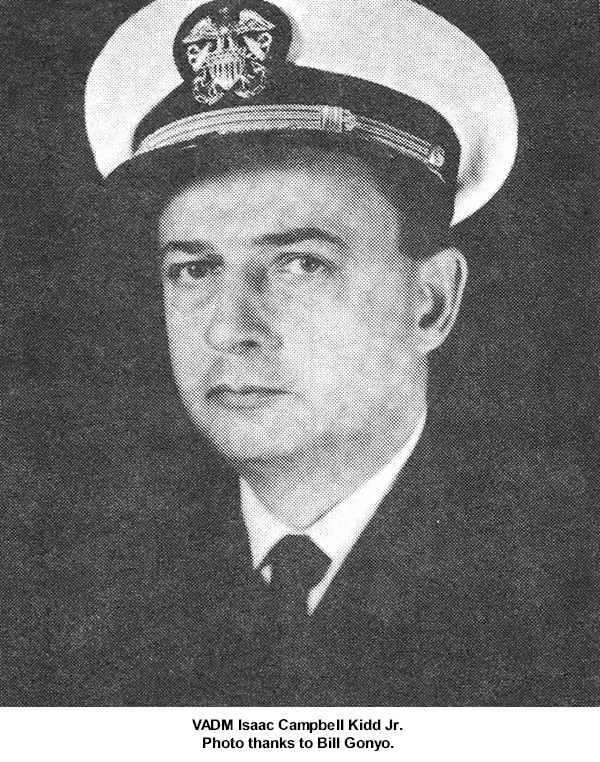
| 01 | CDR Isaac Campbell Kidd, Jr. (USNA 1942) | 07 September 1956 - 13 May 1958 |
| 02 | CDR Ivar Alex Johnson USN | 13 May 1958 - 03 August 1959 |
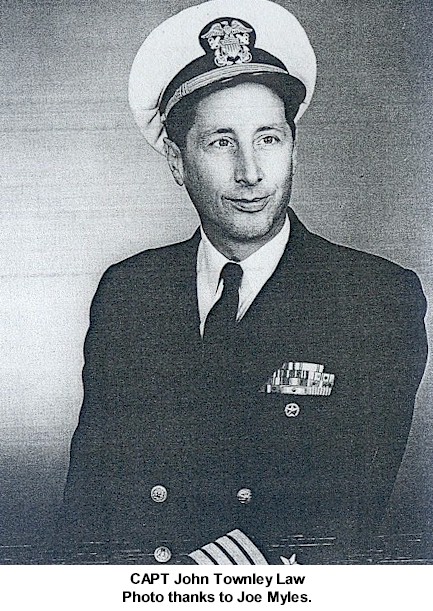
| 03 | CDR John Townsley Law USN | 03 August 1959 - 05 January 1961 |
| 04 | CDR Harvey O'Neill Webster, Jr. USN | 05 January 1961 - 14 July 1962 |
| 05 | CDR Marshall Douglas Ward USN | 14 July 1962 - 10 July 1964 |
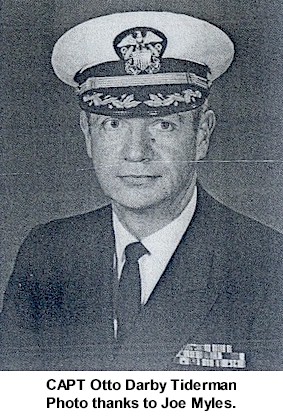
| 06 | CDR/CAPT Otto Darby Tiderman USN | 10 July 1964 - 31 January 1967 | Decommissioned | 31 January 1967 - 19 April 1968 |
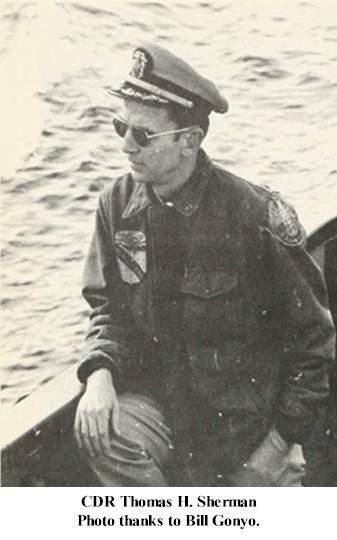
| 07 | CDR Thomas Hanson Sherman, Jr. (USNA 1950) | 19 April 1968 - January 1970 |
| 08 | CDR Glenn Scott Lockhart USN | January 1970 - 1971 |
| 09 | CDR Edward Amacker Sechrest (USNA 1956) | 1971 - 1972 |
| 10 | CDR Paul Stanley Frommer USN | 1972 - 1973 |
| 11 | CDR Jack Edward McQueston (USNA 1951) | 1973 - 09 July 1974 |
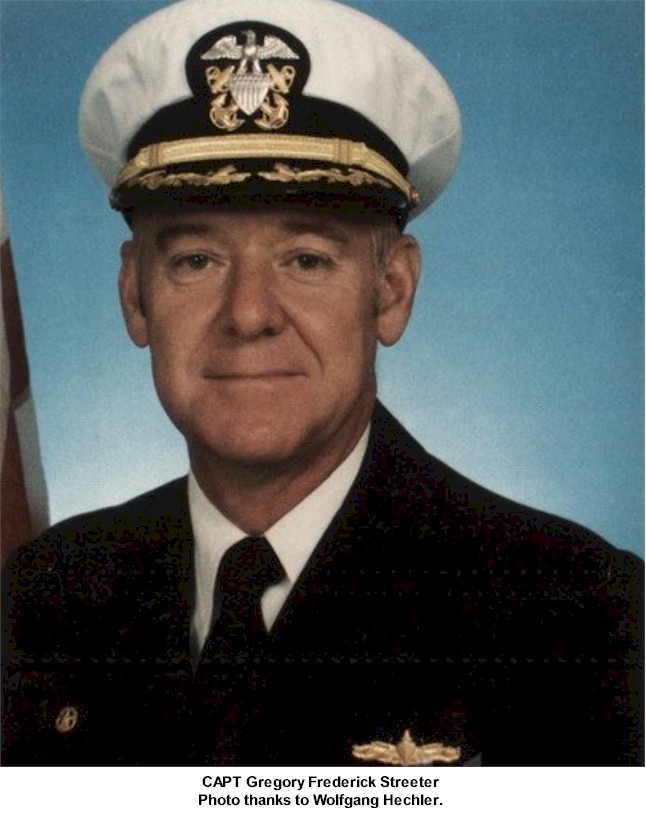
| 12 | CDR Gregory Frederick Streeter (USNA 1958) | 09 July 1974 - 28 May 1976 |
| 13 | CDR Joseph Edward Callahan USN | 28 May 1976 - 06 July 1978 |
| 14 | CDR Lloyd Harlan Adams (USNA 1959) | 06 July 1978 - 19 July 1980 |
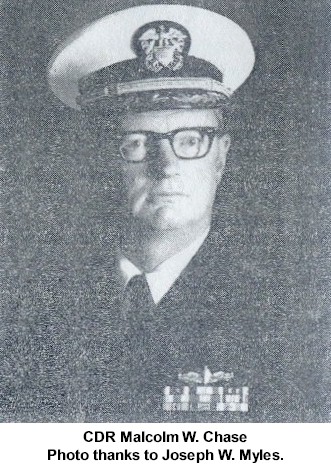
| 15 | CDR/CAPT Malcolm Withington Chase (USNA 1961) | 19 July 1980 - 30 April 1982 |
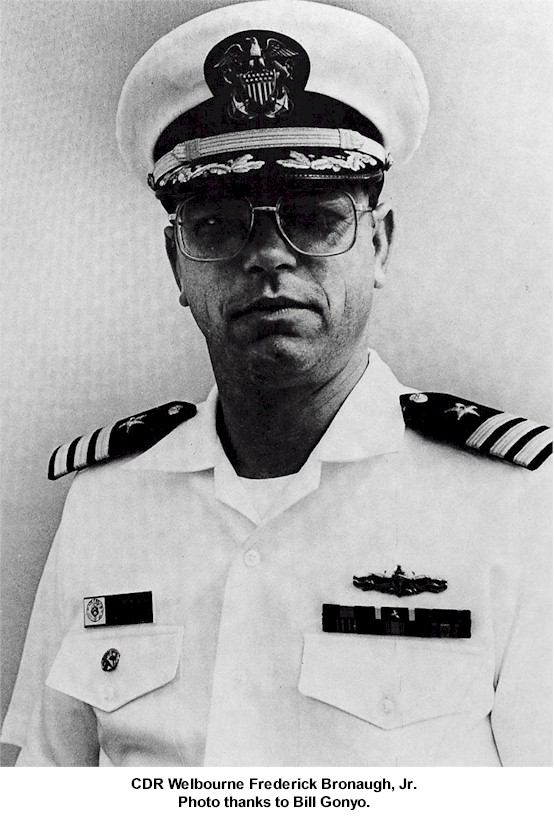
| 16 | CDR Welbourne Frederick Bronaugh, Jr. USN | 30 April 1982 - 22 September 1982 |
| 17 | LCDR Steven Garland Tinsley (USNA 1969) | 22 September 1982 - 05 November 1982 |
|
Courtesy Wolfgang Hechler and Ron Reeves |
The contact listed, Was the contact at the time for this ship when located. If another person now is the contact, E-mail me and I will update this entry. These contacts are compiled from various sources over a long period of time and may or may not be correct. Every effort has been made to list the newest contact if more than one contact was found.
| Back To The Main Photo Index | To The Destroyer Index Page |
This page was created by Fred Willishaw (ex ARG-4, AS-11 & DD-692) and is maintained by David L. Wright
|