Click On Image
For Full Size Image |
Size |
Image Description |
Contributed
By |
Namesake
|
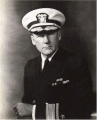
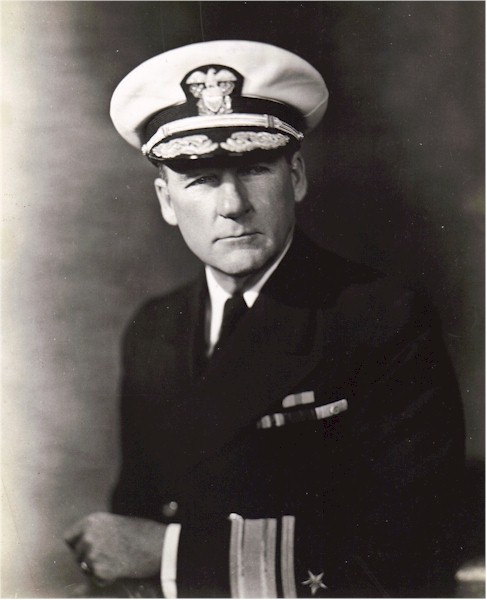
| 52k | William Henry Purnell Blandy was born on 28 June 1890 in New York City. He was appointed a Midshipman to the US Naval Academy in the entering class of 1909. He subsequently, graduated number 1 in his Class of 1913 and was appointed an Ensign in the United States Navy. Blandy's initial assigned was to the battleship USS Florida BB-30, where he served from 1913 to 1918. This included the landing at Vera Cruz, Mexico in 1914 and service with the British Grand Fleet during the First World War. He left the Florida as a temporary lieutenant commander in November of 1918. He served short tours at the US Naval Headquarters in London, England and with the Bureau of Ordnance, until 1919. He received advanced training in ordnance at the Naval Academy and the Naval Gun Factory, where he made many significant contributions.
He returned to sea duty in several assignments: as the assistant fire control officer in the battleship USS New Mexico BB-40, during 1921-22; executive officer of USS Vega AK-17; in communications aboard USS Pruitt DD-347 at Cavite and as gunnery officer of USS Stewart DD-224. With his genius for gunnery, in which he excelled during his Academy days, Blandy had a quick rise in choice assignments within the ordnance sector of the Navy. He served as the Head of the Bureau of Ordnance's Gun Section; gunnery officer aboard New Mexico during 1927-29; and as gunnery officer on Admiral Bostwick's staff, aboard the flagship West Virginia BB-48 through 1930. He served as naval attache in Brazil, for four years, until 1934. Commander Blandy was then the commanding officer of USS Simpson DD-221, followed by command of Destroyer Division Ten in flagship Pruitt DD-347, until 1936. He later became the CO of the target ship Utah AG-16. He was promoted to captain in September 1939, assuming the lead role in developing anti-aircraft defenses for the fleet at BuOrd. In February 1941 he was promoted to the rank of rear admiral to become the Chief of the Bureau of Ordnance. During the Second World War, he became Commander, Amphibious Group One in December of 1943. And participated in the Kwajalein offensive in 1944. In November he became Commander, Amphibious Support Force, in his flagship Estes AGC-12. He led pre-landing forces for the Battle of Iwo Jima and later Okinawa, during 1945. In July, he became Commander, Cruiser-Destroyer Force, Pacific Fleet. After the war, Blandy became best known for his oversight of the Atomic Testing at Bikini atoll in the Marshall Island group in July 1946. As a vice admiral he commanded Joint Task Force One aboard the Mt. McKinley AGC-7. He was promoted to the rank of admiral in February 1947 and became Commander-in-Chief, US Atlantic Fleet, serving for three years. Admiral Blandy retired from the US Navy in February 1950. He died at the US Naval Hospital at St. Albans, NY on 12 January 1954. Official US Navy Photographic Portrait of RADM William H. P. "Spike" Blandy, USN, taken in February of 1941, when he was serving as the Chief of the Bureau of Ordnance. File number USN OOR-2044. | Robert M. Cieri |
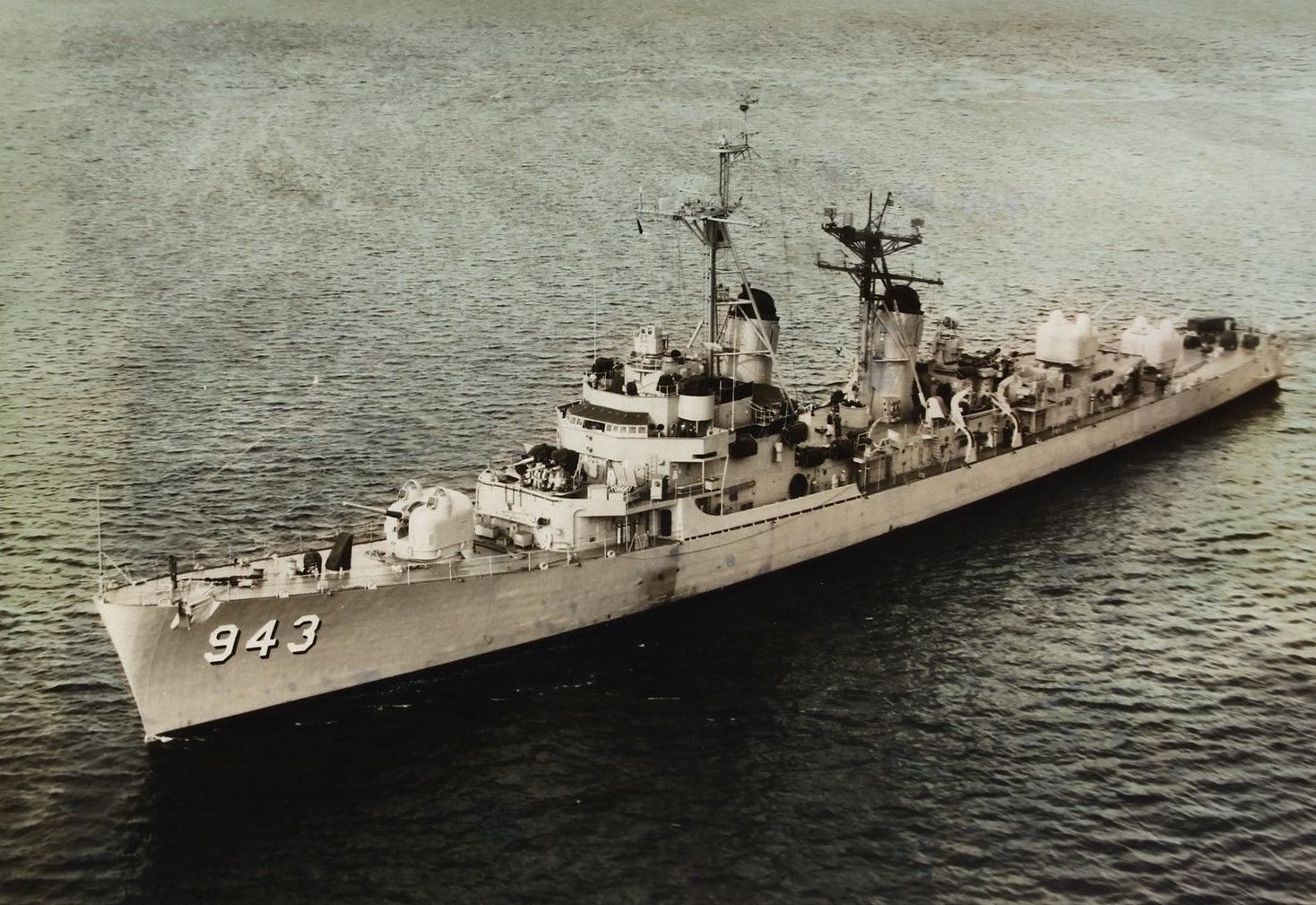
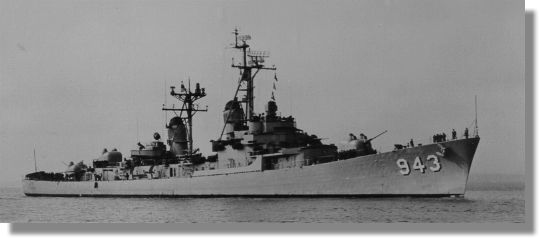
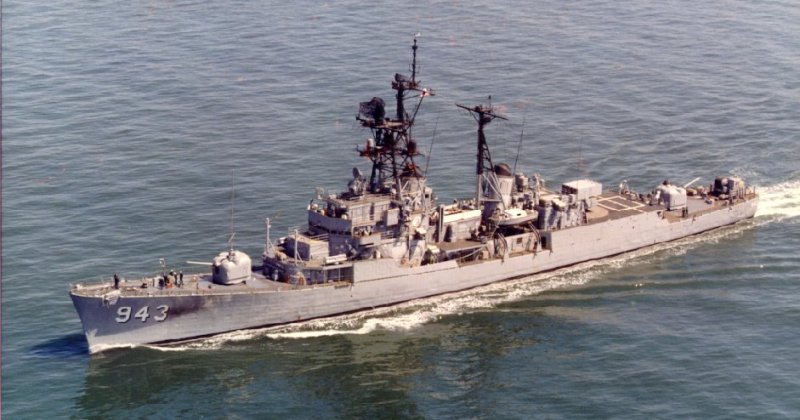
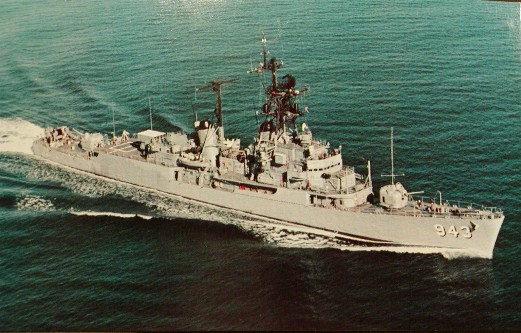
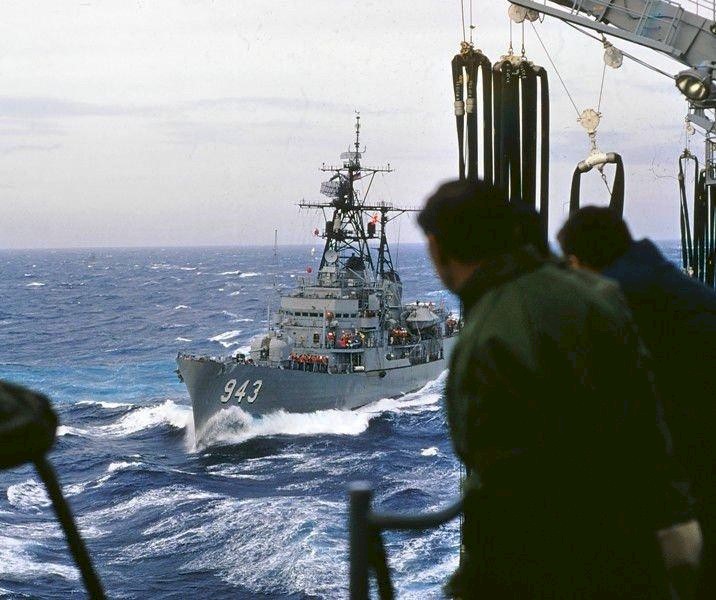
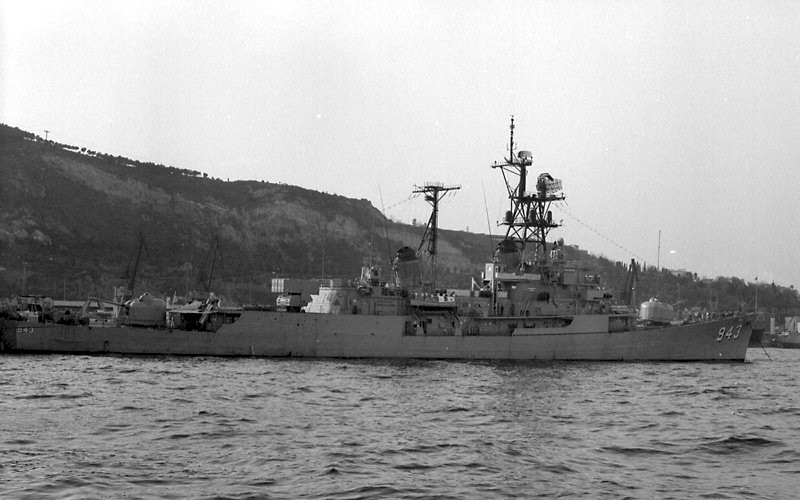
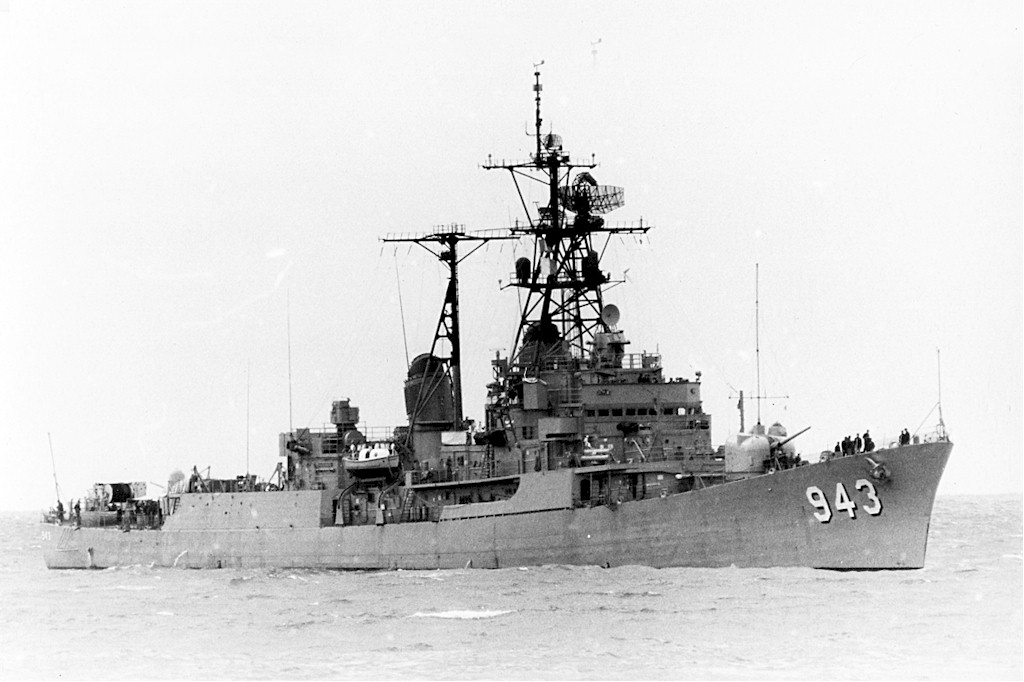
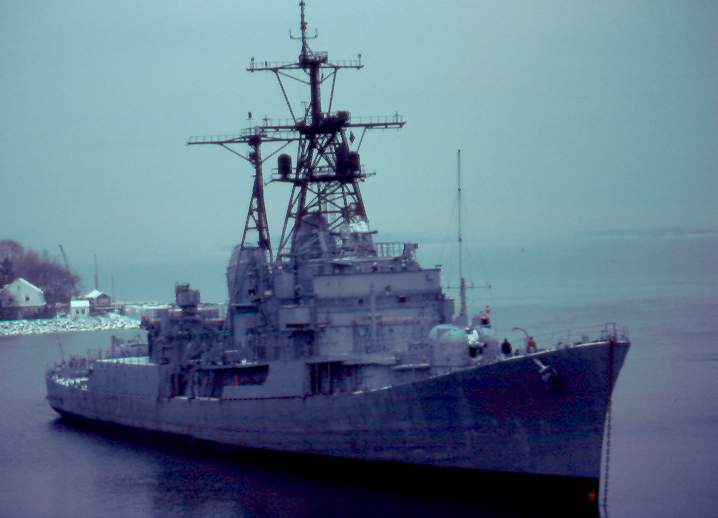
USS Blandy (DD-943)
|
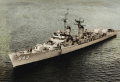
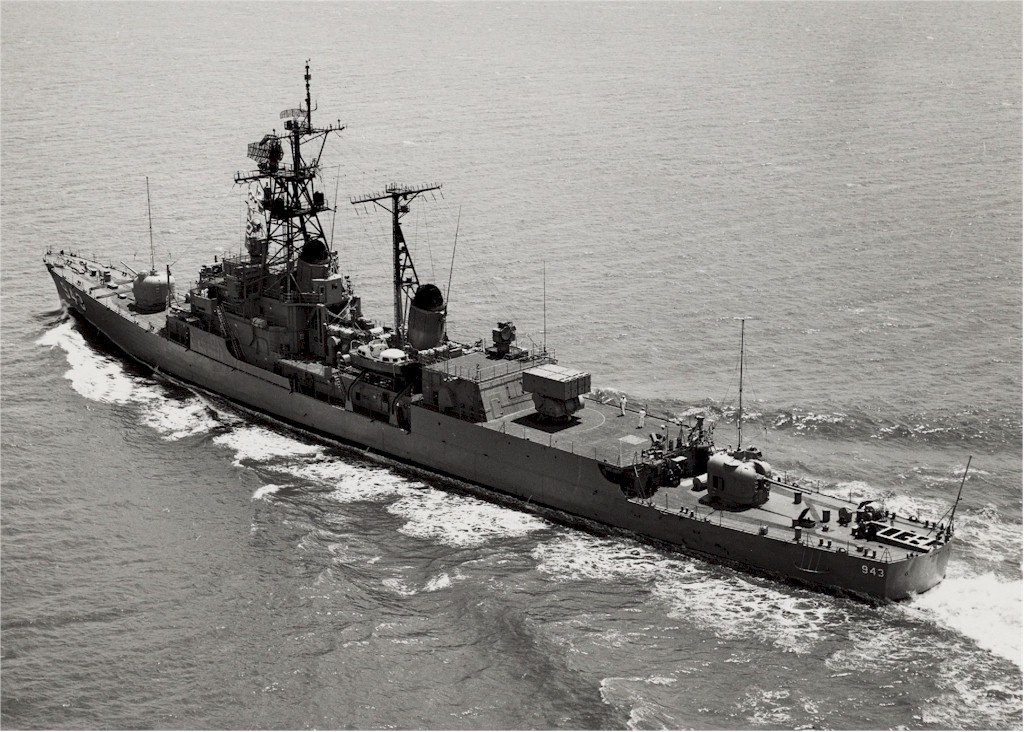
| 276k | Undated, location unknown. | Dave Wright |
| 15k | Undated, location unknown. | William Bowlin (Crewmember 69-71) |
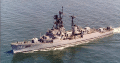
| 73k | Undated, location unknown. | Lee Atkins BT3, 1982 |
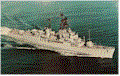
| 66k | Undated postcard Copyright © Atlantic Fleet Sales, Norfolk, VA. | Mike Smolinski |
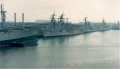
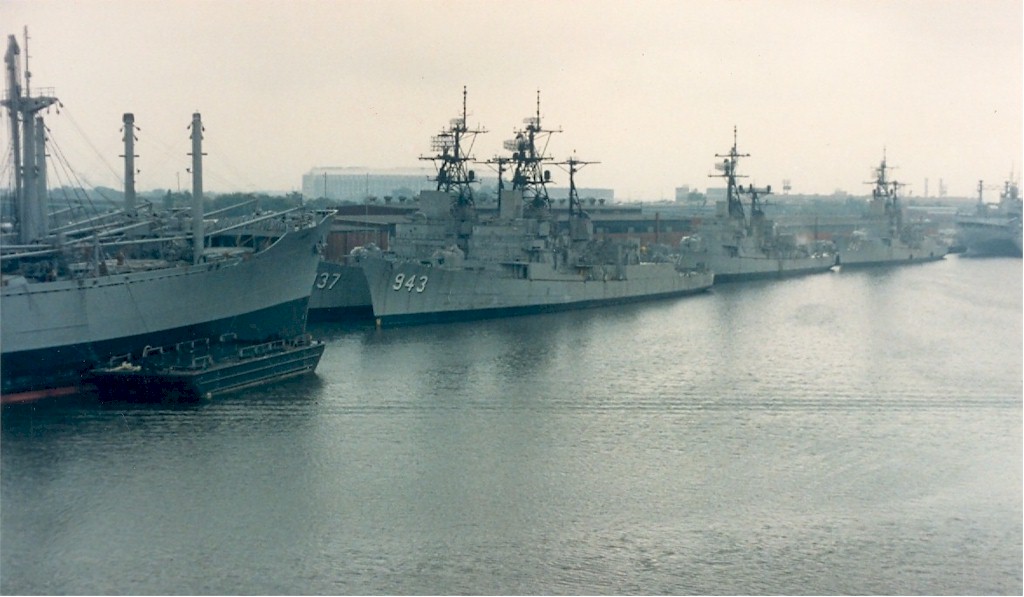
| 122k | Undated, Philadelphia Navy Yard. USS Blandy (DD-943), USS Davis (DD-937), USS Forrest Sherman (DD-931) and USS Manley (DD-940). | Ed Zajkowski |
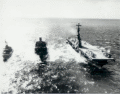
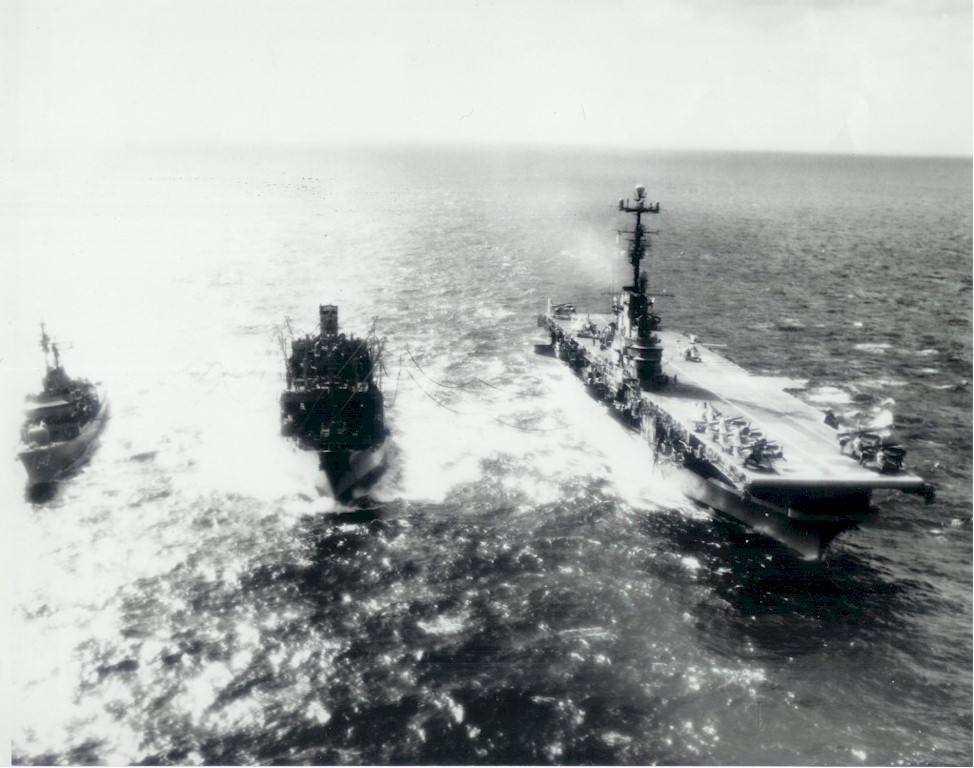
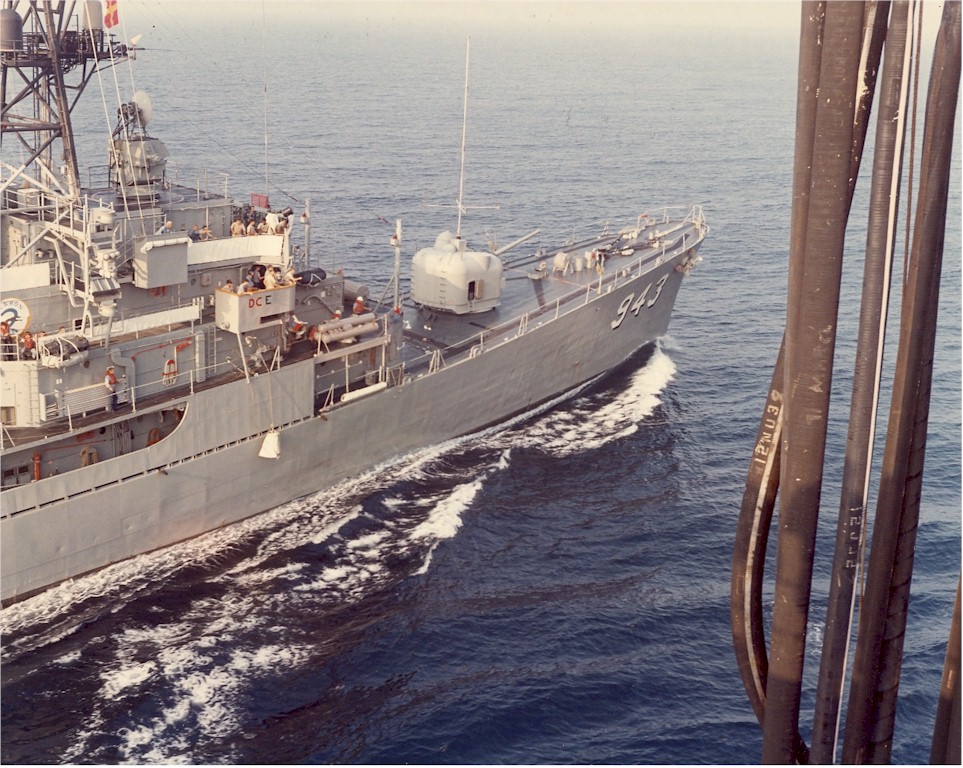
| 147k | Undated, USS Marias (AO-57), center, refueling USS Blandy (DD-943), left, and USS Lake Champlain (CVS-39). | Ron Reeves |
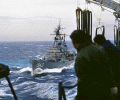
| 108k | Undated, location unknown. | Tommy Trampp |
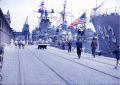
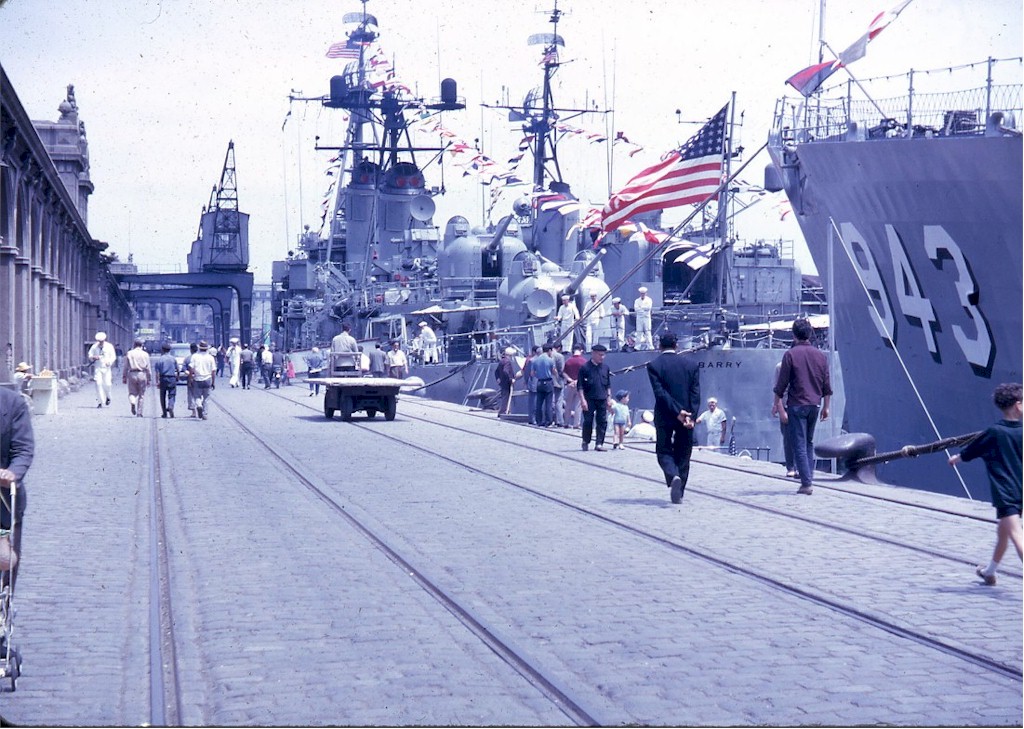
| 228k | USS Barry (DD-933) and USS Blandy (DD-943) in Barcelona, circa the early 1960s. | Jim Buttleman |
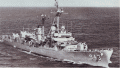
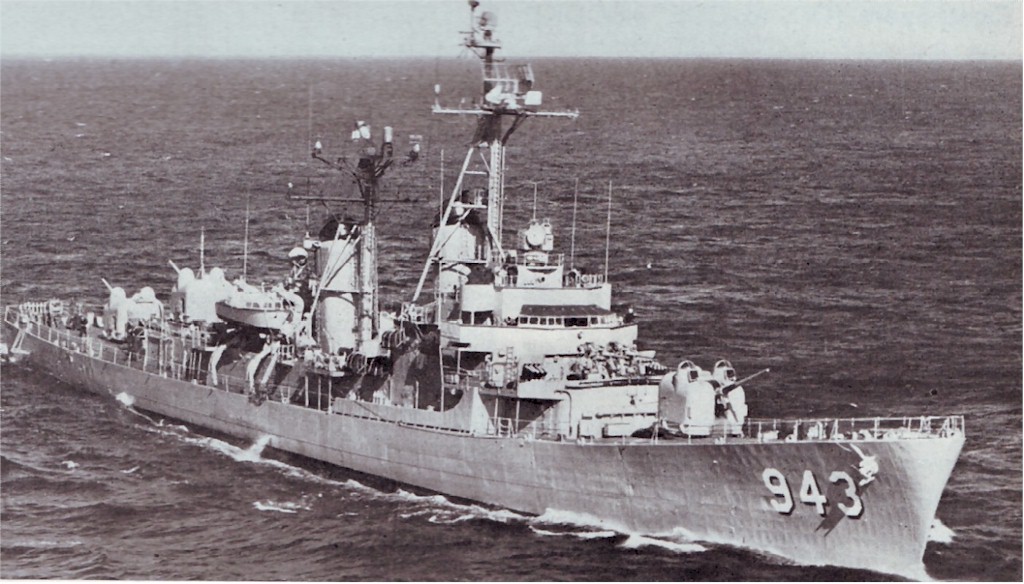
| 164k | USS Blandy (DD-943) underway circa 1963, location unknown. Photo from "Our Navy" magazine. | Robert Hurst |
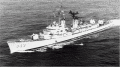
| 188k | In 1965 when Blandy was the Number 2 Recovery Ship for the Gemini IV space flight. | Jerry Leveque |
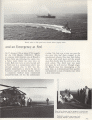
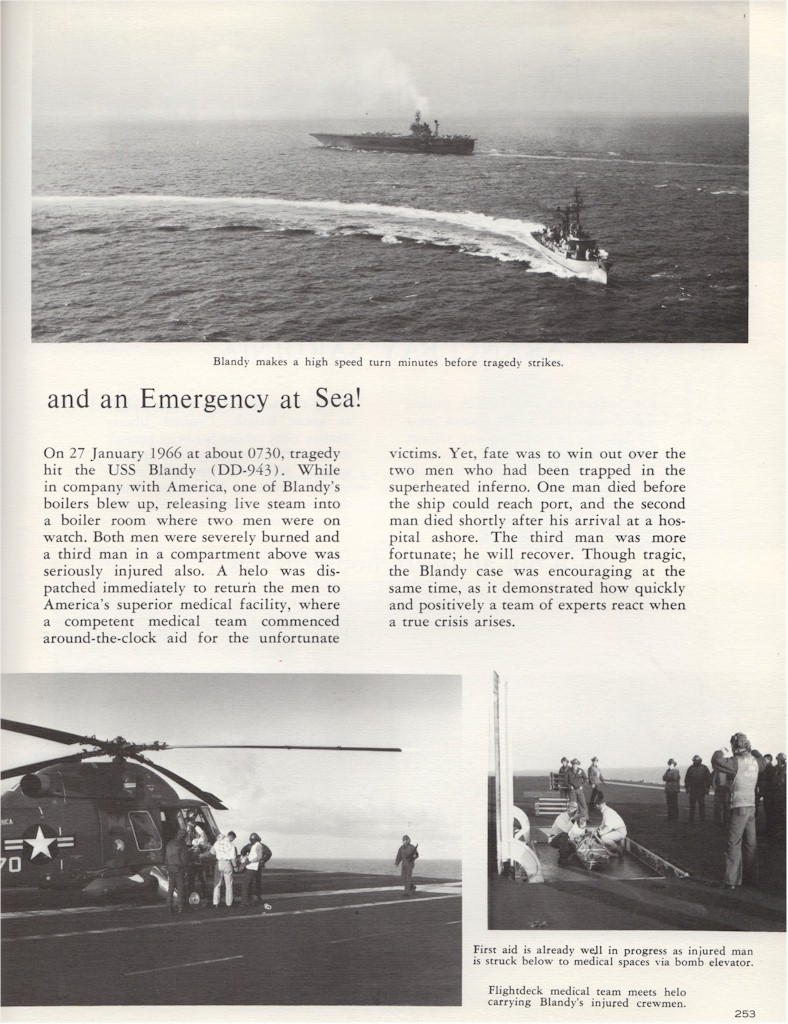
| 206k | Page from the USS America (CVA-66) cruisebook showing the events of the January 27 1966 boiler explosion aboard the Blandy. | Thomas Becher |
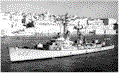
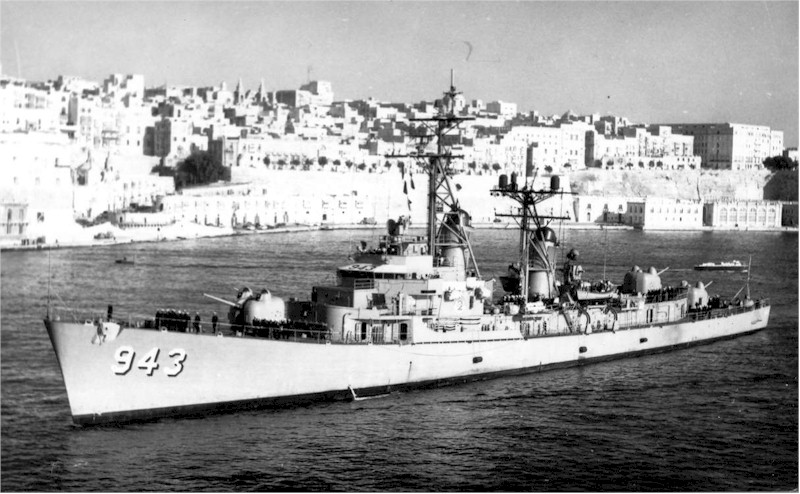
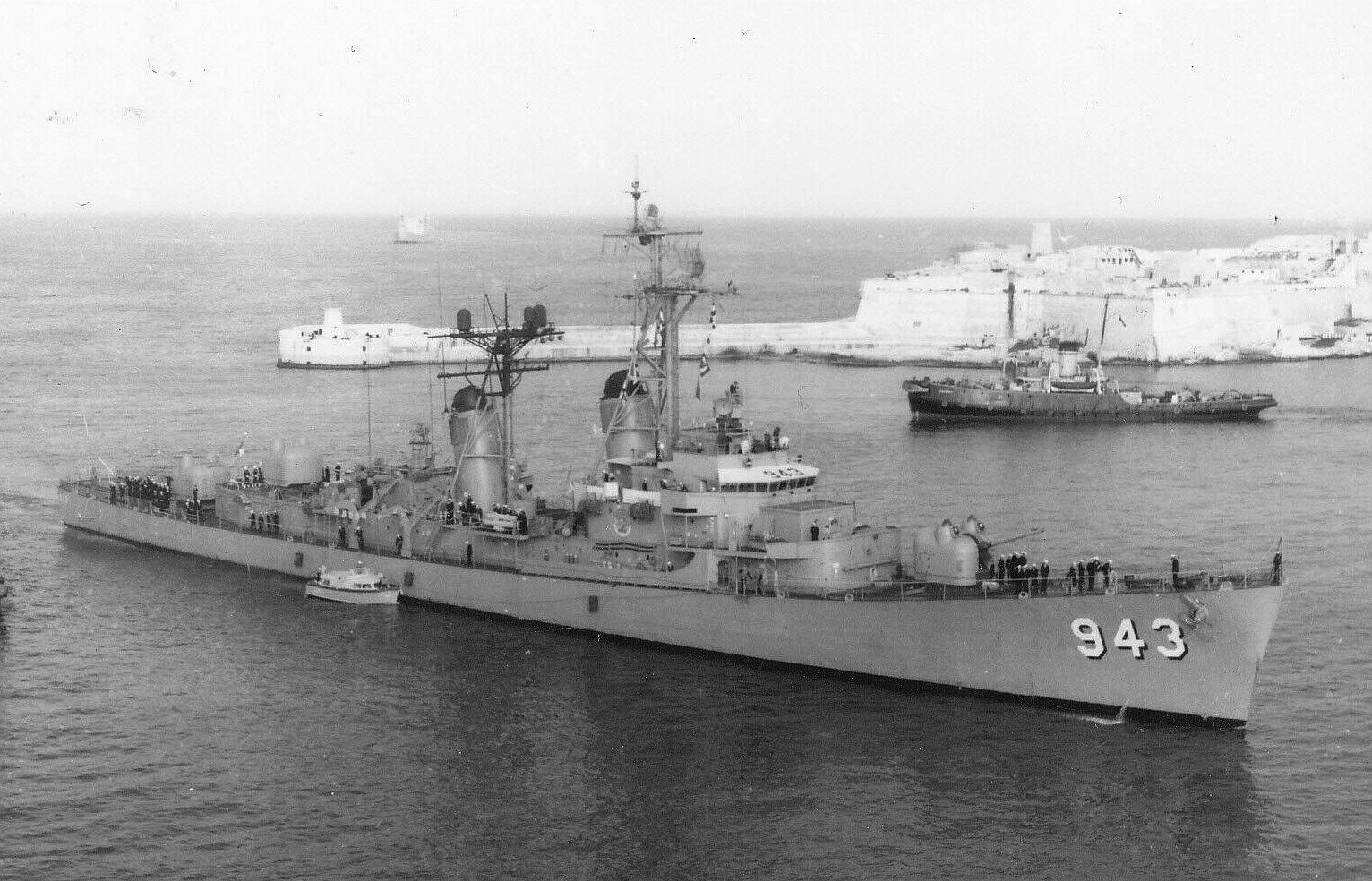
| 118k | Valletta, Malta January 29 1966. | Marc Piché |
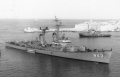
0594350 |
259k | Blandy (DD-943) in Grand Harbour, Valletta, Malta, probably same date as above. Wright & Logan photo. | Dave Wright |
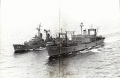
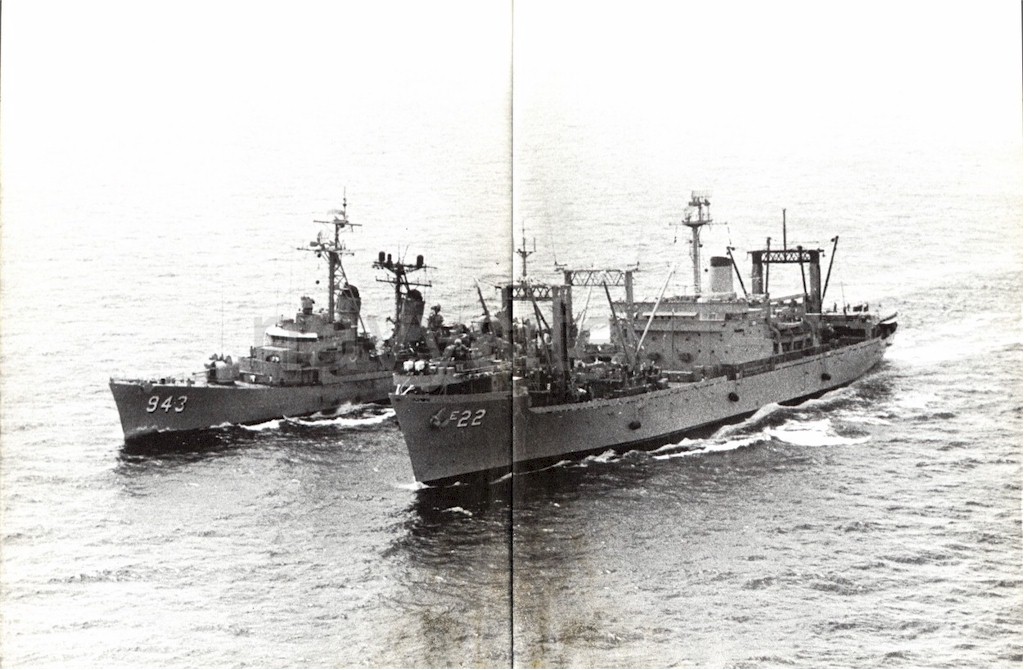
| 172k | Alongside the USS Mauna Kea (AE-22) during 1970, location unknown. | Richard Miller BMCS USNR (Ret.) |
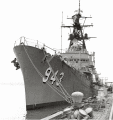
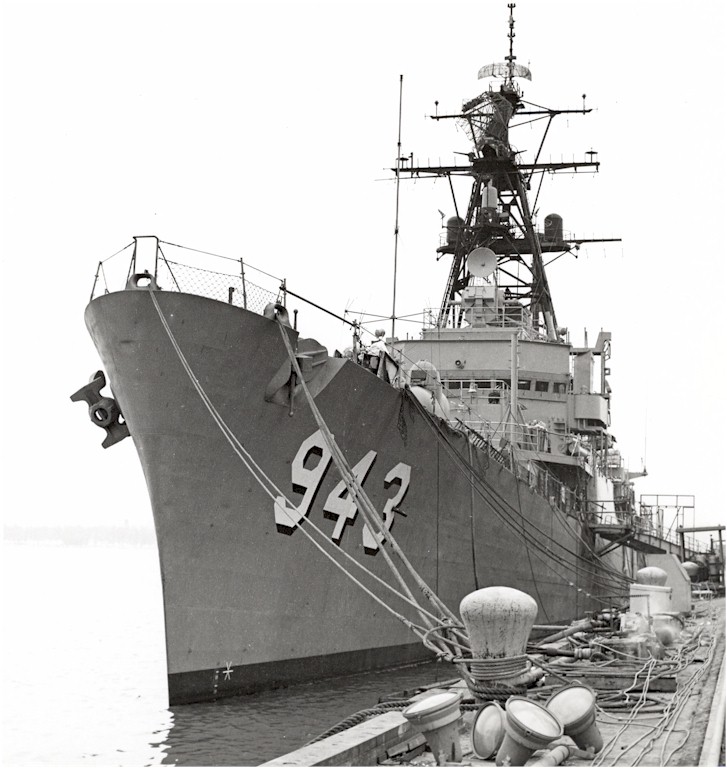
| 114k | February 17 1970 at Philadelphia Navy Yard. | Ed Zajkowski |
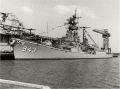
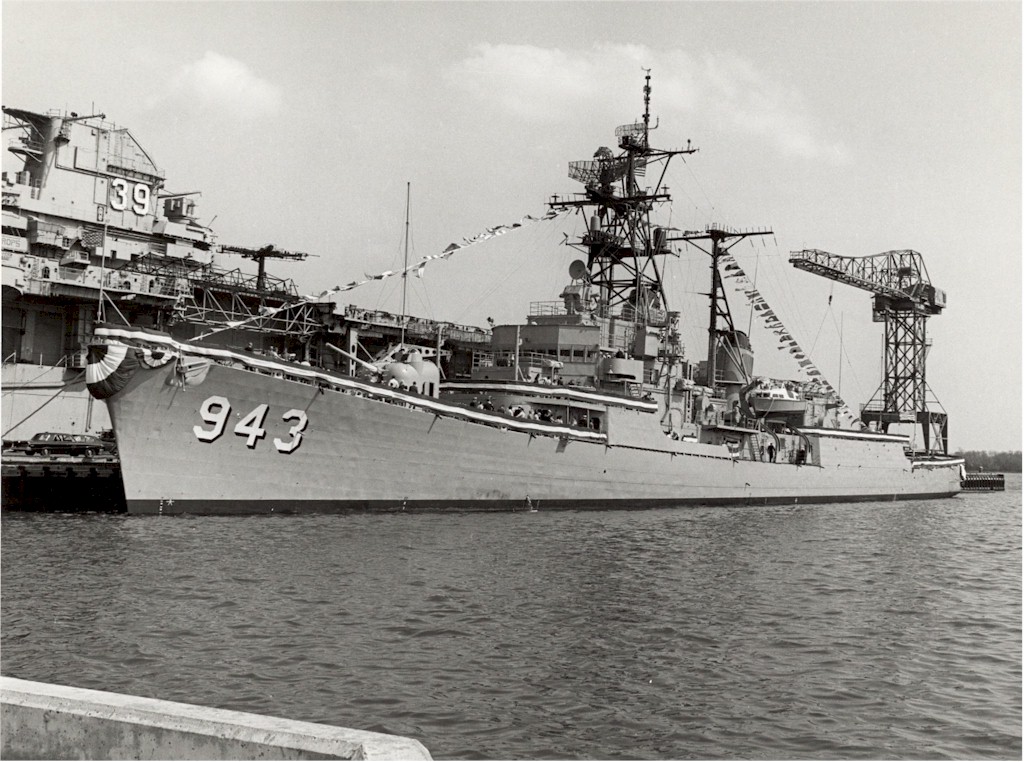
| 218k | May 2 1970 at Philadelphia Navy Yard, USS Lake Champlain (CV-39) in background. | Ed Zajkowski |
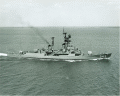
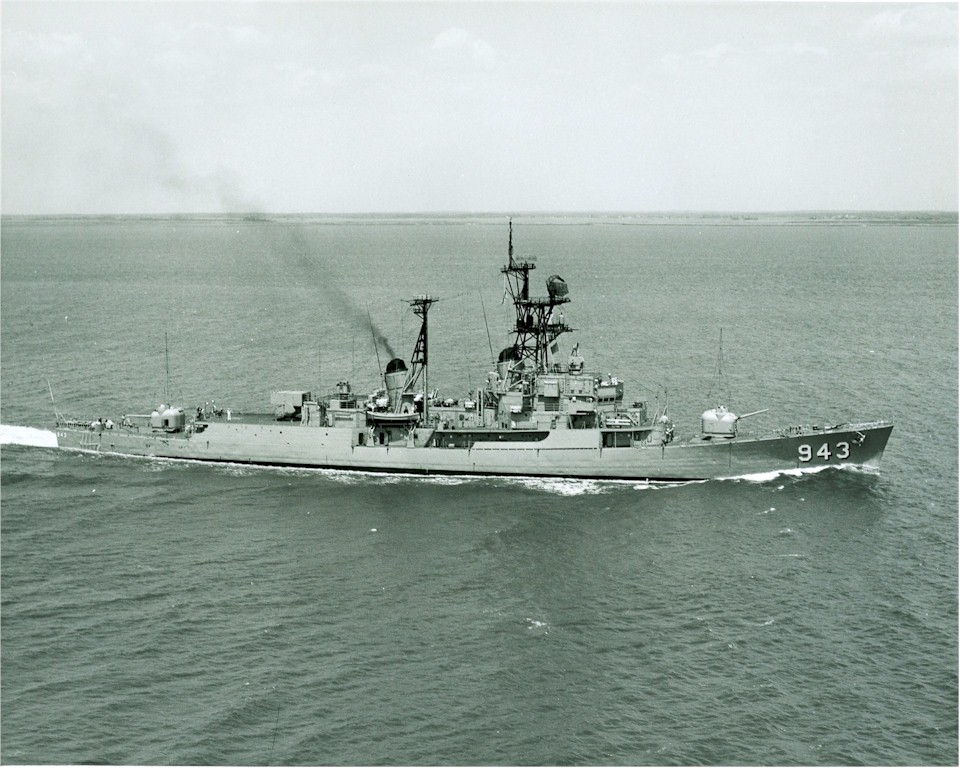
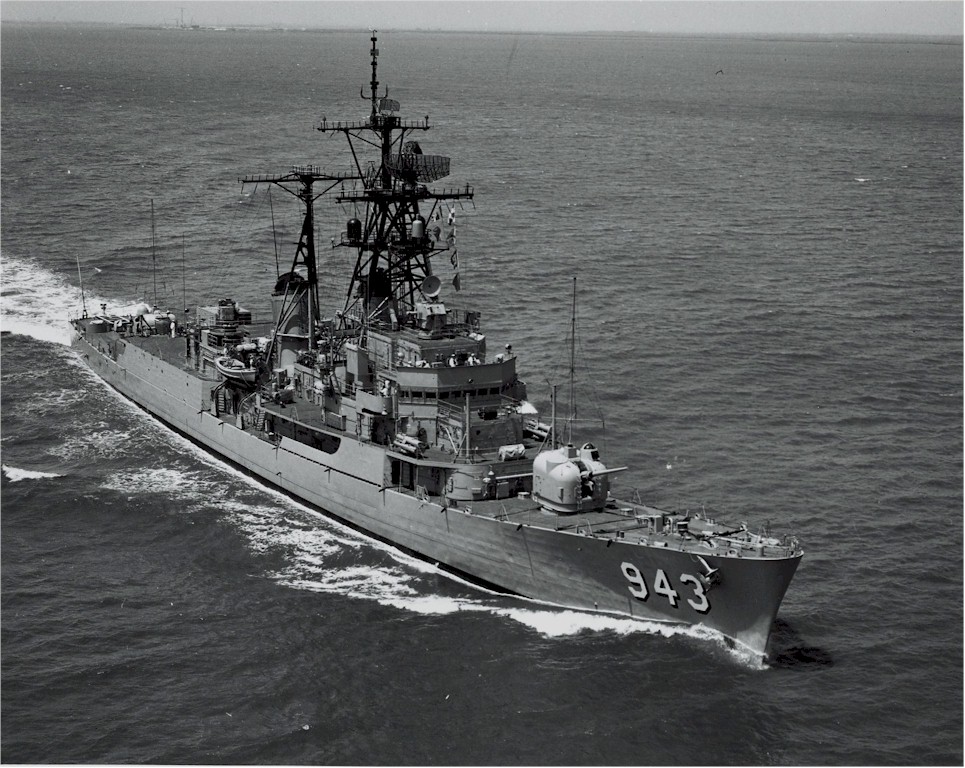
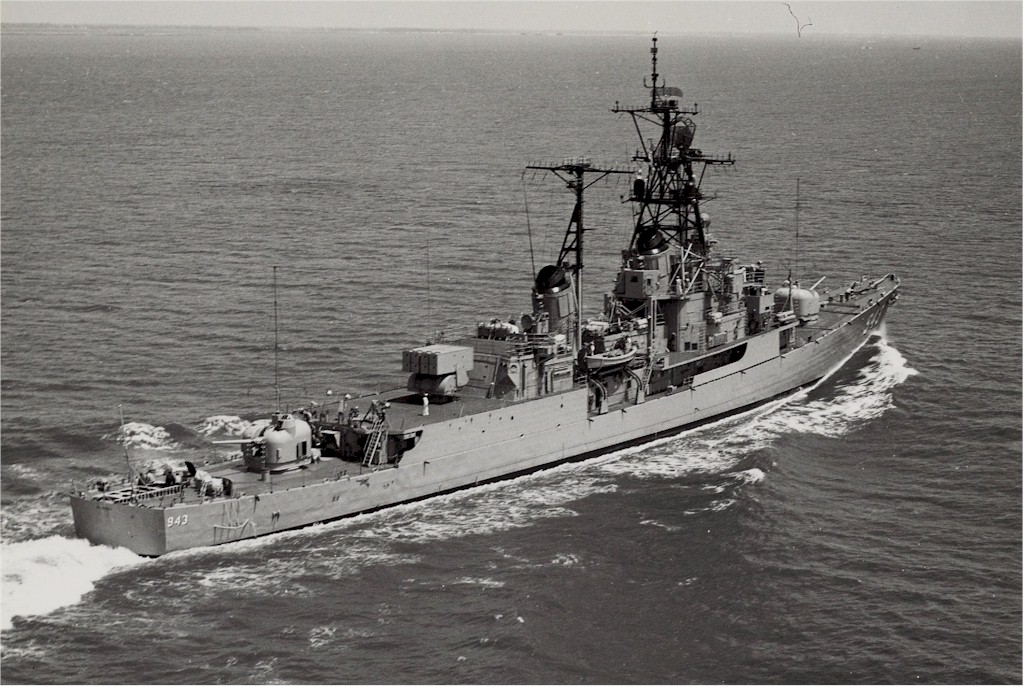
| 181k | May 18 1970, Delaware River, Philadelphia Naval Shipyard photo. | Ed Zajkowski |
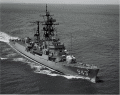
| 219k | May 18 1970, Delaware River, Philadelphia Naval Shipyard photo. | Ed Zajkowski |
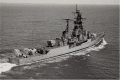
| 215k | May 18 1970, Delaware River, Philadelphia Naval Shipyard photo. | Ed Zajkowski |
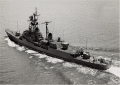
| 243k | May 18 1970, Delaware River, Philadelphia Naval Shipyard photo. | Ed Zajkowski |
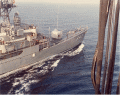
| 134k | July 22 1975 refueling, location unknown. | Ed Zajkowski |
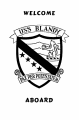
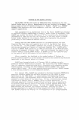
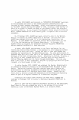
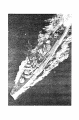
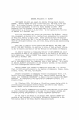
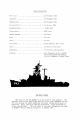
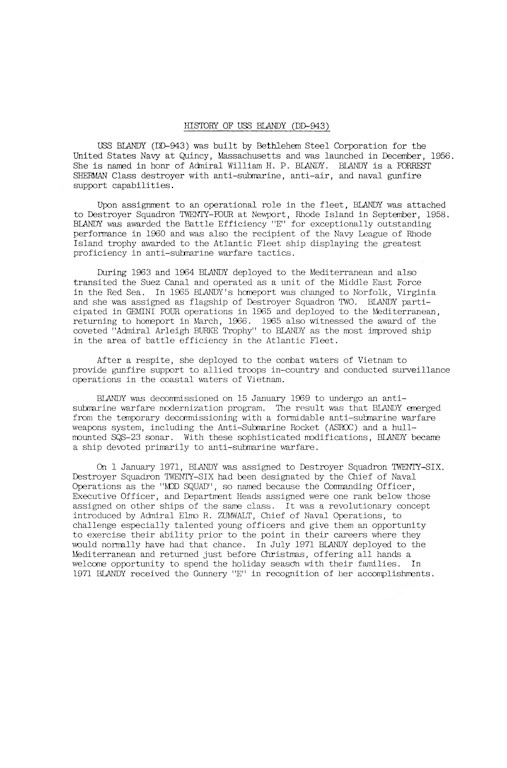
Welcome Aboard pamphlet - circa 1977 | Wolfgang Hechler |
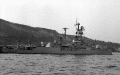
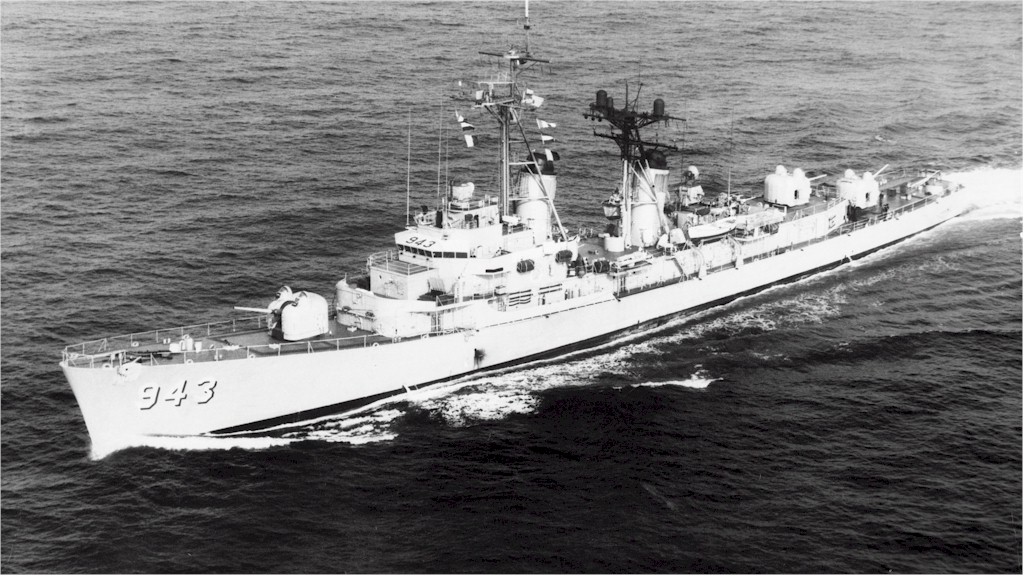
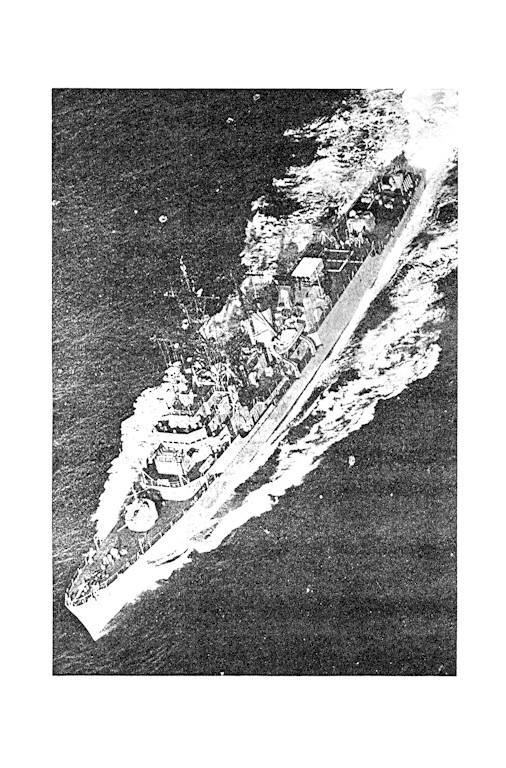
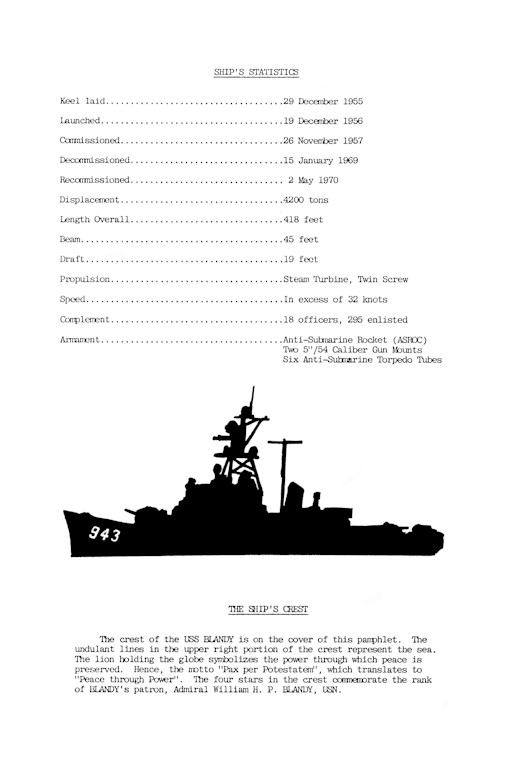
| 96k | Taken in Barcelona, Spain, on March 6, 1978. This view shows the ship after her ASW modernization, with 3"/50 guns removed; an ASROC "pepperbox" substituted for No. 2 5"/54 mount; triple Mk.32 torpedo tubes on the 01 level, just forward of the bridge; SQS-35 VDS on the fantail (along with a keel-mounted SQS-23, obviously invisible here). She was also fitted with an SPS-40 air search radar and two gun directors: a Mk.68 forward and a Mk.56 aft. | Fabio Peña |
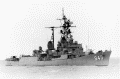
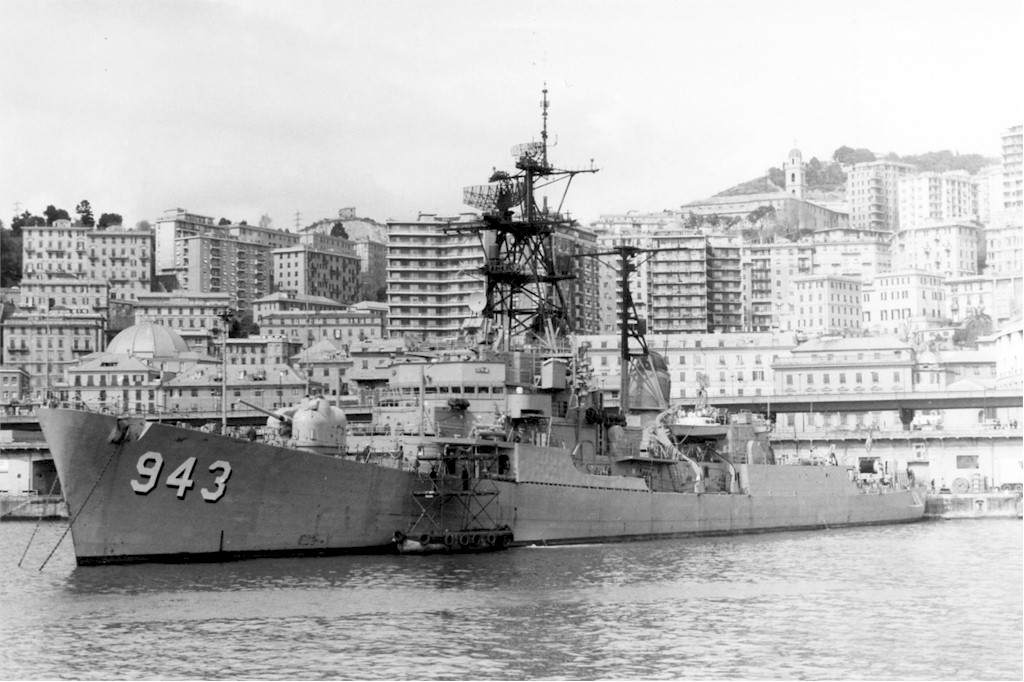
| 135k | Arriving at Genoa on March 20 1978. | Carlo Martinelli |
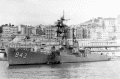
| 174k | At Genoa on March 21 1978. | Carlo Martinelli |
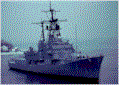
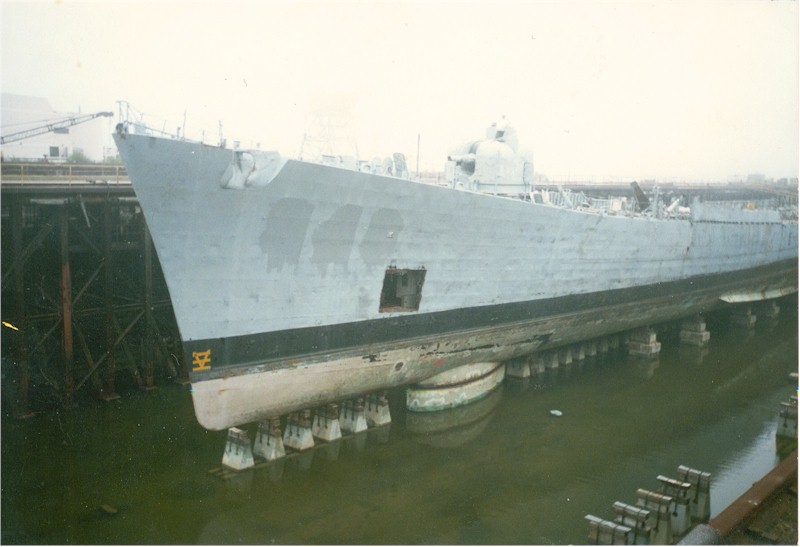
| 27k | Under tow at Fore River to be broken up on January 31, 1993. | Marc Piché |
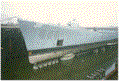
| 77k | View of the Blandy during her scrapping. | Gregory Wells |
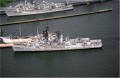
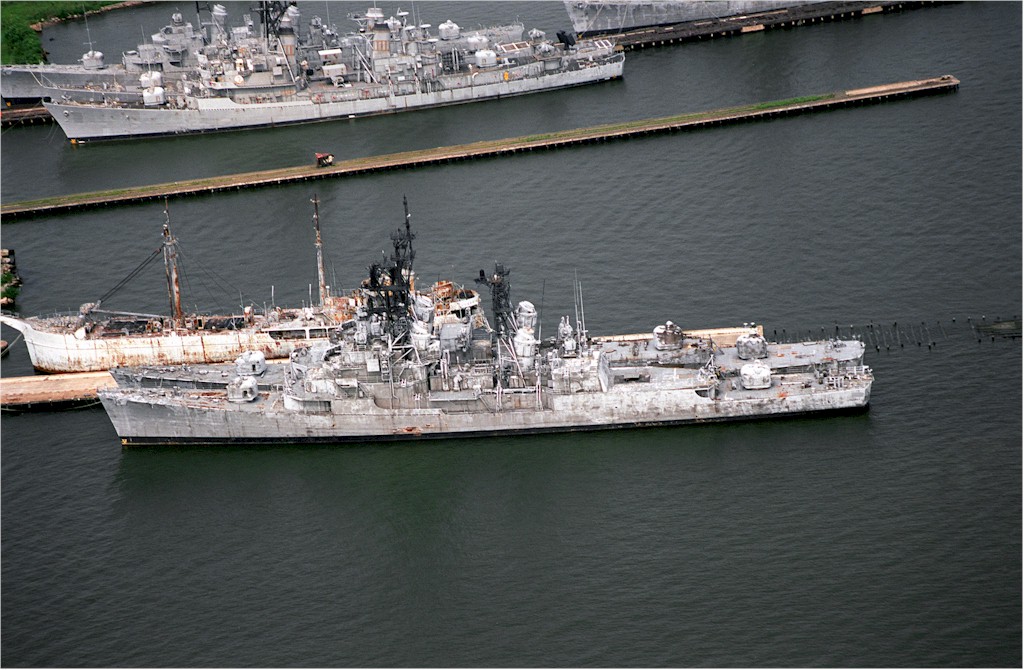
| 75k | August 25, 1994, Baltimore, Maryland, an aerial sided view of two Forrest Sherman class destroyers tied up at the Baltimore Fairfield Terminal awaiting scrapping. On the inboard side is the destroyer Forrest Sherman (DD-931) and outboard is the Blandy (DD-943). On the north side of the pier is the former U.S. Army N-3 type port repair ship Madison Jordan Manchester which is also to be scrapped. | Fred Weiss |
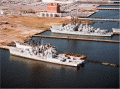
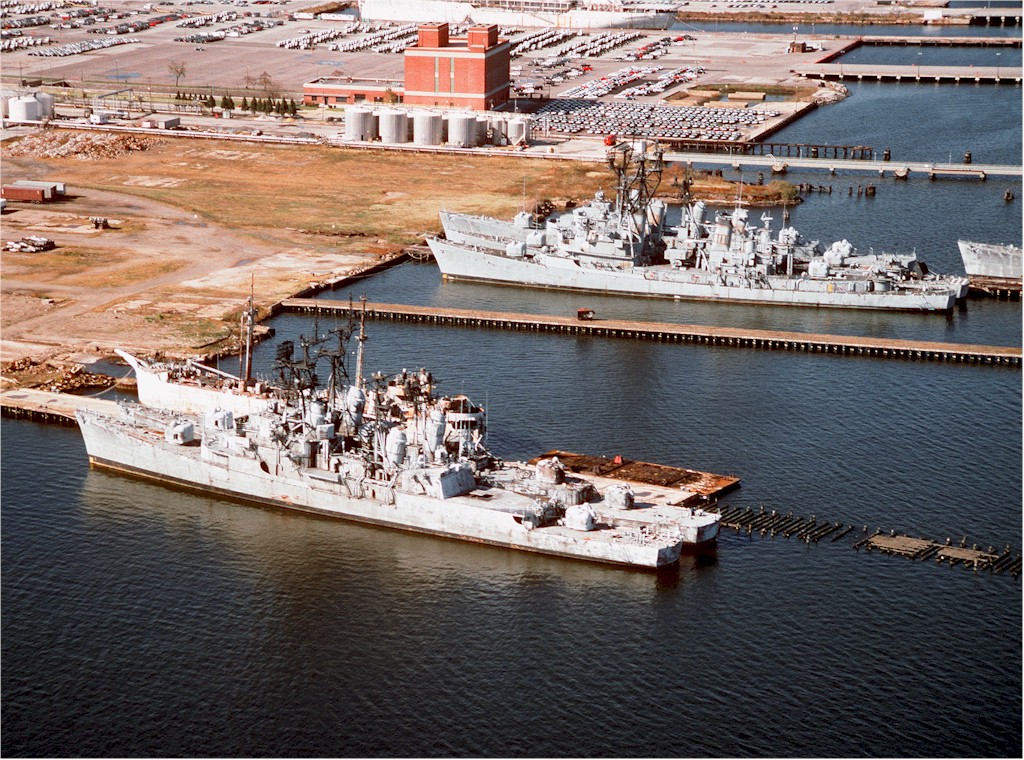
| 314k | An aerial view of the Baltimore Fairfield Terminal area showing various former U.S. Navy destroyers awaiting the scrapper's torch. From bottom to top: the destroyers Blandy (DD-943) and Forrest Sherman (DD-931), the former U.S. Army N-3 type port repair ship Madison Jordon Manchester (ex USS Hydra (AK-82)), the guided missile destroyers USS Claude V. Ricketts (DDG-5) and USS Lawrence (DDG-4), the destroyer USS Davis (DD-937) and the bow of the USS Bigelow (DD-942), November 11 1994. Photo courtesy of the National Archives. | Bill Gonyo |
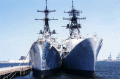
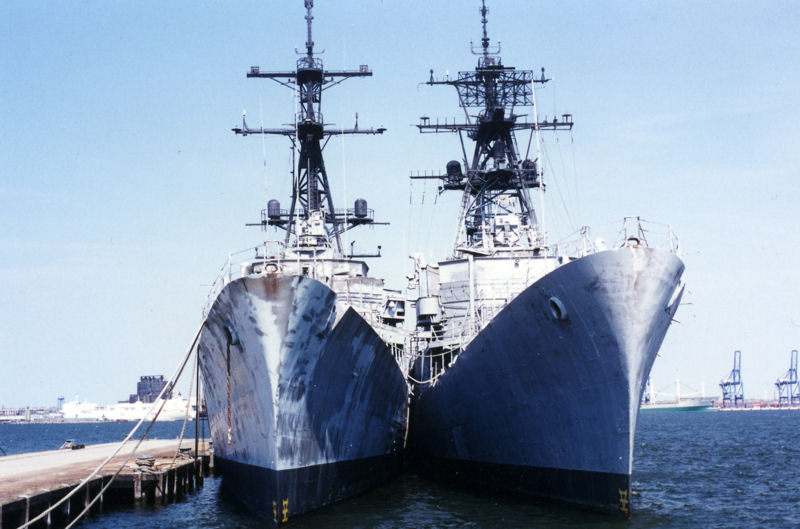
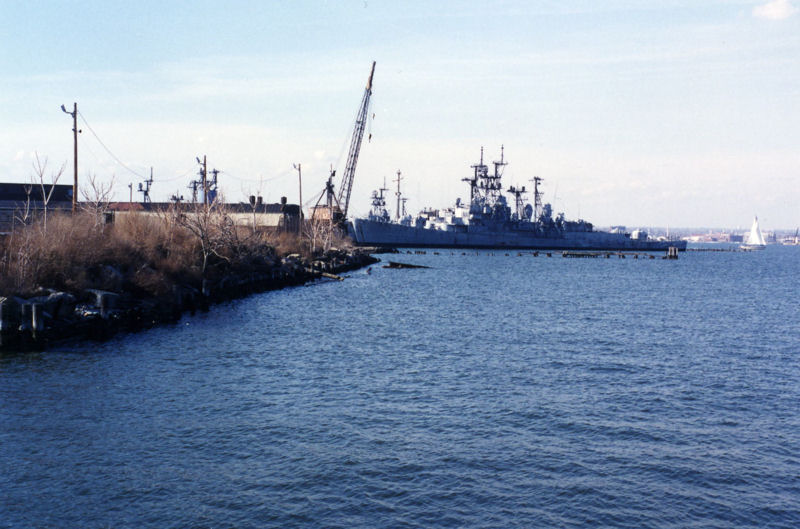
| 75k | Forrest Sherman inboard of Blandy viewed from the Patapsco River in early 1995. | Larry Backus |
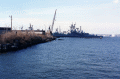
| 84k | Blandy viewed from the Patapsco River in early 1995. | Larry Backus |
Memorabilia
|
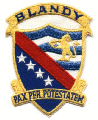
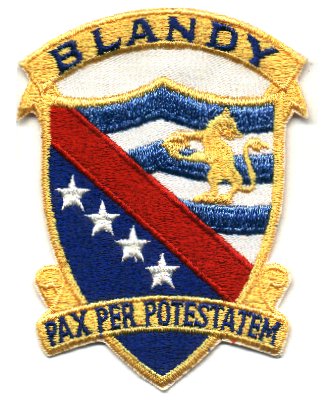
| 57k | Ship's patch | Mike Smolinski |

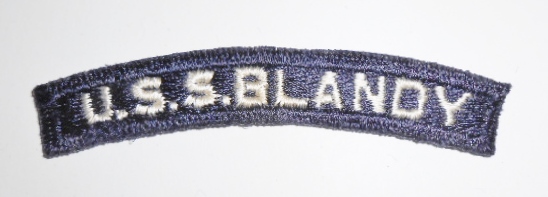
| 100k-120k | Uniform Ship's name shoulder patch. | Al Grazevich |
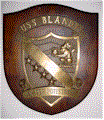
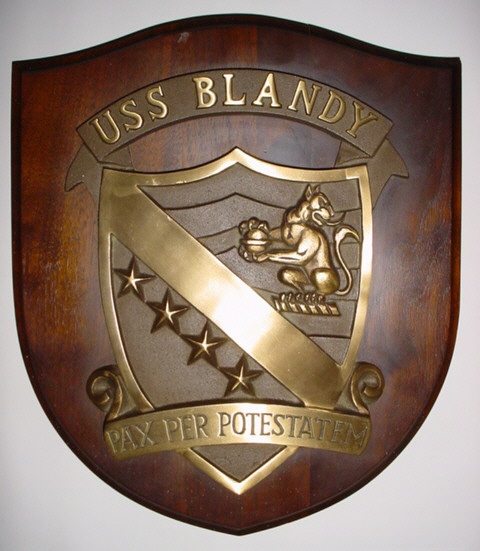
| 100k | Ship's plaque | N. Kriesel |
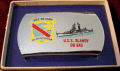
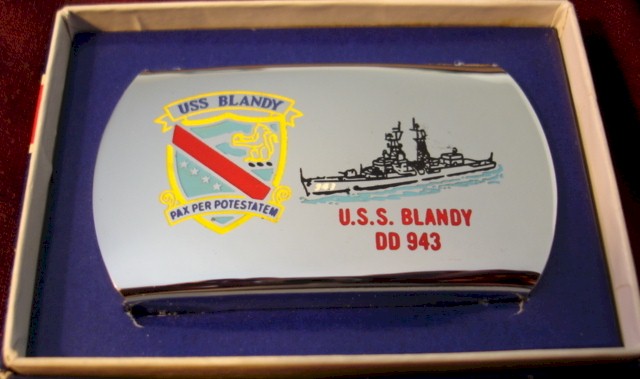
| 51k | Ship's Zippo belt buckle circa 1960's-1970's. | John A. Altfeltis |
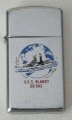
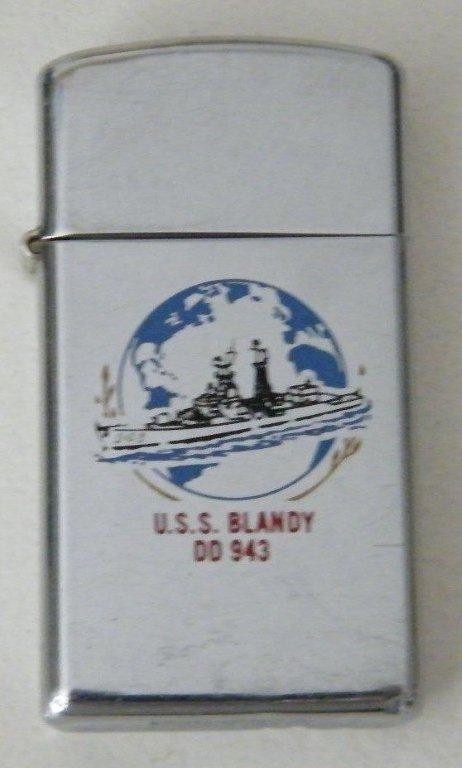
| 59k | Ship's Zippo. | Tommy Trampp |
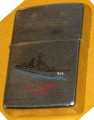
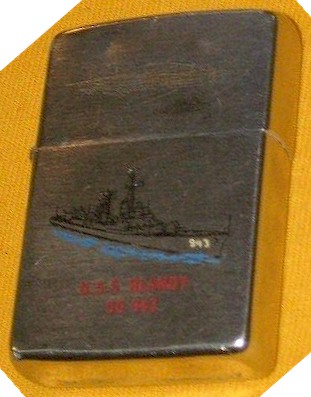
| 36k | Ship's Zippo. | Tommy Trampp |
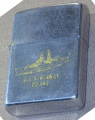
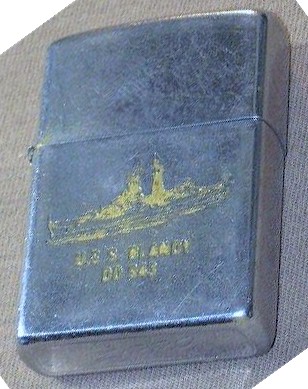
| 45k | Ship's Zippo. | Tommy Trampp |