NavSource Online: Submarine Photo Archive
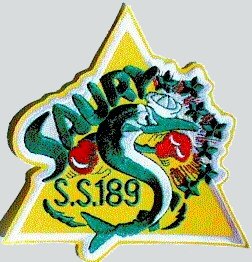
Patch contributed by Mike Smolinski.
Saury (SS-189)


Please report any broken links or trouble you might come across to the Webmaster.
Please take a moment to let us know so that we can correct any problems and make your visit as enjoyable and as informative as possible.
Sargo Class Submarine: Laid down, 28 June 1937, at Electric Boat Co., Groton, CT.; Launched, 20 August 1938; Commissioned, USS Saury (SS-189), 3 April 1939; Decommissioned, 22 June 1946, at San Francisco, CA.; Struck from the Naval Register, 19 July 1946; Final Disposition, sold for scrapping in May 1947, to the Learner Co., Oakland, CA. Saury earned seven battle stars during World War II.
Specifications: Displacement, Surfaced: 1,450 t., Submerged: 2,350 t.; Length 310' ; Beam 27' 1"; Draft 13' 8"; Speed, Surfaced 20 kts, Submerged 7.75 kts; Max Operating Depth, 250'; Complement 5 Officers 50 Enlisted; Armament, eight 21" torpedo tubes, 24 torpedoes, one 3"/50 deck gun, two .50 caliber machine guns, two .30 caliber machine guns; Propulsion, diesel-electric, four Hoover, Owens, Rentschler Co. diesel engines, (replaced in 1943-1944 with four General Motors 278A diesel engines), 5,500 hp, Fuel Capacity, 90,000 gals. four General Electric Co. electric motors, 2,740 hp, Battery Cells 252, twin propellers.| Click On Image For Full Size | Size | Image Description | Source | |
|---|---|---|---|---|
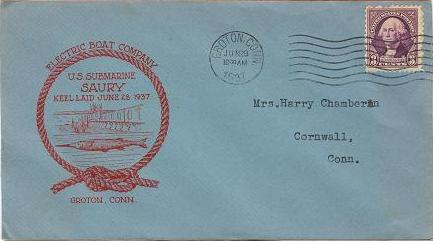 |
20k | Commemorative postal cover marking issued on the occasion of the keel laying of the Saury (SS-189), 28 June 1937. | Courtesy of Jack Treutle (of blessed memory). | |
 0818922 |
NR | Navy’s Sponsor-Researcher To Christen Warship Herself Mrs. Casbarian Is Given Honor Rare Among U. S. Employes. |
Image and text provided by Library of Congress, Washington, DC. Photo & text by Evening Star. [volume] (Washington, D.C.) 1854-1972, 10 March 1938, Image 23, courtesy of chroniclingamerica.loc.gov. |
|
 0818923 |
NR | Here's One Kitchen No Housewife Wants: Submarine Galley Supplies Chow for 64 Chef John Behan cooks for the crew of 64 in a tiny, stainless-steel galley. Everything is concentrated, the dishes are racked, the containers are built into the walls, and the stove is of the lightest metal obtainable for the purpose. At that there isn’t too much room for flying elbows. |
Image and text provided by University of North Carolina at Chapel Hill Library, Chapel Hill, NC. Photo & text by Henderson Daily Dispatch. (Henderson, N.C.) 1914-1995, 15 May 1939, Image 6, courtesy of chroniclingamerica.loc.gov. |
|
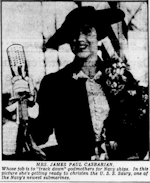 |
NR | MRS. JAMES PAUL CASBARIAN, Whose job is to "track down" godmothers for Navy ships. In this picture she’s getting ready to christen the Saury (SS-189), one of the Navy’s newest submarines. |
Image and text provided by Library of Congress, Washington, DC. Photo & text by Evening Star. [volume] (Washington, D.C.) 1854-1972, 05 November 1939, Image 36, courtesy of chroniclingamerica.loc.gov. |
|
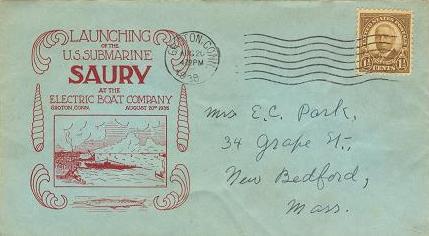 |
20k | Commemorative postal cover marking issued on the occasion of Saury's (SS-189) launching, 20 August 1938. | Courtesy of Jack Treutle (of blessed memory). | |
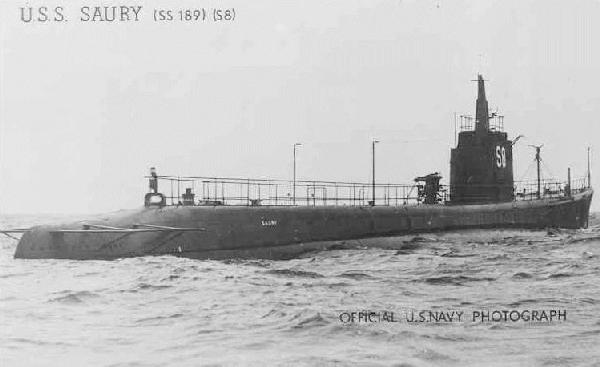 |
26k | Saury (SS-189), underway, with S-8 painted on her conning tower, circa after her launching on 20 August 1938 and prior to her commissioning, 3 April 1939. | USN photo courtesy of Ric Hedman. | |
 |
269k | Full length bow view of the Saury (SS-189), 10 February 1939 off Provincetown, Mass. | USN photo courtesy of Scott Koen & ussnewyork.com. | |
 |
19k | Commemorative postal cover marking issued on the occasion of Valentine's Day, 1939, aboard the Saury (SS-189). | Courtesy of Jack Treutle (of blessed memory). | |
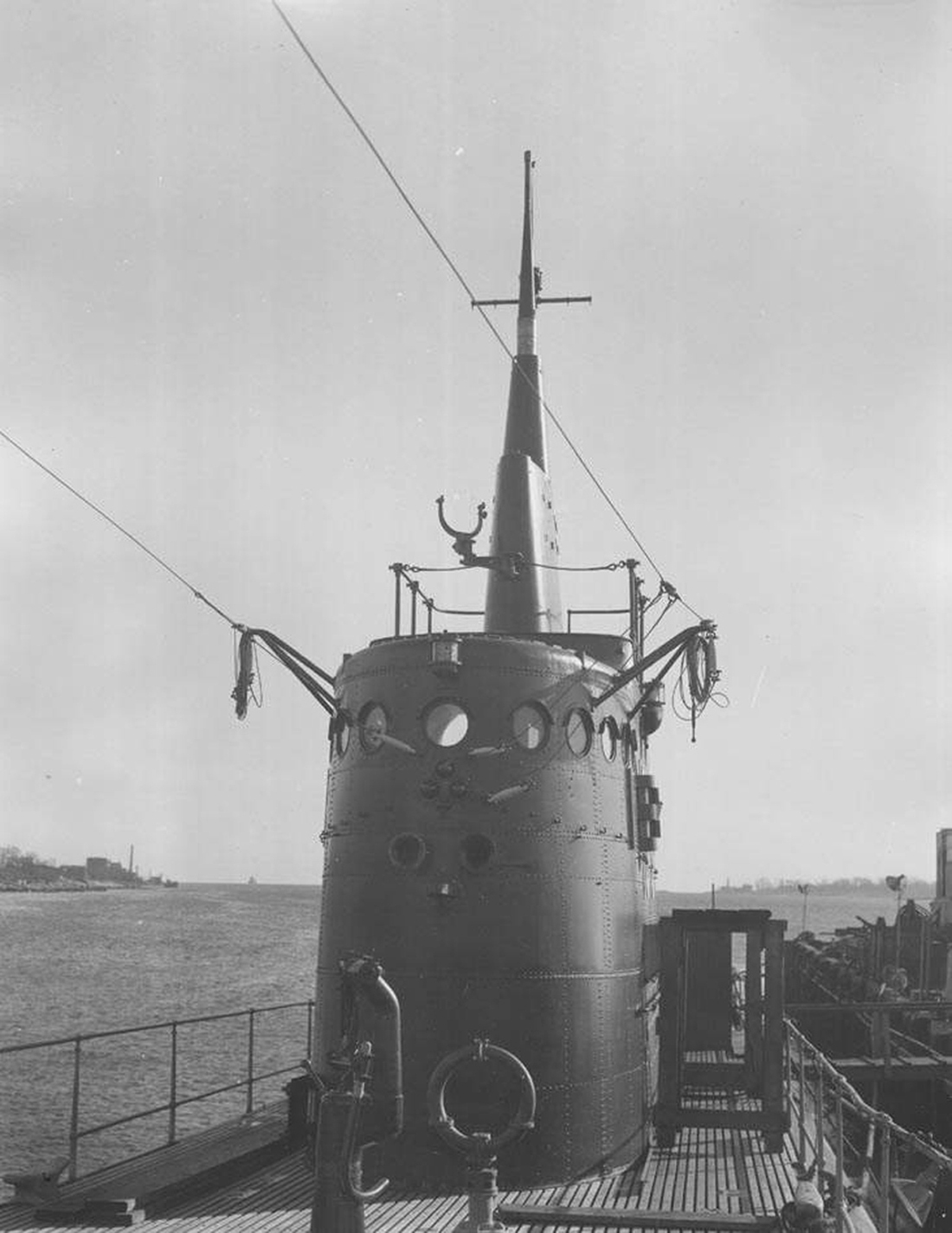 |
400k | Sail of Saury (SS-189), close to the time of her commissioning. | USN photo courtesy of NARA II, College Park, Record Group 19-E via Tracy White @ Researcher @ Large. | |
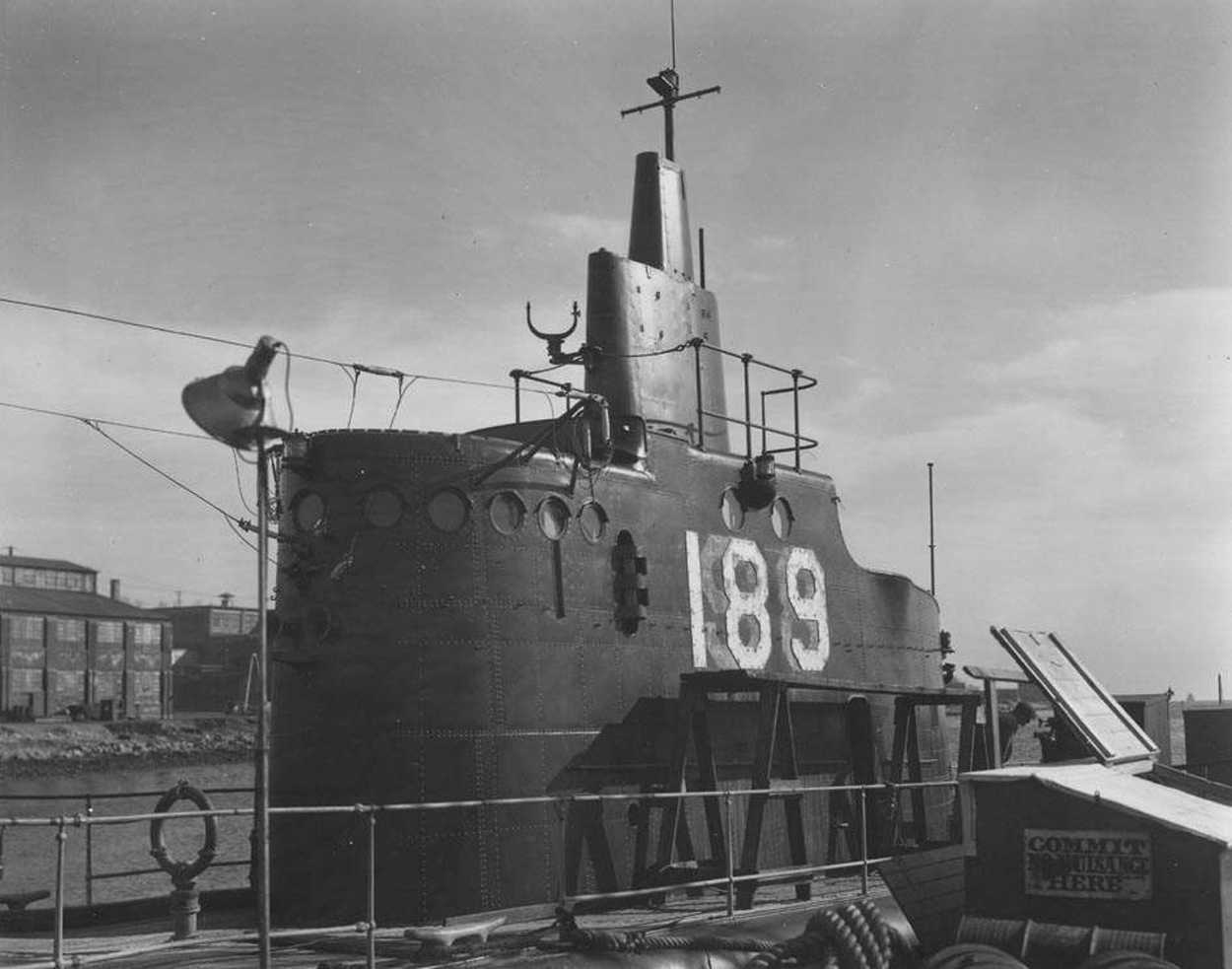 |
407k | Saury (SS-189) begins to go for the count. | USN photo courtesy of NARA II, College Park, Record Group 19-E via Tracy White @ Researcher @ Large. | |
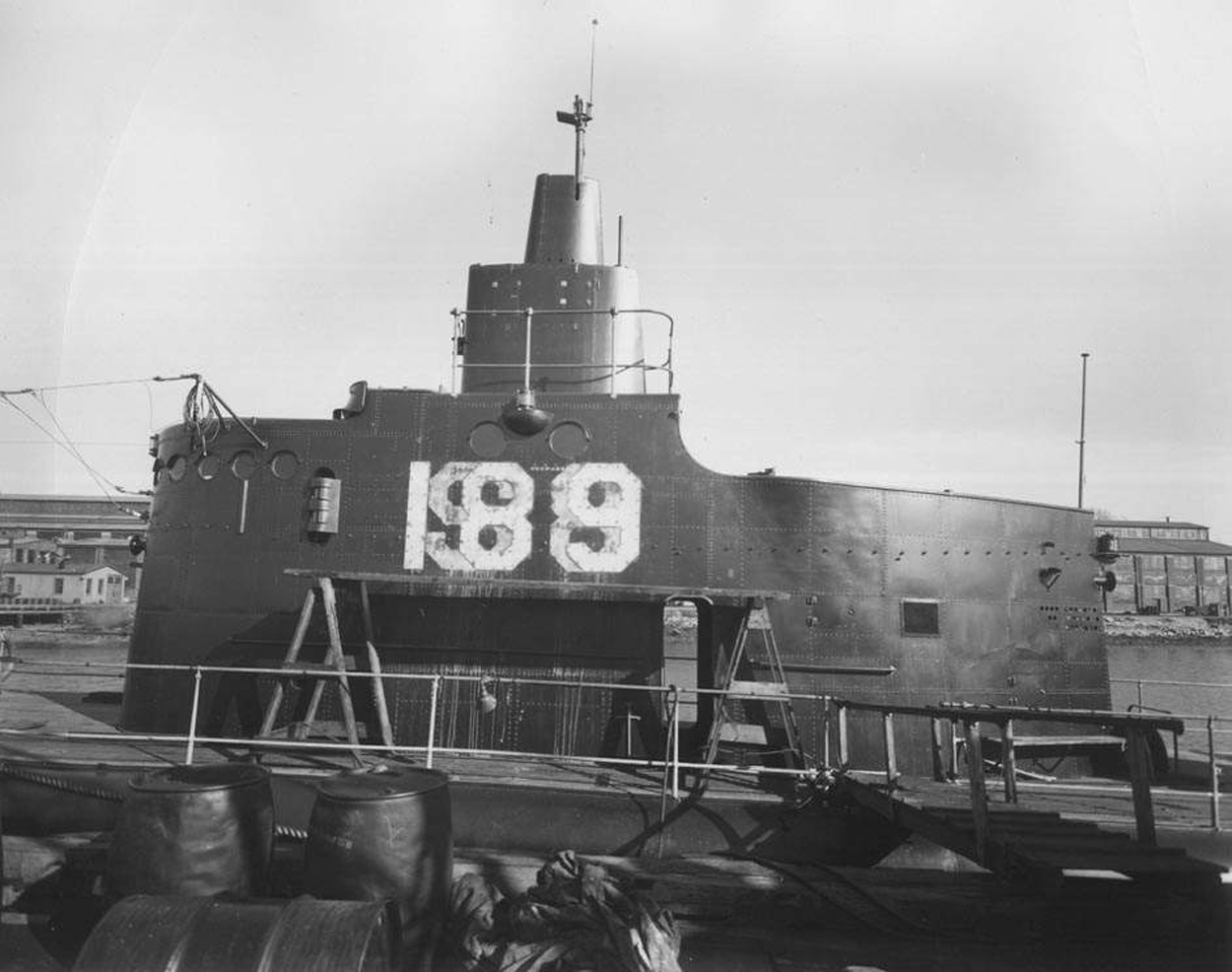 |
383k | Saury (SS-189) state of painting. | USN photo courtesy of NARA II, College Park, Record Group 19-E via Tracy White @ Researcher @ Large. | |
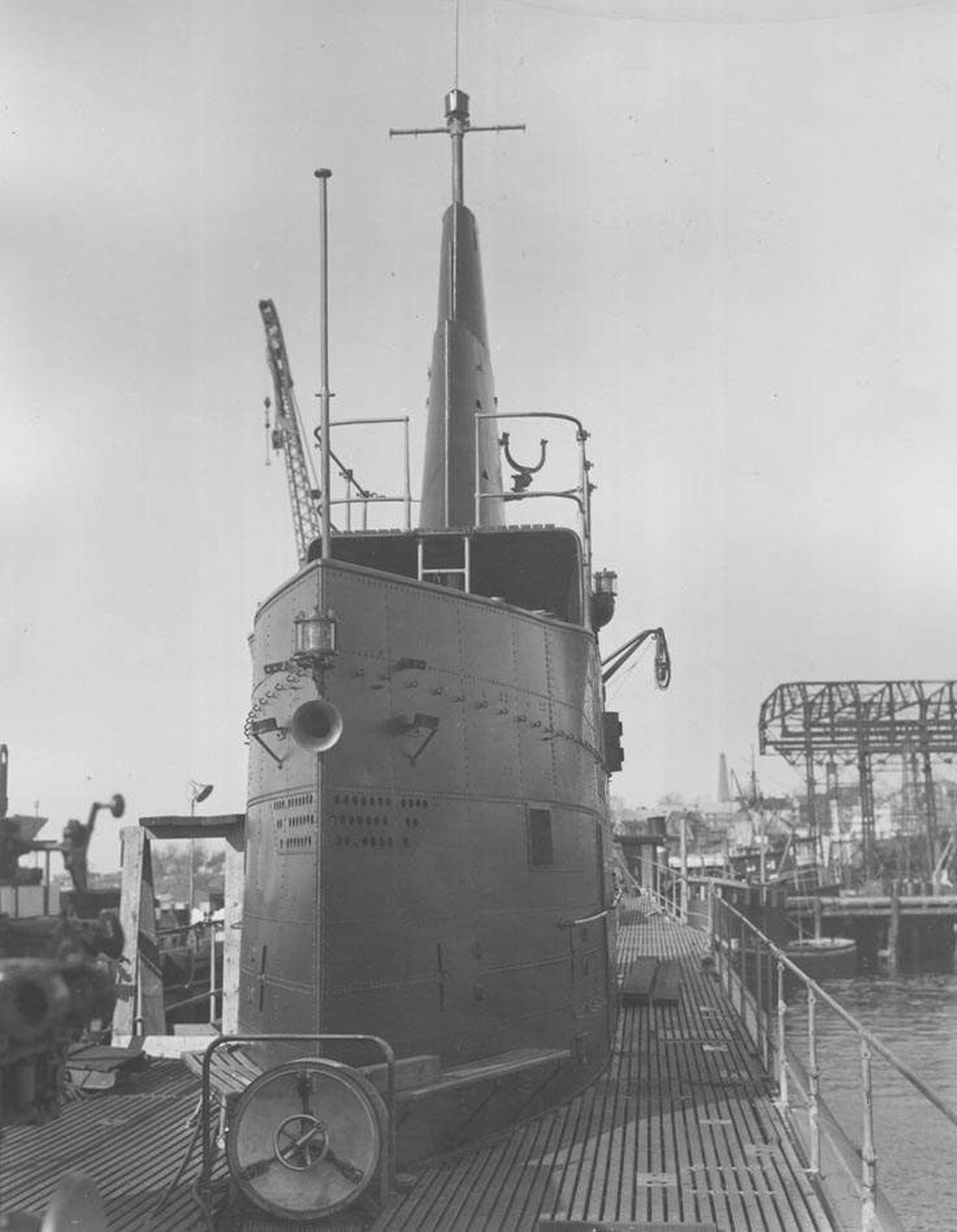 |
383k | Back of the front of Saury's (SS-189) sail. | USN photo courtesy of NARA II, College Park, Record Group 19-E via Tracy White @ Researcher @ Large. | |
 |
341k | Interior view of Saury (SS-189) sail. | USN photo courtesy of NARA II, College Park, Record Group 19-E via Tracy White @ Researcher @ Large. | |
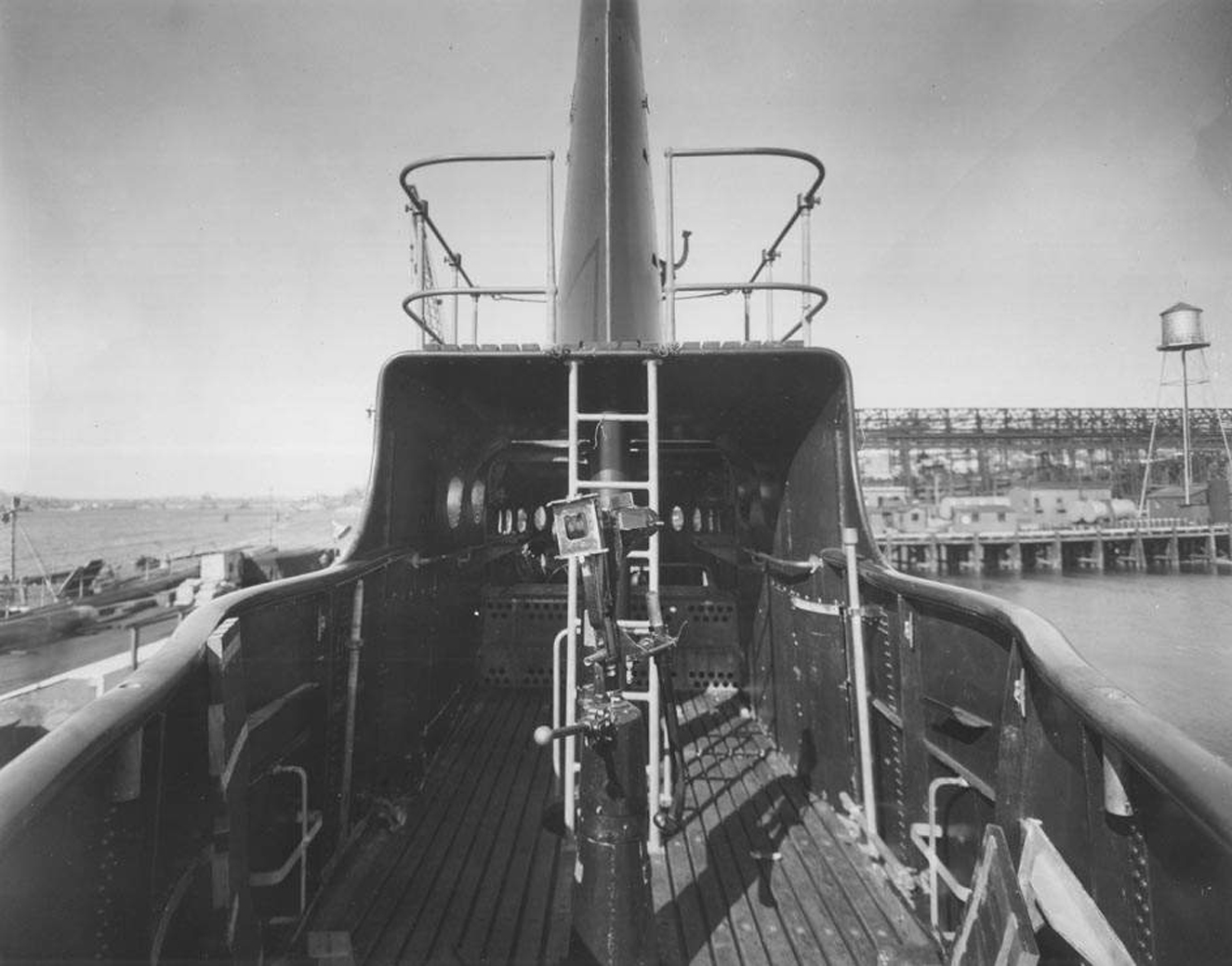 |
416k | Interior view of Saury (SS-189) sail. | USN photo courtesy of NARA II, College Park, Record Group 19-E via Tracy White @ Researcher @ Large. | |
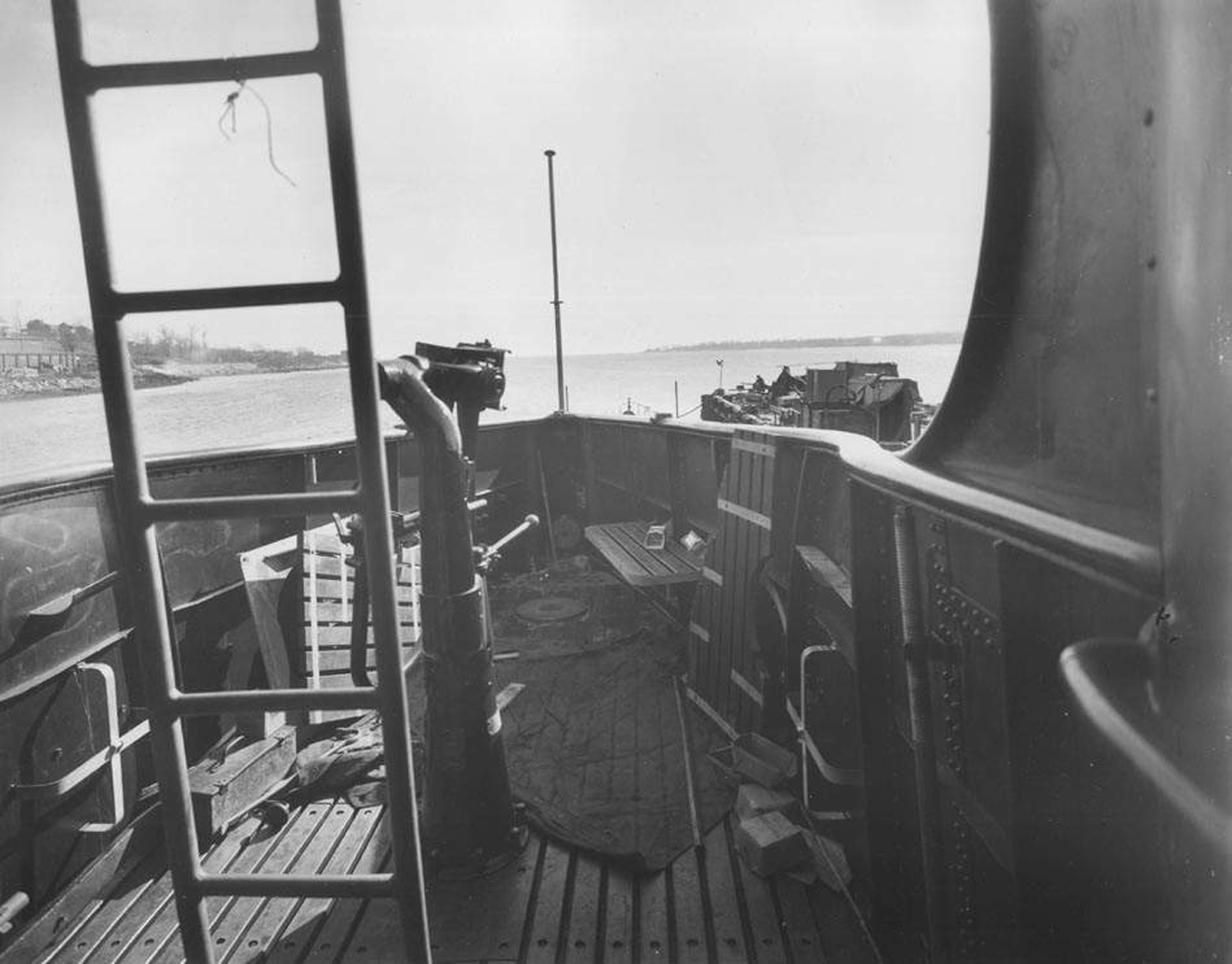 |
396k | Interior view looking out. | USN photo courtesy of NARA II, College Park, Record Group 19-E via Tracy White @ Researcher @ Large. | |
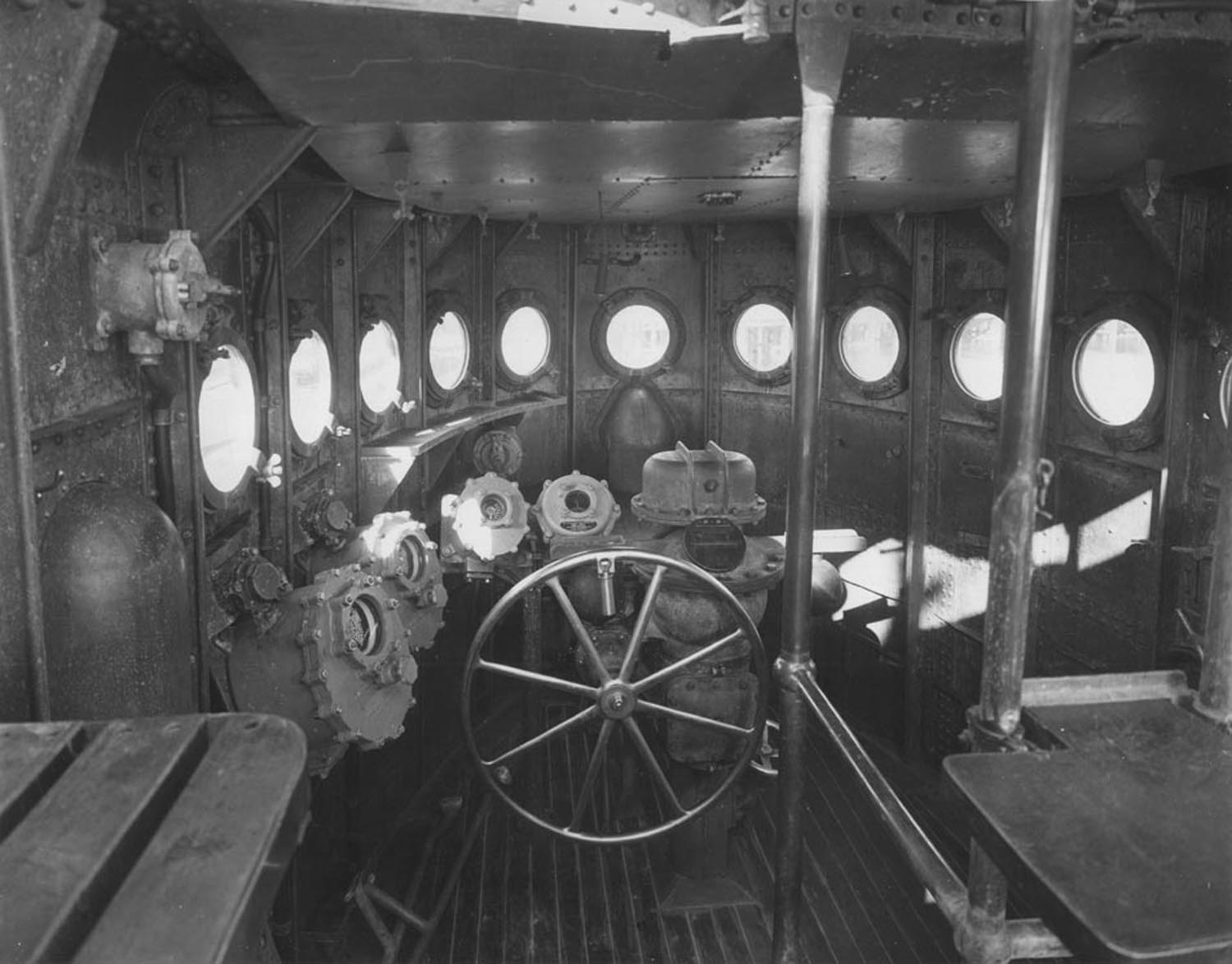 |
148k | Room with a view. | USN photo courtesy of NARA II, College Park, Record Group 19-E via Tracy White @ Researcher @ Large. | |
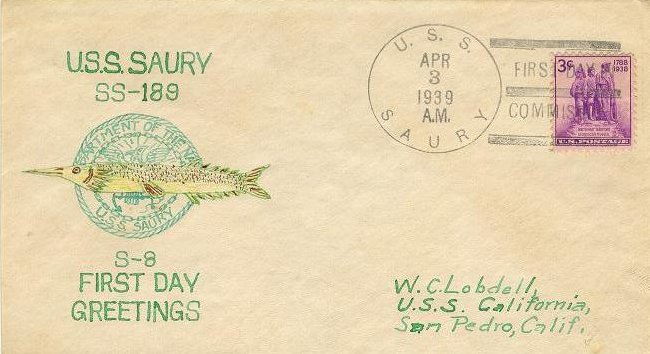 |
51k | Commemorative postal cover marking issued on the occasion of Saury's (SS-189) commissioning, 3 April 1939. | Courtesy of Jack Treutle (of blessed memory). | |
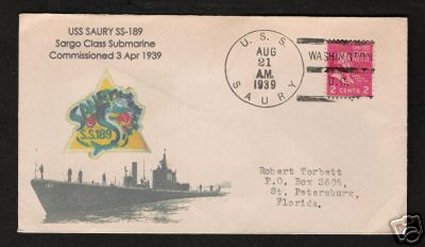 |
20k | Commemorative postal cover with photo inset and boat's patch issued on the occasion of Saury's (SS-189) commissioning, 3 April 1939. | Courtesy of Jack Treutle (of blessed memory). | |
 |
22k | Saury (SS-189) arriving at the Battery, in New York City, for the World's Fair, 29 April 1939. | USN photo & text courtesy of Warship Int. Edition # 3, 1986. | |
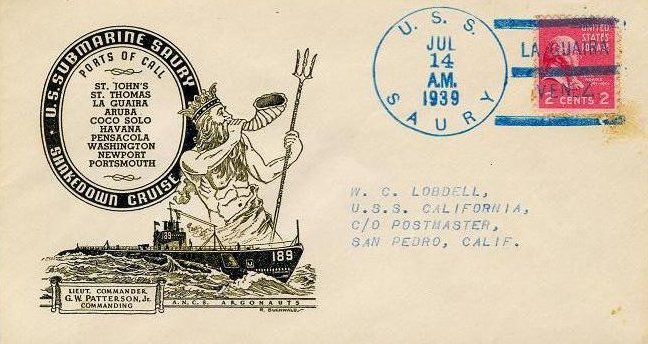 |
64k | Commemorative postal cover marking issued on the occasion of the shakedown cruise of Saury (SS-189) and listing her ports of call, 14 July 1939. | Courtesy of Jack Treutle (of blessed memory). | |
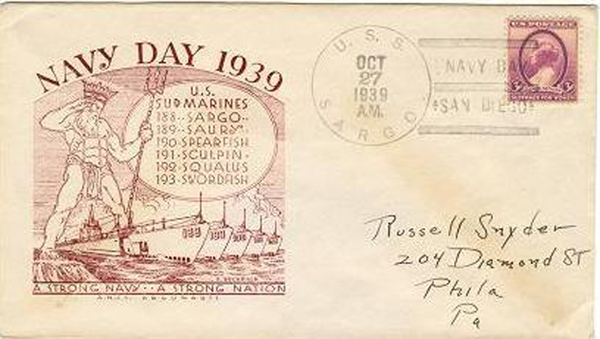 |
21k | Commemorative post mark on the occasion of the submarines Sargo (SS-188), Saury (SS-189), Spearfish (SS-190), Sculpin (SS-191), Squalus (SS-192) & Swordfish (SS-193) honoring Navy Day, 27 October 1939. |
Courtesy of Jack Treutle (of blessed memory). | |
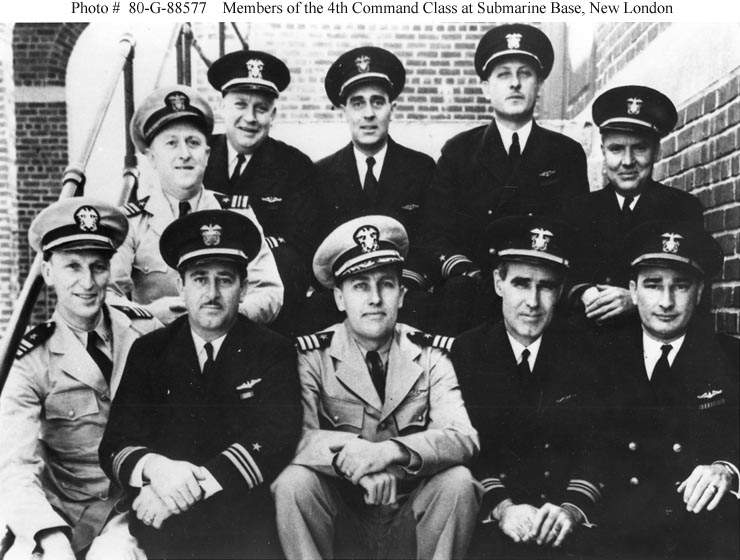 | 62k | U.S. Naval Submarine Base, New London, Groton, Connecticut: Members of the 4th Command Class at the Submarine Base, February 1942. Those present are, bottom row left to right: Lieutenant Commander Mannert L. Abele; first command would be the Grunion (SS-216). He would be K.I.A. while commmanding the Grunion, 30 July 1942. Lieutenant Commander Thomas B. Klakring; first command would be the Guardfish (SS-217), Commander Karl G. Hensel, Officer in Charge; Lieutenant Commander George W. Patterson, Jr., Senior Assistant; and Lieutenant Commander Jesse L. Hull; first command would be the Finback (SS-230). Top row, left to right: Lieutenant Commander Howard W. Gilmore; first command would be the Growler (SS-215). He was posthumously awarded the Medal of Honor after he was K.I.A. on the bridge of the Growler, 7 February 1943. Lieutenant Commander Philip H. Ross; first command would be the Halibut (SS-232), Lieutenant Commander Arthur H. Taylor; first command would be the Haddock (SS-231), Lieutenant Commander Albert C. Burrows; first command would be the Swordfish (SS-193) and Lieutenant Commander Leonard S. Mewhinney; first command would be the Saury (SS-189). | Official USN photo # 80-G-88577, now in the collections of the National Archives. Courtesy of the USNHC. | |
 |
76k | Stern view of the Saury (SS-189) in the Mare Island channel on 4 April 1943. | USN photo # 2360-43 courtesy of Darryl L. Baker. | |
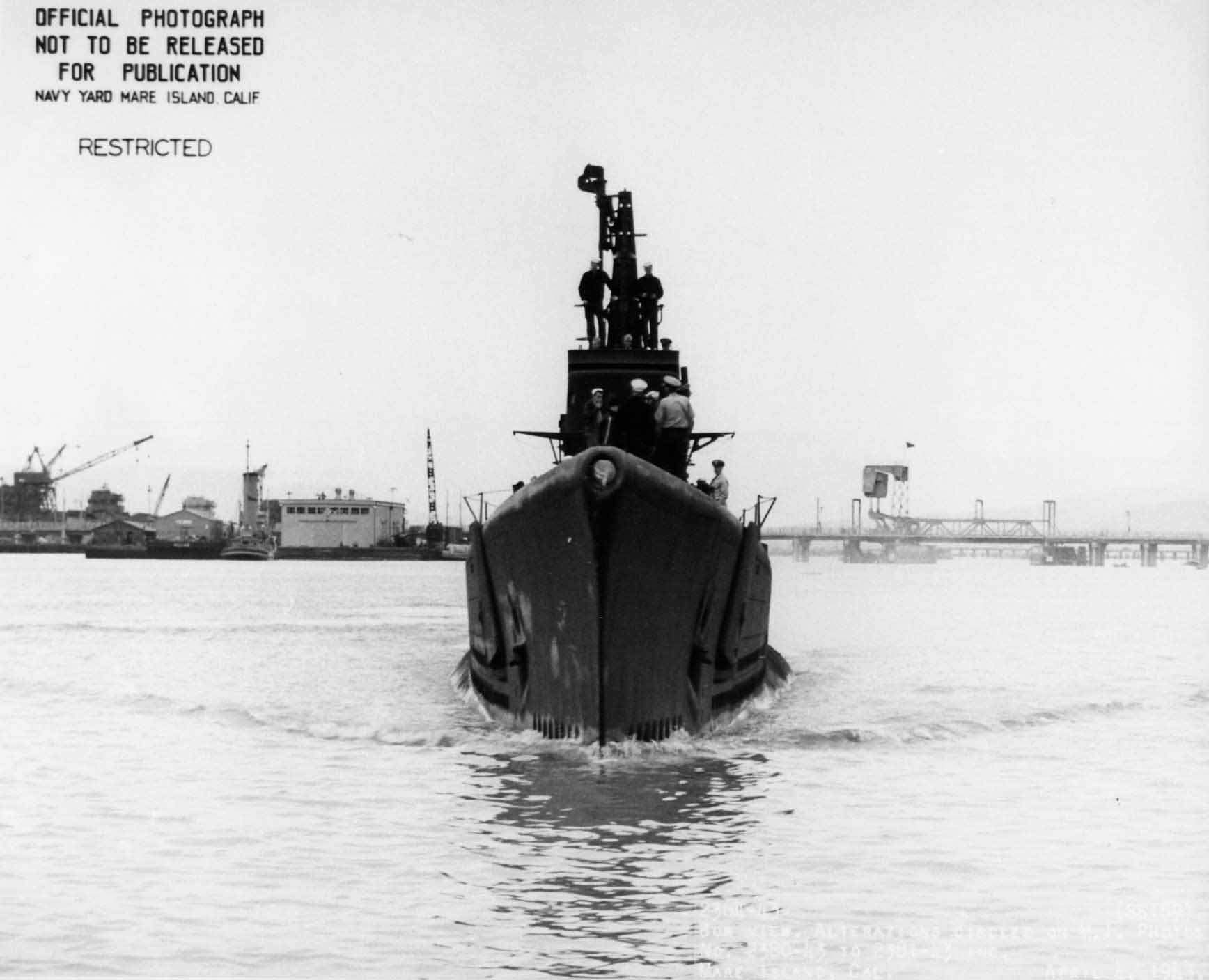 |
105k | Bow view of the Saury (SS-189) in the Mare Island channel on 4 April 1943. Shipyard records she was under overhaul at Mare Island from 12/29/42 to 4/10/43). | USN photo # 2364-43 courtesy of Darryl L. Baker. | |
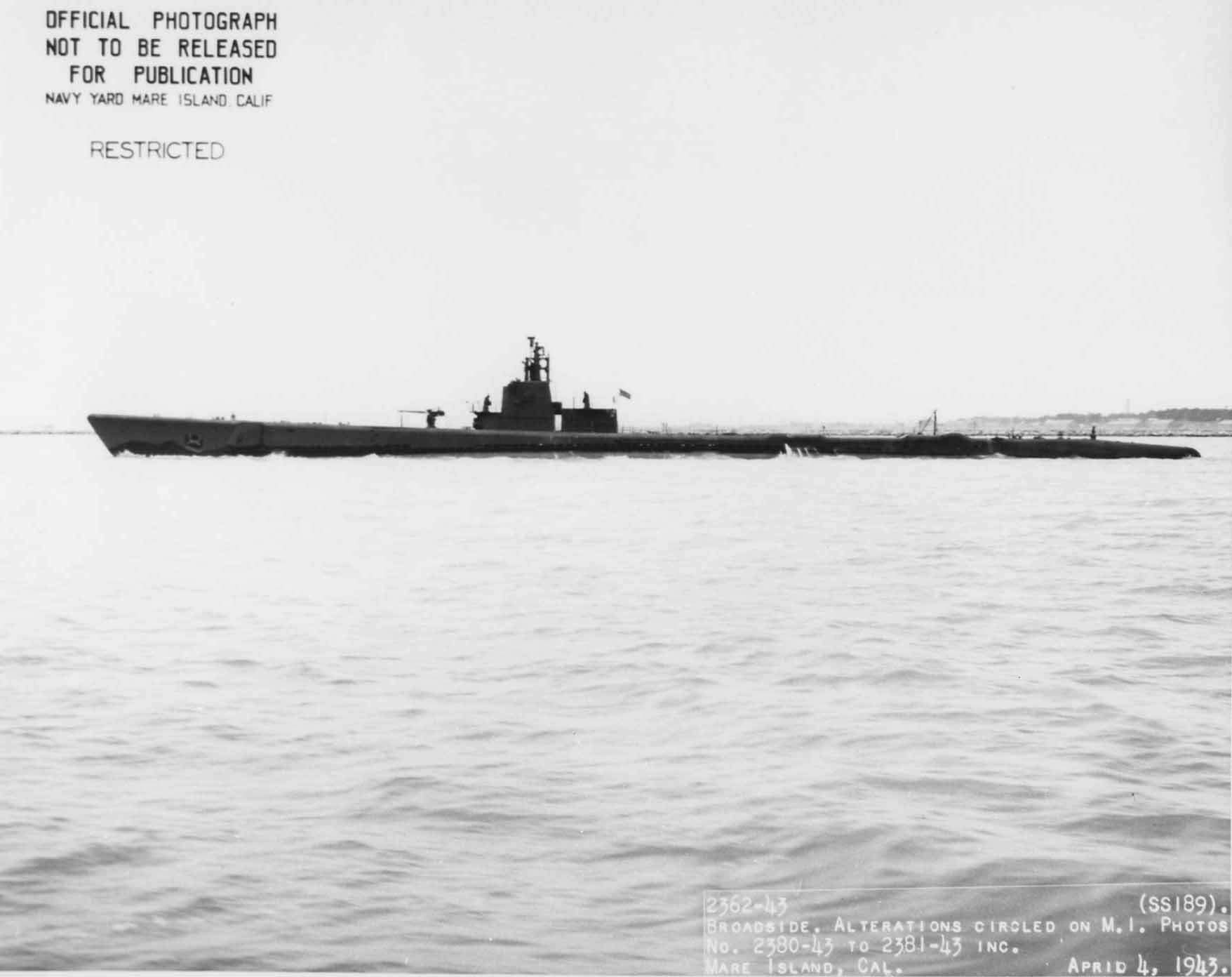 |
79k | Broadside view of the Saury (SS-189) in the Mare Island channel on 4 April 1943. | USN photo # 2362-43 courtesy of Darryl L. Baker. | |
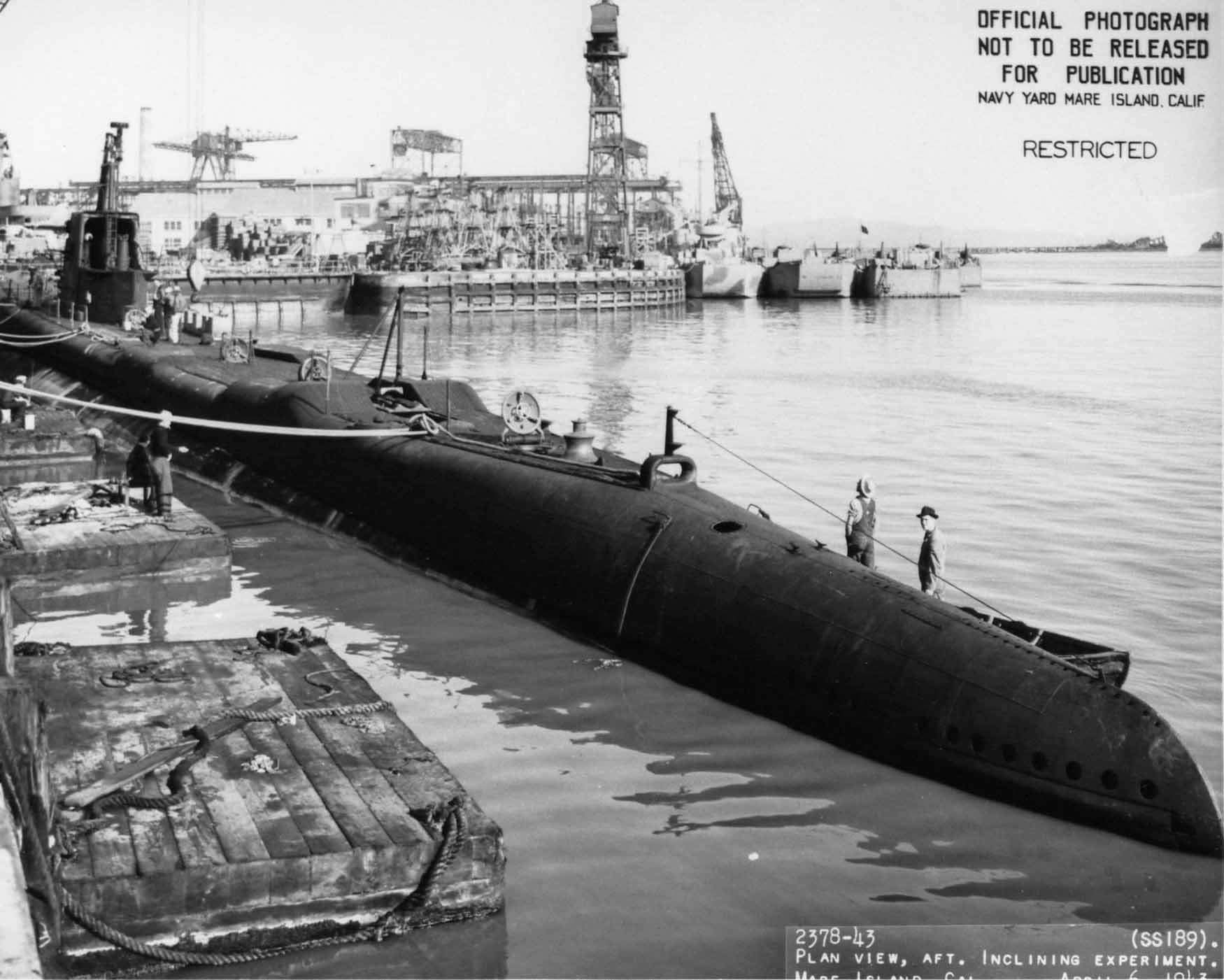 |
164k | Stern view of the Saury (SS-189) at Mare Island channel on 6 April 1943 under going an inclining experiment. | USN photo # 2378-43 courtesy of Darryl L. Baker. | |
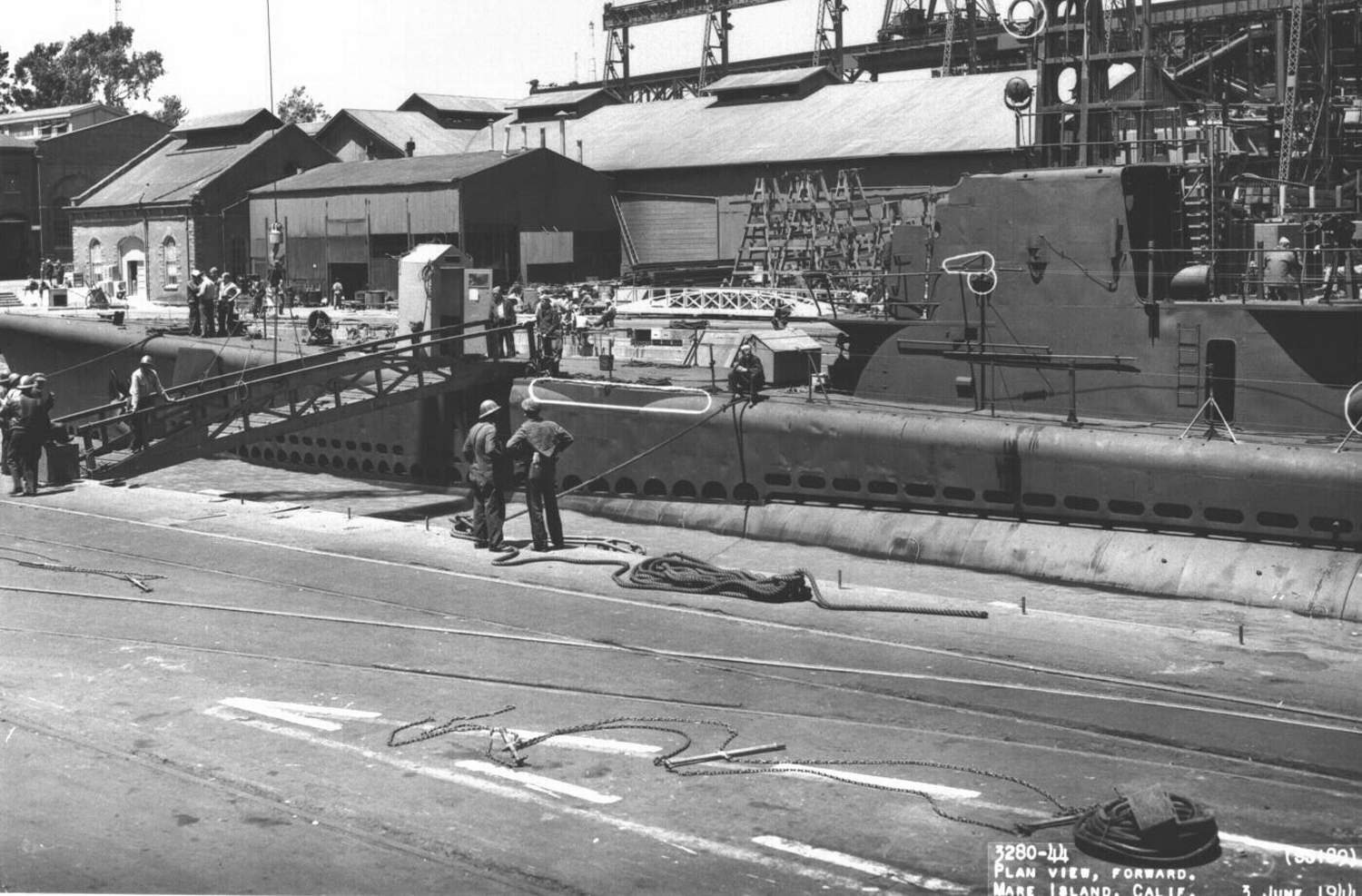 |
824k | Plan view of the Saury (SS-189) at the Mare Island Navy Yard, California, 3 June 1944. White outlines mark recent alterations to the submarine. Note the two-armed overhead traveling crane in the background. | USN photo # MI-3280-44 courtesy of Scott Koen & ussnewyork.com. | |
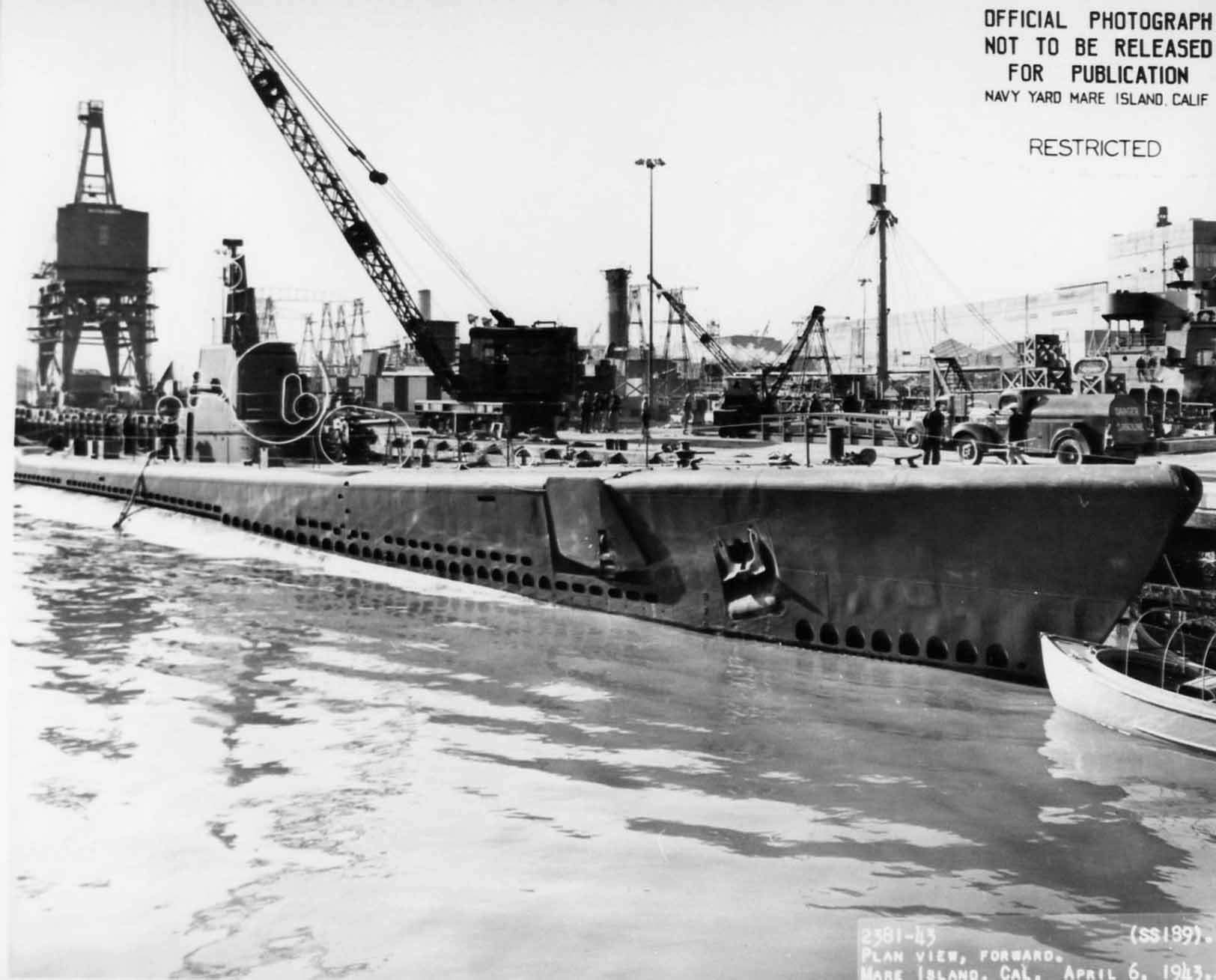 |
138k | Bow view of the Saury (SS-189) at Mare Island channel on 6 April 1943 under going an inclining experiment. Shipyard modifications indicated by circles. | USN photo # 2381-43 courtesy of Darryl L. Baker. | |
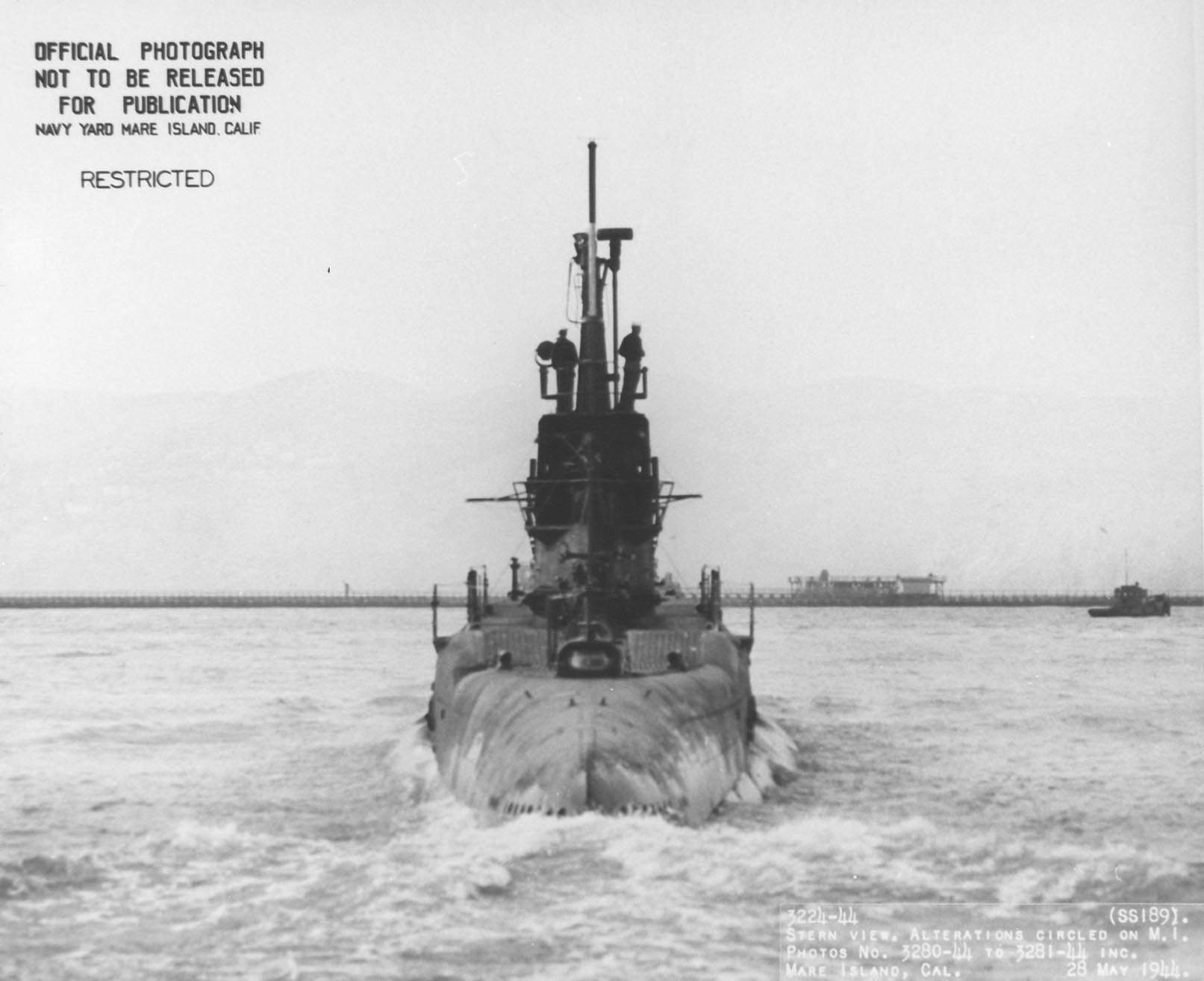 |
114k | Stern view of the Saury (SS-189) in Mare Island channel on 28 May 1944. She was in overhaul at the yard from 1 March until 9 June 1944. | USN photo # 3224-44 courtesy of Darryl L. Baker. | |
 |
131k | Broadside view of the Saury (SS-189) in Mare Island channel on 28 May 1944. She was in overhaul at the yard from 1 March until 9 June 1944. | USN photo # 3227-44 courtesy of Darryl L. Baker. | |
 |
176k | Bow on view of the Saury (SS-189) in Mare Island channel on 28 May 1944. She was in overhaul at the yard from 1 March until 9 June 1944. | USN photo # 3228-44 courtesy of Darryl L. Baker. | |
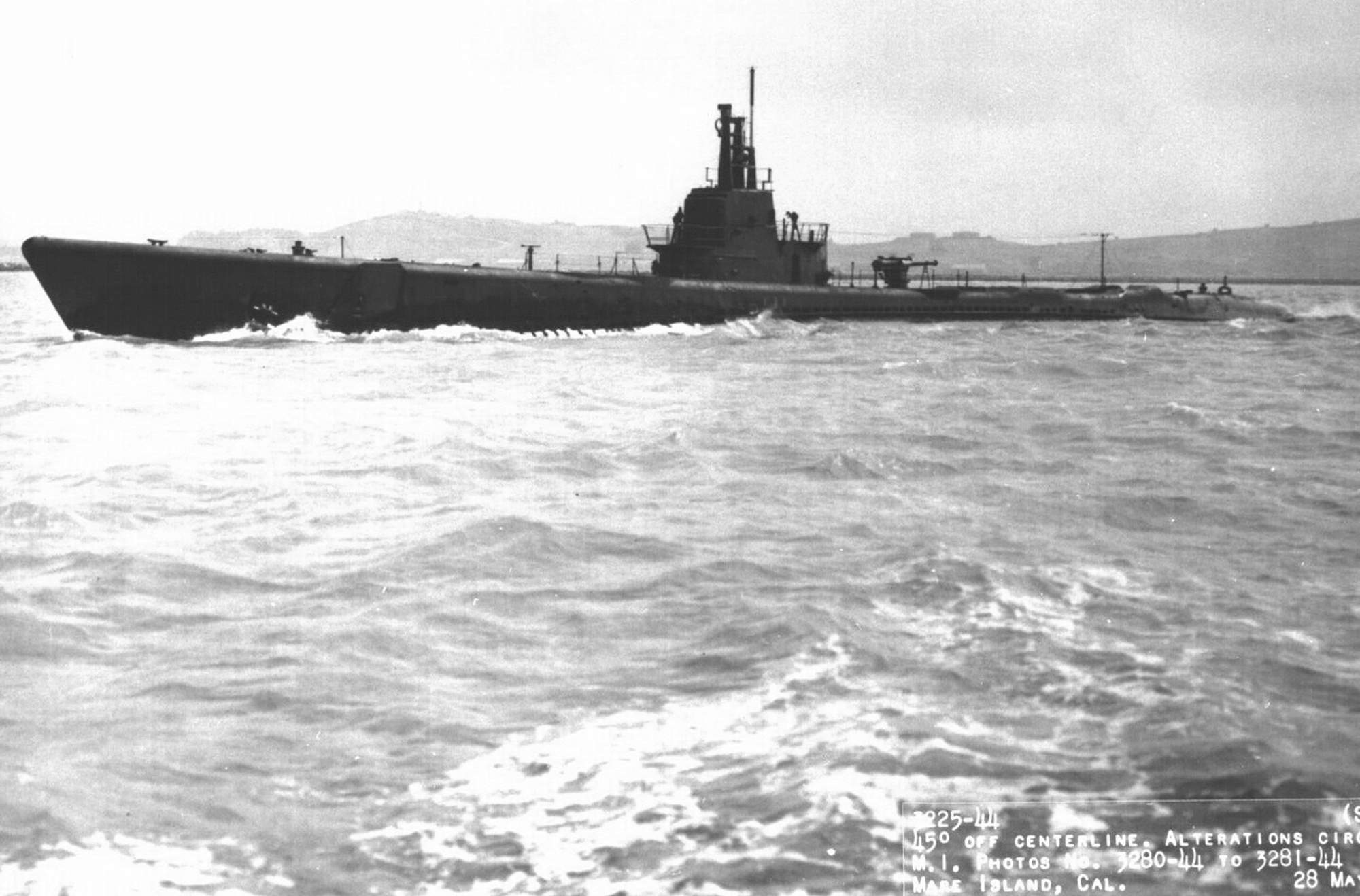 |
208k | Saury (SS-189) at Mare Island, 28 May 1944. | USN photo # MI-3225-44 courtesy of Scott Koen & ussnewyork.com. | |
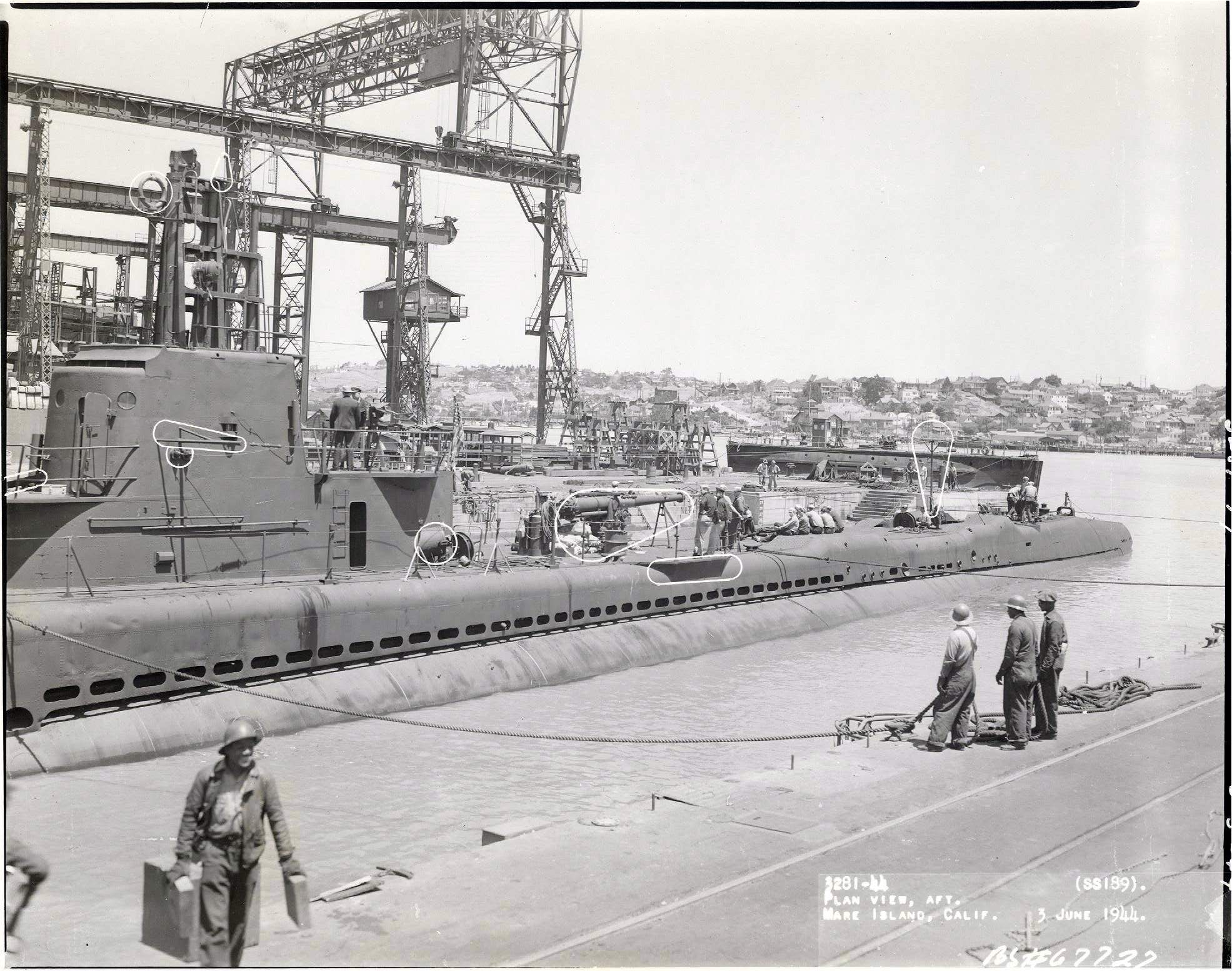 |
394k | Aft plan view of the Saury (SS-189) at Mare Island, 3 June 1944. | USN photo # 3281-44 courtesy of Ed Zajkowski. | |
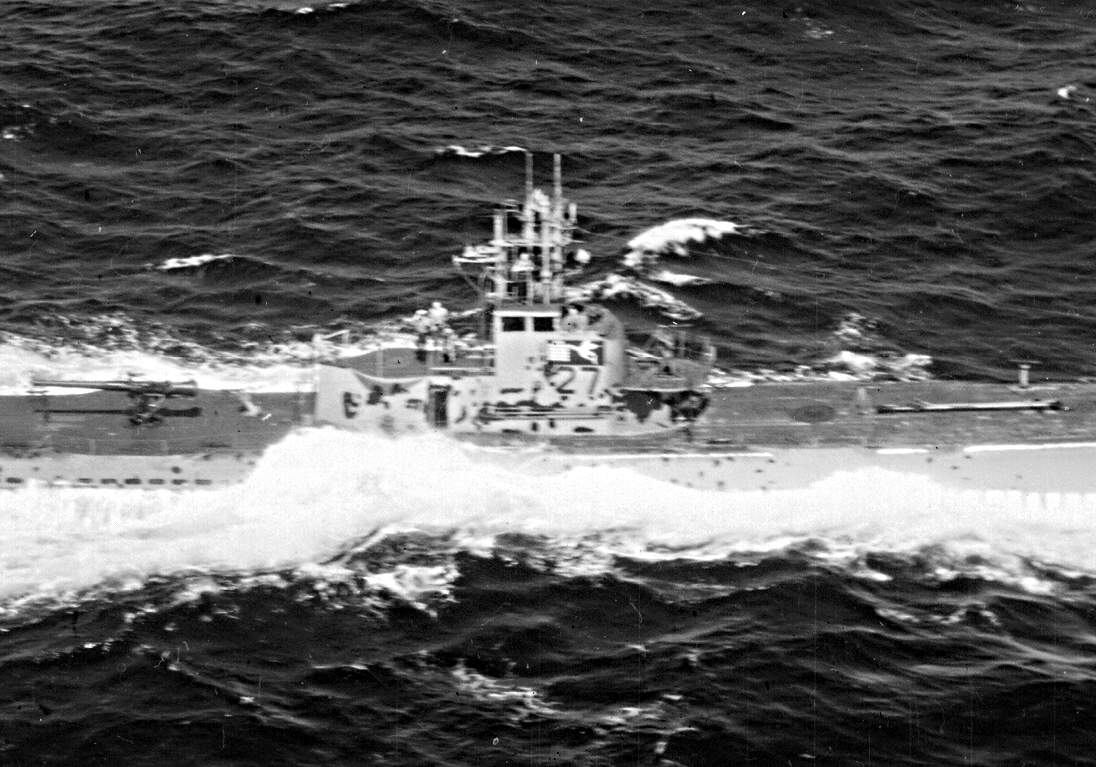 | 110k | A close up of a Sargo class submarine, possibly the Saury (SS-189) but more likely the Spearfish (SS-190) with only part of it's hull number painted on the sail, # 27 (?). It was taken in the Pacific probably in August, 1944 somewhere off the California coast. A very close look at the conning tower fairwaters and the periscope shears of both boats show some minor but noticeable differences, and that the configuration almost exactly matches that of Spearfish. There are differences in the location of the searchlight mounts, the configuration of the DF Loop, and the shape and plating of the bridge fairwaters. Assuming it is Spearfish, I placed the date in August, 1944 for a couple of reasons. The boat in the photo clearly had not been painted in a while, indicating that it had not been in the yards for a while. Also, the Spearfish was in drydock in September and she received a 5"25 cal gun in the aft position in place of the 4"50 she carried in an 21 August 44 photo. I still can't account for the number 27 on the fairwater. I agree that it is probably a squadron number. Since it was extremely rare for boats to go on war patrol with any kind of identification markings topside, I think these numbers were painted on the boats when they returned stateside for overhaul or training, but this is a guess. | USN photo courtesy of Ivan van Meter, submitted by Jack LaPeer courtesy of Fabio Pen~a. Photo i.d. & text courtesy of David Johnston& John Hummel, USN (Retired). | |
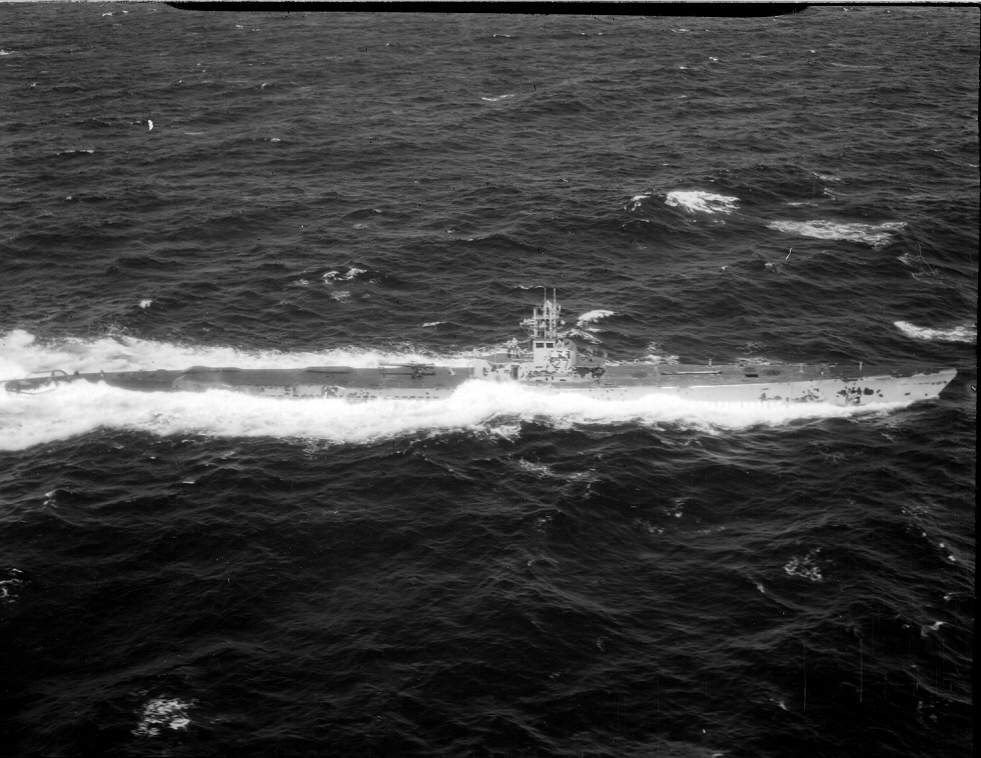 | 87k | High altitude photo of a Sargo class submarine, possibly the Saury (SS-189) but more likely the Spearfish (SS-190). | USN photo courtesy of Ivan van Meter, submitted by Jack LaPeer courtesy of Fabio Pen~a. Photo i.d. courtesy of David Johnston& John Hummel, USN (Retired). | |
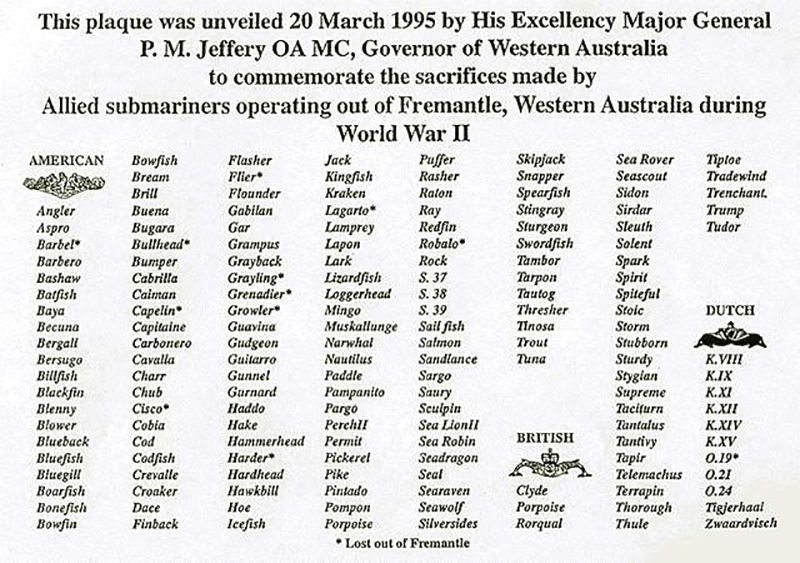 |
365k | This plaque was unveiled 20 March 1995 by His Excellency Major General P.M. Jeffery OA MC, Governor of Western Australia to commemorate the sacrifices made by Allied submarines that operated out of Fremantle, Western Australia during WW II. | Photo courtesy of Ron Reeves (of blessed memory). | |
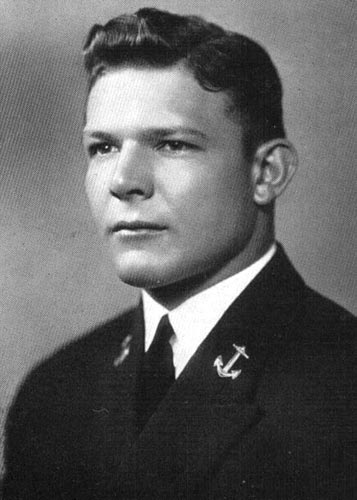 |
32k | In 1945, CDR. Allen Alfred Begnertook command of Saury (SS-189), and prepared the ship for Nuclear Tests at Eniwetok, but the orders were canceled. 1946 to 1948: the two-year Engineering Course at the PG School. In 1948, he was an instructor in Marine Engineering at the Academy, and a year later, went to be X.O. of Diodon (SS-349), then to C.O. of Pomodon (SS-486). | Official photograph of the U.S. Navy courtesy of Bill Gonyo. | |
 |
461k | 6 December 1945 photo appeared in the 14 December 45 issue of the Mare Island newspaper lists the following subs present at the dockyard: Unknown, Dragonet (SS-293), Guavina (SS-362), Sunfish (SS-281), Sargo (SS-188), Spearfish (SS-190), Saury (SS-189). First two ships in second row appear to be: Bashaw (SS-241) and Mingo (SS-261). The Tiru (SS-416) is on the building ways on the left above the subs and surrounding by staging and cranes. It is interesting to note that the boats have started the mothballing process, as evidenced by the preservative cocoons around the deck guns. |
USN photo courtesy of Darryl L. Baker. Partial text courtesy of David Johnston, USNR. |
|
 |
900k | Inactivated submarines at Mare Island on 3 January 1946. Front row left to right: Sand Lance (SS-381), next two could be Sealion (SS-315) and Seahorse (SS-304), Searaven (SS-196), Pampanito (SS-383), Gurnard (SS-254), Mingo (SS-261), Guitarro (SS-363), Bashaw (SS-241). Back row left to right: Unknown, Tunny (SS-282), next three could be Sargo (SS-188), Spearfish (SS-190), and Saury (SS-189), Macabi (SS-375), Sunfish (SS-281), Guavina (SS-362), Lionfish (SS-298),Piranha (SS-389). The Scabbardfish (SS-397) is docked in ARD-11 on the other side of the causeway. The mixture of boats from the Salmon/Sargo, Gato, and Balao classes illustrate the clear differences in the conning tower fairwaters and the periscope shears that can be used to identify boats. The high bridges with the uncovered support frames (the "covered wagon" look) of the Gatos and Salmon/Sargo's contrast with the low and sleek look of the Balao's. The fatter, more robust periscope shears of theBalao's are markedly different from the thinner shears with more supporting structure of the Gatos and Salmon/Sargo's. The differences in the pattern of the superstructure limber holes can also be used for identification purposes. The single row of large semi-circular holes indentify Electric Boat or Manitowoc boats. A dual row of smaller rectangular holes mark the government built boats. Also note that the EB/Manitowoc boats have the deck mounted, T-shaped JP sonar head on the starboard side of the forward deck, while the government boats have it on the port side. EB/Manitowoc boats had the anchor on the starboard side, the government boats on the port side. A close look will show that some of the boats have had the anchor removed and the hawsepipe plated over as part of the mothball process. Most of the boats have the late war radar outfit of the SJ surface search (small dish) and SV air search (large dish). The Balao's and some of the Gatos have the SS dish mounted on a separate large mast aft of the periscopes. The older Salmon/Sargo's and Gatos have a much smaller mast. Searaven appears to have had her radars already removed. Searaven is actually sporting a late war SJ surface search antennae mounted to starboard of the periscopes. This is a rare installation. Most often it was mounted forward (early war) or aft (late war) of the 'scopes shears. Her air search set is a late war SD antennae mounted on a stub mast directly aft of the 'scopes. Searaven never received the much more capable SV air search set. Having been assigned to training duties after November, 1944 it was probably felt that the SV set was not necessary. One strange thing: almost all of the boats appear to have the outer doors of the forward torpedo tubes open. Even though the boats have an interlock system that prevents the breech and outer doors from being opened at the same time, this is an unusual thing to do and a potential source of catastrophic flooding. |
USN photo # 17-46, courtesy of Darryl L. Baker. Text courtesy of David Johnston, USNR. |
|
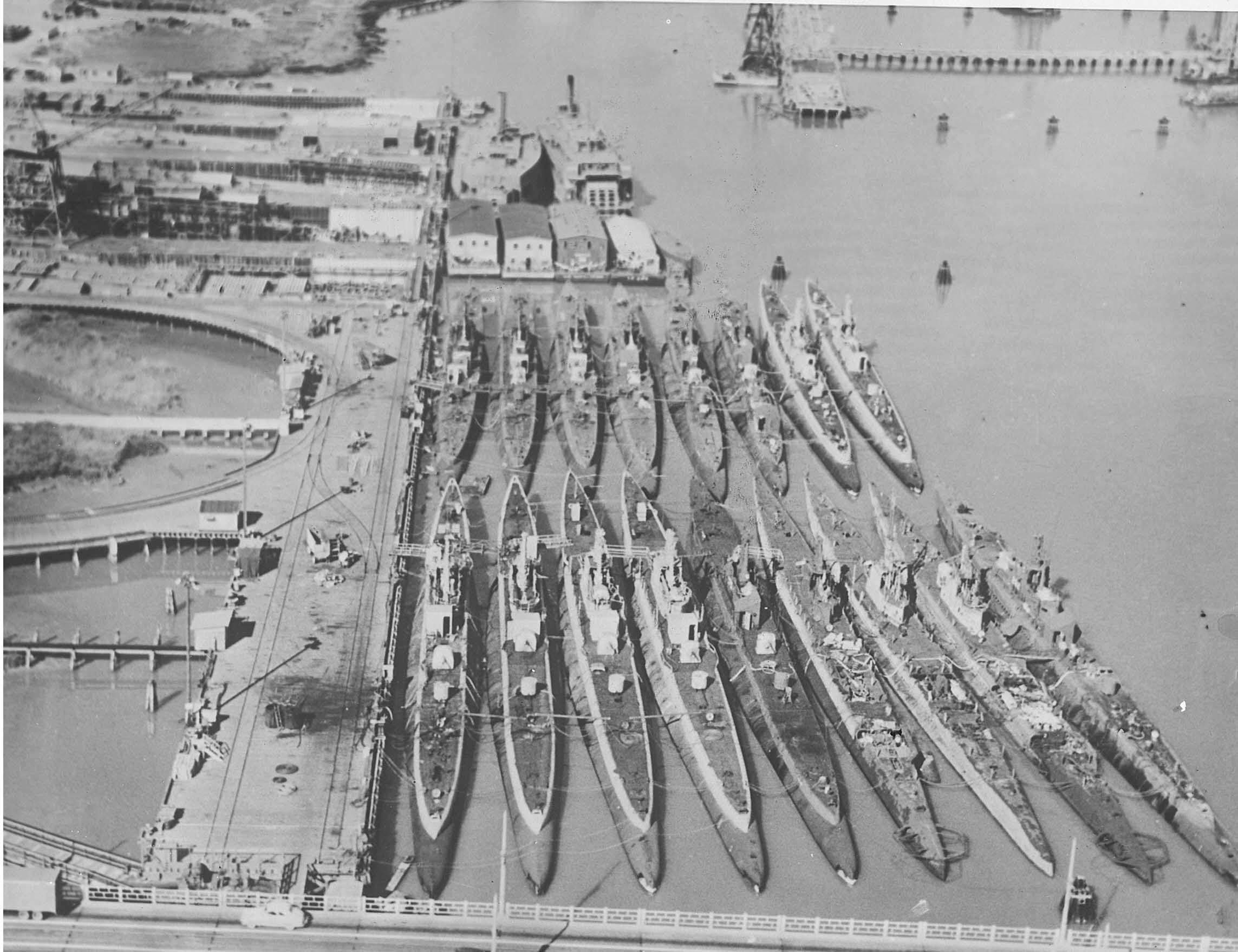 | 289k | Inactivated submarines at Mare Island in early 1946. Front row left to right: Sand Lance (SS-381), next two could be Sealion (SS-315) and Seahorse (SS-304), Searaven (SS-196), Pampanito (SS-383), Gurnard (SS-254), Mingo (SS-261), Guitarro (SS-363), Bashaw (SS-241). Back row left to right: Unknown, Tunny (SS-282), next three could be Sargo (SS-188), Spearfish (SS-190), and Saury (SS-189), Macabi (SS-375), Sunfish (SS-281), Guavina (SS-362), Lionfish (SS-298),Piranha (SS-389). The Scabbardfish (SS-397) is docked in ARD-11 on the other side of the causeway. Tiru (SS-416) is on the ways in upper left hand side of photo. Two ferry boats (to the right of Tiru's ways) are YHB-2 / [ex-Post of Stockton] and YHB-21 / [ex-Tamalpais]. | Photo i.d. courtesy of Darryl L. Baker. USN photo courtesy of Scott Koen & ussnewyork.com. |
|
| Back To The Main Photo Index | Back To the Submarine Index |
|
Problems and site related matters, E-mail Webmaster |
|
This page is created by Gary Priolo and maintained by Michael Mohl All Pages © 1996 - 2024 NavSource History |