NavSource Online: Submarine Photo Archive
Patch on left courtesy of usssubvetsofwwii.org, on right by Y.M.Umar, CPO (Ret.),Turkish Navy.
Caiman (SS-323)


Please report any broken links or trouble you might come across to the Webmaster.
Please take a moment to let us know so that we can correct any problems and make your visit as enjoyable and as informative as possible.
| Click On Image For Full Size | Size | Image Description | Source | |||||||||||||||||||||||||||||||||||||||||||||||||||||||||||||||||||||||||||||||||||||||||||||||||||||||||||||||||||||||||||||||||
|---|---|---|---|---|---|---|---|---|---|---|---|---|---|---|---|---|---|---|---|---|---|---|---|---|---|---|---|---|---|---|---|---|---|---|---|---|---|---|---|---|---|---|---|---|---|---|---|---|---|---|---|---|---|---|---|---|---|---|---|---|---|---|---|---|---|---|---|---|---|---|---|---|---|---|---|---|---|---|---|---|---|---|---|---|---|---|---|---|---|---|---|---|---|---|---|---|---|---|---|---|---|---|---|---|---|---|---|---|---|---|---|---|---|---|---|---|---|---|---|---|---|---|---|---|---|---|---|---|---|---|---|---|
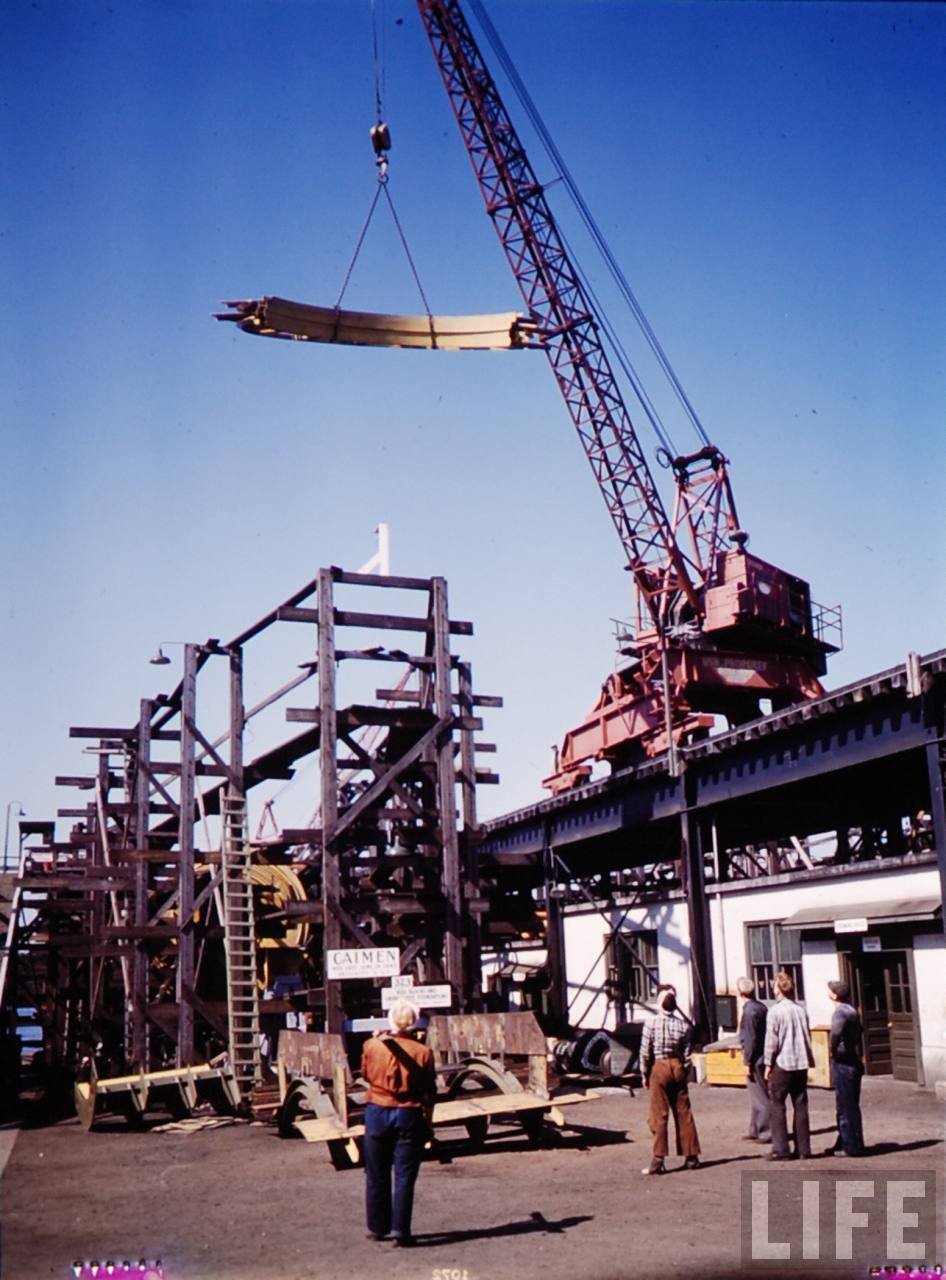 |
137k | The Caiman (SS-323) was spawned here. Construction is probably late summer 1943. | Photo from the Photo Essay How To Build A Submarine at Electric Boat Co. New London, Conn. Photographer: Bernard Hoffman, courtesy of life.time.com | |||||||||||||||||||||||||||||||||||||||||||||||||||||||||||||||||||||||||||||||||||||||||||||||||||||||||||||||||||||||||||||||||
 |
638k | Mrs. Agnes Bonjour, President of the Periscope Navy Wives Club, was the sponsor of the Caiman (SS-323), 30 March 1944. | Photo courtesy of Dale Hargrave. | |||||||||||||||||||||||||||||||||||||||||||||||||||||||||||||||||||||||||||||||||||||||||||||||||||||||||||||||||||||||||||||||||
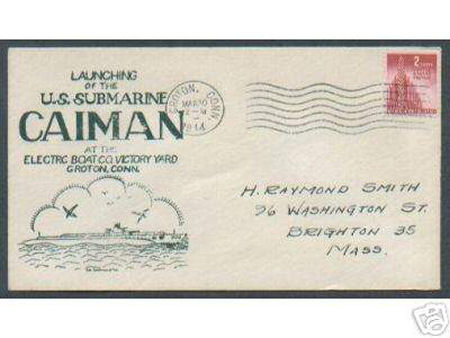 |
31k | Commemorative postal cover marking the launching of the Caiman (SS-323), at the Electric Boat Company, Groton, CT., 30 March 1944. | USN photo courtesy of Jack Treutle (of blessed memory). | |||||||||||||||||||||||||||||||||||||||||||||||||||||||||||||||||||||||||||||||||||||||||||||||||||||||||||||||||||||||||||||||||
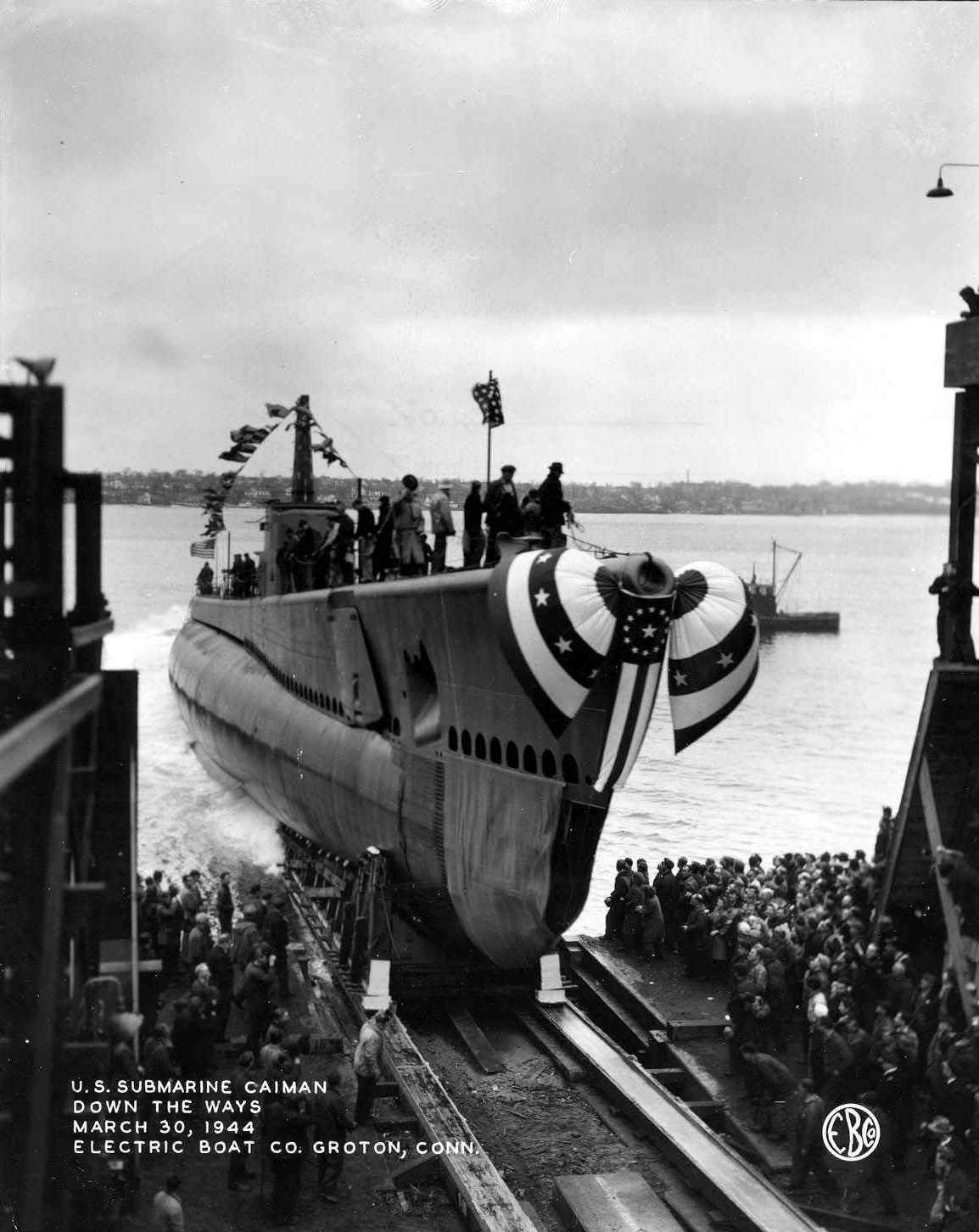 |
130k | Caiman (SS-323), sliding down the launching ways at the Electric Boat Company, Groton, CT., 30 March 1944. | USN photo courtesy of Electric Boat. | |||||||||||||||||||||||||||||||||||||||||||||||||||||||||||||||||||||||||||||||||||||||||||||||||||||||||||||||||||||||||||||||||
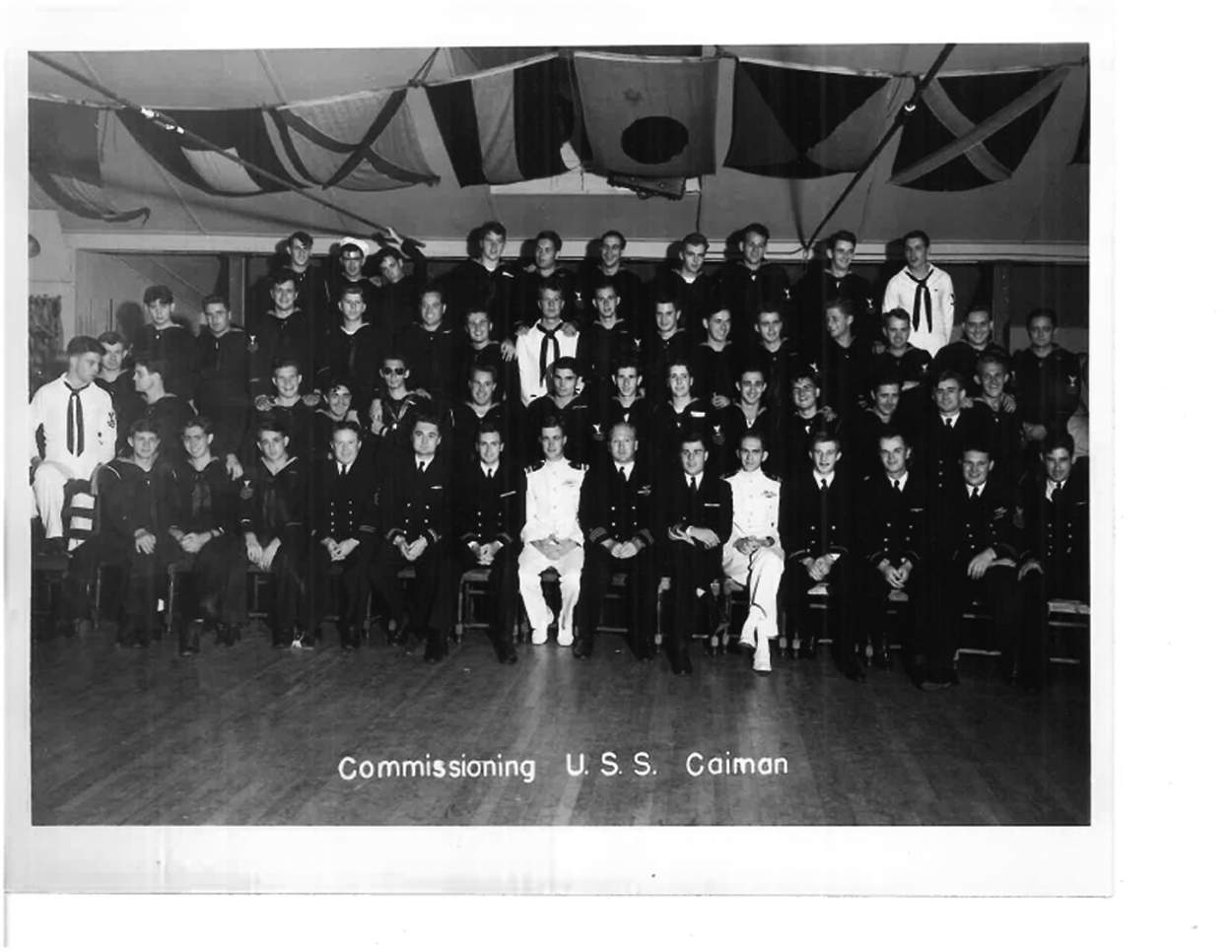 |
894k | Photo of the invitation for the Caiman's (SS-323) commissioning party. The contributor's father, Jewell W. Webb, CEM, was a plankholder on the Caiman. He is the last person on the right in the first row. His significant other, Dorothy Webb, is seated in the far right in the second row. | USN photo courtesy of William J. Webb. | |||||||||||||||||||||||||||||||||||||||||||||||||||||||||||||||||||||||||||||||||||||||||||||||||||||||||||||||||||||||||||||||||
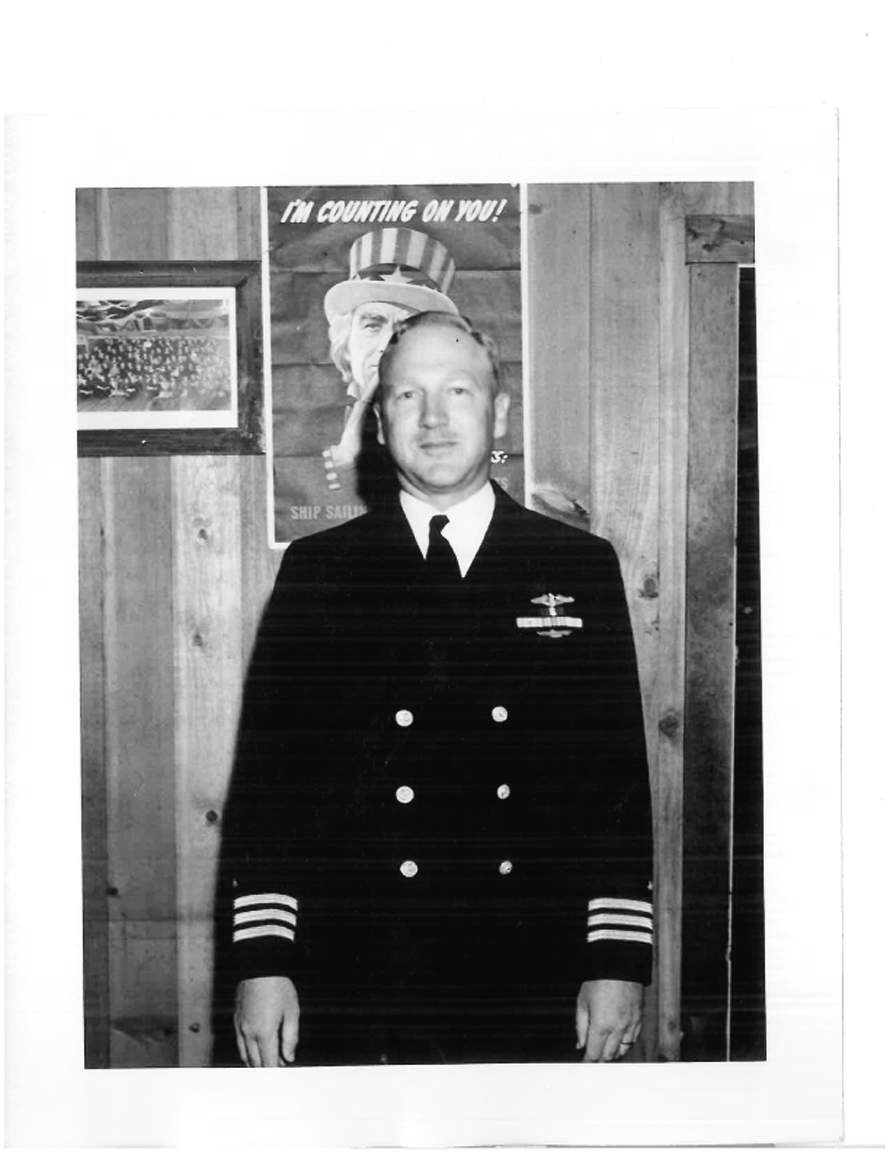 |
66k | J. B. Azer who was commanding officer of the Caiman (SS-323) at the time of her commissioning. | USN photo courtesy of William J. Webb. | |||||||||||||||||||||||||||||||||||||||||||||||||||||||||||||||||||||||||||||||||||||||||||||||||||||||||||||||||||||||||||||||||
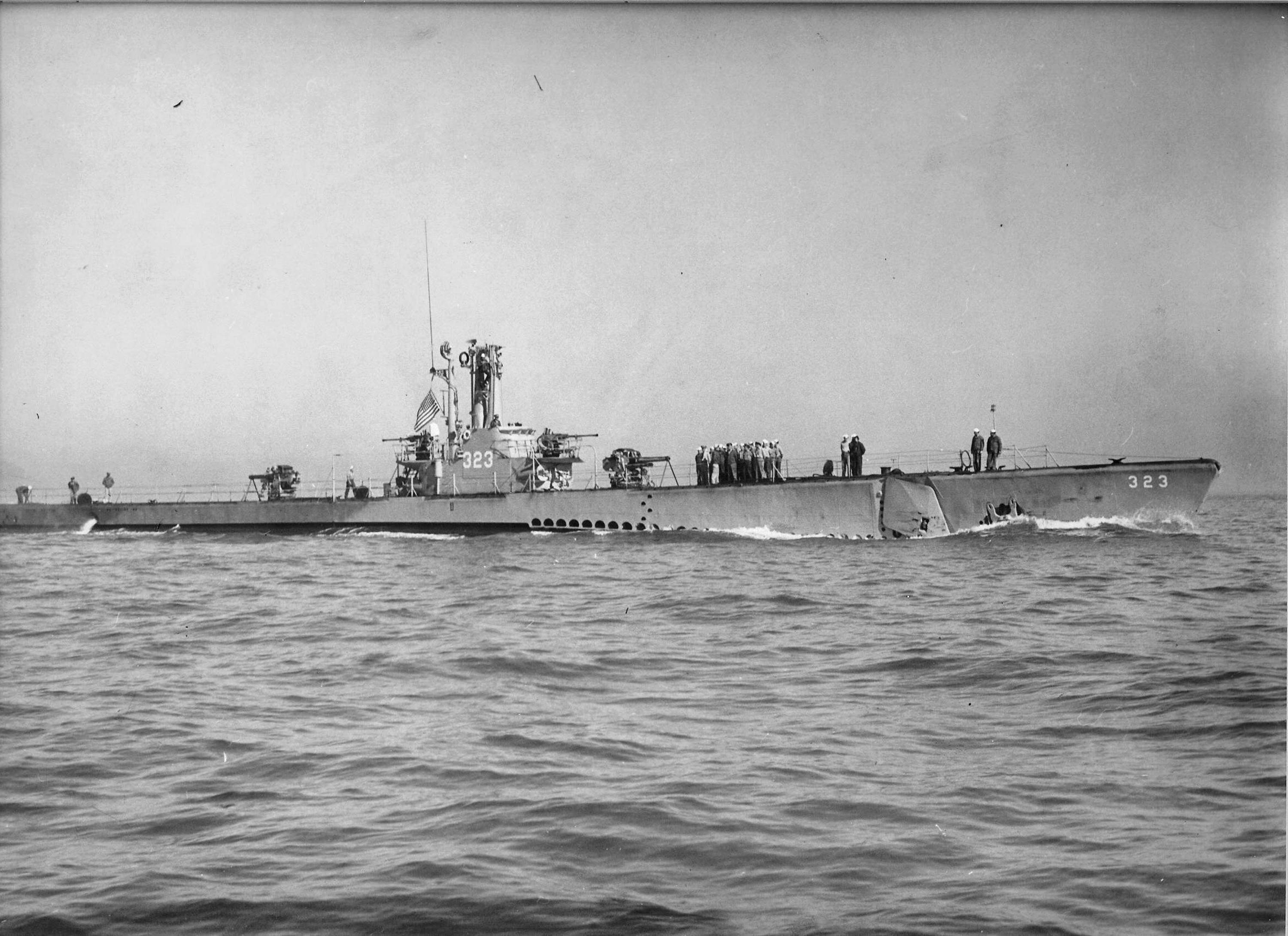 |
534k | Caiman (SS-323) during the 40's post war period. | USN photo courtesy of flickr.com via Stephen Gower. | |||||||||||||||||||||||||||||||||||||||||||||||||||||||||||||||||||||||||||||||||||||||||||||||||||||||||||||||||||||||||||||||||
 |
104k | 3 photo PDF of the Bergall (SS-320), Besugo (SS-321), Caiman (SS-323) & unknown boat alongside their tender circa late '46 to early '47. | Photo i.d. courtesy of Mike Brood. Photos courtesy of Steve Franklin. |
|||||||||||||||||||||||||||||||||||||||||||||||||||||||||||||||||||||||||||||||||||||||||||||||||||||||||||||||||||||||||||||||||
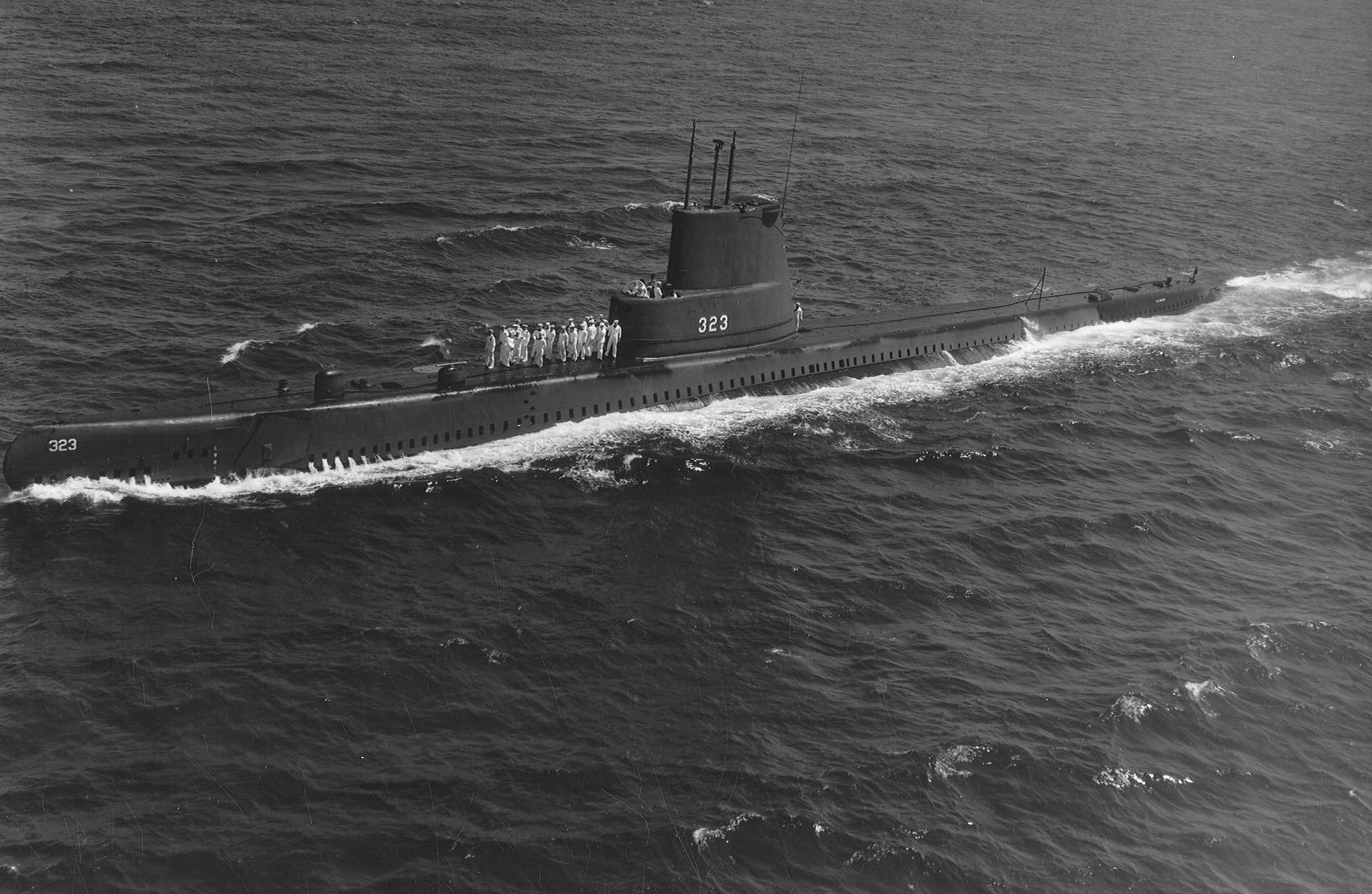 |
1.76k | Caiman (SS-323) circa early 1950's. | USN photo courtesy of Scott Koen & ussnewyork.com. | |||||||||||||||||||||||||||||||||||||||||||||||||||||||||||||||||||||||||||||||||||||||||||||||||||||||||||||||||||||||||||||||||
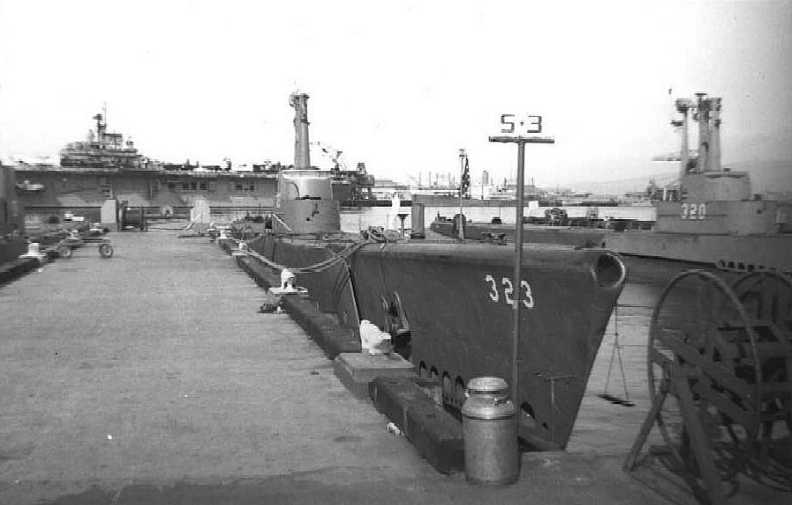 |
29k | March 1950 in Hawaii. Bergall (SS-320) is outboard of the Caiman (SS-323). In the background is the Valley Forge (CVA-45). | Text courtesy of John Hummel, USN (Retired). Photo courtesy of Grant Riddle / submarinebaseph.com | |||||||||||||||||||||||||||||||||||||||||||||||||||||||||||||||||||||||||||||||||||||||||||||||||||||||||||||||||||||||||||||||||
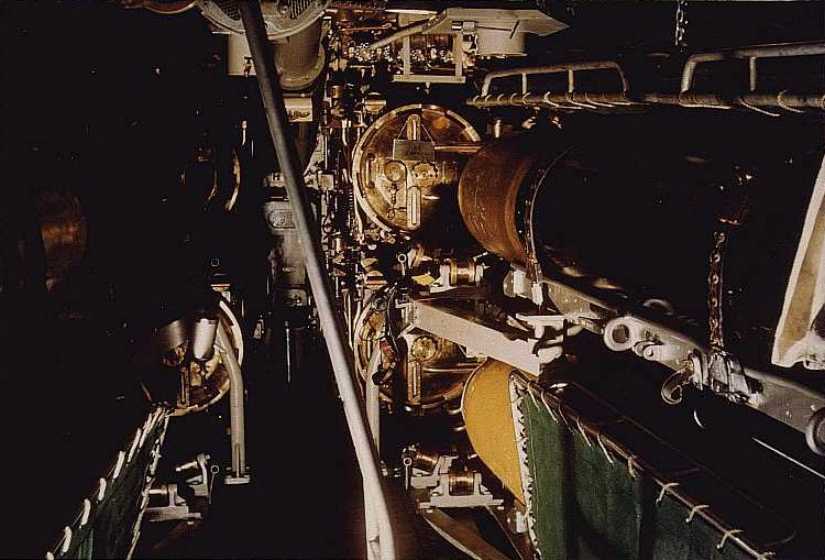 |
50k | The after torpedo room and two torpedoes of the Caiman (SS-323) in 1950. My first bunk assignment was in the rack mounted right above the copper warhead of the torpedo. You can understand why we actually preferred to sleep in the barracks when we had the opportunity. The yellow "exercise shot" had a water-filled tank in place of the warhead. After being shot and running its course, when the propulsion ran down the water was blown out of the tank by air pressure and the torpedo would bob in the water like a buoy to be recovered by the retrievers and re-used. Being a newbie I was assigned a battle station on the torpedo re-loading crew. Under the direction of a torpedoman petty officer we would winch the torpedoes into the tubes before firing. | Courtesy of Grant Riddle / submarinebaseph.com | |||||||||||||||||||||||||||||||||||||||||||||||||||||||||||||||||||||||||||||||||||||||||||||||||||||||||||||||||||||||||||||||||
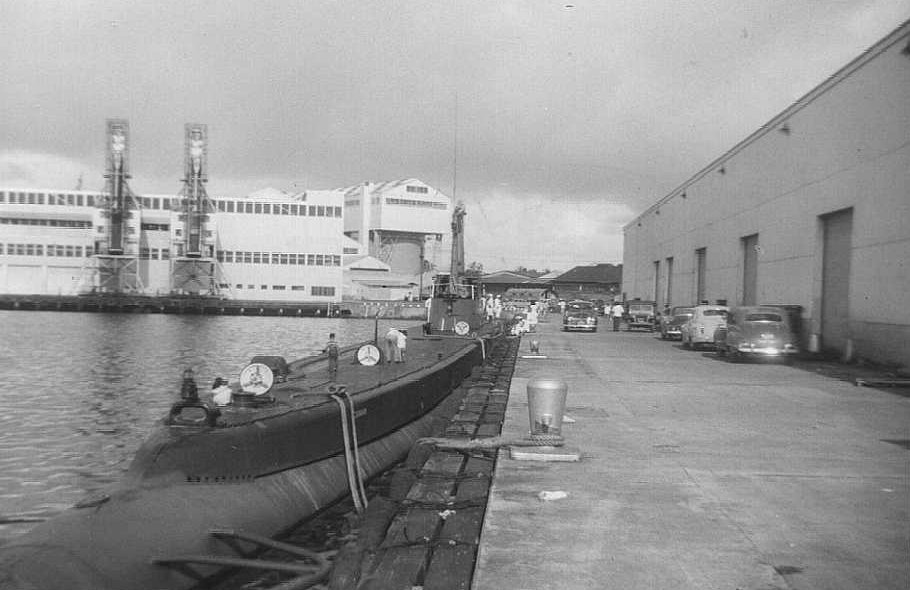 |
87k | Caiman (SS-323), March 1950 at Hilo, Hawaii. In the background is a bulk sugar loading facility. | Courtesy of Grant Riddle / submarinebaseph.com | |||||||||||||||||||||||||||||||||||||||||||||||||||||||||||||||||||||||||||||||||||||||||||||||||||||||||||||||||||||||||||||||||
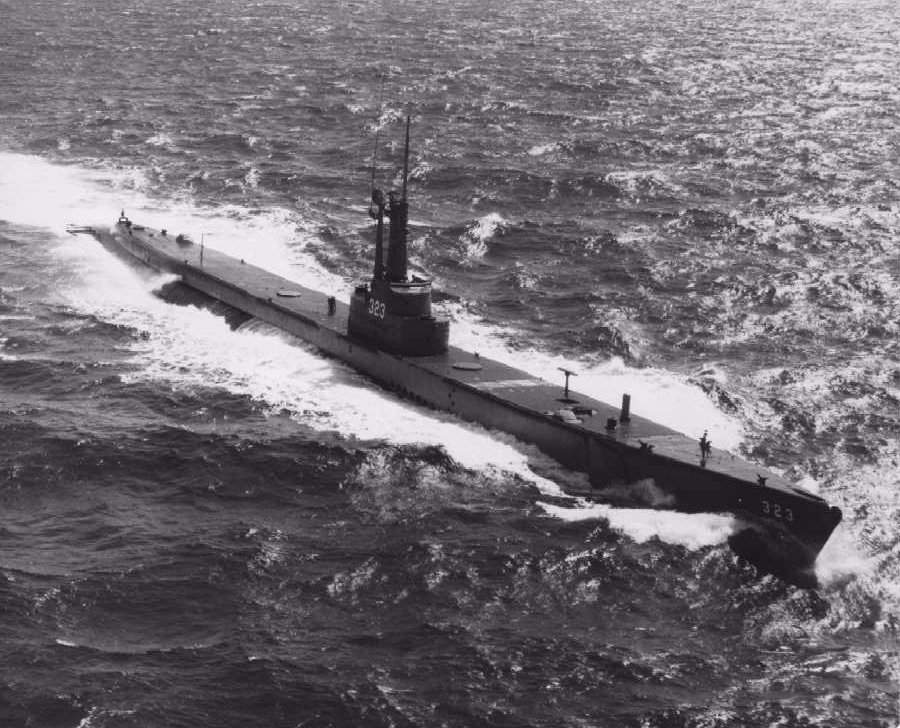 |
100k | Caiman (SS-323) starboard quarter view, March 1950 off Hawaii. | Courtesy of Grant Riddle / submarinebaseph.com | |||||||||||||||||||||||||||||||||||||||||||||||||||||||||||||||||||||||||||||||||||||||||||||||||||||||||||||||||||||||||||||||||
 |
273k | President Truman Inspects Pearl Harbor on 13 October 1950: The Caiman (SS-323) is dockside. | A.P. Wirephoto courtesy of Ron Reeves (of blessed memory). | |||||||||||||||||||||||||||||||||||||||||||||||||||||||||||||||||||||||||||||||||||||||||||||||||||||||||||||||||||||||||||||||||
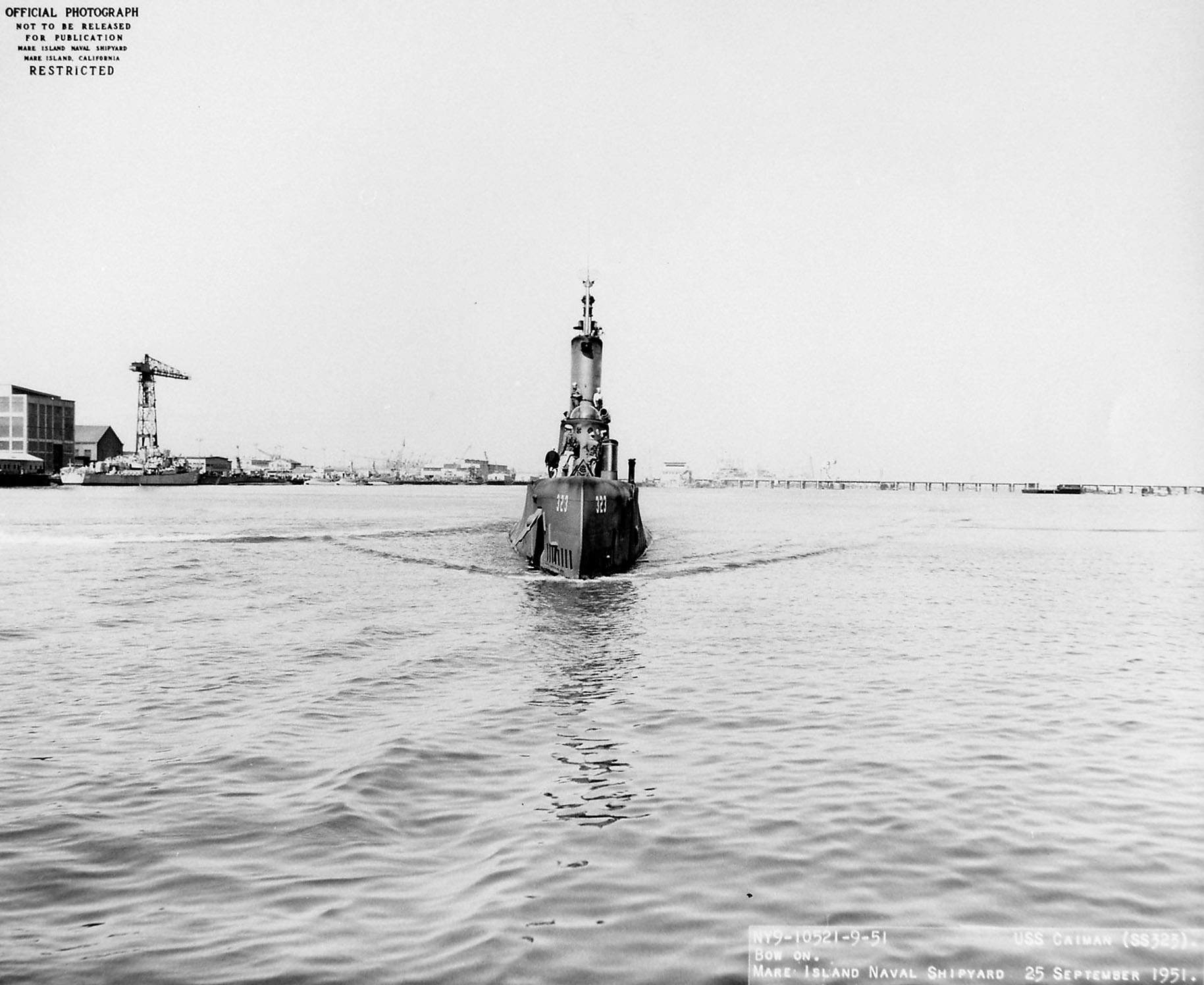 |
211k | Bow on view of Caiman (SS-323) departing Mare Island on 25 September 1951. | USN photo # 10521-9-51, courtesy of Darryl L. Baker. | |||||||||||||||||||||||||||||||||||||||||||||||||||||||||||||||||||||||||||||||||||||||||||||||||||||||||||||||||||||||||||||||||
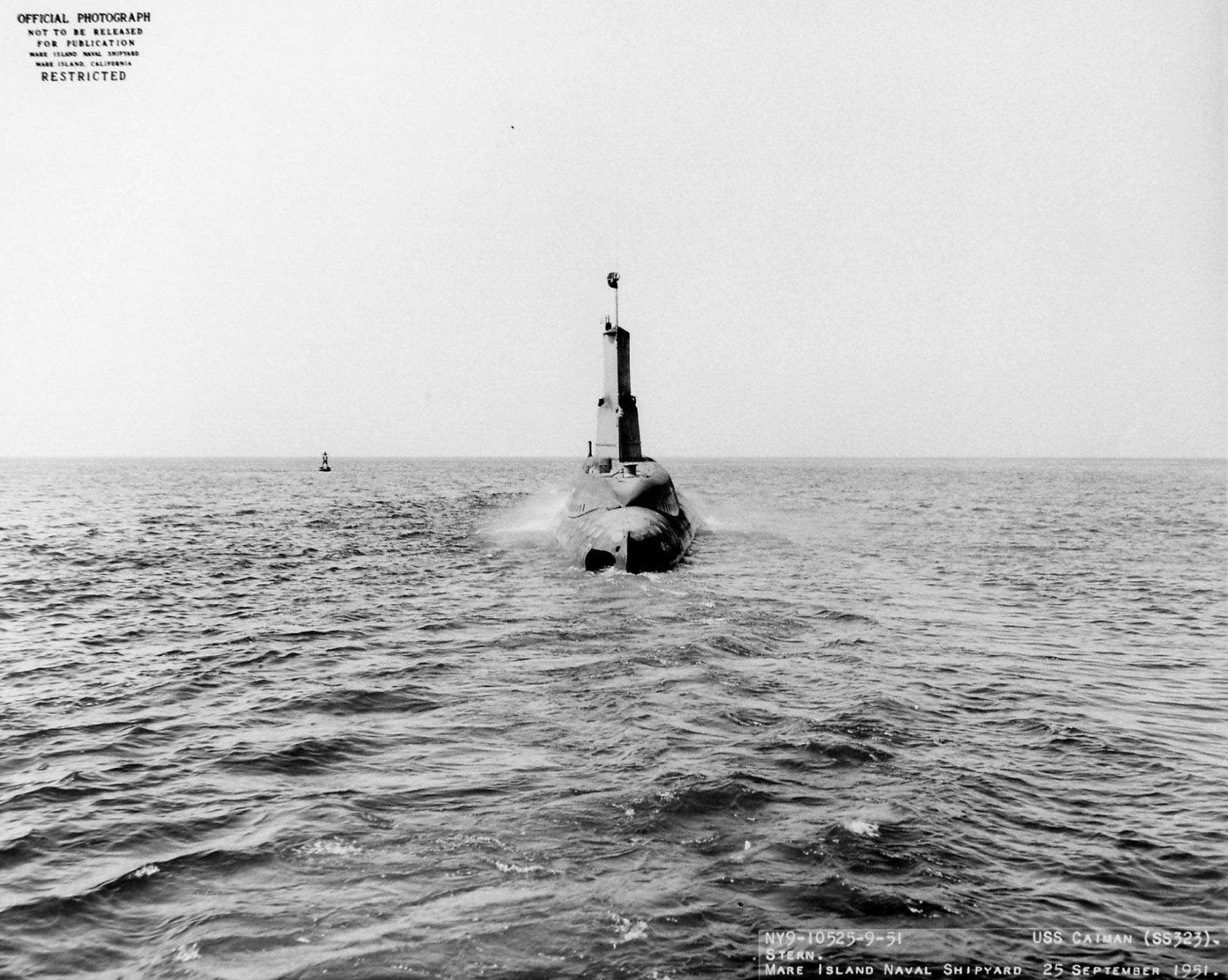 |
290k | Stern view of Caiman (SS-323) departing Mare Island on 25 September 1951. | USN photo # 10525-9-51, courtesy of Darryl L. Baker. | |||||||||||||||||||||||||||||||||||||||||||||||||||||||||||||||||||||||||||||||||||||||||||||||||||||||||||||||||||||||||||||||||
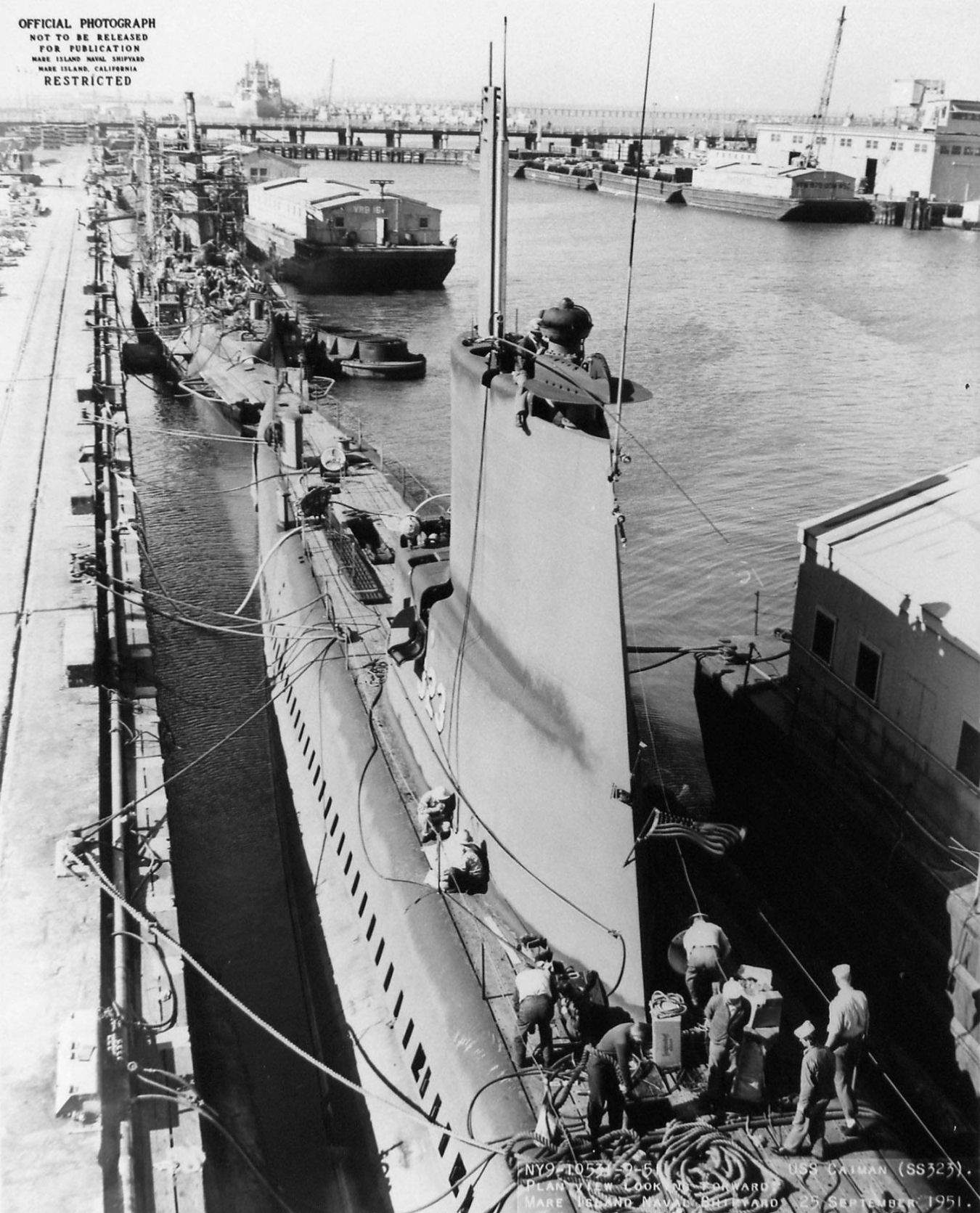 |
291k | Amidships looking forward plan view of Caiman (SS-323) at Mare Island on 25 September 1951. She was under conversion at the yard from 2 April to 10 October 1951. The Charr (SS-328) & Baya (SS-318) are in front of the Caiman undergoing their conversions to GUPPY. | USN photo # 10531-9-51, courtesy of Darryl L. Baker. | |||||||||||||||||||||||||||||||||||||||||||||||||||||||||||||||||||||||||||||||||||||||||||||||||||||||||||||||||||||||||||||||||
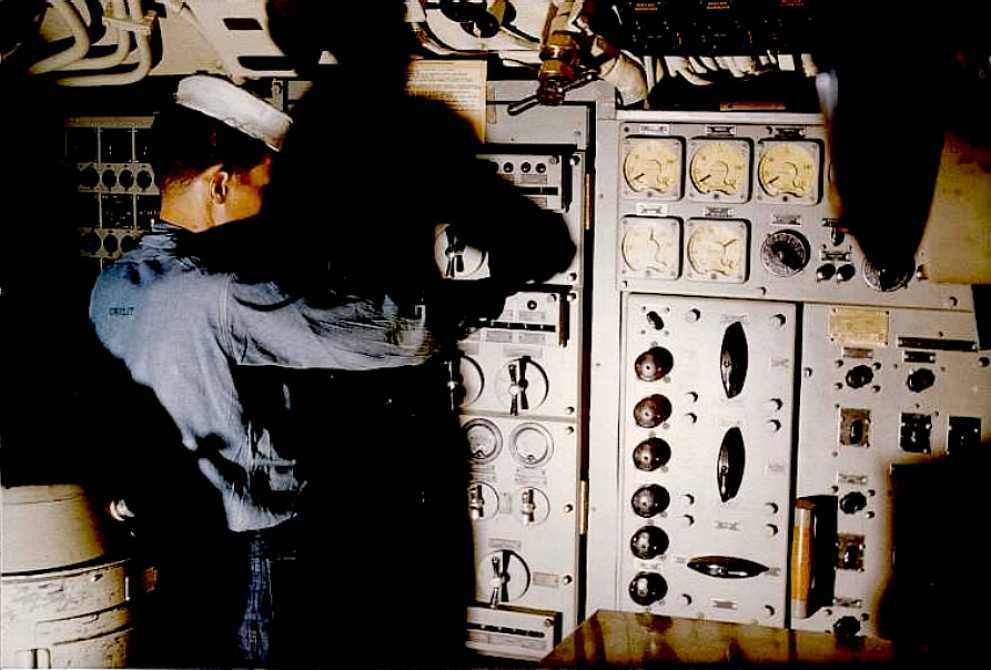 |
64k | The AC power distribution panel and gyro control panel in control room of the Caiman (SS-323). Circa 1951-52. | Courtesy of Grant Riddle / submarinebaseph.com | |||||||||||||||||||||||||||||||||||||||||||||||||||||||||||||||||||||||||||||||||||||||||||||||||||||||||||||||||||||||||||||||||
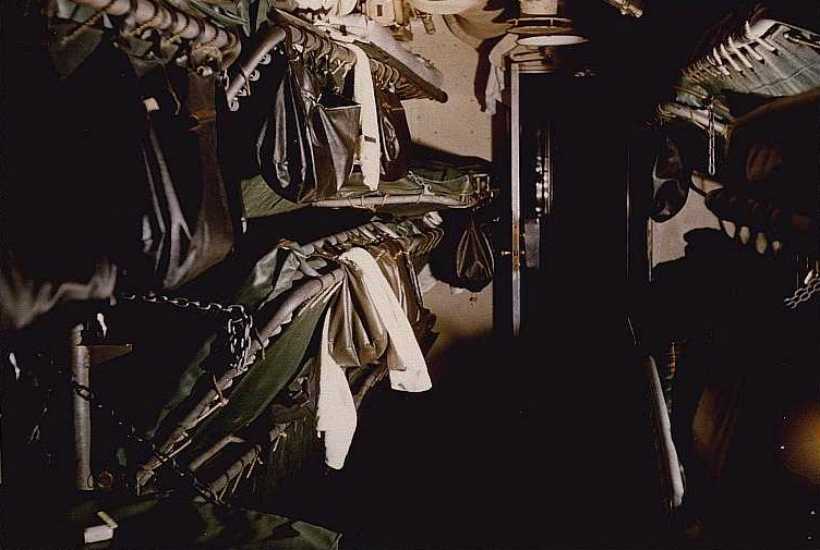 |
40k | After battery sleeping quarters, bunks "up" in the Caiman (SS-323). Circa 1951-52. | Courtesy of Grant Riddle / submarinebaseph.com | |||||||||||||||||||||||||||||||||||||||||||||||||||||||||||||||||||||||||||||||||||||||||||||||||||||||||||||||||||||||||||||||||
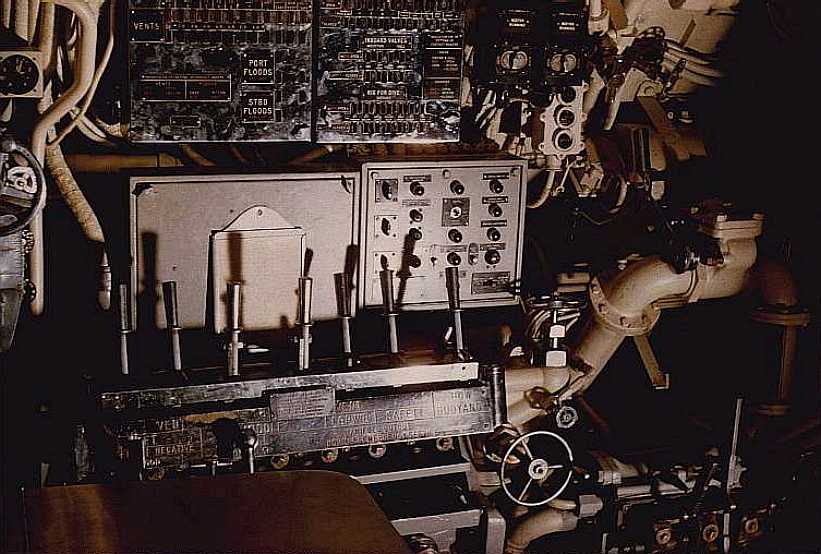 |
69k | The new snorkel control panel at the dive station of the Caiman (SS-323). The snorkel head had an electric sensor that would shut the valve if seawater washed over it. The engines would keep running and suck the air out of the boat, circa 1951-52. | Courtesy of Grant Riddle / submarinebaseph.com | |||||||||||||||||||||||||||||||||||||||||||||||||||||||||||||||||||||||||||||||||||||||||||||||||||||||||||||||||||||||||||||||||
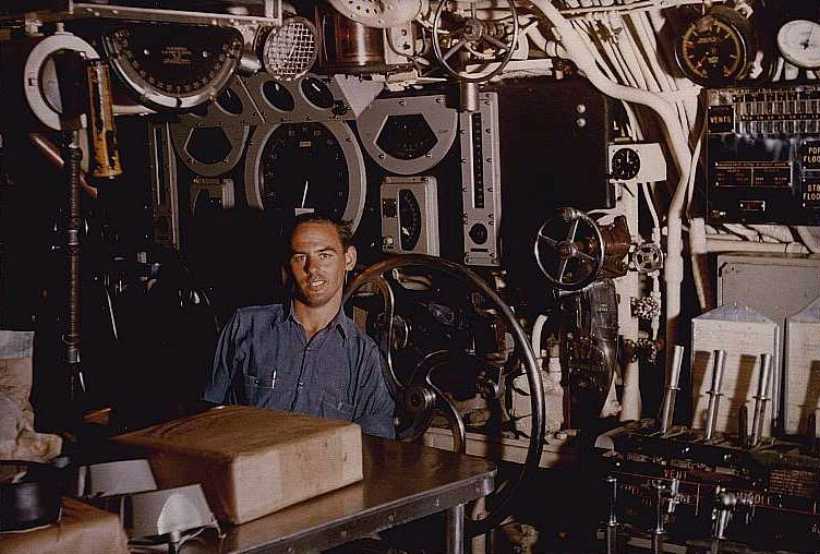 |
60k | Caiman (SS-323) with upgraded dive control station with new indicators. The former bubbles were replaced with more sensitive dial indicators, circa 1951-52. | Courtesy of Grant Riddle / submarinebaseph.com | |||||||||||||||||||||||||||||||||||||||||||||||||||||||||||||||||||||||||||||||||||||||||||||||||||||||||||||||||||||||||||||||||
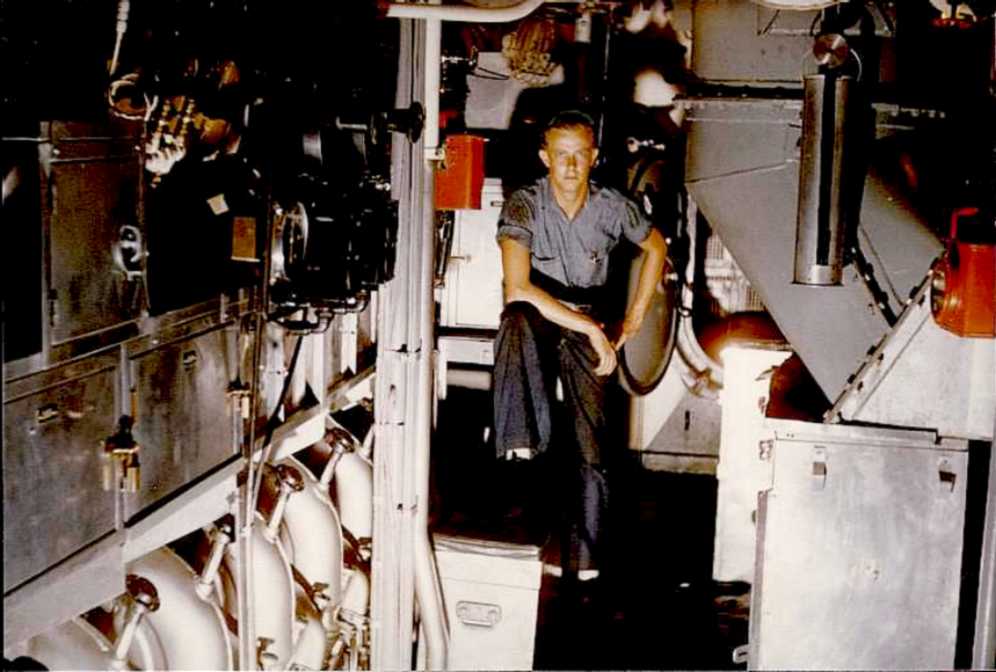 |
64k | One addition to the engine rooms in the Caiman (SS-323) was an air diverter to blow any sea water coming down the snorkel to over and behind the engines. Also, when we were snorkeling in Arctic waters the icy air was partially warmed by the engines before being blown through the boat. Circa 1951-52. | Courtesy of Grant Riddle / submarinebaseph.com | |||||||||||||||||||||||||||||||||||||||||||||||||||||||||||||||||||||||||||||||||||||||||||||||||||||||||||||||||||||||||||||||||
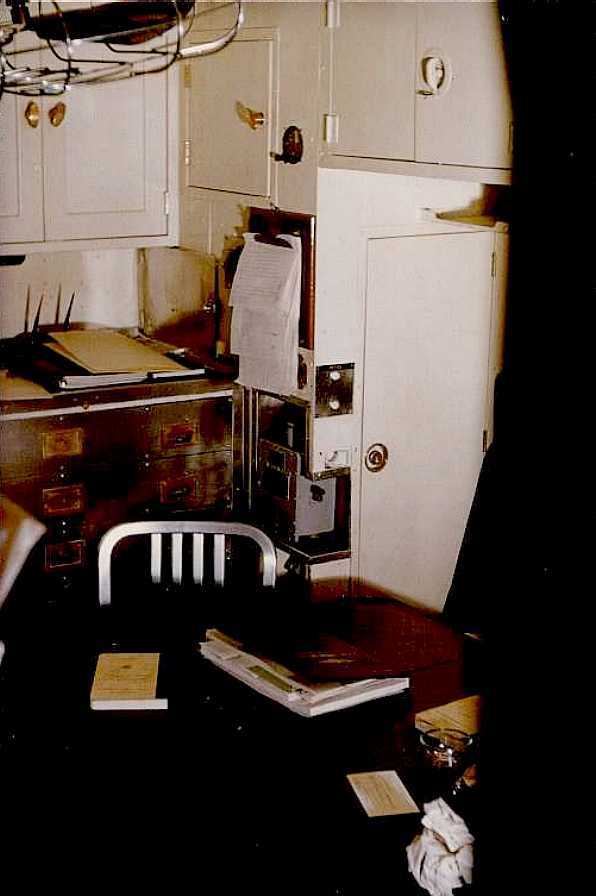 |
40k | The Captain's chair at the wardroom table. Nobody but nobody sat in that chair except the Captain of the Caiman (SS-323), circa 1951-52. | Courtesy of Grant Riddle / submarinebaseph.com | |||||||||||||||||||||||||||||||||||||||||||||||||||||||||||||||||||||||||||||||||||||||||||||||||||||||||||||||||||||||||||||||||
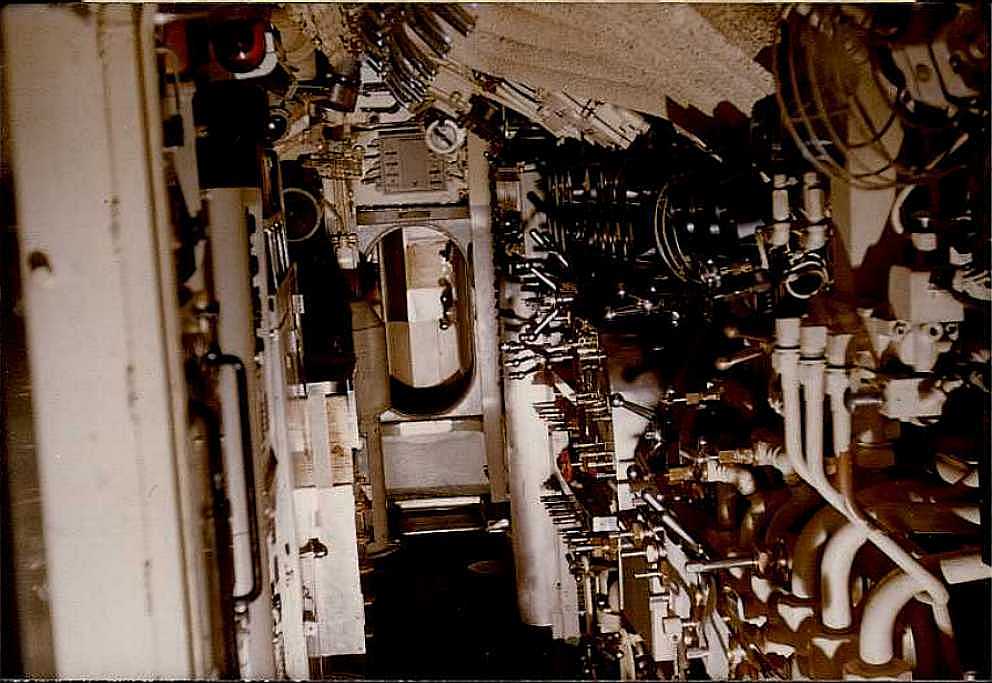 |
81k | The high-pressure air distribution manifold of the Caiman (SS-323) looking forward. Circa 1951-52. | Courtesy of Grant Riddle / submarinebaseph.com | |||||||||||||||||||||||||||||||||||||||||||||||||||||||||||||||||||||||||||||||||||||||||||||||||||||||||||||||||||||||||||||||||
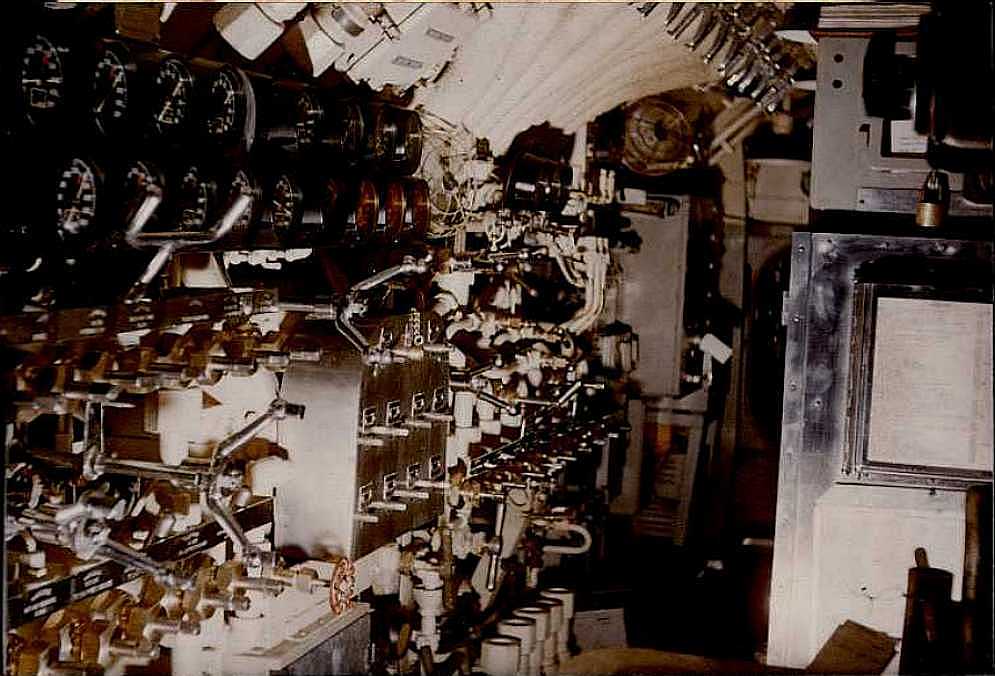 |
81k | The high and low-pressure distribution manifold of the Caiman (SS-323) looking aft. Circa 1951-52. | Courtesy of Grant Riddle / submarinebaseph.com | |||||||||||||||||||||||||||||||||||||||||||||||||||||||||||||||||||||||||||||||||||||||||||||||||||||||||||||||||||||||||||||||||
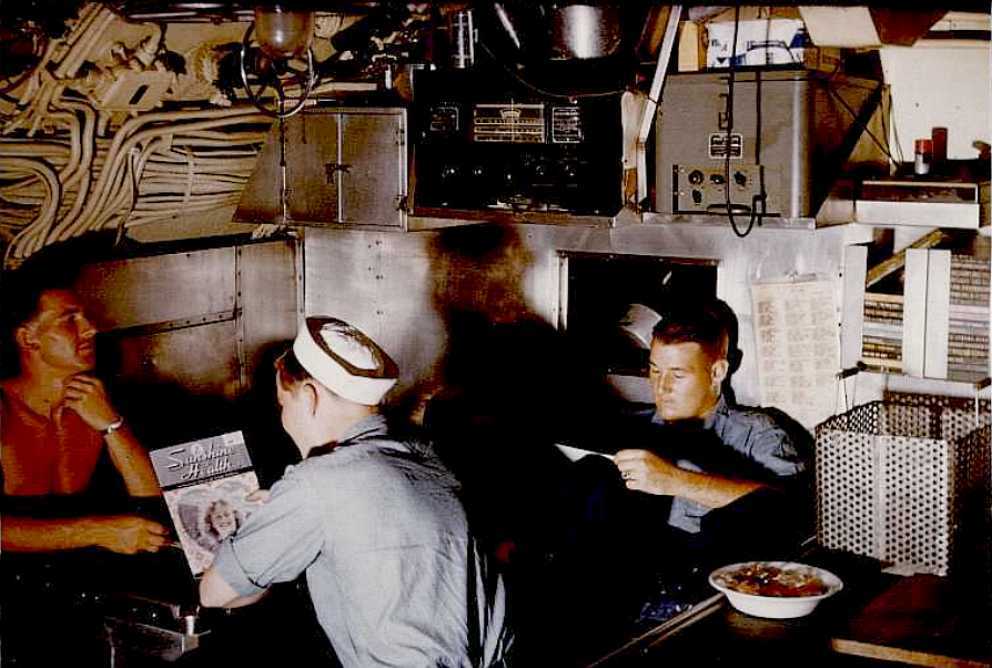 |
74k | The mess hall of the Caiman (SS-323) with galley passthrough. Important reading material, circa 1951-52. | Courtesy of Grant Riddle / submarinebaseph.com | |||||||||||||||||||||||||||||||||||||||||||||||||||||||||||||||||||||||||||||||||||||||||||||||||||||||||||||||||||||||||||||||||
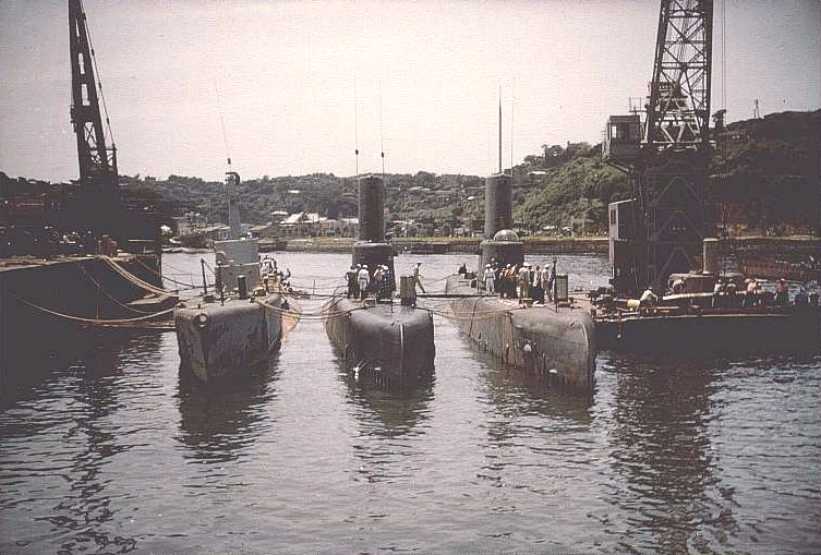 |
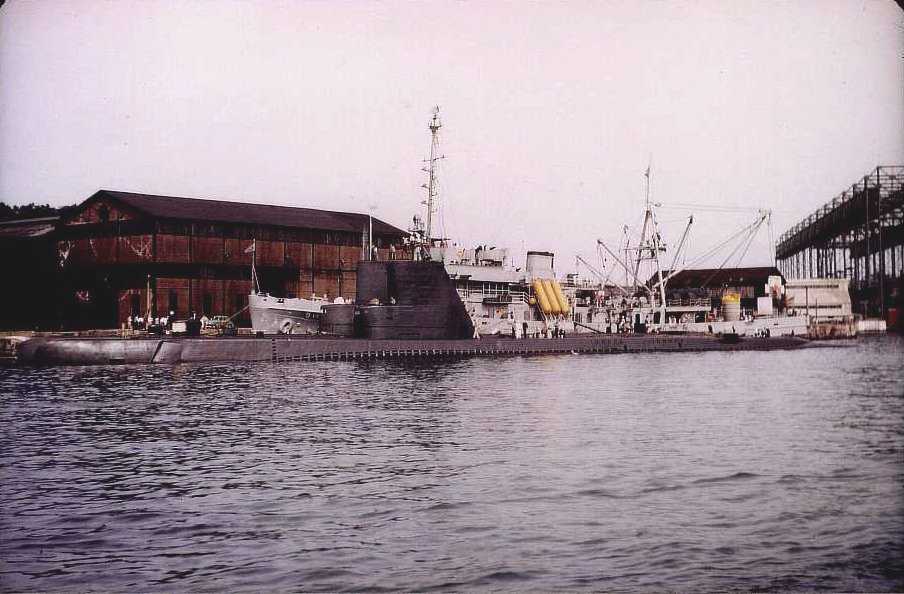
54k | The Caiman (SS-323) was moored outboard of a fleet-type boat (unidentified) and inboard of the Blackfin (SS-322) in Yokosuka, Japan, 1952. The floating crane had come alongside to load torpedoes into the Blackfin. | Courtesy of Grant Riddle / submarinebaseph.com | |||||||||||||||||||||||||||||||||||||||||||||||||||||||||||||||||||||||||||||||||||||||||||||||||||||||||||||||||||||||||||||||||
 |
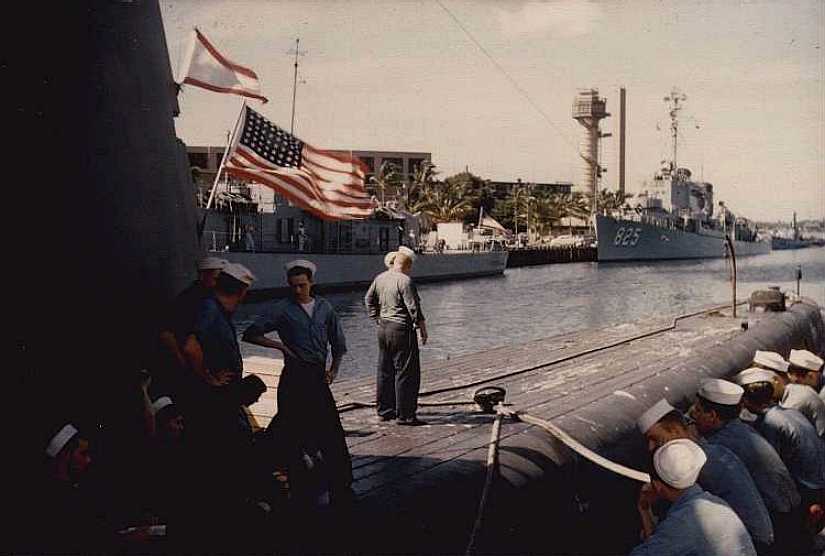
63k | The Caiman (SS-323) & Blackfin (SS-322) moored outboard of the ASR in Yokosuka, Japan, 1952. | Courtesy of Grant Riddle / submarinebaseph.com | |||||||||||||||||||||||||||||||||||||||||||||||||||||||||||||||||||||||||||||||||||||||||||||||||||||||||||||||||||||||||||||||||
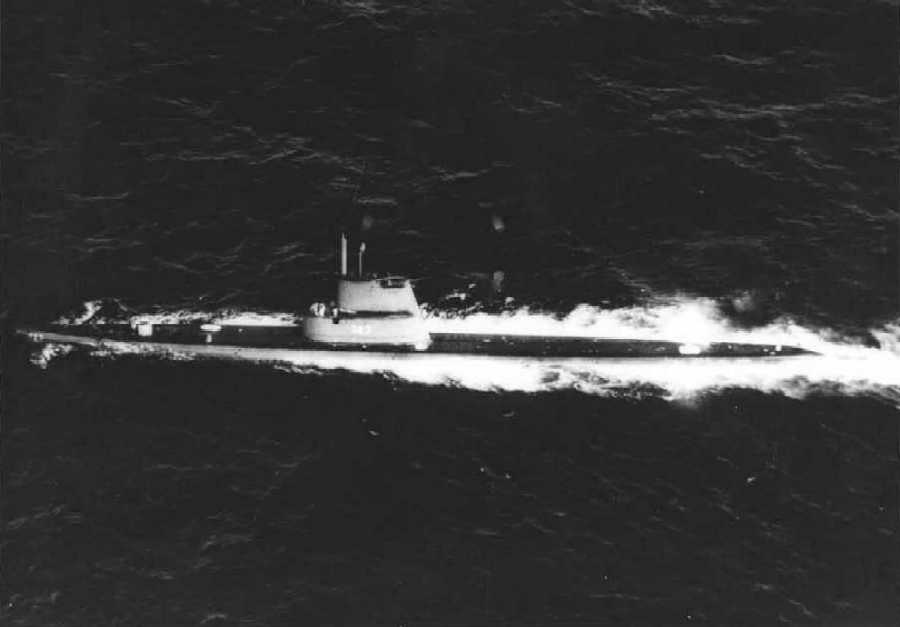 |
24k | Caiman (SS-323), underway, fall of 1953, prior to conducting a "covert" cruise to track the Soviet merchant fleet sailing through the Bering Strait between Alaska and the Siberian peninsula to supply the North Korean war effort. | Courtesy of Grant Riddle / submarinebaseph.com. | |||||||||||||||||||||||||||||||||||||||||||||||||||||||||||||||||||||||||||||||||||||||||||||||||||||||||||||||||||||||||||||||||
 |
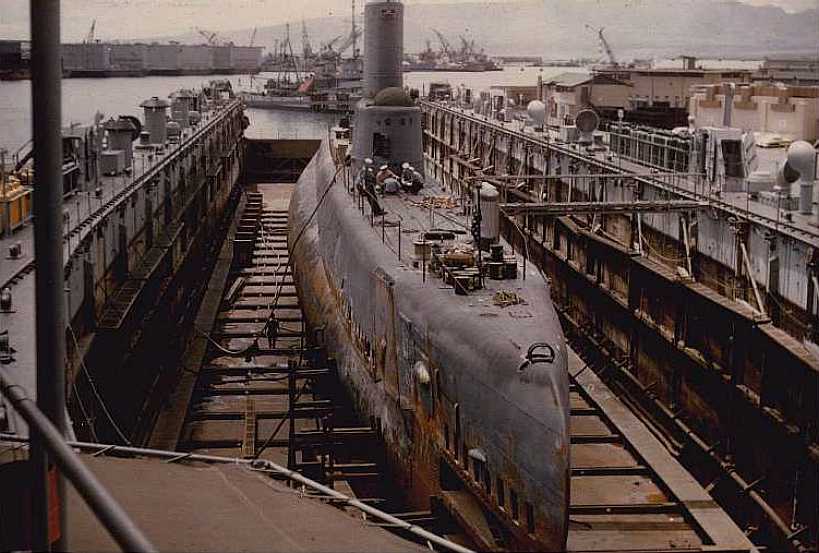
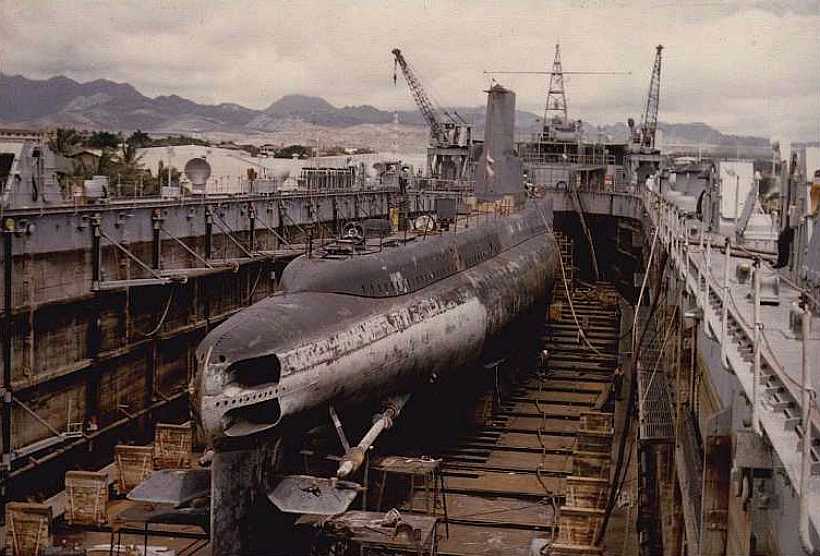
41k | Caiman (SS-323), prior to going to the Dry Dock (ARD) for 10,000 mile overhaul. The white stuff is saltwater corrosion of aluminum, fall 1953. | Courtesy of Grant Riddle / submarinebaseph.com | |||||||||||||||||||||||||||||||||||||||||||||||||||||||||||||||||||||||||||||||||||||||||||||||||||||||||||||||||||||||||||||||||
 |
76k | Caiman (SS-323), in the Dry Dock (ARD) for scraping and repainting. The ASR in the background, fall 1953. | Courtesy of Grant Riddle submarinebaseph.com | |||||||||||||||||||||||||||||||||||||||||||||||||||||||||||||||||||||||||||||||||||||||||||||||||||||||||||||||||||||||||||||||||
 |
66k | Caiman (SS-323), stern view in the Dry Dock (ARD) for scraping and repainting. The screws were removed and taken to the shop for repair. | Courtesy of Grant Riddle / submarinebaseph.com | |||||||||||||||||||||||||||||||||||||||||||||||||||||||||||||||||||||||||||||||||||||||||||||||||||||||||||||||||||||||||||||||||
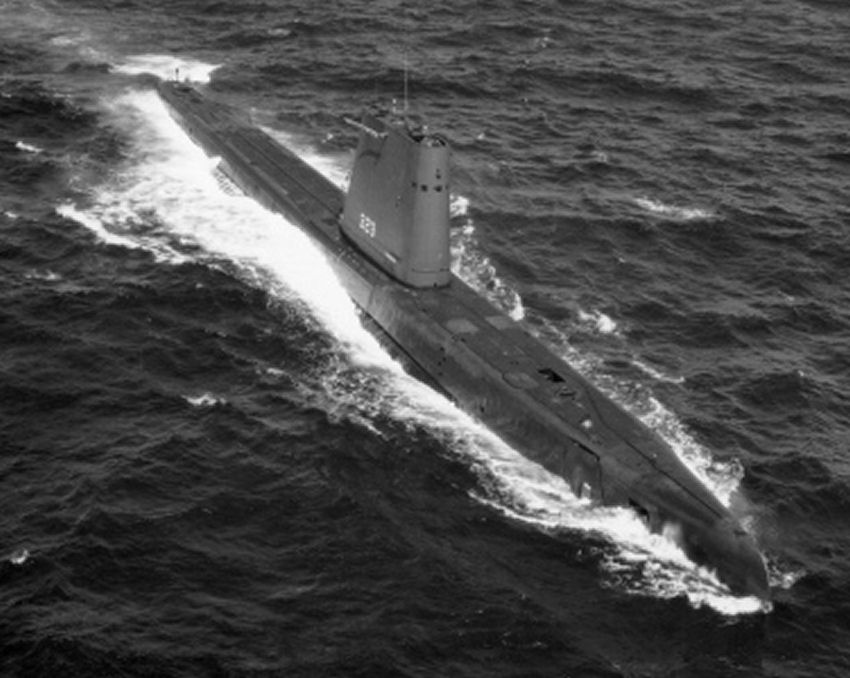 |
87k | The Caiman (SS-323) underway, circa post 1953. | USN photo courtesy of USNI. | |||||||||||||||||||||||||||||||||||||||||||||||||||||||||||||||||||||||||||||||||||||||||||||||||||||||||||||||||||||||||||||||||
 |
1.71k | 4 page PDF Xmas 1955 menu aboard the Caiman (SS-323). | Photo courtesy of Ron Reeves (of blessed memory). | |||||||||||||||||||||||||||||||||||||||||||||||||||||||||||||||||||||||||||||||||||||||||||||||||||||||||||||||||||||||||||||||||
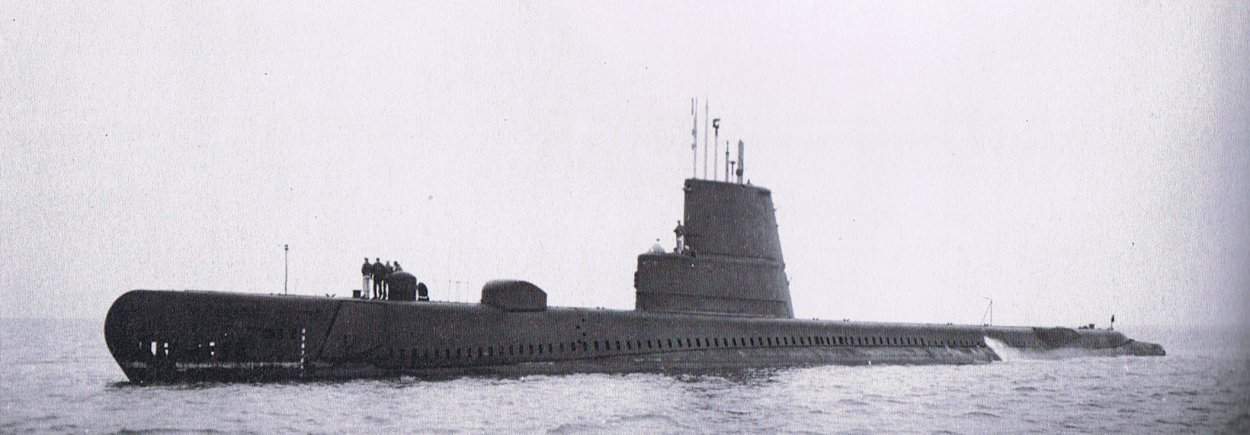 |
44k | Caiman (SS-323) is shown on 31 July 1958 after a San Francisco overhaul. The large dome enclosed BQR-3, a modernized JT, permitting it to fuction at higher underwater speeds. The smaller dome housed a single-ping searchlight sonar, BQS-3, a successor to the wartime WFA. | USN photo & text courtesy of U.S. Submarines Since 1945, An Illustrated Design History by Norman Friedman & James L. Christley. Naval Institute Press. | |||||||||||||||||||||||||||||||||||||||||||||||||||||||||||||||||||||||||||||||||||||||||||||||||||||||||||||||||||||||||||||||||
 |
666k | Sperry (AS-12) moored in the harbor at San Diego CA., in 1962 with submarines on her port side, from outboard to inboard, Bugara (SS-331) Caiman (SS-323) Ronquil (SS-396) Charr (SS-328) Sea Fox (SS-402) and Menhaden (SS-377). |
Photo courtesy of Tommy Trampp. | |||||||||||||||||||||||||||||||||||||||||||||||||||||||||||||||||||||||||||||||||||||||||||||||||||||||||||||||||||||||||||||||||
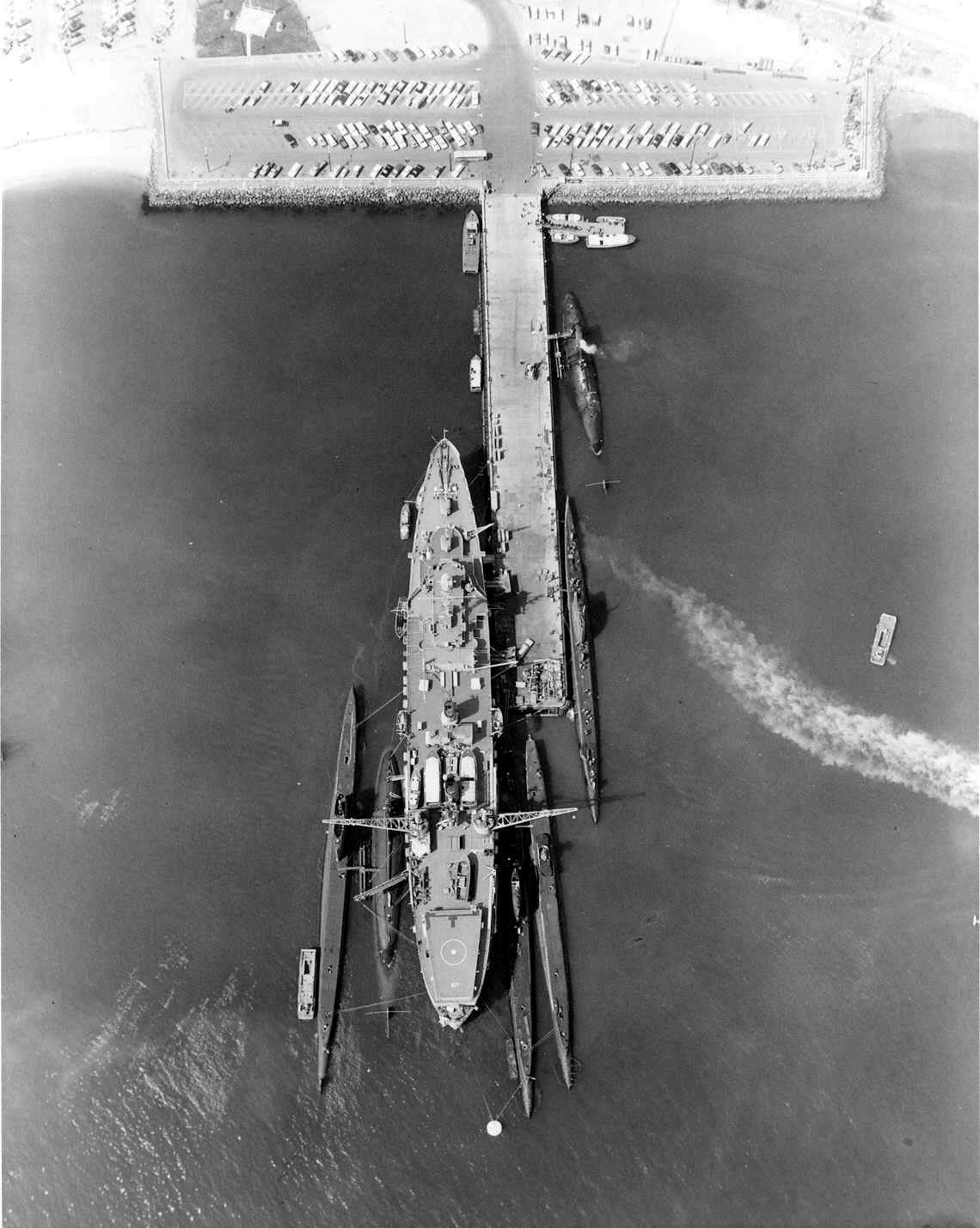 | 153k | Subs alongside of the Sperry (AS-12), circa 1964 - 68. There are three Guppies, one AGSS, and Skipjack class 585's. The Caiman (SS-323) looks like the boat overhanging the end of the pier. Caiman was a Guppy 1A and had the sail, bow and aft messenger buoy on the port side as shown. | USN photo courtesy of ussubvetsofworldwarii.org. Photo i.d. courtesy of Ray ? Text courtesy of David Johnston. | |||||||||||||||||||||||||||||||||||||||||||||||||||||||||||||||||||||||||||||||||||||||||||||||||||||||||||||||||||||||||||||||||
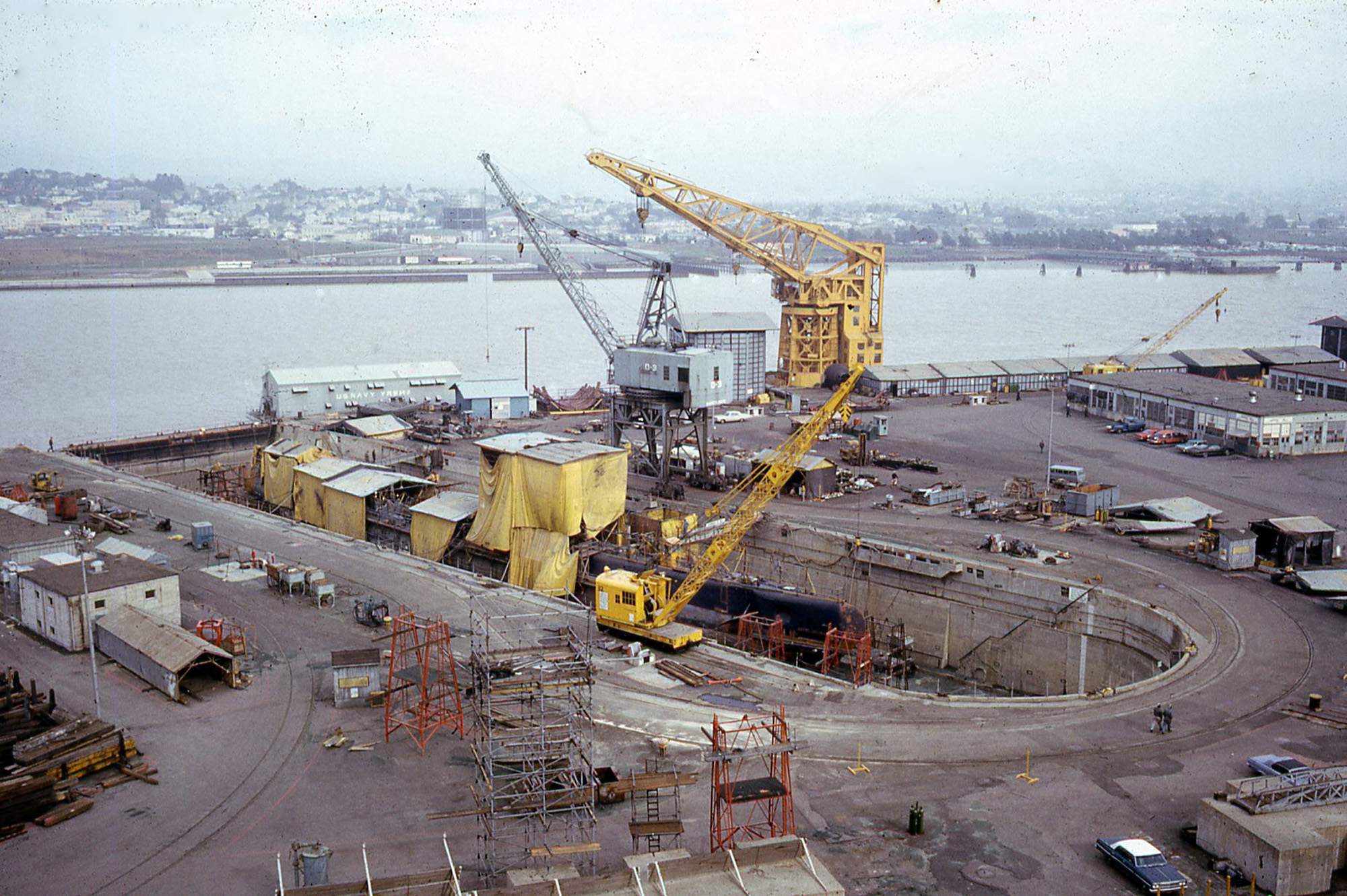 |
323k | The Caiman (SS-323) is seen in Mare Island's dry dock #4 in February 1967 while in overhaul at the yard. She was in overhaul at the yard from 14 December 1966 to 29 May 1967 and in dry dock from 20 December 1966 to 21 March 1967. Floating workshop/ berthing barge YRS-2 and 150-ton floating crane YSD-33 are seen in the background. | USN photo # 10521-9-51, courtesy of Darryl L. Baker. | |||||||||||||||||||||||||||||||||||||||||||||||||||||||||||||||||||||||||||||||||||||||||||||||||||||||||||||||||||||||||||||||||
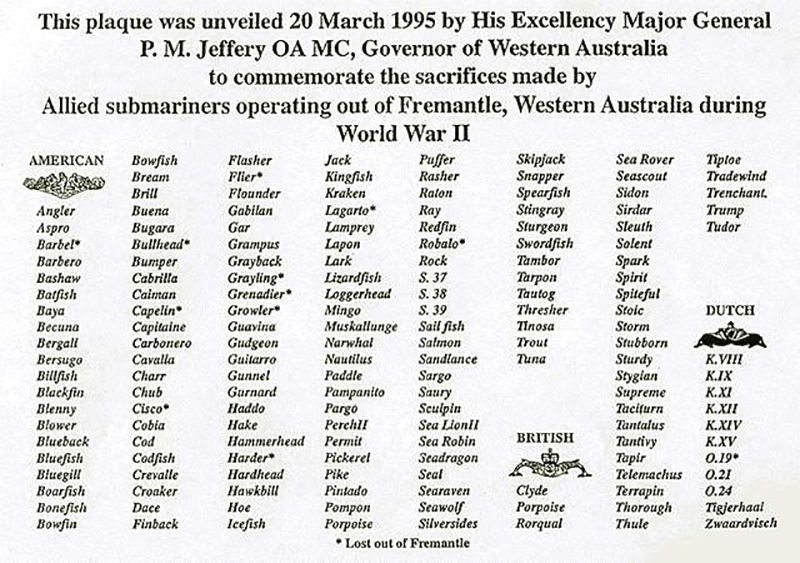 |
365k | This plaque was unveiled 20 March 1995 by His Excellency Major General P.M. Jeffery OA MC, Governor of Western Australia to commemorate the sacrifices made by Allied submarines that operated out of Fremantle, Western Australia during WW II. | Photo courtesy of Ron Reeves (of blessed memory). | |||||||||||||||||||||||||||||||||||||||||||||||||||||||||||||||||||||||||||||||||||||||||||||||||||||||||||||||||||||||||||||||||
 0842026 | 638k | 5 photo PDF of Senior Chief Machinist mate James Taney & his qual book from the Caiman (SS-323), 1970. | Photo courtesy of Dale Hargrave. | |||||||||||||||||||||||||||||||||||||||||||||||||||||||||||||||||||||||||||||||||||||||||||||||||||||||||||||||||||||||||||||||||
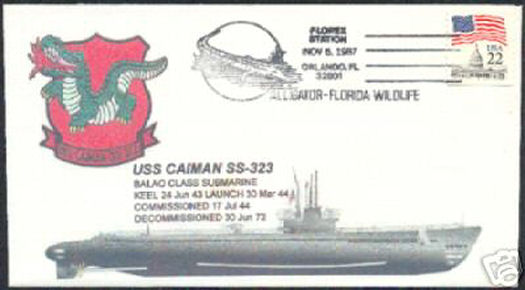 |
26k | Commemorative postal cover marking the Caiman's (SS-323) building history. | Courtesy of Jack Treutle (of blessed memory). | |||||||||||||||||||||||||||||||||||||||||||||||||||||||||||||||||||||||||||||||||||||||||||||||||||||||||||||||||||||||||||||||||
 TCG Dumlupinar (S-339) TCG Dumlupinar (S-339) |
||||
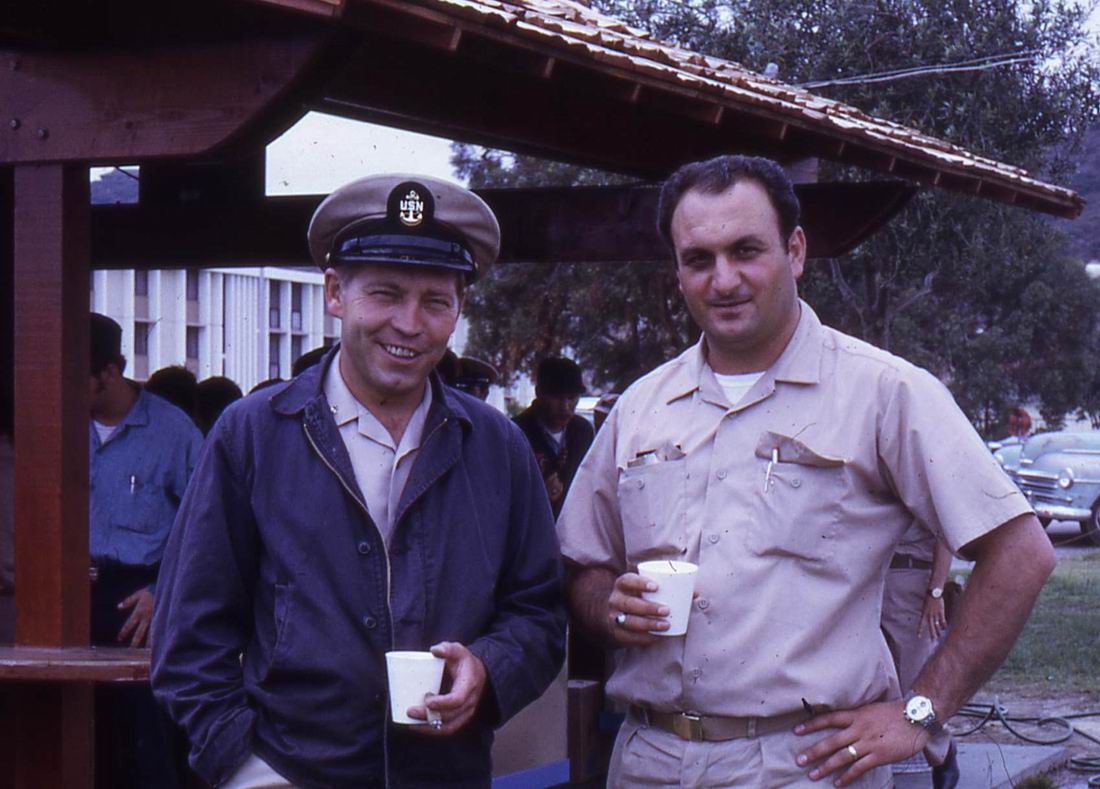 |
116k | A week before decommissioning, US and Turkish crew on the Barbecue. EMCS (SS) J.A. Andrezik Chief of the Electric & EMC Sait Kucuk. | Photo courtesy of Sait Kucuk, CPOS (Retired),Turkish Navy. | |
 |
112k | Front cover of the Decommissioning & Transfer Program, 30 June 1972. | Photo courtesy of Sait Kucuk, CPOS (Retired),Turkish Navy. | |
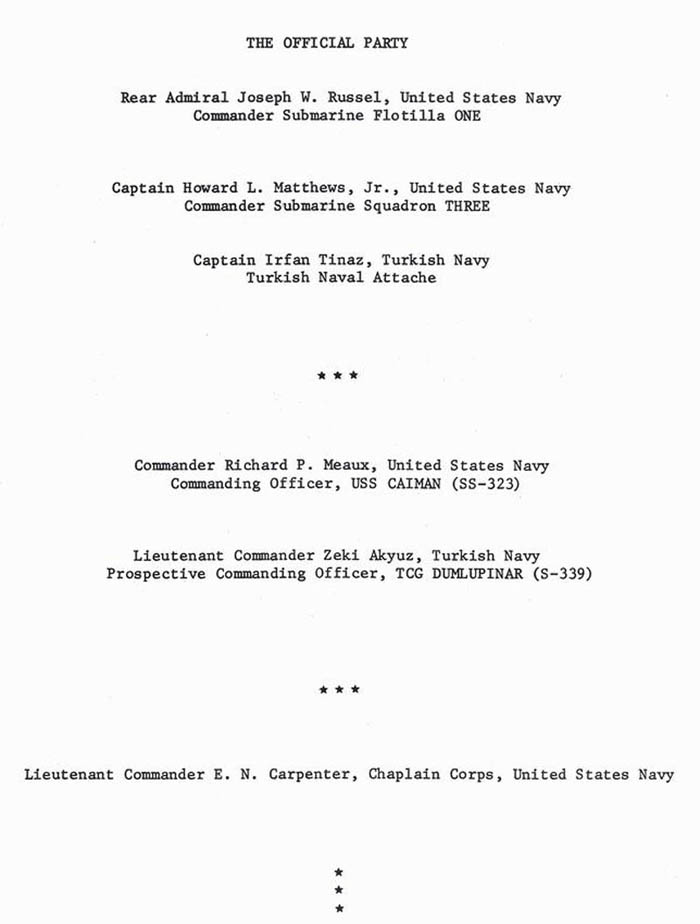 |
83k | Page 2 of the Decommissioning & Transfer Program, 30 June 1972. | Photo courtesy of Sait Kucuk, CPOS (Retired),Turkish Navy. | |
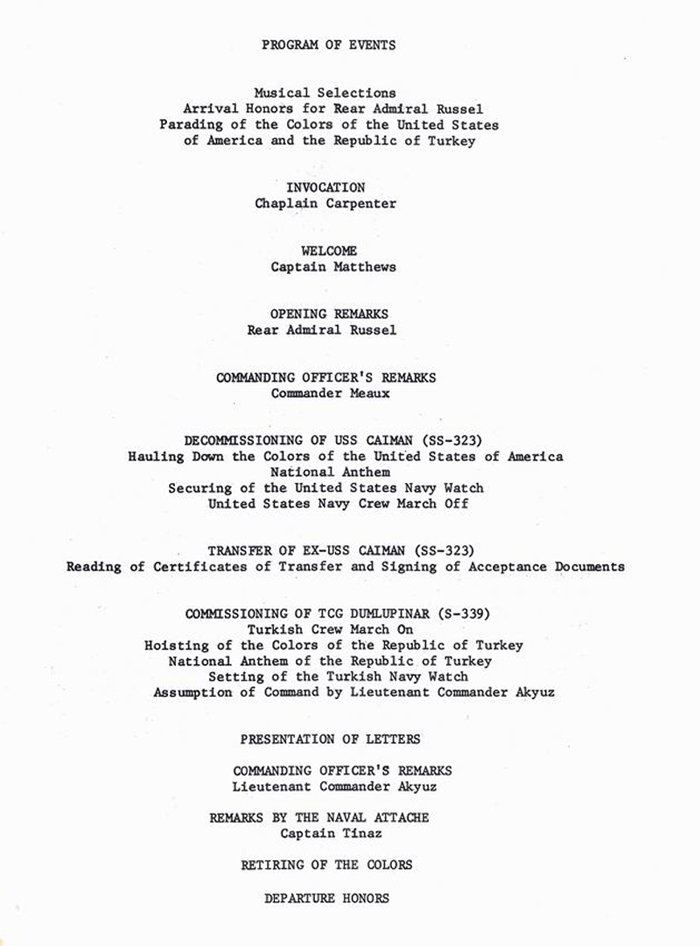 |
60k | Page 3 of the Decommissioning & Transfer Program, 30 June 1972. | Photo courtesy of Sait Kucuk, CPOS (Retired),Turkish Navy. | |
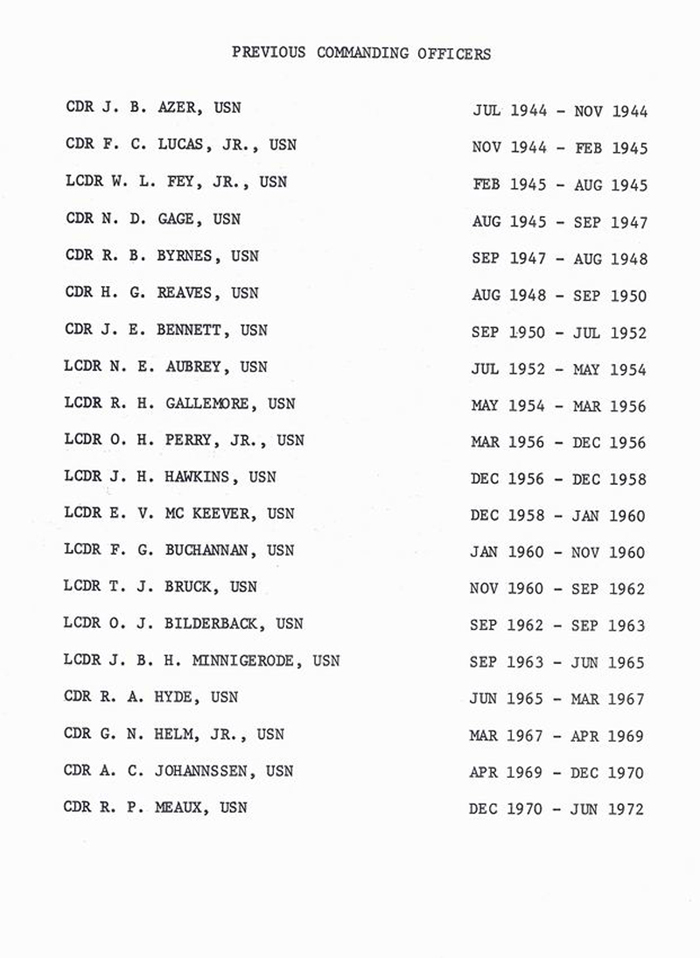 |
63k | Page 4 of the Decommissioning & Transfer Program, 30 June 1972. | Photo courtesy of Sait Kucuk, CPOS (Retired),Turkish Navy. | |
 |
116k | Page 5 of the Decommissioning & Transfer Program, 30 June 1972. | Photo courtesy of Sait Kucuk, CPOS (Retired),Turkish Navy. | |
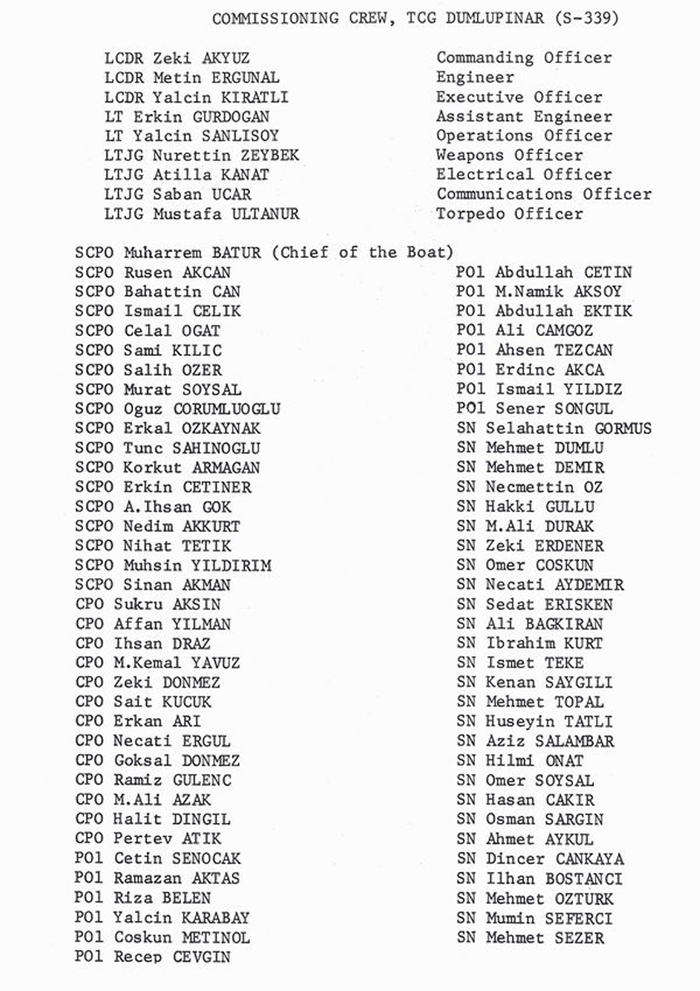 |
108k | Page 6 of the Decommissioning & Transfer Program, 30 June 1972. | Photo courtesy of Sait Kucuk, CPOS (Retired),Turkish Navy. | |
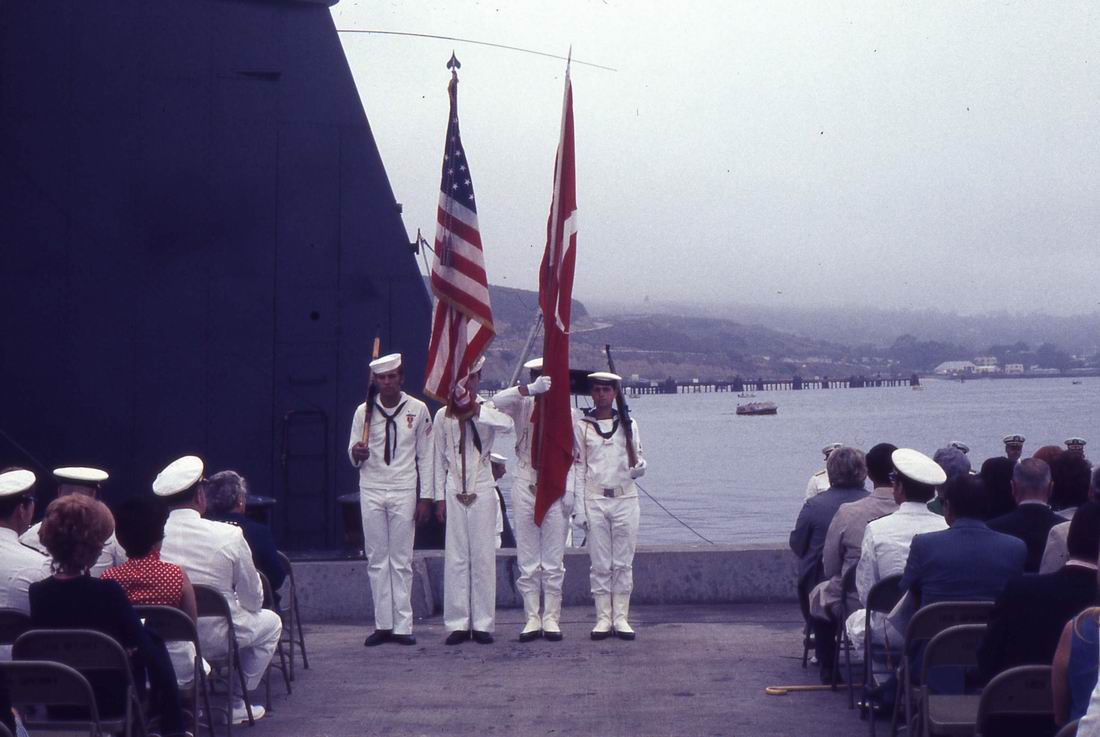 |
91k | The National Colors are presented during the Decommissioning & Transfer ceremony, 30 June 1972. | Photo courtesy of Sait Kucuk, CPOS (Retired),Turkish Navy. | |
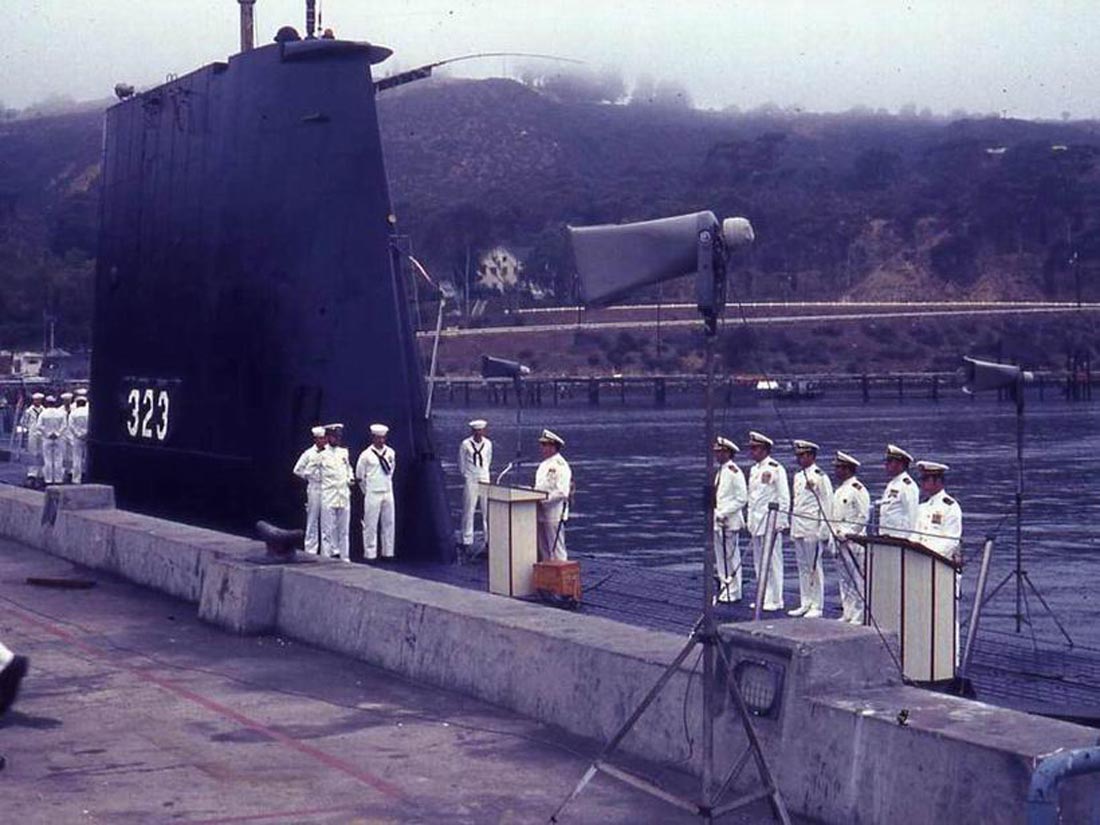 |
140k | Decommissionning ceremony at Ballast Point, San Diego 30 June 1972. | Photo courtesy of Sait Kucuk, CPOS (Retired),Turkish Navy. | |
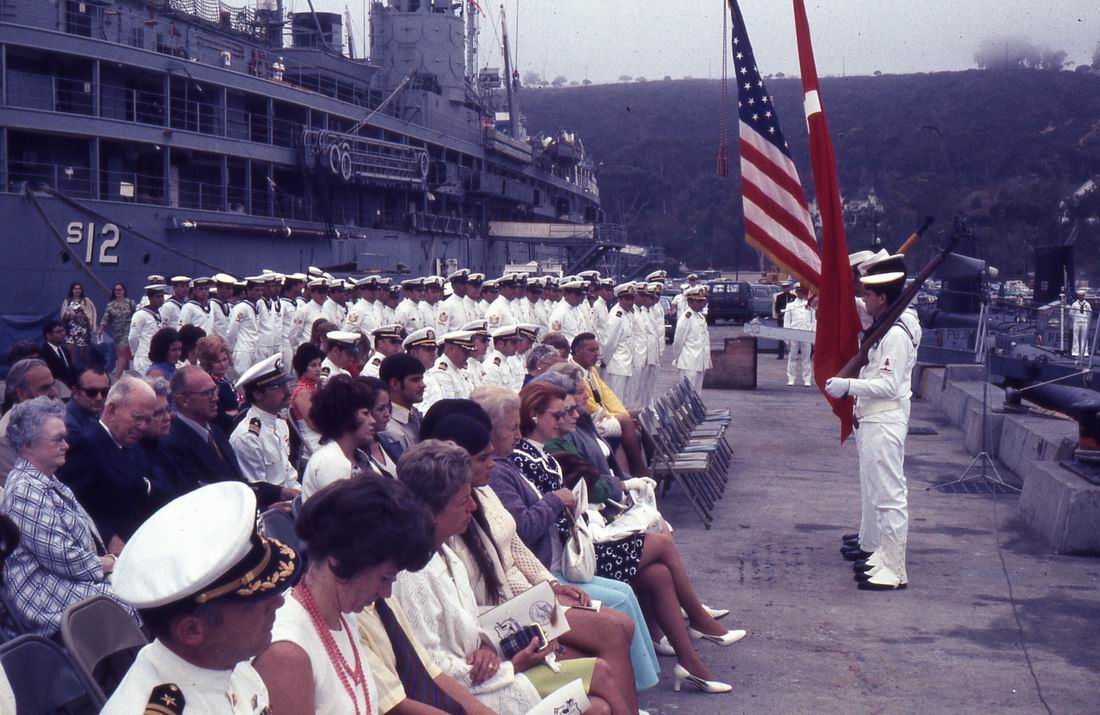 |
151k | Decommissionning ceremony at Ballast Point, San Diego 30 June 1972. The submarine tender Sperry (AS-12) is behind the audience. | Photo courtesy of Sait Kucuk, CPOS (Retired),Turkish Navy. | |
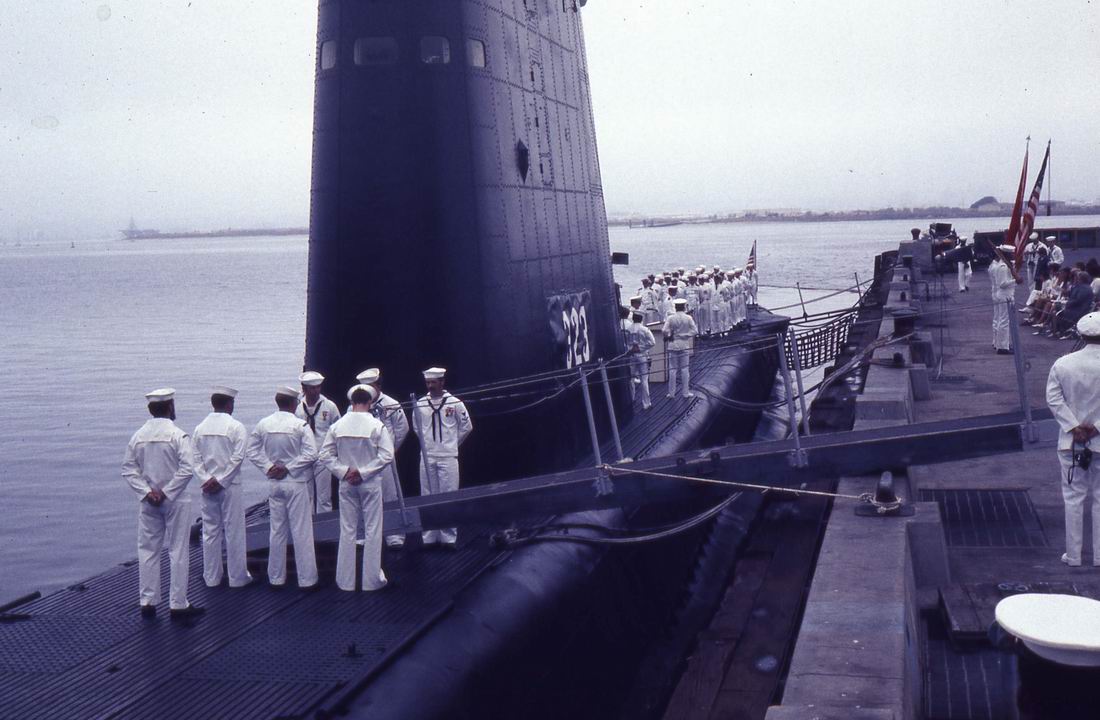 |
102k | The U.S. crew of the Caiman (SS-323) leave the boat for the last time on 30 June 1972. | Photo courtesy of Sait Kucuk, CPOS (Retired),Turkish Navy. | |
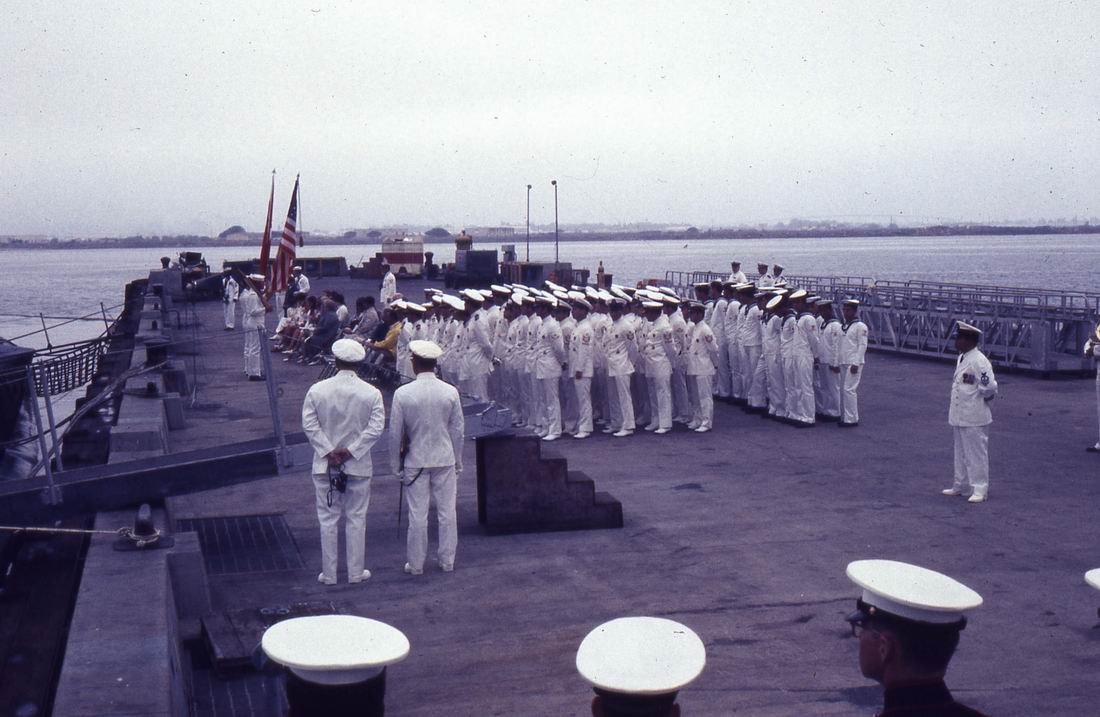 |
107k | The Turkish crew of the Dumlupinar (S-339). | Photo courtesy of Sait Kucuk, CPOS (Retired),Turkish Navy. | |
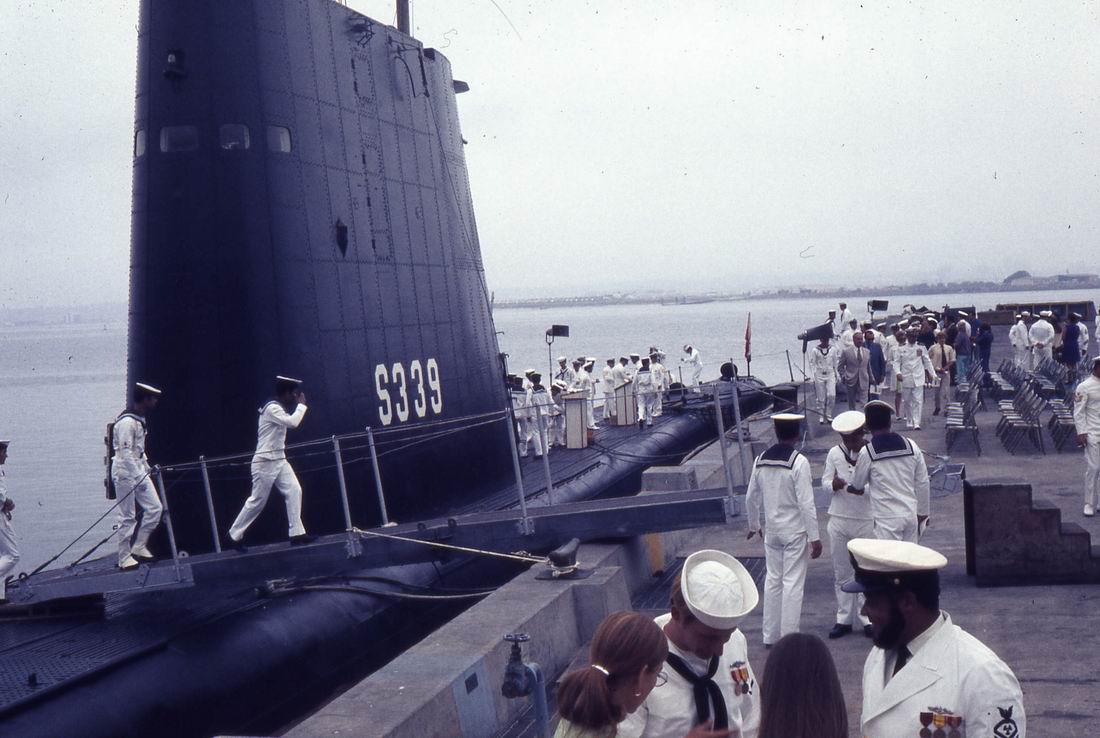 |
109k | The Turkish crew of the Dumlupinar (S-339) make ready to bring the boat alive. | Photo courtesy of Sait Kucuk, CPOS (Retired),Turkish Navy. | |
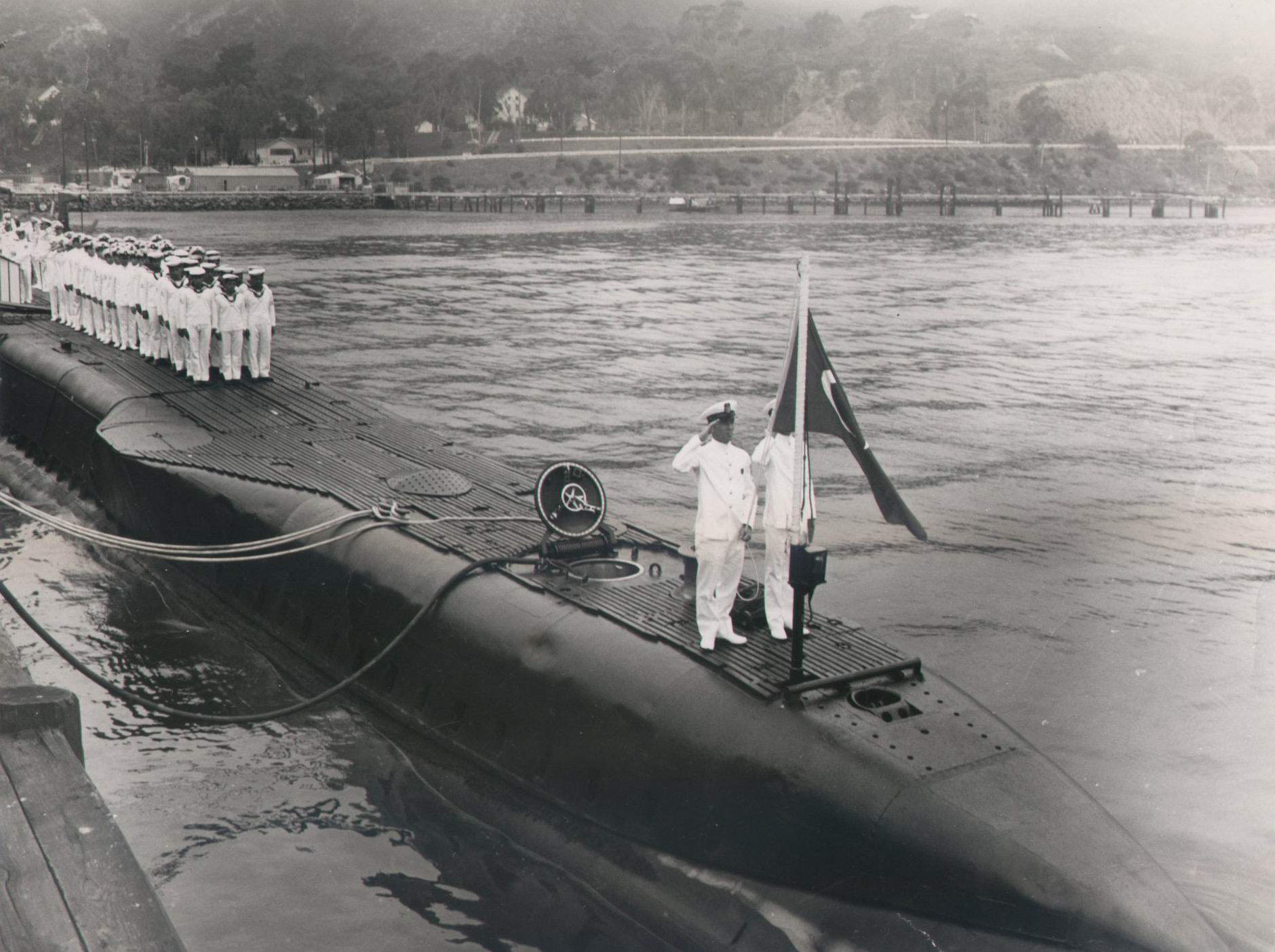 |
348k | The Turkish national flag is raised aboard the Dumlupinar (S-339) at Ballast Point, San Diego 30 June 1972. | Photo courtesy of Sait Kucuk, CPOS (Retired),Turkish Navy. | |
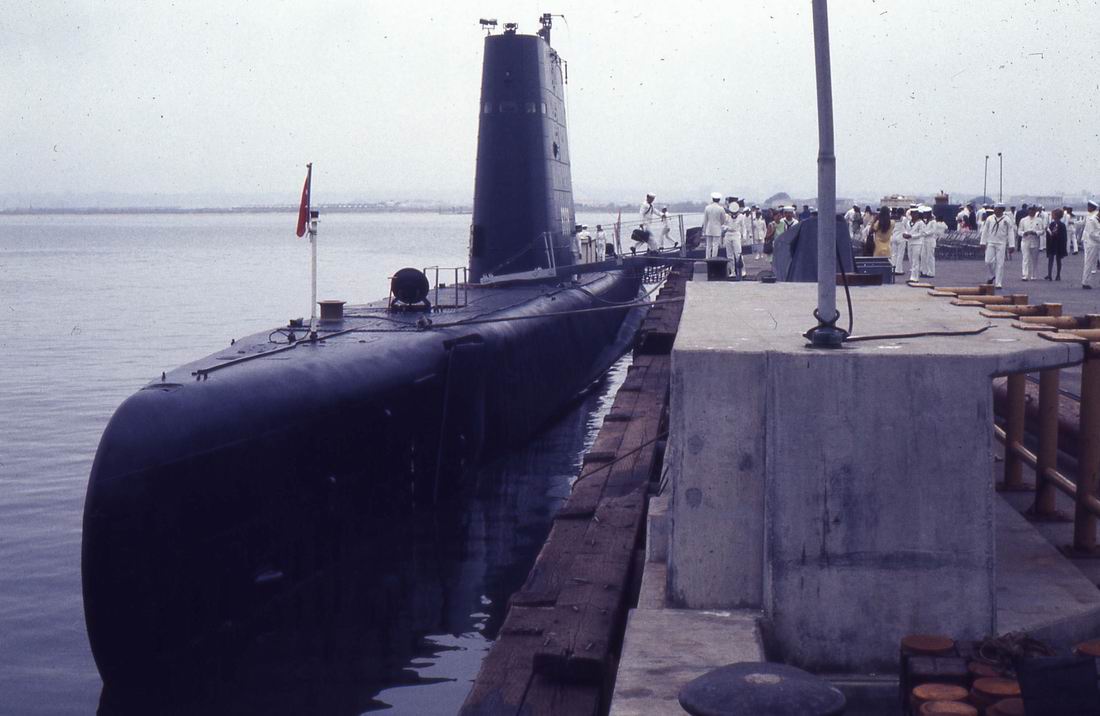 |
87k | Bow view of the newest addition to the Turkish Navy. | Photo courtesy of Sait Kucuk, CPOS (Retired),Turkish Navy. | |
 |
125k | Double Commissioning Ceremony with the Dumlupinar (S-339) & Inonu (S-346), 24 August 1972. | Photo courtesy of Sait Kucuk, CPOS (Retired),Turkish Navy. | |
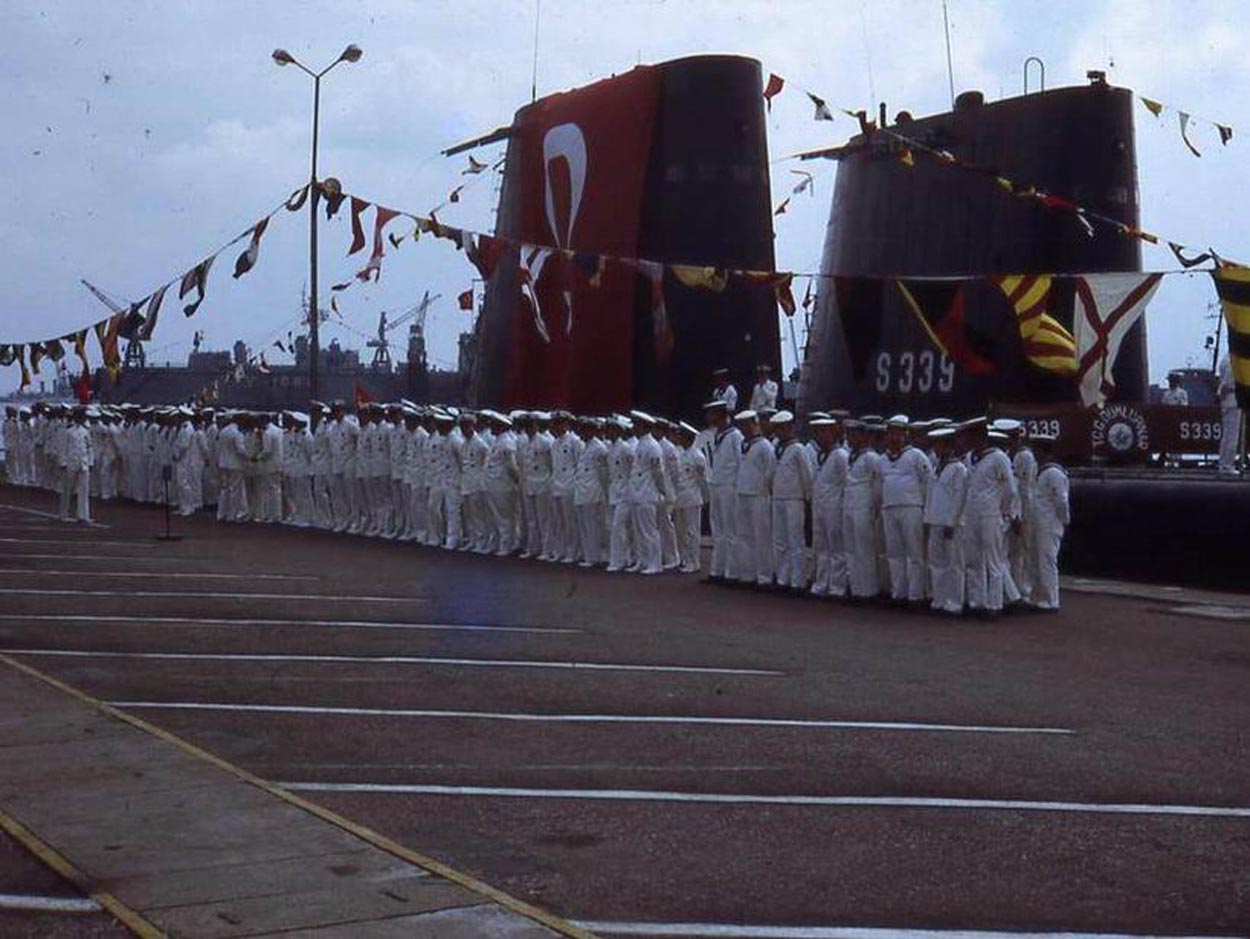 |
156k | Double Commissioning Ceremony with the Dumlupinar (S-339) & Inonu (S-346), 24 August 1972. | Photo courtesy of Sait Kucuk, CPOS (Retired),Turkish Navy. | |
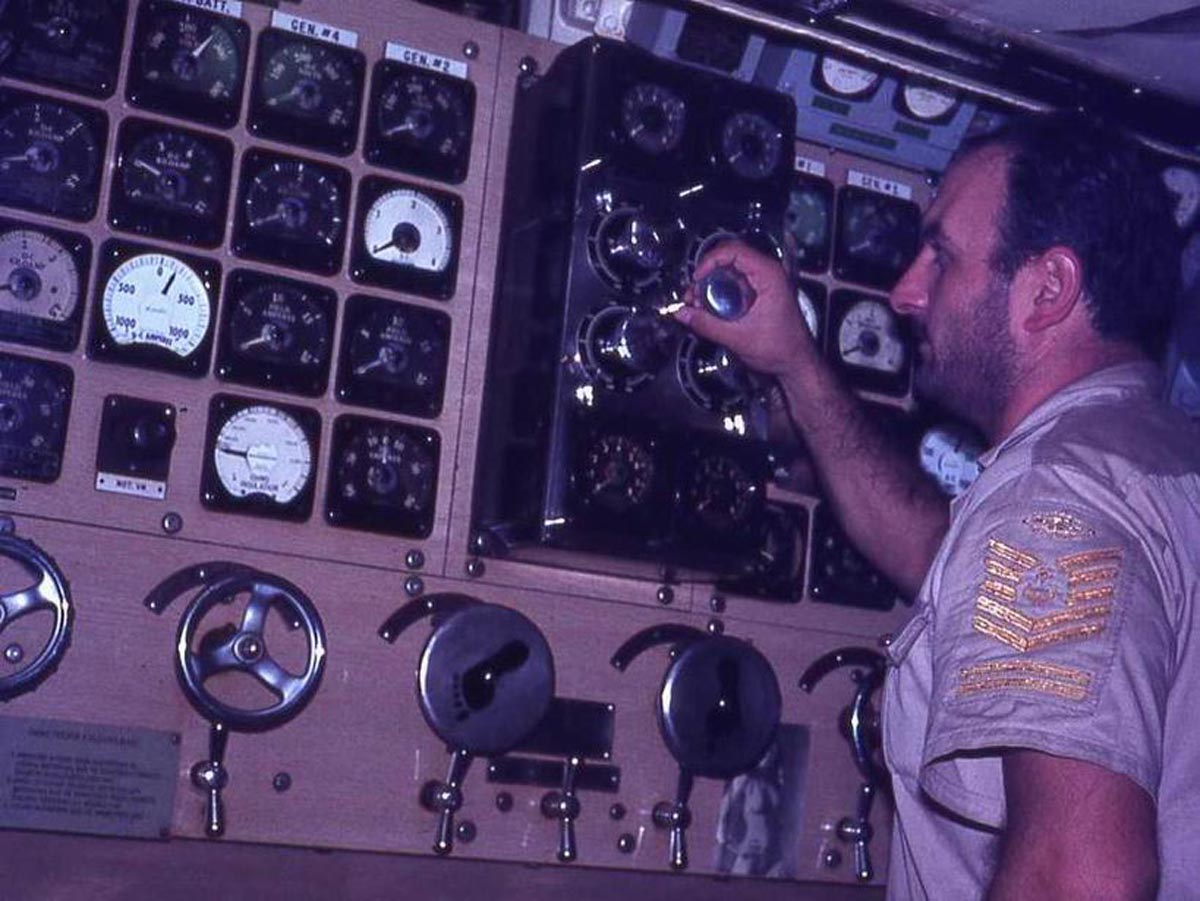 |
164k | Sait Kucuk charging the Battery in the Maneuvering Room. | Photo courtesy of Sait Kucuk, CPOS (Retired),Turkish Navy. | |
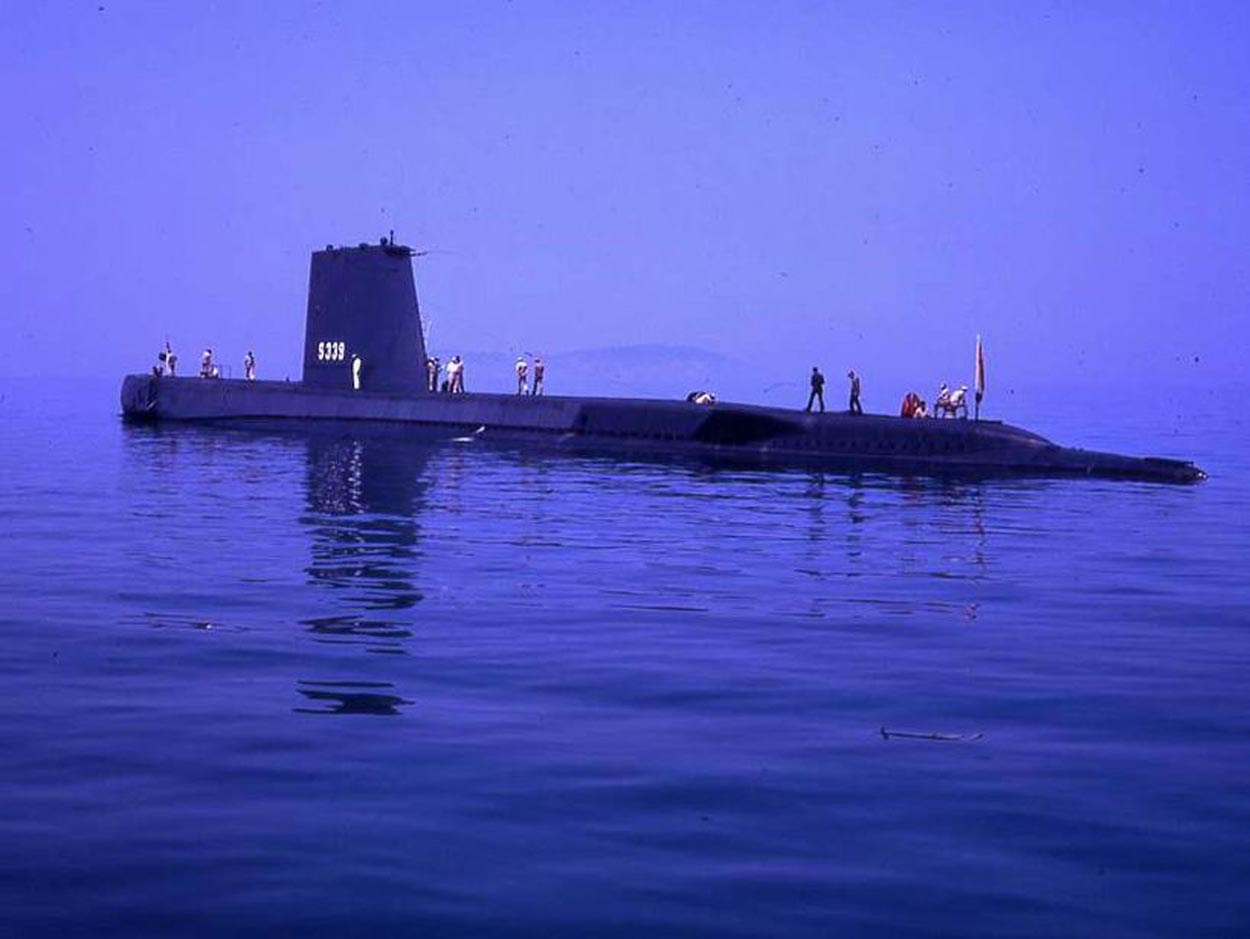 |
93k | Port quarter view underway at Maltepe, Istanbul 1973. | Photo courtesy of Sait Kucuk, CPOS (Retired),Turkish Navy. | |
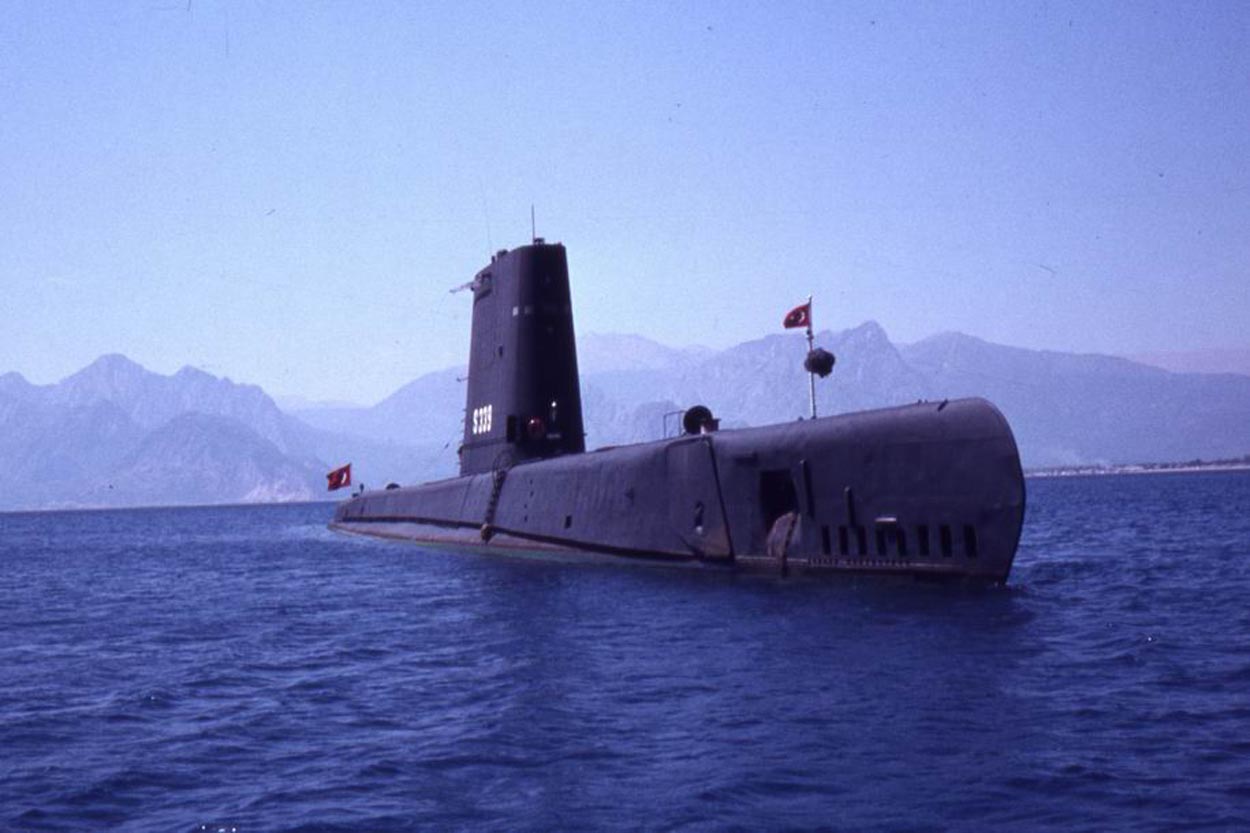 |
111k | After NATO Exercises, anchored in front of the Antalya, Turkey 1975. | Photo courtesy of Sait Kucuk, CPOS (Retired),Turkish Navy. | |
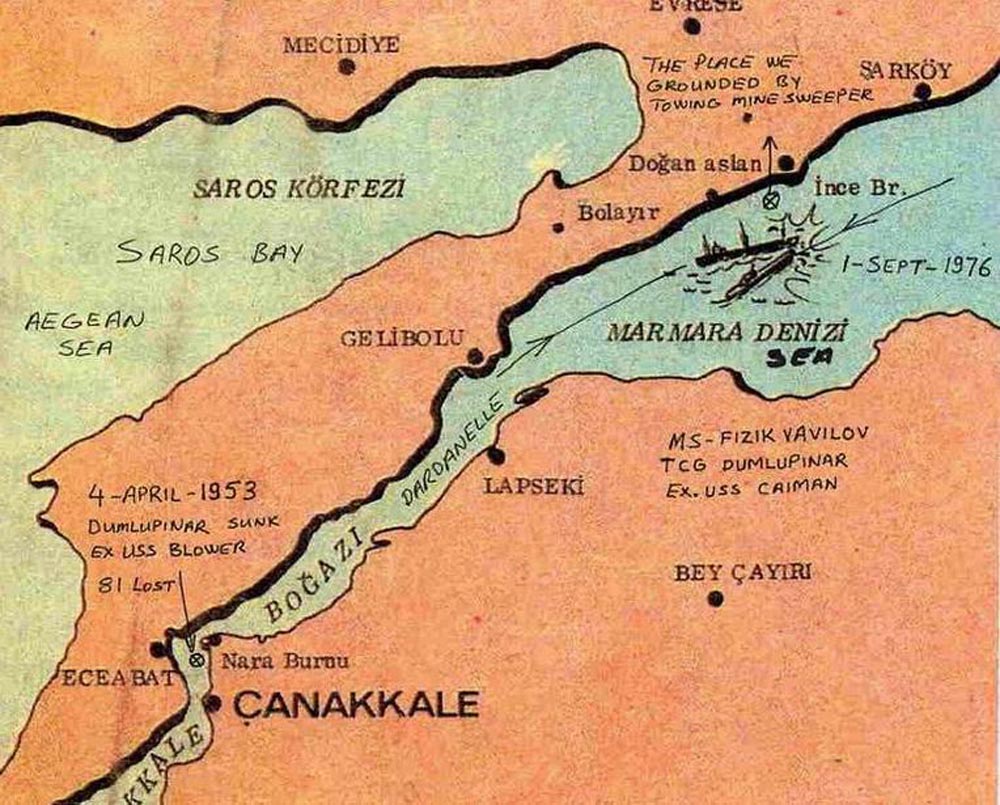 |
194k | Map showing the location of the Dumlupinar (S-339) following a collision with the Soviet freighter Szik Vovilov, 1 September 1976. | Photo courtesy of Sait Kucuk, CPOS (Retired),Turkish Navy. | |
 |
103k | Front page of Turkish newspaper with photos of the Dumlupinar (S-339) following a collision with the Soviet freighter Szik Vovilov, 1 September 1976. | Photo courtesy of Sait Kucuk, CPOS (Retired),Turkish Navy. | |
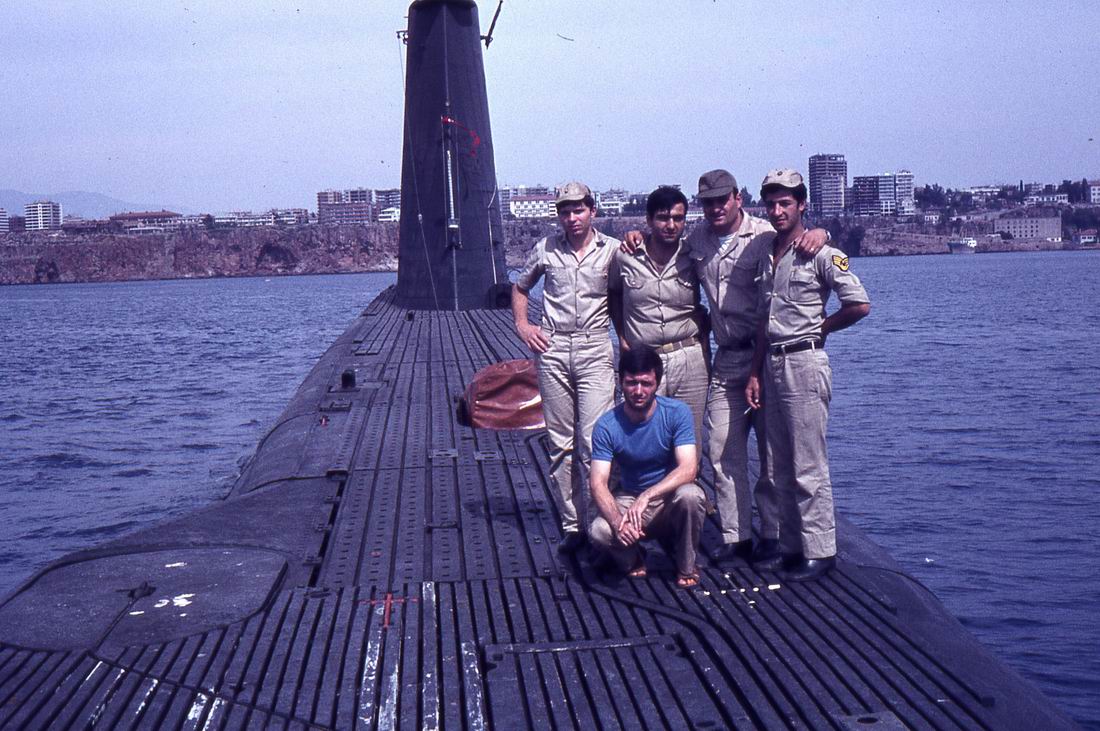 |
158k | After the 1953 sinking of the first Dumlupinar (D-6), the Rescue buoy appears on the after deck of all Turkish submarines. Early 1970's photo of the Dumlupinar (S-339) with Sait Kucuk the 3rd to the right on deck. |
Photo courtesy of Sait Kucuk, CPOS (Retired),Turkish Navy. | |
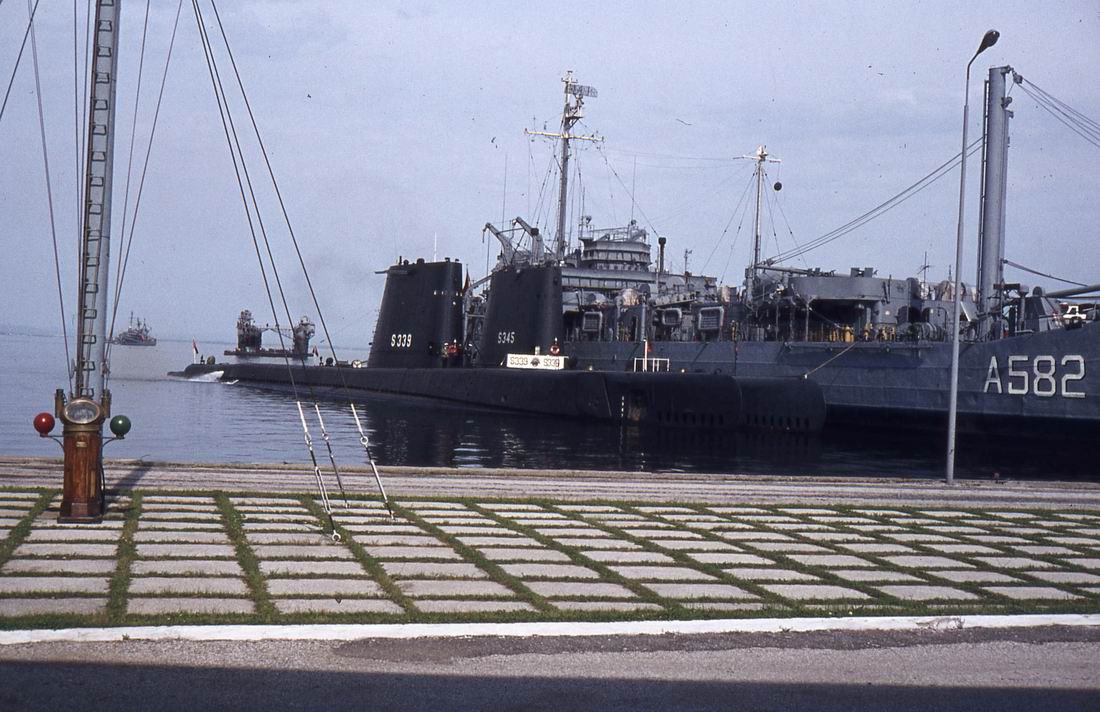 |
140k | Dumlupinar (S-339), Preveze (S-345), Basaran-ex Patroclus (LST-672). In the rear of the photo past the unknown Floating Dry Dock is the ex-Greenlet (ASR-10) in Turkish naval service as TCG Akin (A-585), September 1981. | Photo courtesy of Sait Kucuk, CPOS (Retired),Turkish Navy. | |
| Back To The Main Photo Index | Back To the Submarine Index |
|
This page is created by Gary Priolo, and maintained by Michael Mohl All Pages © 1996 - 2022, NavSource History All rights reserved. |