Click On Image
For Full Size Image |
Size |
Image Description |
Source |
 |
135k |
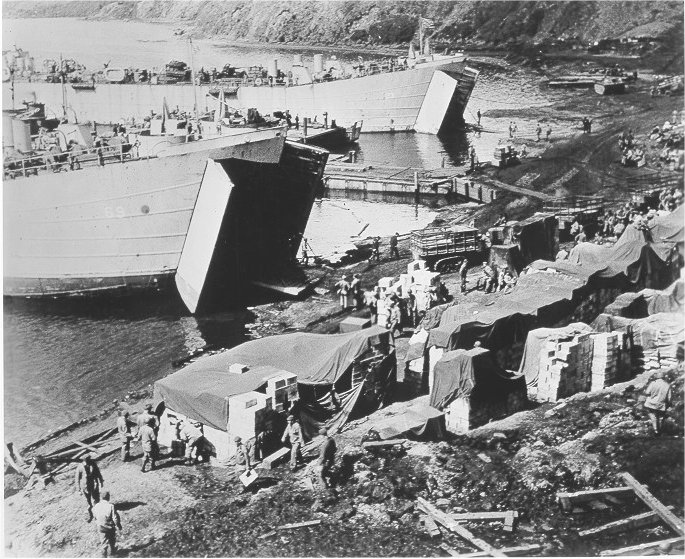
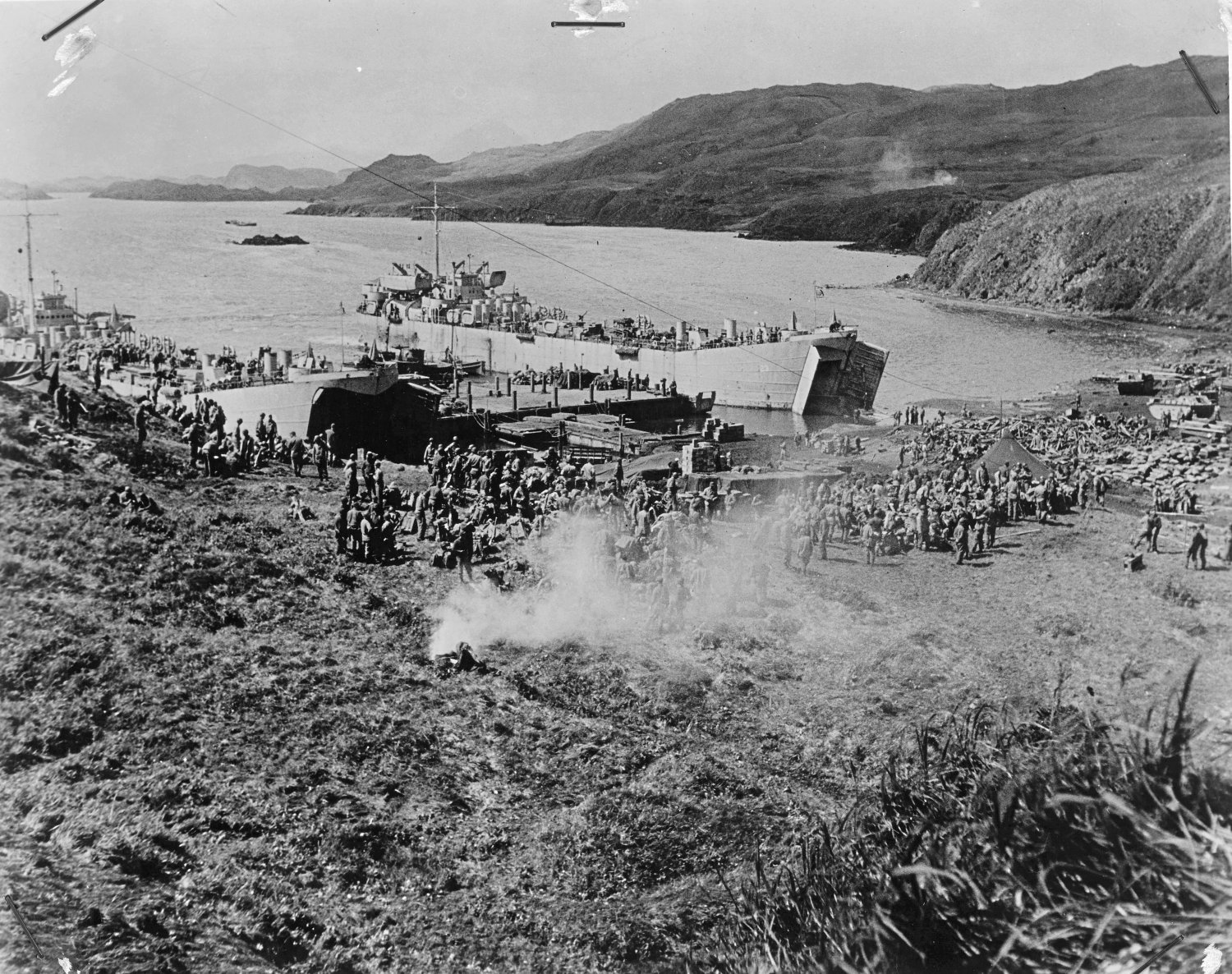
USS LST-69 and USS LST-23 beached at Kiska Island, Aleutian Islands, Territory of Alaska,
during Operation Cottage August 1943.
101606904 - US Coast Guard Identifier # 924435
101502331 - US Nation Archives Identifier # 205585342, Local ID 26-G-09-24-43(4), US Coast Guard Identifier 0924434. |
1016006902-Mike Green
1016002331-David Upton |
1016002331 |
511k |
1016006907 |
358k |
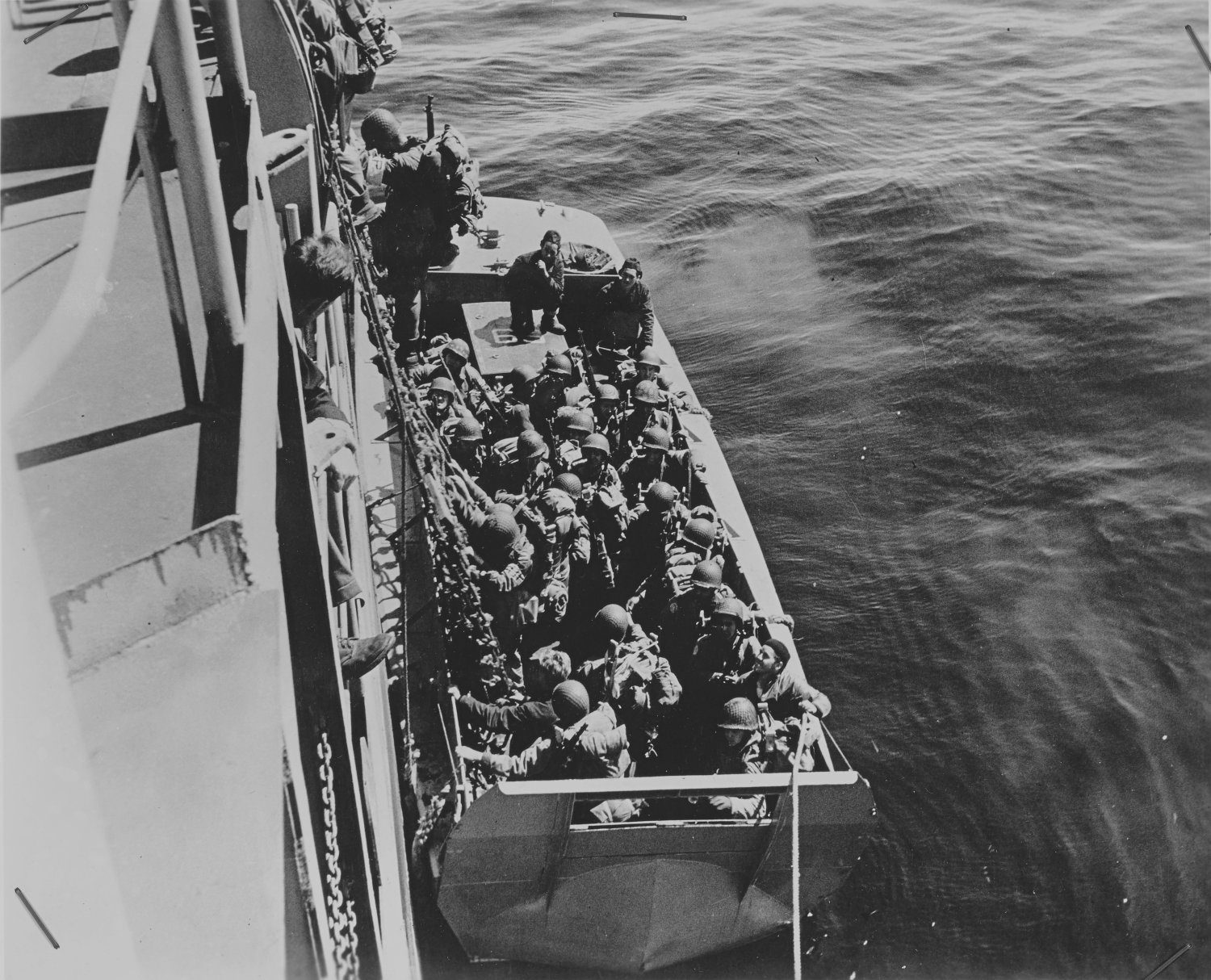
USS LST-69 disembarking medical crews and follow-up forces at Kiska Island, Aleutian Islands during Operation Cottage in August 1943
US National Archives Identifier 205585330, Local Identifier 26-G-09-23-43(2), Coast Guard photo # 92343-2 |
David Upton |
 |
64k |
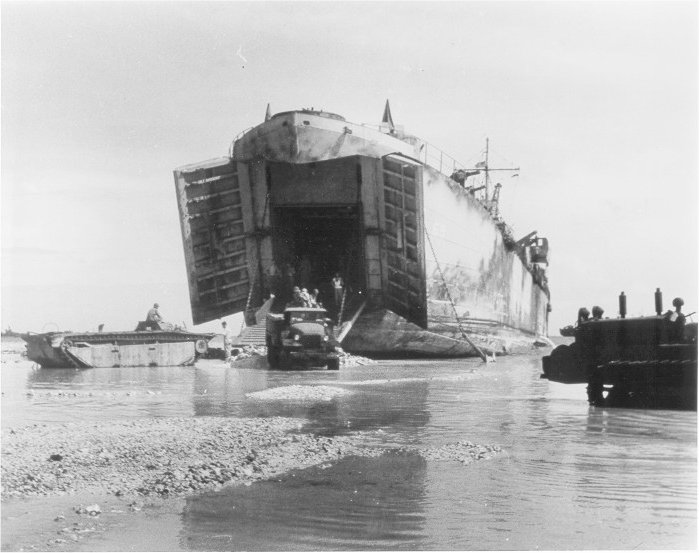
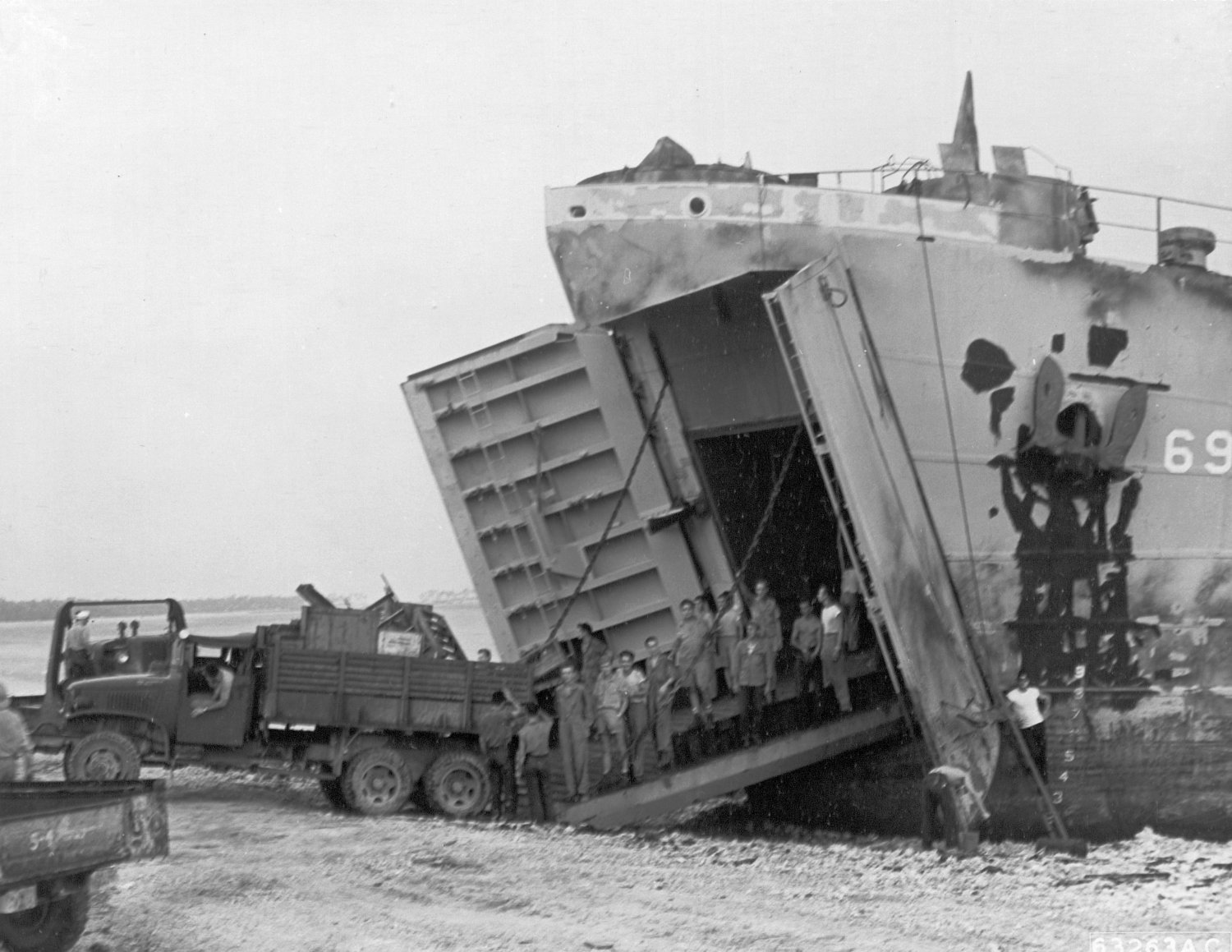
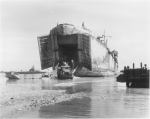
USS LST-69 beached while unloading equipment, date and location unknown.
US Coast Guard photo # 3237 from the collections of the US Coast Guard Historian's Office. |
Mike Green |
 |
66k |
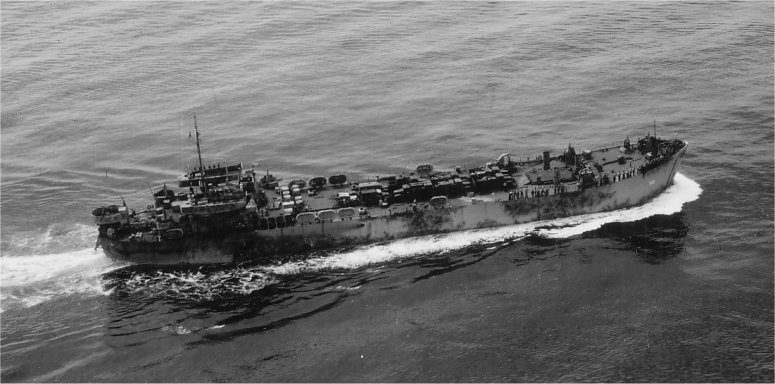
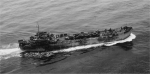
USS LST-69 underway, 4 October 1943, location unknown.
US National Archives photo # 80-G-26706 A US Navy photo now in the collections of the US National Archives. |
Daniel Dunham |
1016006904 |
238k |
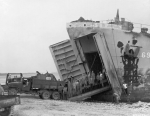
USS LST-69 being loaded with 7th USAAF trucks at Funafuti Atoll, Ellice Islands to be transferred to Tarawa in the Gilbert
Islands, 24 December 1943.
US National Archives ID 193850962 |
David Upton |
1016006905 |
274k |
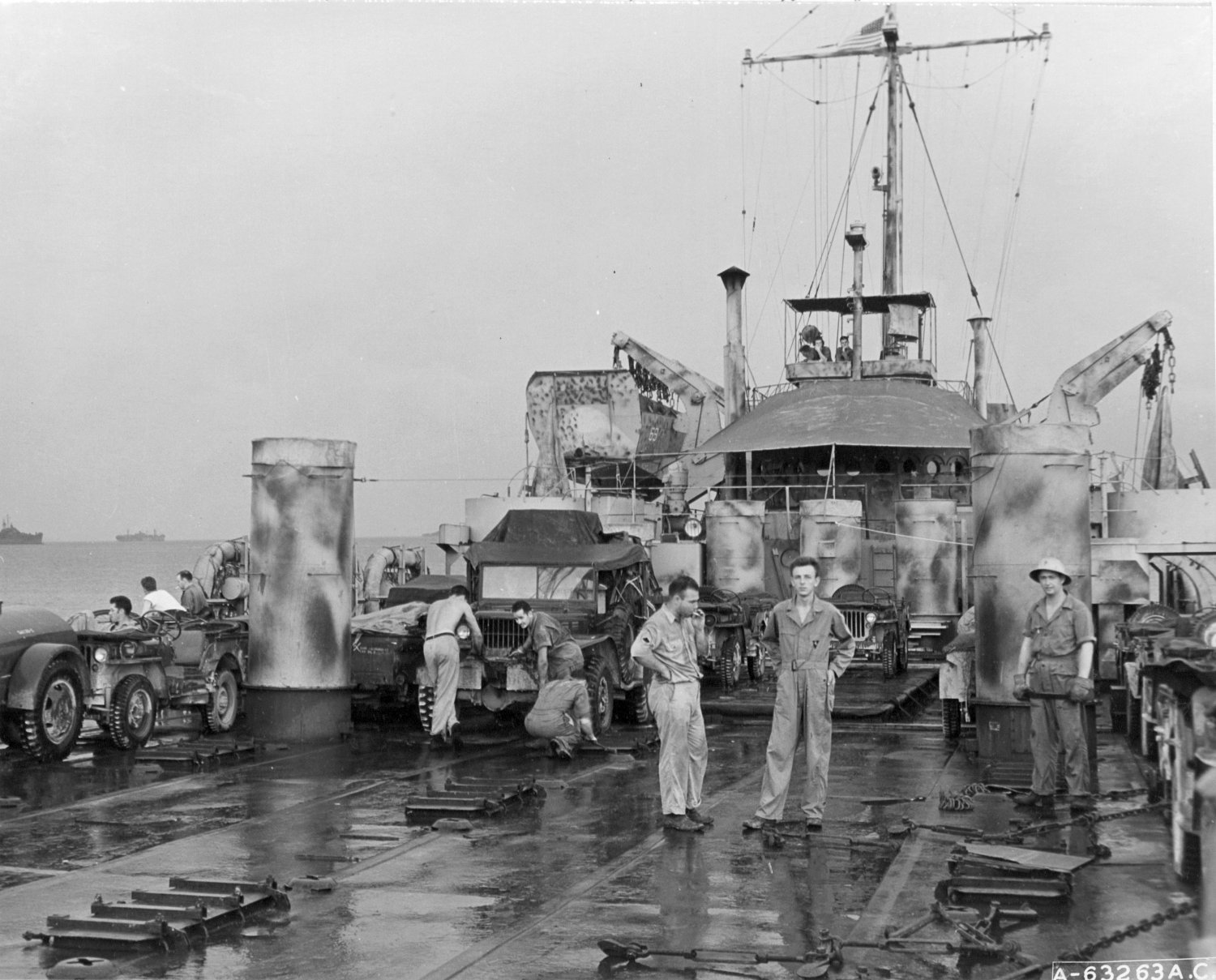
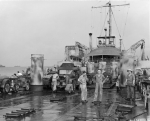
Army and Navy personnel fasten equipment securely in place on the main deck of USS LST-69 in preparation for the voyage from Funafuti
Atoll, Ellice Islands to Tarawa in the Gilbert Islands, 24 December 1943.
US National Archives ID 193850965 |
David Upton |
1016006906 |
205k |
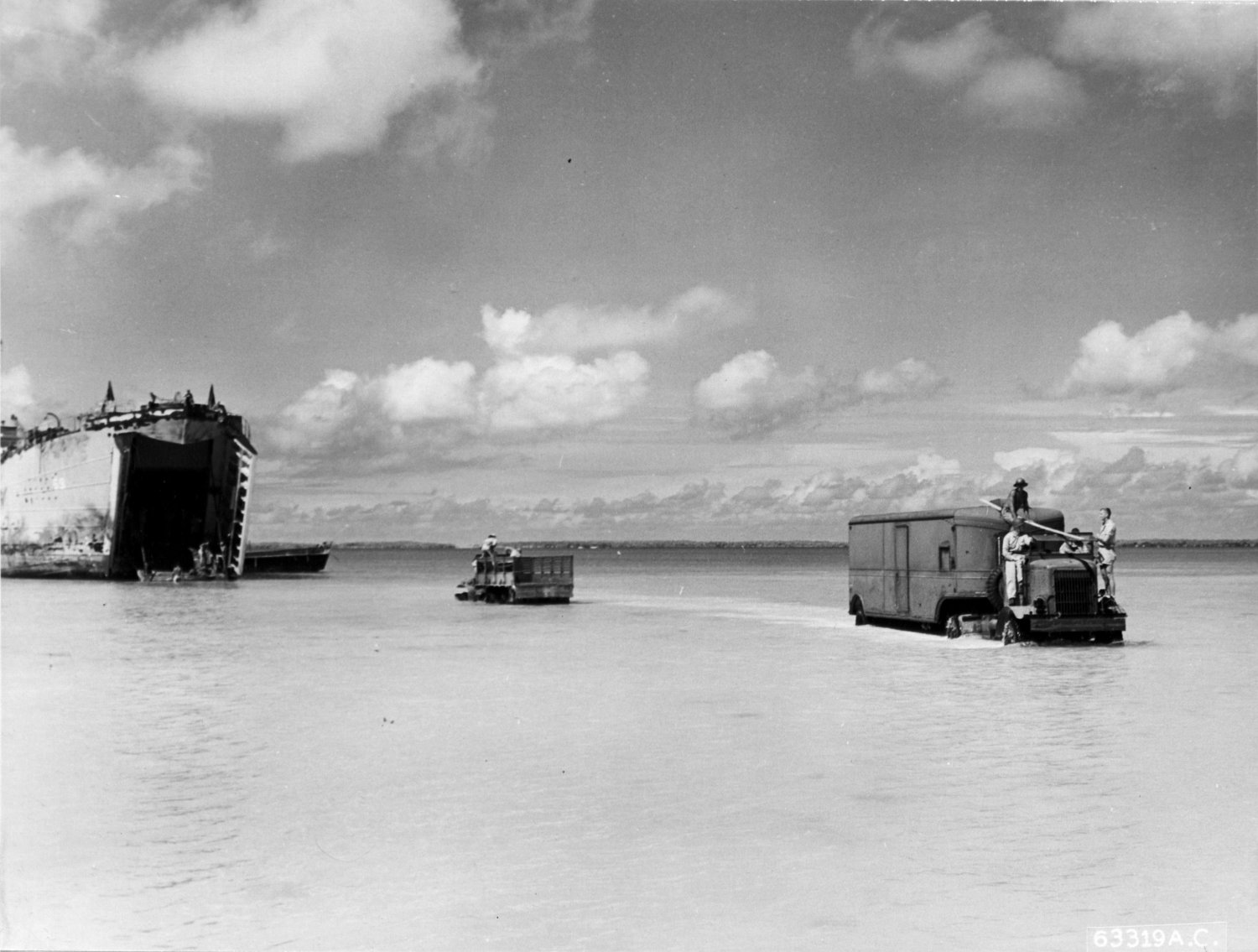
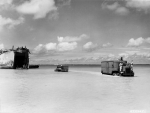
Because of low tide it was necessary to unload USS LST-69 quite some distance from the shore. Here, a photo trailer is pulled
though the shallow water to the beachhead at Tarawa in the Gilbert Islands, 31 December 1943.
US National Archives Identifier 193851523, US Army Air Corps photo # 63319A.C. |
David Upton |
1016006910 |
373k |
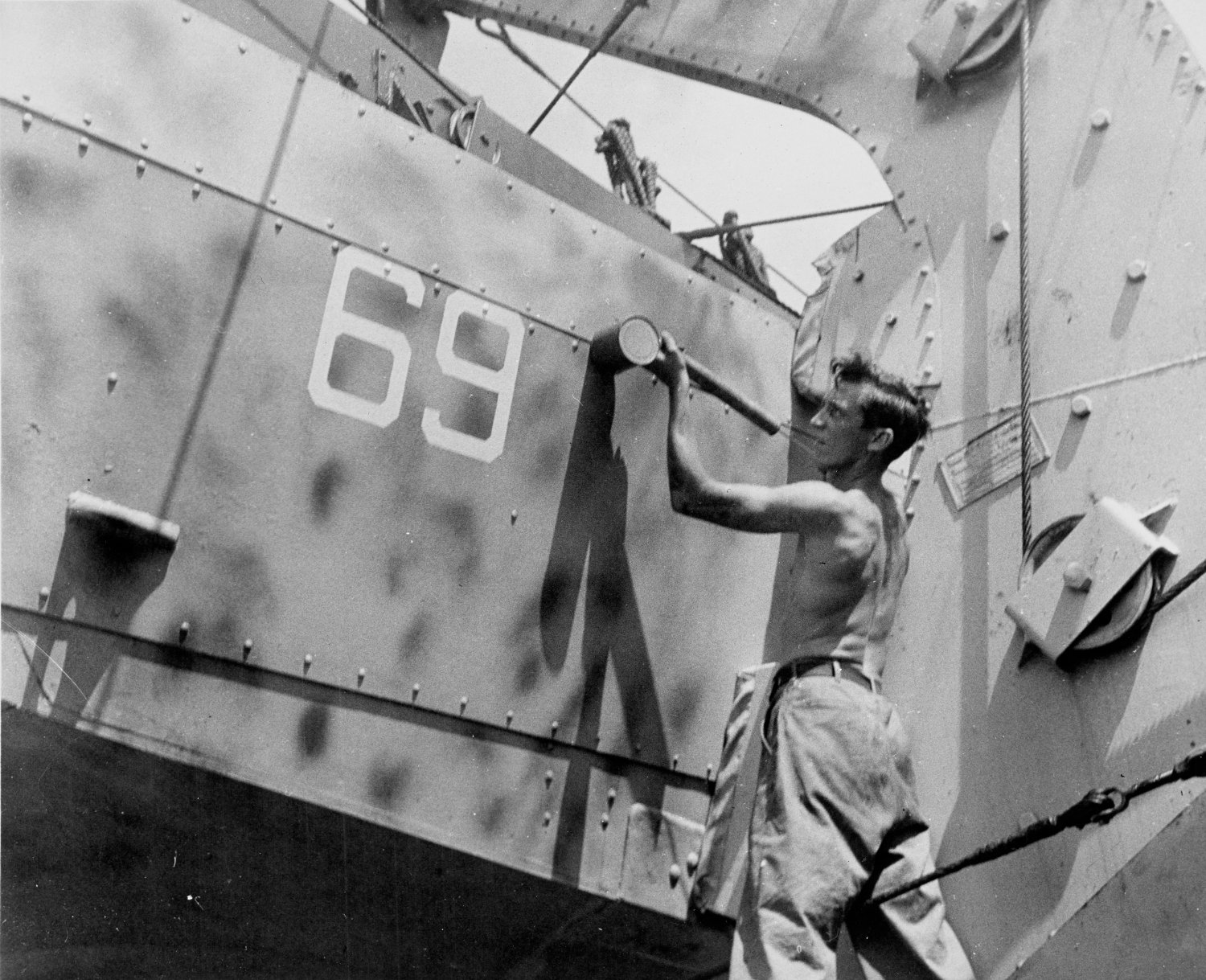
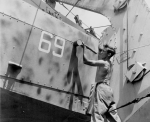
A USS LST-69 crew member applies the final touches to the ships' camouflage paint with a flit gun while the LST is
preparing for the assault upon Tarawa, the Japanese stronghold in the Gilbert Islands, in November 1943.
A US Coast Guard Photo now in the collections of the US National Archives |
David Upton |