NavSource Online: Amphibious Photo Archive
USS LST-314


International Radio Call Sign:
November - Yankee - Charlie - Bravo
NYCB
Awards, Citations and Campaign Ribbons
Precedence of awards is from top to bottom, left to right
Top Row - Combat Action Ribbon (retroactive, 9 June 1944)
Bottom Row - American Campaign Medal - Europe-Africa-Middle East Campaign Medal (3) - World War II Victory Medal
Individual Awards
LST-1 Class Tank Landing Ship:
Europe-Africa-Middle East Campaigns Campaign and Dates |
Campaign and Dates |
Sicilian occupation, 9 to 15 July 1943
| Invasion of Normandy, 6 to 9 June 1944
| Salerno landings, 9 to 21 September 1943
| |
|
Specifications:
| Click On Image For Full Size Image |
Size | Image Description | Source | |
|---|---|---|---|---|
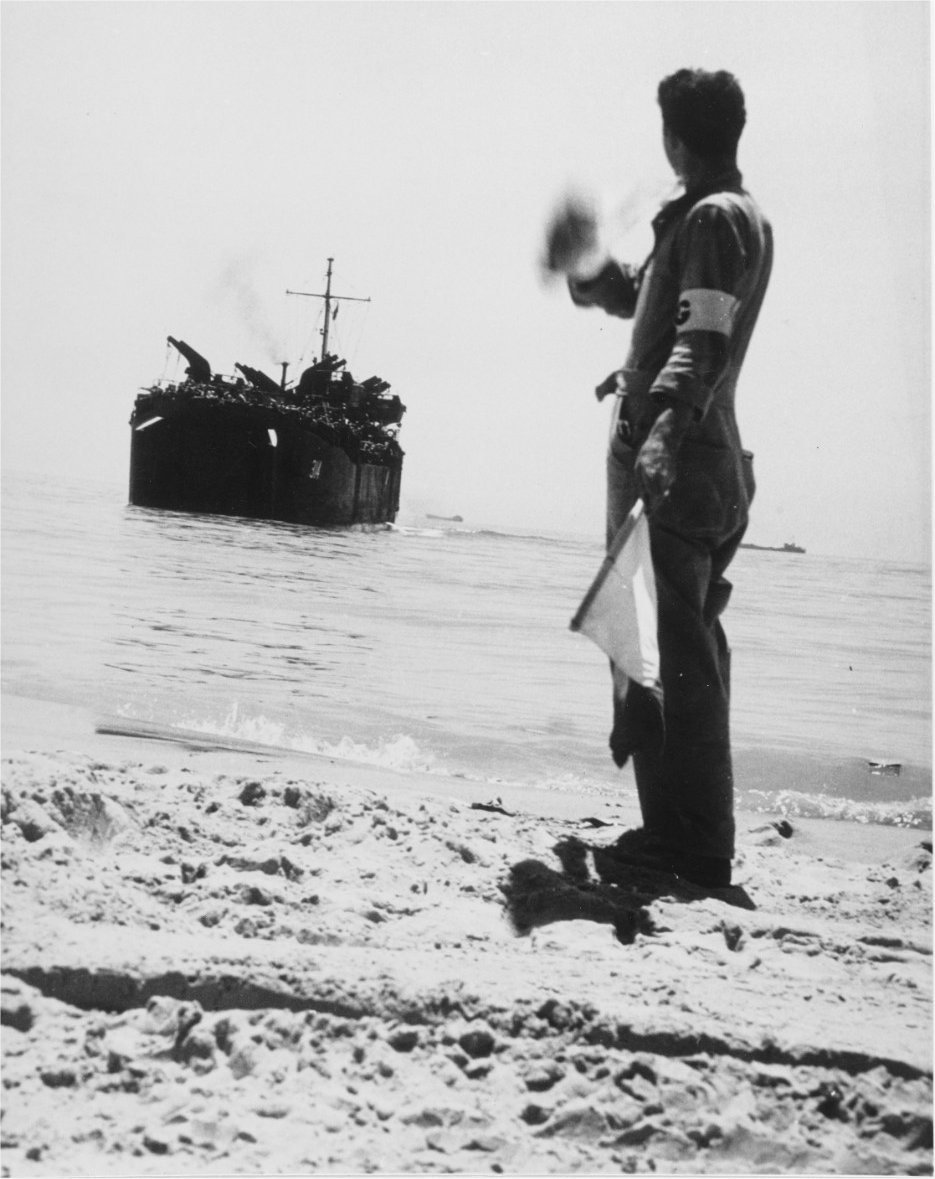 |
144k | Beach group signalman directs USS LST-314 to her landing place on a beach during the Sicily Operation in July-August 1943.
US National Archives photo # 80-G-54629, a US Navy photo now in the collections of the US National Archives. |
US Naval History and Heritage Command | |
1016019709 |
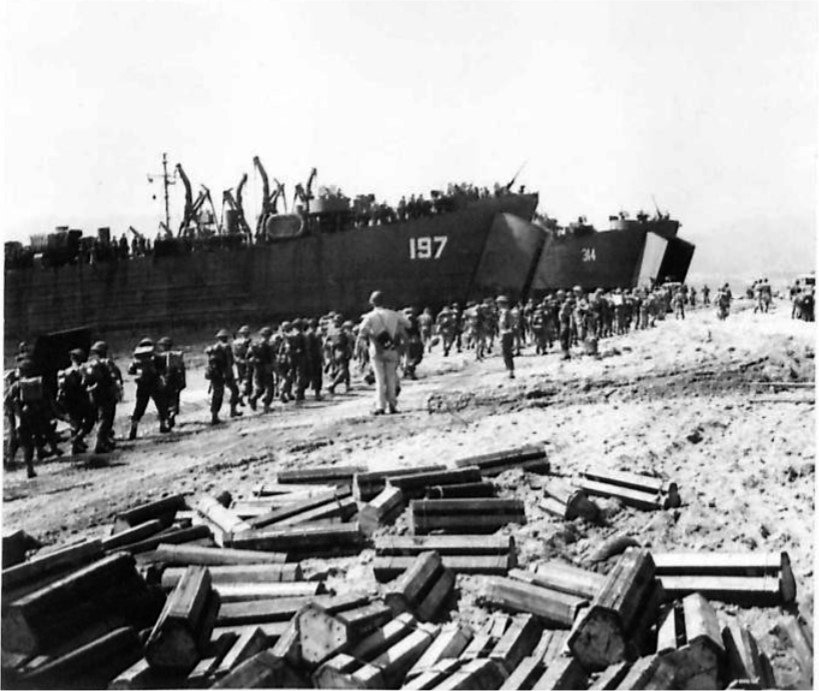
106k | USS LST-197 and USS LST-314 beached in Salerno Bay, Italy, while disembarking members of the British 5th Infantry Division, 8 September 1943.
Imperial War Museum Photo NA6668 by Sgt. Bowman |
Martin Hilgers | |
1016031307 |
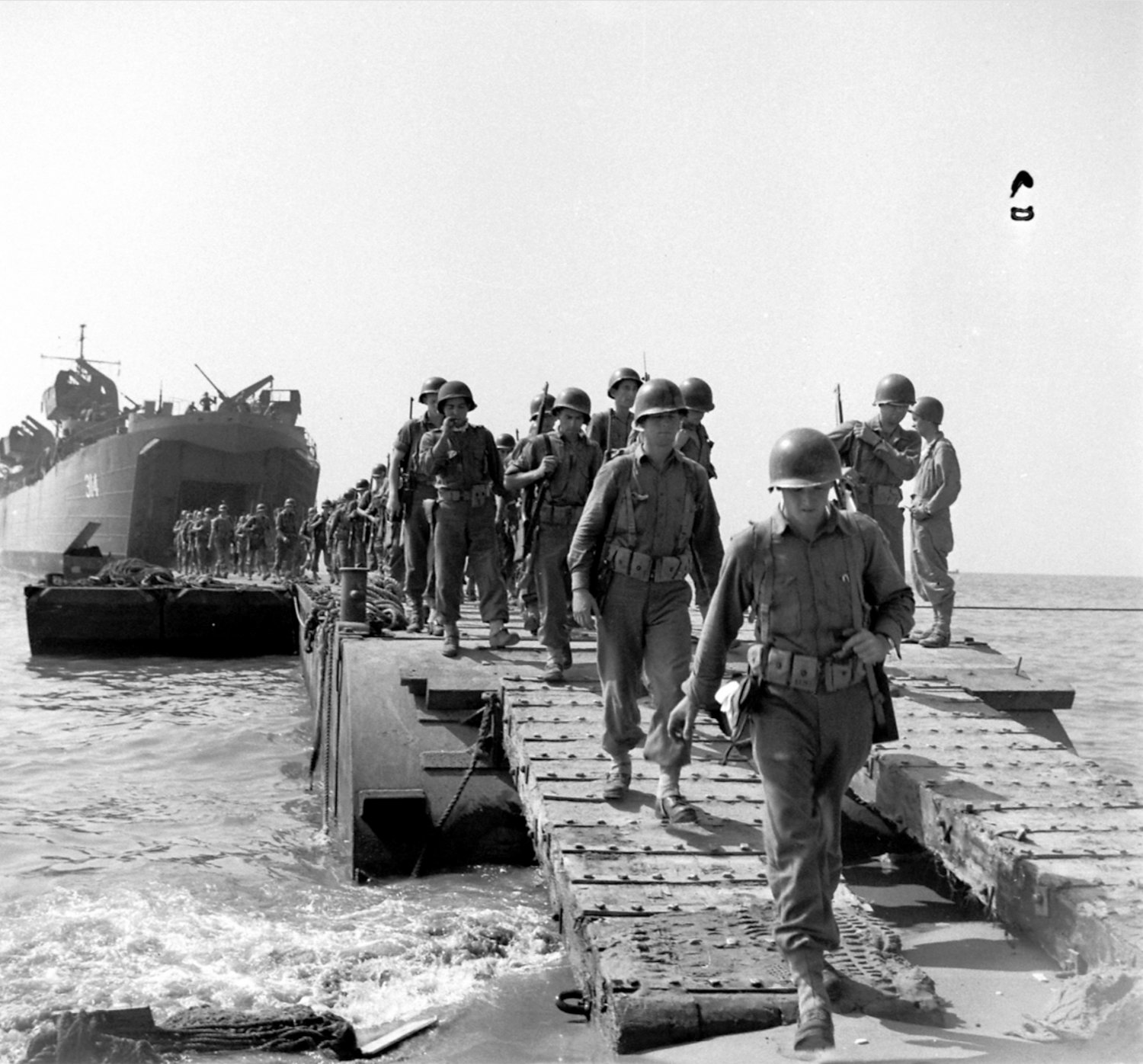
306k | USS LST-314 beached in Salerno Bay, 9-10 September 1943, while troops come ashore. |
David Upton | |
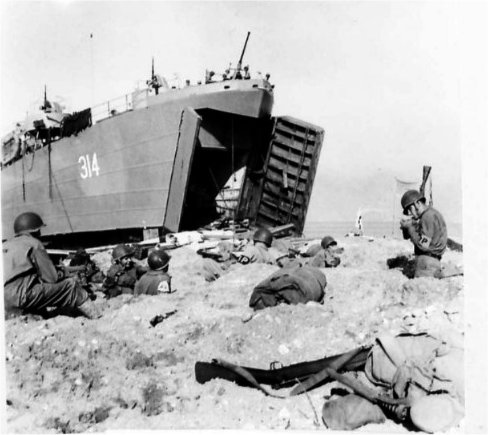
1016031405 NA6628 |
42k | USS LST-314 beached in Salerno Bay, Italy, while disembarking members of the British 5th Infantry Division, 8 September 1943.
Imperial War Museum Photo NA6628 by Sgt. Wackett Imperial War Museum Photo NA6691 by Lt. Gade |
Martin Hilgers | |
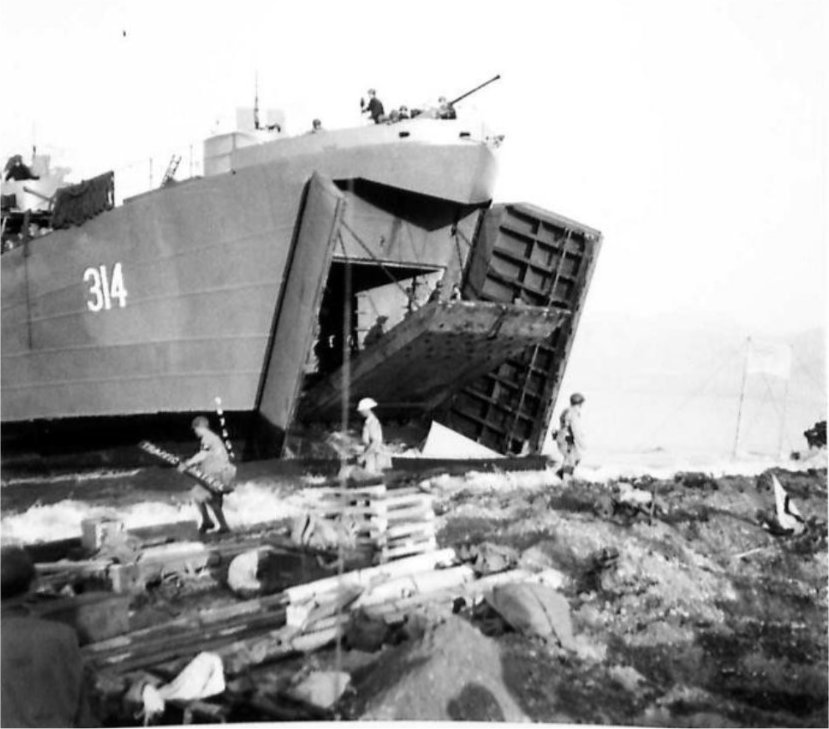
1016031406 NA6691 |
79k | |||
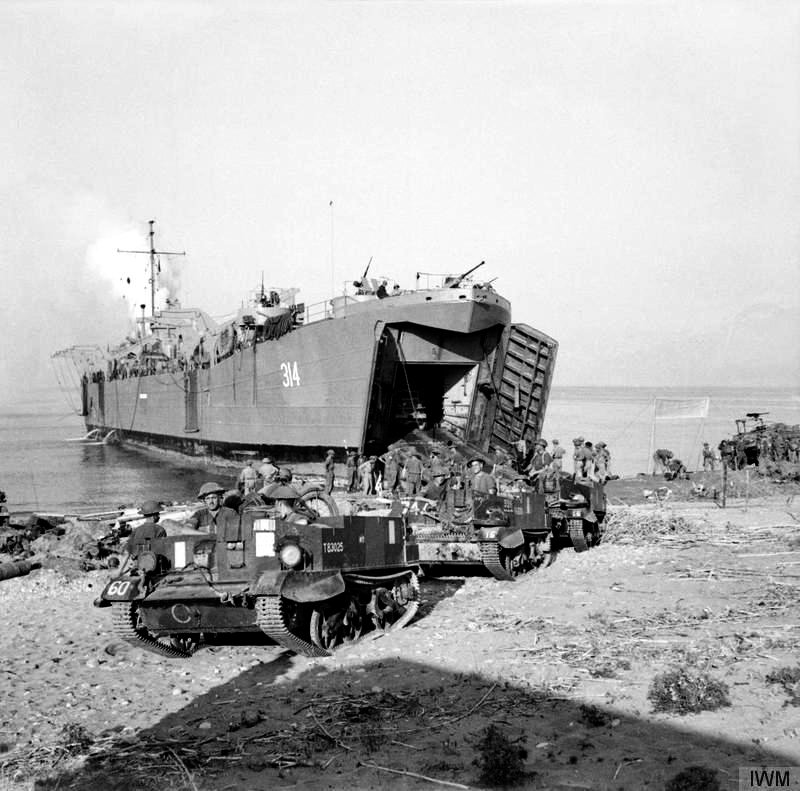 |
110k | USS LST-314 unloading British Universal Carriers at Salerno, Italy, 8 September 1943. Imperial War Museum War Office Second World War Official Collection, by Loughlin (Sgt), Photo No. © IWM (NA 6622). |
Robert Hurst and Mike Green |
|
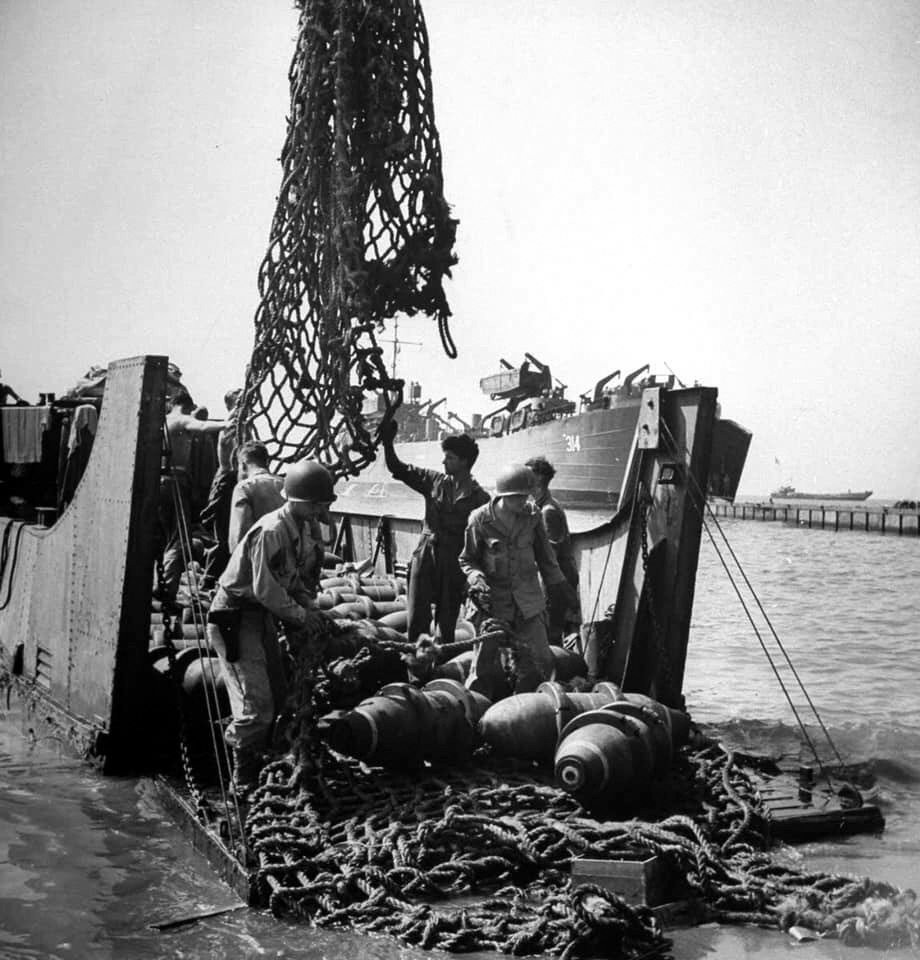 |
135k | In the background, USS LST-314 just offshore and moored to unload supplies and equipment at the Salerno, Italy Beachhead
Landings, 9-10 September,1943. This landing is part of Operation Avalanche, the invasion of Italy.
Life Magazine Archives - George Rodger Photographer, shared by Peter DeForest |
Mike Green | |
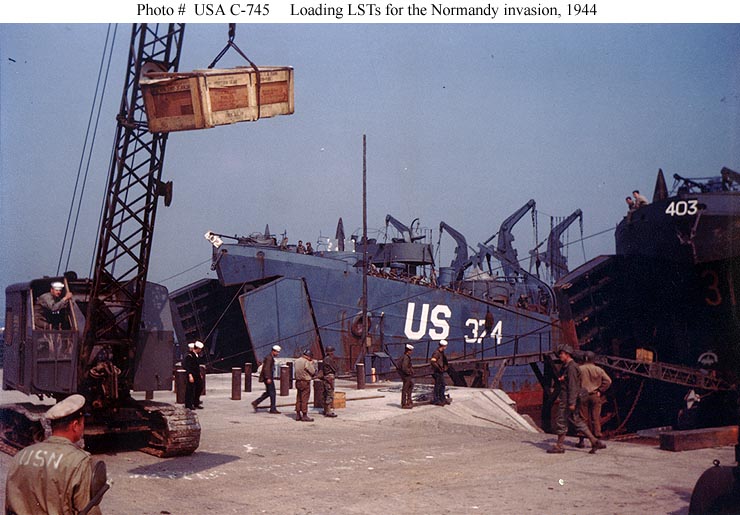 |
88k | USS LST-314 and USS LST-374 loading supplies at Castletown, Portland, English in preparation for the Invasion of Normandy, early June 1944. LST-314 was sunk by German motor torpedo boats, 9 June 1944. The numbers at the peaks of the LST bows are apparently berth numbers.
US Army Signal Corps. photo # C-745 (Color) from the Army Signal Corps Collection in the U.S. National Archives. |
Bill Gonyo | |
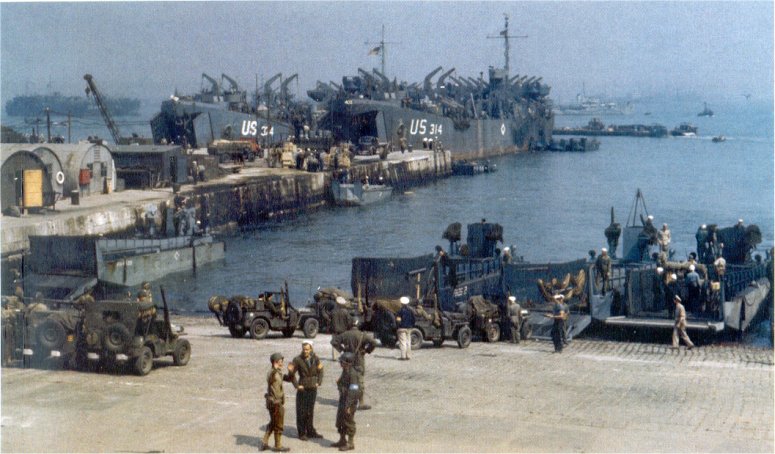 |
87k | USS LST-314 and USS LST-374 loading supplies at Castletown, Portland, English in preparation for the Invasion of Normandy, early June 1944.
US Navy photo from the collections of the US Naval Institute |
Joe Radigan MACM USN Ret. | |
USS LST-314
Dictionary of American Naval Fighting Ships (DANFS)
| Commanding Officers | ||
| 01 | LCDR. Tutt, Alvin Harold USN | 15 January 1943 - 9 July 1944 |
Crew Contact And Reunion Information
U.S. Navy Memorial Foundation - Navy Log
Additional Resources and Web Sites of Interest
Loss of Ship Report
The USS LST Ship Memorial
LST Home Port
State LST Chapters
United States LST Association
| Back To The Navsource Photo Archives Main Page | Back To The Amphibious Ship Type Index | Back To The Tank Landing Ship (LST) Photo Index |
| Comments, Suggestions, E-mail Webmaster. |
This page is created by David W. Almond and maintained by Gary P. Priolo
|