
NavSource Online: Amphibious Photo Archive
USS LST-318


International Radio Call Sign:
November - Juliet - November - Quebec
NJNQ
Awards, Citations and Campaign Ribbons
Precedence of awards is from top to bottom, left to right
Top Row - Combat Action Ribbon (9 August 1943)
Bottom Row - American Campaign Medal - Europe-Africa-Middle East Campaign Medal (1) - World War II Victory Medal
Personnel Awards
Purple Hearts (4 WIA - 1 August 1943) (20 WIA - 9 August 1943)
LST-1 Class Tank Landing Ship
Europe-Africa-Middle East Campaign |
| Campaign and Dates |
|---|
| Sicilian occupation
Southern Sicilian landing Licata - (Blue Beach) 9 to 15 July 1943 Northern Sicilian operations, 28 July to 17 August 1943 |
Specifications:
| Click On Image For Full Size Image |
Size | Image Description | Source | |
|---|---|---|---|---|
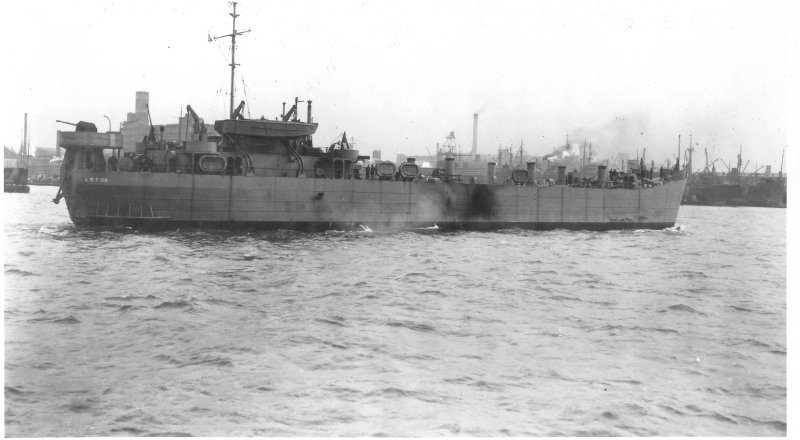 |
55k | USS LST-318 off Brooklyn Navy Yard, New York, early February 1943. | Robert J. Coates for his father Walter F. Coates QM2/c USNR USS LST-310, USS LST-318, USS LST-294 | |
1016031805 |
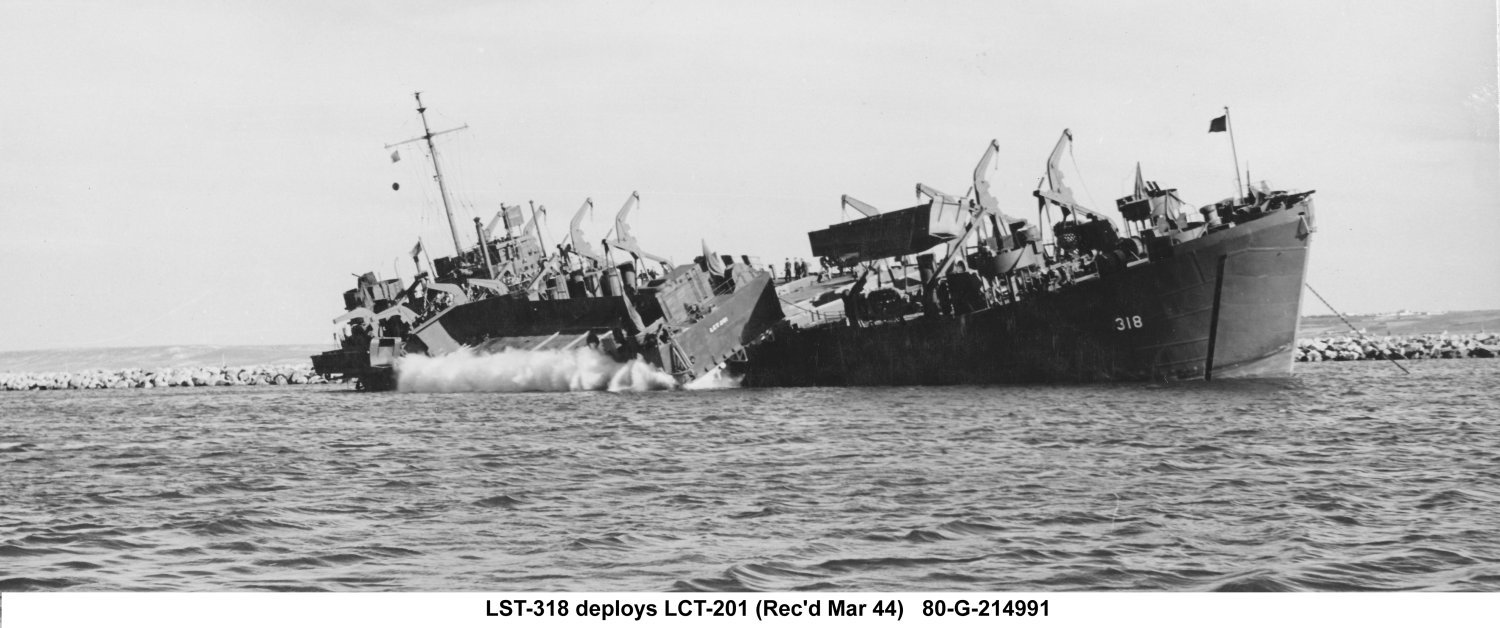
148k | USS LST-318 launching LCT-201 date and location unknown. | Rick Davis | |
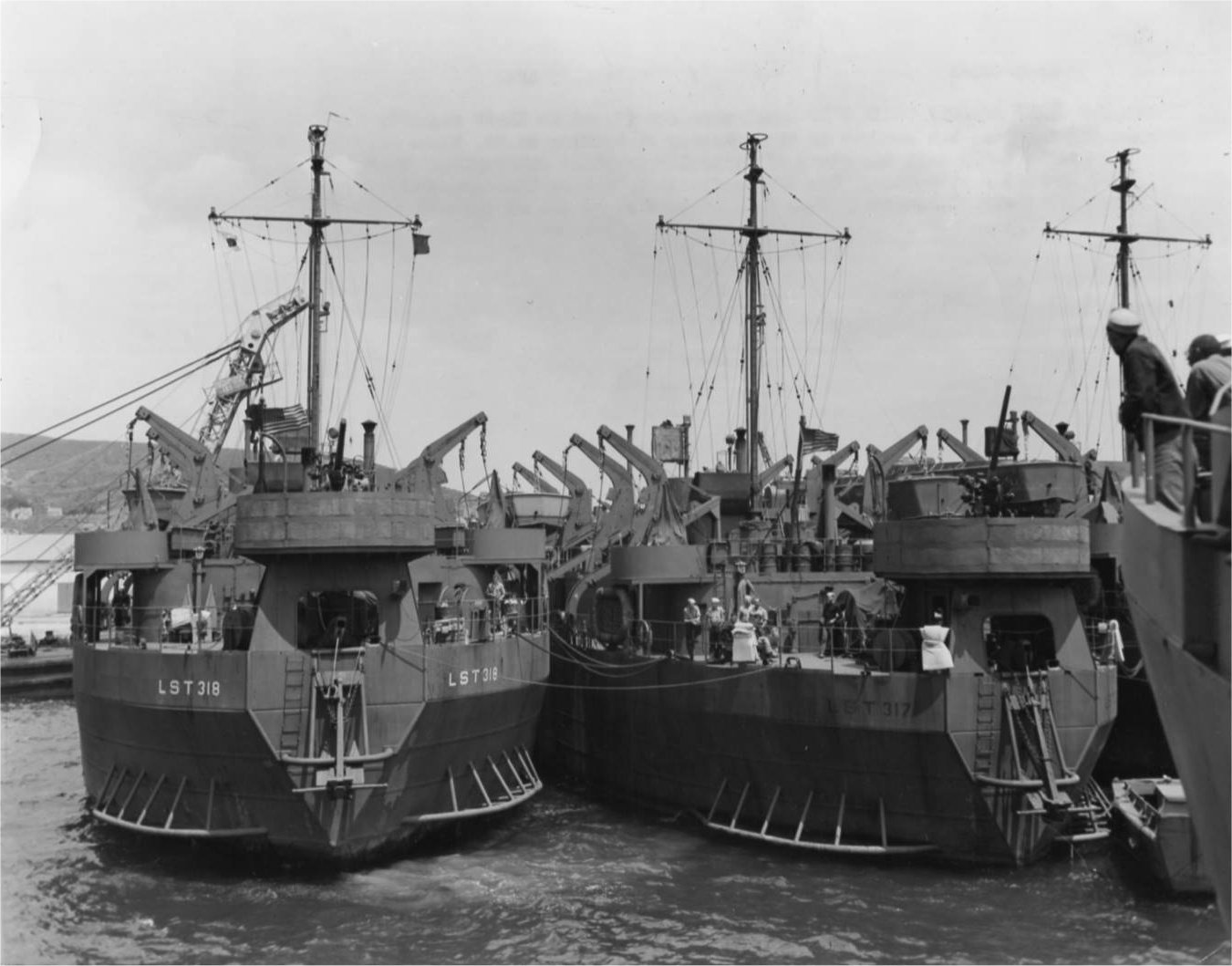 |
163k | USS LST-318 and USS LST-317 moored side by side in a North African port, circa 1943. Associated Press photo released, 19 October 1943. |
David Wright and Robert J. Coates for his father Walter F. Coates QM2/c USNR USS LST-310, USS LST-318, USS LST-294 |
|
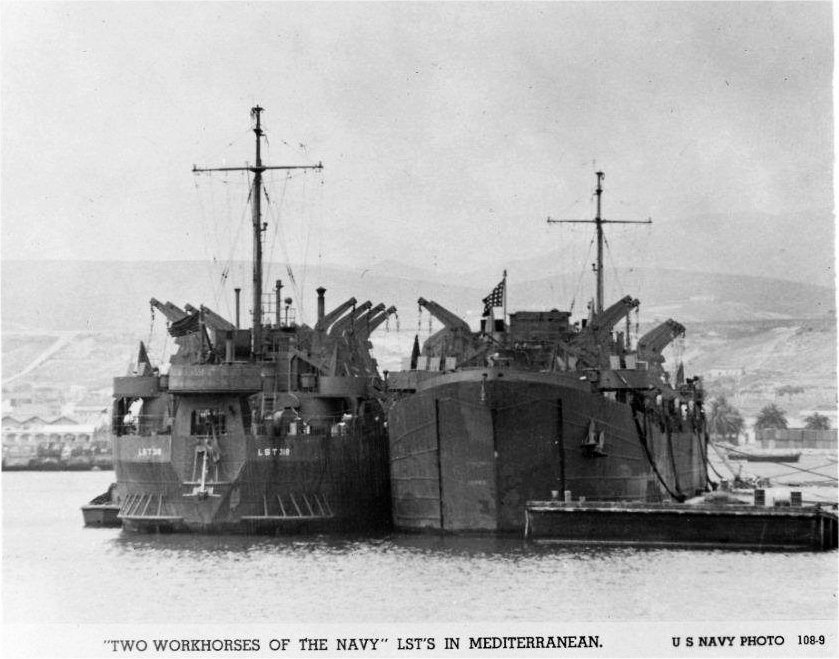 |
96k | USS LST-318 moored outboard of (possibly) USS LST-317) in 1943, in a Mediterranean
port, probably in North Africa. US Navy photo 108-9. |
Tommy Trampp | |
USS LST-318
Dictionary of American Naval Fighting Ships (DANFS)
| Commanding Officers | ||
| 01 | LT. Borden, R., USNR | 8 February 1943 - 9 August 1943 |
Crew Contact And Reunion Information
U.S. Navy Memorial Foundation - Navy Log
Additional Resources and Web Sites of Interest
The USS LST Ship Memorial
LST Home Port
State LST Chapters
United States LST Association
| Back To The Navsource Photo Archives Main Page | Back To The Amphibious Ship Type Index | Back To The Tank Landing Ship (LST) Photo Index |
| Comments, Suggestions, E-mail Webmaster. |
This page is created and maintained by Gary P. Priolo
|