Click On Image
For Full Size Image |
Size |
Image Description |
Contributed
By And/Or Copyright |
|---|
0601901a
0601901b
|
31k
79k |
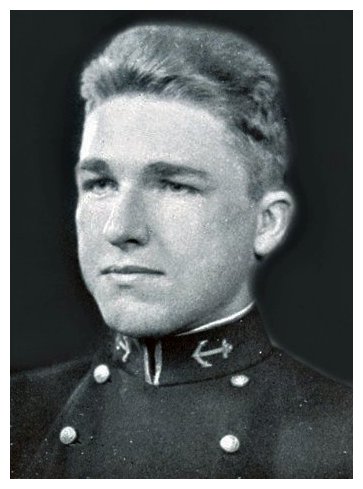
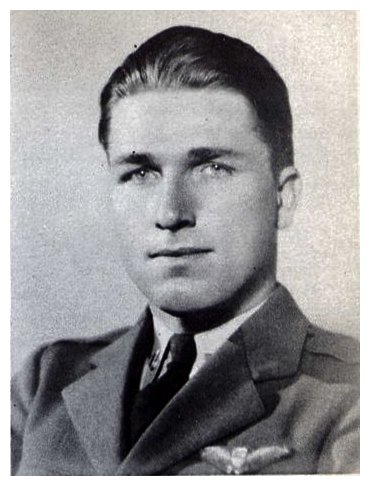
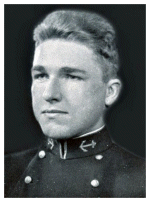
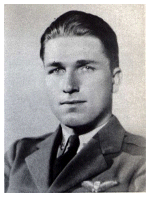
Burden Robert Hastings - born on 01 August 1910 in Washington, D.C. - entered the Naval Academy on 20 June 1929 under an appointment from Indiana. After graduating
on 01 June 1933, he served successive tours in the battleships California (BB 44) and Idaho (BB 42) before reporting to the Naval Air Station, Pensacola, Fla., on
20 February 1936 for flight training. Designated a naval aviator, Hastings--promoted to lieutenant (junior grade) on 01 June 1936--initially remained at Pensacola as an instructor. Following a
brief assignment at San Diego with the Fleet Air Detachment, Aircraft, Battle Force, from 19 May to 7 June 1937, the young officer joined Bomber Squadron (VB) 1 in aircraft carrier Ranger (CV-4).
He remained with that unit after it was redesignated Torpedo Squadron (VT) 2 on 01 July 1937 and transferred to Lexington (CV 2). While in that assignment, Lt. (jg.) Hastings took part in an
important transition in naval aviation when VT-2 replaced its venerable Martin BM-1 and BM-2 biplanes with more modern monoplanes, Douglas TBD-1s, between January and May 1938.
Detached from VT-2 on 24 June 1939, Lt. (jg.) Hastings transferred to Patrol Squadron (VP) 18, a unit equipped predominantly with the Consolidated PBY-4 "Catalina" flying boat. Duty with VP 13
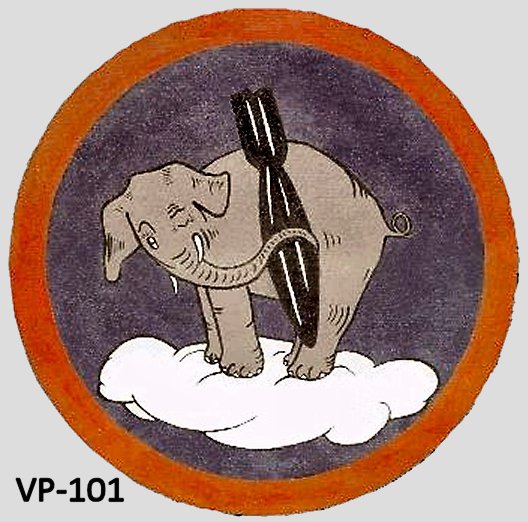
followed from 01 July 1938 to 18 January 1940, and then he joined VP-26, remaining with that unit through its redesignation to VP-101 on 5 December 1940 and its assignment to the Asiatic Fleet
with the reorganization of Patrol Wing (PatWing) 10 on 16 December 1940. For the next year, as war with Japan edged nearer, PatWing 10's PBYs carried out patrols over Philippine waters. When
hostilities finally broke out on 08 December 1941-- 07 December east of the International Date Line--the squadron's planes were ready since they had begun operations under wartime conditions late
in November. The Asiatic Fleet carried out a fighting withdrawal from the islands, retiring to the "Malay Barrier" while devastating Japanese hammer blows quickly reduced the American Army's
highly touted air forces in the Philippines to impotence. Moreover, another force, the Asiatic Fleet's submarines, plagued by torpedo failures, achieved far less than had been expected. On
15 December 1941, PatWing 10--its bases at Cavite and Olongapo rendered untenable--began heading south toward Ambon, in the Netherlands East Indies.
At 2300 on 26 December 1941, six of the squadron's PBYs, under Hastings' command, took off from Ambon and set course for the island of Jolo to bomb Japanese ships reported in the harbor there.
En route to the objective, the first section lost sight of the second and circled at 12,000 feet some 30 miles south of Jolo awaiting their absent companions. As dawn began to streak the sky,
it became evident that the second section was not going to arrive in time to carry out the attack before broad daylight, as planned. Hastings, therefore, decided to go ahead without the second
section and set course to approach Jolo from the south. Antiaircraft fire soon began blossoming in the sky above Jolo; and Lt. (jg.) J. B. Dawley, flying 101-P-6, sighted approaching two
formations of three enemy planes each. "Extremely heavy" antiaircraft fire from both ship and shore greeted the three lumbering PBYs. When the trio of "Catalinas" were still too far from their
target, six Mitsubishi A6M2 "Zero" fighters swept down on them from astern. Hastings' port waist gunner opened fire directly over Dawley's aircraft. As the "Zeroes" swept in, the flight leader
commenced evasive action, turning the PBY and making "quick zooms" to spoil the attackers' aim. Unable to maintain his place in the formation because of Hastings' low air speed, his wingman,
Dawley, dove out of formation and carried out his own attack alone, losing sight of the other planes. According to eyewitnesses below, Hastings' plane cleared the harbor with a "Zero" apparently on its tail. The PBY crashed in flames. Filipinos recovered the bodies of Hastings and at least four of his crew and accorded them a proper burial on shore. For his heroism in leading the mission, Hastings was awarded the Navy Cross, posthumously.
USS Burden R. Hastings (DE 19) (1943-1945) was the first ship to be named in his honor.
(Photo courtesy of the USNA Alumni Association, from the Naval Academy Yearbook; The Lucky Bag, Class of 1933.) |
Bill Gonyo
Downey, Cal.
Assoc. Researcher
Navsource |
0601902 |
126k |
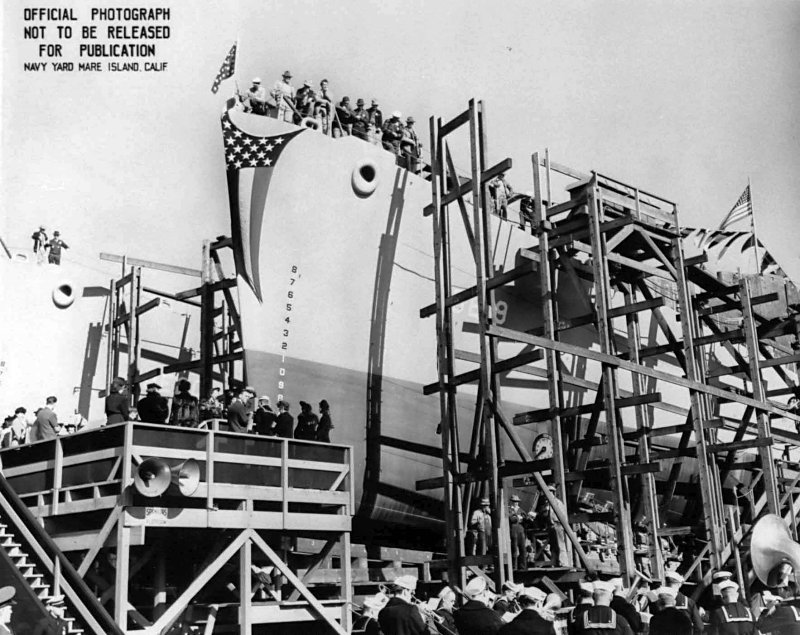
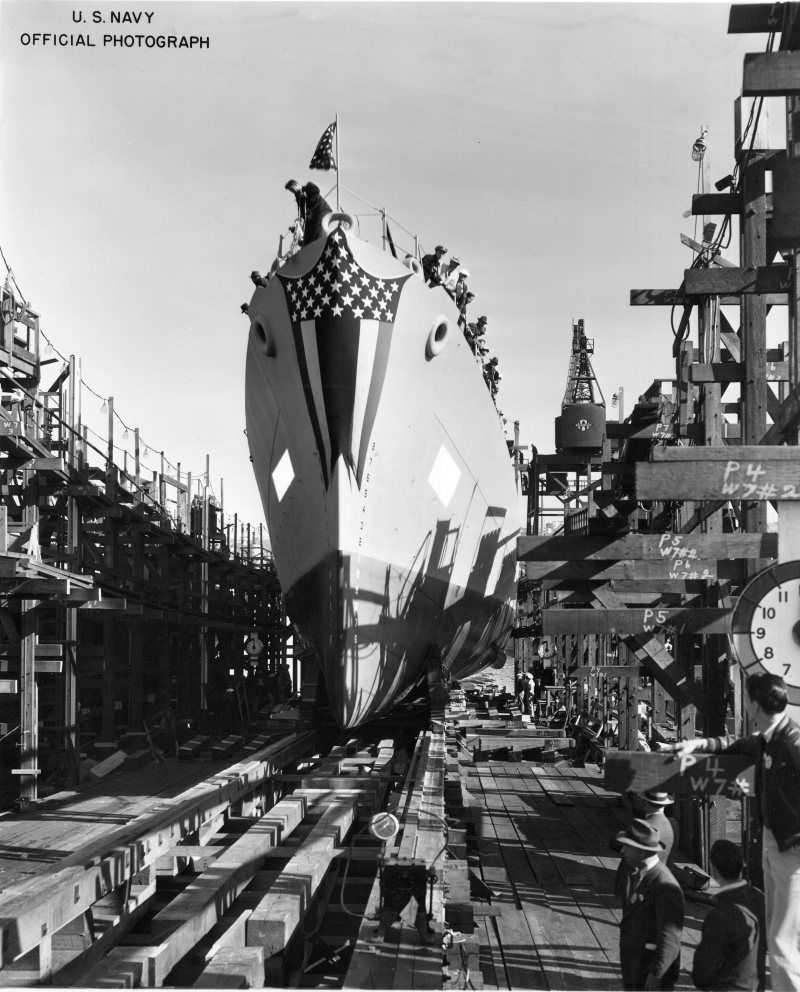
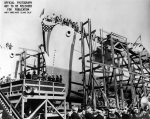
20 November 1942: The HMS Duckworth (BDE 19) is ready for launching at Mare Island.
(U.S. Navy Photo #DE-19-7158-42) |
Darryl Baker
PNCM, USNR (ret.)
Vallejo Naval & Historical Museum |
0601903 |
120k |
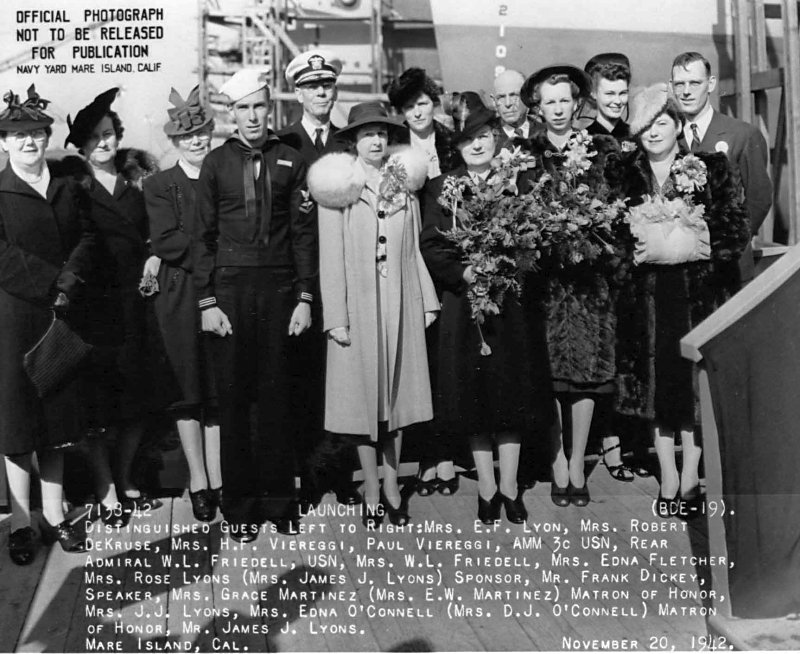
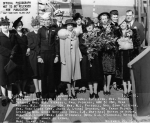
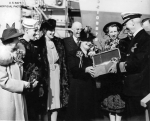
20 November 1942: Photo of the distinguished guests at the launching of the HMS Duckworth. From left to right: Mrs. E. F. Lyon, Mrs. Robert
DeKruse, Mrs. H. F. Viereggi, Paul Viereggi, AMM 3c USN, Radm W. L. Friedell, USN, Mrs. W. L. Friedell, Mrs. Edna Fletcher, Mrs. Rose Lyons (Mrs. James J. Lyons) Sponsor, Mr. Frank Dickey,
Speaker, Mrs. Grace Martinez (Mrs. E. W. Martinez) Matron of Honor, Mrs. J. J. Lyons, Mrs. Edna O'Connell (Mrs. D. J. O'Connell) Matron of Honor, Mr. James J. Lyons.
(U.S. Navy Photo #DE-19-7138-42) |
0601904 |
92k |
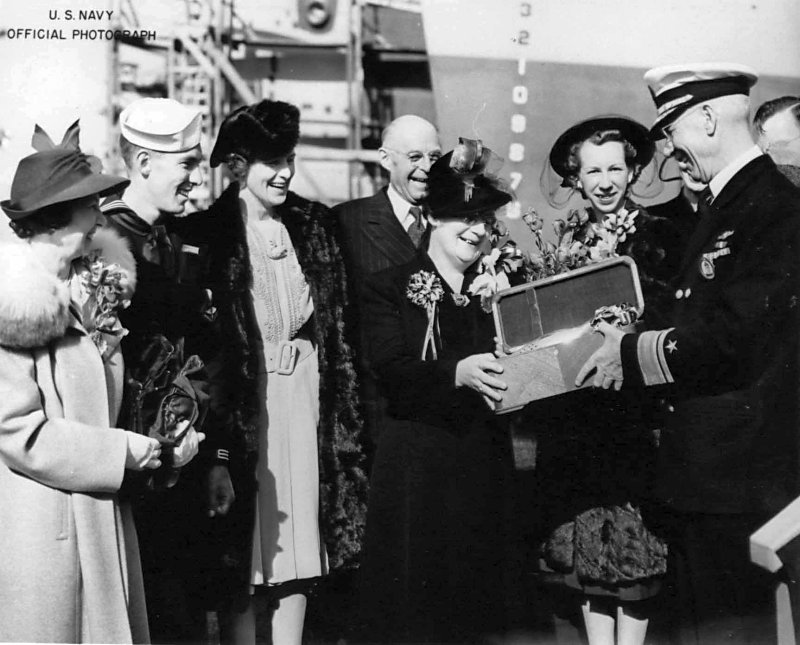
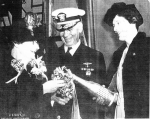
20 November 1942: Radm W. L. Friedell, Shipyard Commandant, presents the launching bottle to Mrs. Rose Lyons, Sponsor in preparation for the launching of the
HMS Duckworth at Mare Island. From left to right: Mrs. W. L. Friedell, Paul Viereggi, AMM 3c USN, Mrs. Edna Fletcher, Mr. Frank Dickey, Mrs. Rose Lyons Sponsor, Mrs. Grace
Martinez Matron of Honor, and Radm W. L. Friedell.
(U.S. Navy Photo #DE-19-7139-42) |
0601905 |
161k |
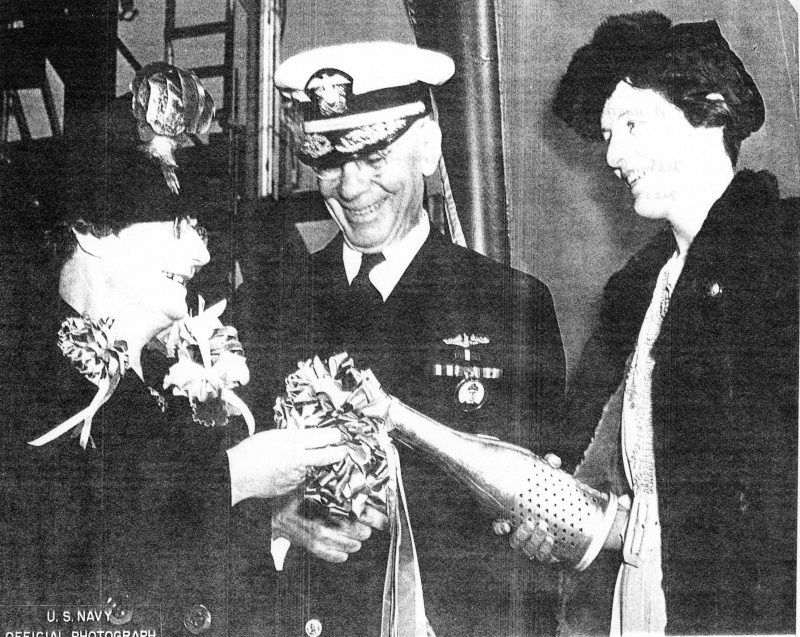
20 November 1942: The ship sponsor Mrs. Grace Martinez, left, Radm W. L. Friedell, shipyard commandant, center, and Mrs. Edna O'Connell, matron of honor ready
the bottle of champagne for the christening of the HMS Duckworth.
(U.S. Navy Photo) |
0601906 |
102k |
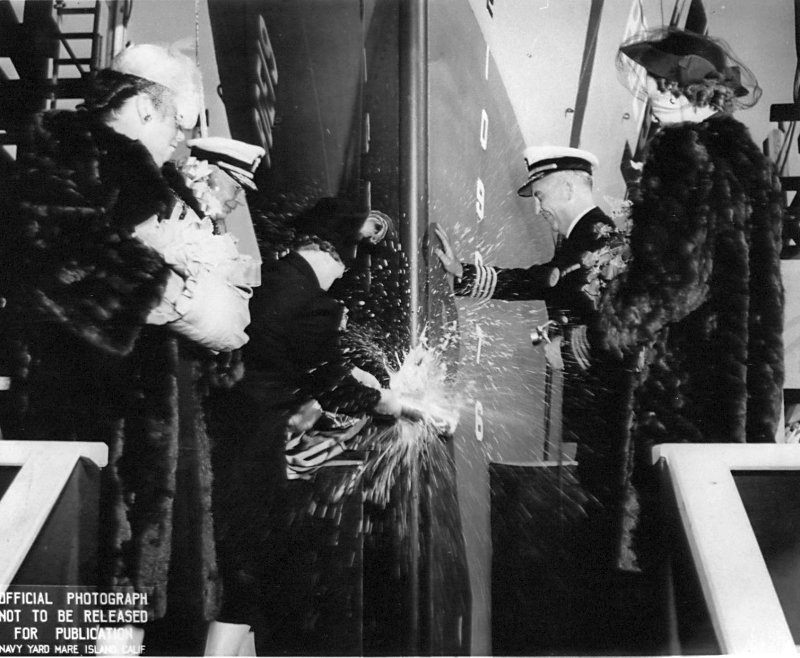
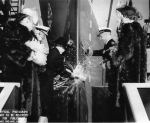
20 November 1942: Mrs. Rose Lyons, Sponsor, is seen christening the HMS Duckworth. Pictured from left to right: Mrs. Edna O'Connell
(Matron of Honor), Radm W. L. Friedell, Shipyard Commandant, Mrs. Lyons, Capt F. G. Crisp, and Mrs. Grace Martinez (Matron of Honor).
(U.S. Navy Photo #DE-19-7151-42) |
0601907 |
154k |
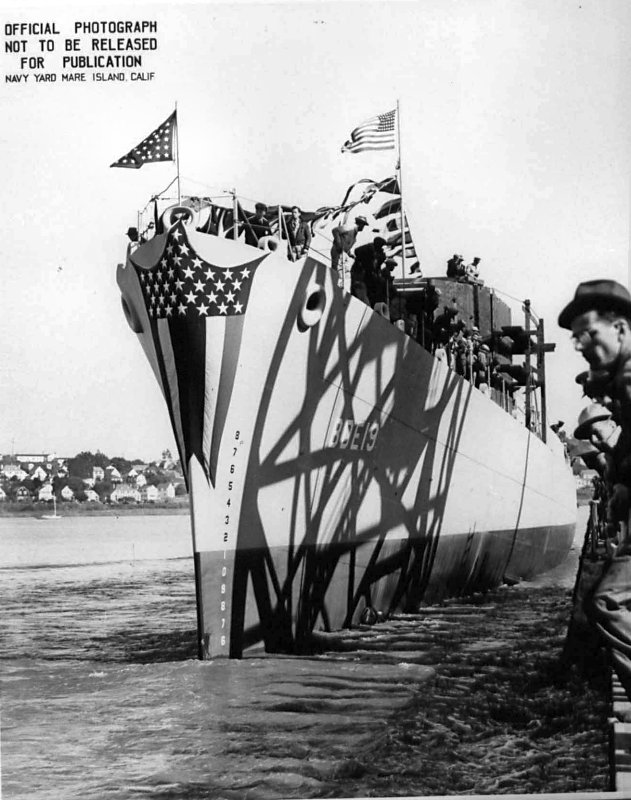
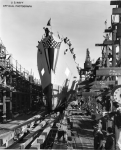
20 November 1942: The HMS Duckworth (BDE 19) is seen half way down the building ways at her launching at Mare Island NSY. Note: Hull number BDE 19
deleted from the picture.
(U.S. Navy Photo) |
0601908 |
102k |
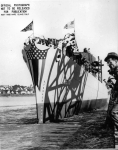
20 November 1942: The HMS Duckworth (BDE 19) is being launched.
(U.S. Navy Photo #DE-19-7140-42) |
0601911 |
130k |
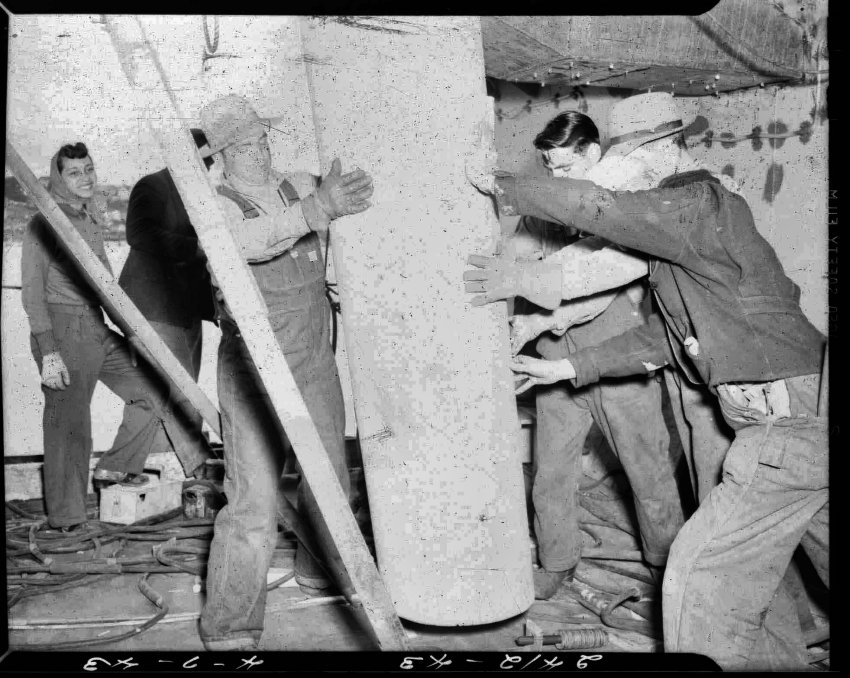
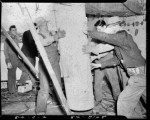
07 April 1943: Shipyard workers setting the mast of Burden R. Hastings. |
0601910 |
82k |
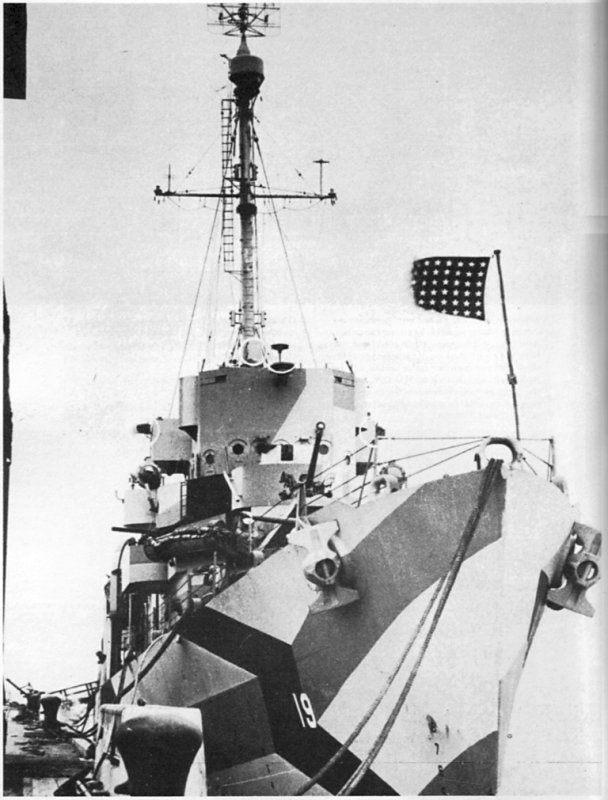
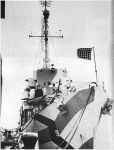
undated wartime image - Note anchor stowage level with the upper deck. The white circles have been added to the photo to show new quipment added in refit. Note
large R/T aerial at the port yardarm, the cork life-nets stowed in bins by No.2 gun, and the mast ladder arrangement. The surface radar aerial in its protective housing, and a HF/DF aerial
at the masthead were standard, the latter a retrospective addition. Note that the 'crazy quilt' camouflage pattern is different each side and does not contine round the stem.
(U.S. Navy photo from the book "Allied Escort Ships of World War II ([A Complete Survey]" by Peter Elliott) |
Edib Krlicbegovic
Bosnia - Hercegovina |
0601909 |
45k |
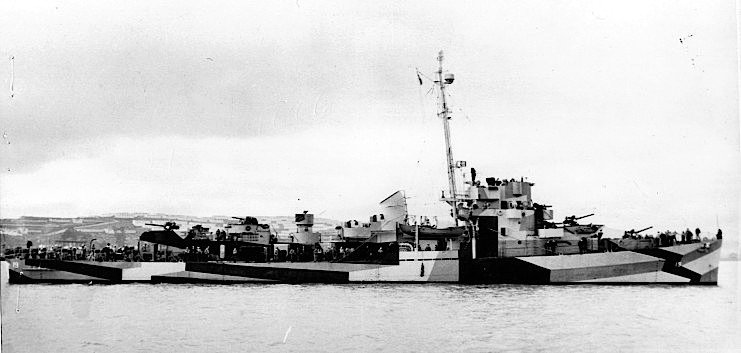
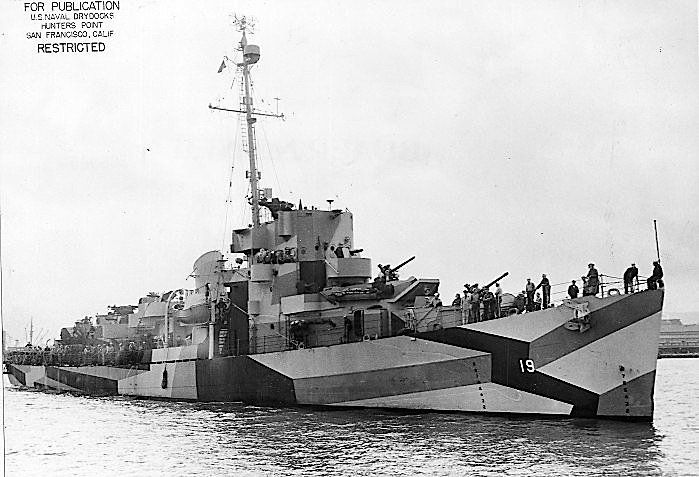
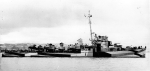
02 November 1944: San Francisco Bay, Cal. - USS Burden R. Hastings (DE 19) in a readily apparent disruptive camouflage scheme, MS 32/9d, at Hunters Point.
Note short hull, without torpedo tubes, but with breaks between the midships deck-houses, and upper walkways fitted for heavy weather, as in British fleet destroyers. The director for
the after 40mm Bofors mount is well shown.
(U.S. Navy Photo #80-G-306973 from the United States National Archives) |
Bob Hurst
Worksop, Nottinghamshire,
England, United Kingdom |
0601912 |
77k |
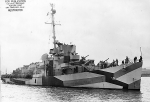
02 November 1944: San Francisco Bay, Cal. - USS Burden R. Hastings (DE 19) is shown wearing Measure 32 Design 9d, leaving Hunters Point Shipyard, San Francisco.
(U.S. Navy Photo #80-G-306969 from the United States National Archives, courtesy of C. Lee Johnson at Ships of the U.S. Navy in WWII “Dazzle” Camouflage) |
Mike Green
Port Angeles, Wash. |