Photographic History of the United States Navy
ARCHIVE
| NavSource Main Page | FAQ | Contact us | Search NavSource |
| |
NavSource Naval History Photographic History of the United States Navy |
DESTROYER ARCHIVE |


 138 of her crew were lost and remain on duty.
| Click On Image For Full Size Image |
Size | Image Description | Contributed By |
|
|---|---|---|---|---|
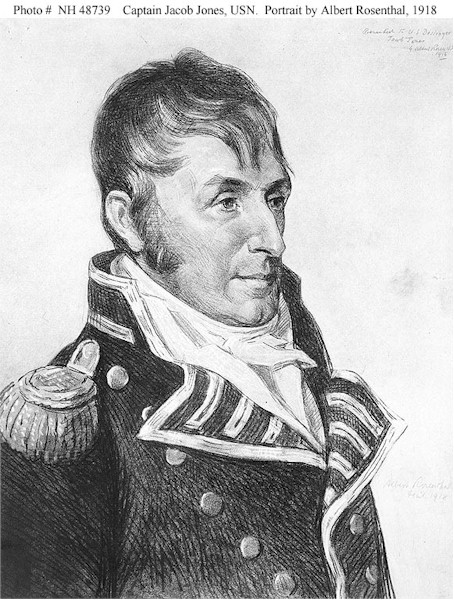 |
106k | Jacob Jones was born in Delaware in March 1768. Initially educated in the field of medicine, he was employed as clerk of the Delaware Supreme Court before joining the Navy in 1799 as a Midshipman. During the Quasi-War with France, he served under Commodore John Barry in the frigate United States and was promoted to the rank of Lieutenant in 1801. Jones was an officer of the frigate Philadelphia when that ship was taken by the Tripolitans in 1803. Held captive for nearly two years, he again had seagoing service after his release and, with the rank of Master Commandant, took command of the sloop of war Wasp in 1810. In October 1812, during the early months of the War of 1812, Jones took Wasp on an Atlantic cruise. Despite storm damage to his ship, he attacked a British convoy on 18 October and, following an intense battle, captured the Royal Navy sloop of war Frolic. Both combatants were seriously damaged and soon fell victim to the powerful ship of the line Poictiers, but Jones' achievement was widely admired. Returning to the United States after an exchange of prisoners, he received a gold medal from the Congress, was promoted to the rank of Captain and given command of the frigate Macedonian. With his ship blockaded at New York, Captain Jones was sent to the Lake Ontario theatre, where he commanded the frigate Mohawk during the last year of the war. During the final Barbary War, in 1815, Jacob Jones again commanded Macedonian. Service as Captain of the frigate Guerriere followed in 1816-1818. He was Commodore of the United States' squadrons in the Mediterranean in 1821-1823 and in the Pacific in 1826-1829. Jones was a Navy Commissioner in Washington, D.C., between those tours at sea and held important commands ashore at Baltimore and New York during the 1830s and 1840s. He received final assignment, as commandant of the Naval Asylum at Philadelphia in 1847. Commodore Jacob Jones held that position at the time of his death on 3 August 1850. The U.S. Navy has named two destroyers and an escort ship in honor of Jacob Jones, including: USS Jacob Jones (Destroyer # 61), 1916-1917; USS Jacob Jones (Destroyer # 130, later DD-130), 1919-1942; and USS Jacob Jones (DE-130), 1943-1973. Photo #: NH 48739. Captain Jacob Jones, USN, crayon portrait by Albert Rosenthal, 1918, after a painting by Rembrandt Peale. The artist presented this portrait to USS Jacob Jones (Destroyer # 130). U.S. Naval Historical Center Photograph. | Bill Gonyo | |
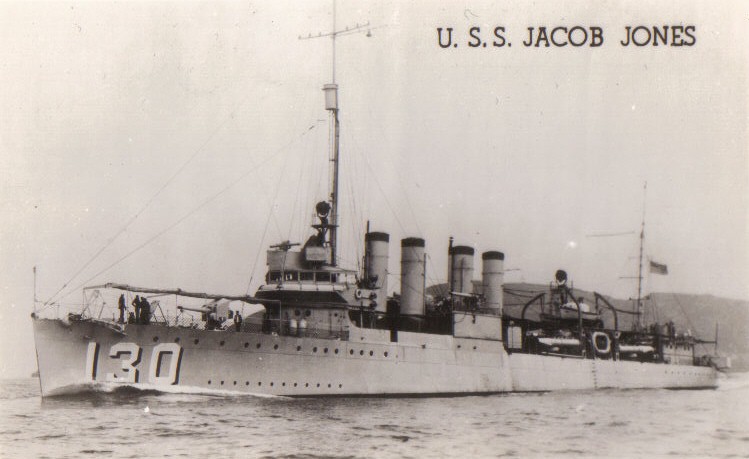 |
67k | Undated, location unknown. | Robert M. Cieri | |
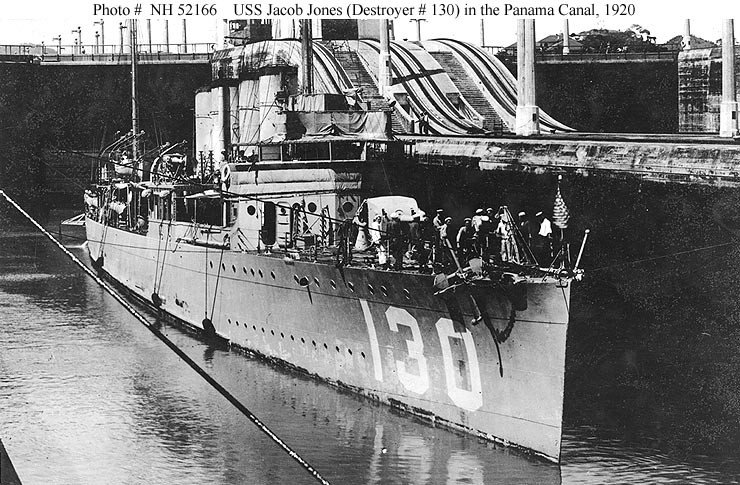 |
153k | Undated, in the Panama Canal Locks, prior to W.W.II | Fred Weiss | |
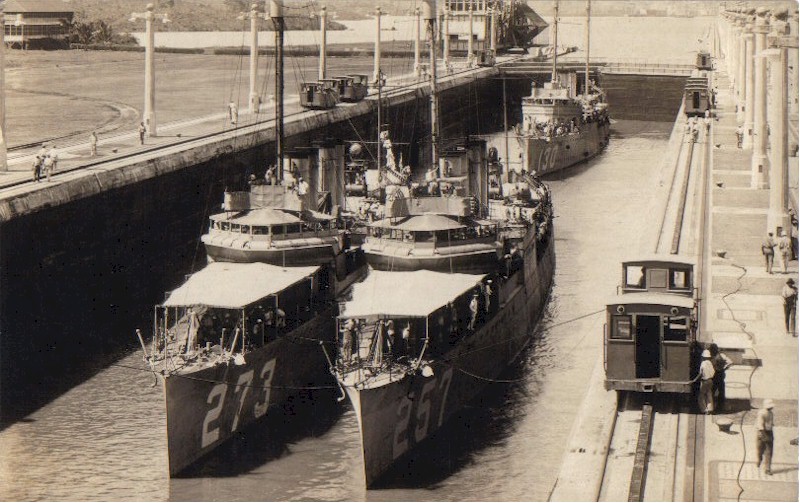 |
131k | Undated, USS Swasey (DD-273), USS Welles (DD-257) and USS Jacob Jones (DD-130) in the Panama Canal. | Robert M. Cieri | |
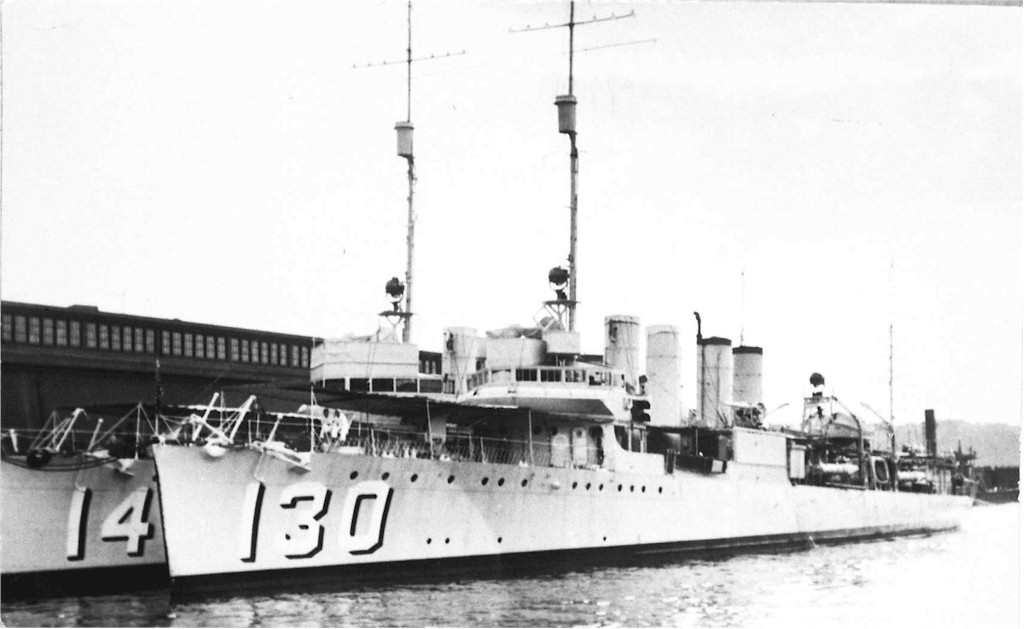 |
108k | Undated, New York City. USS Jacob Jones (DD 130) and USS Claxton (DD-140). Photo from the collection of Vallejo Naval and Historical Museum. | Darryl Baker | |
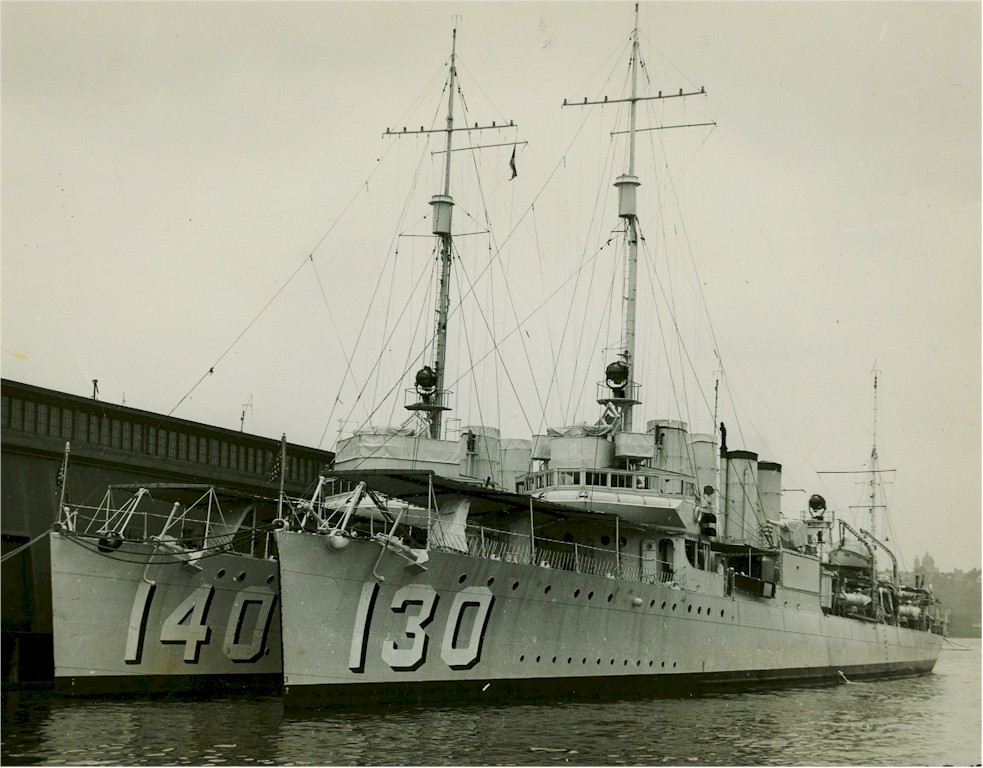 |
162k | Another view of the above. | Ed Zajkowski | |
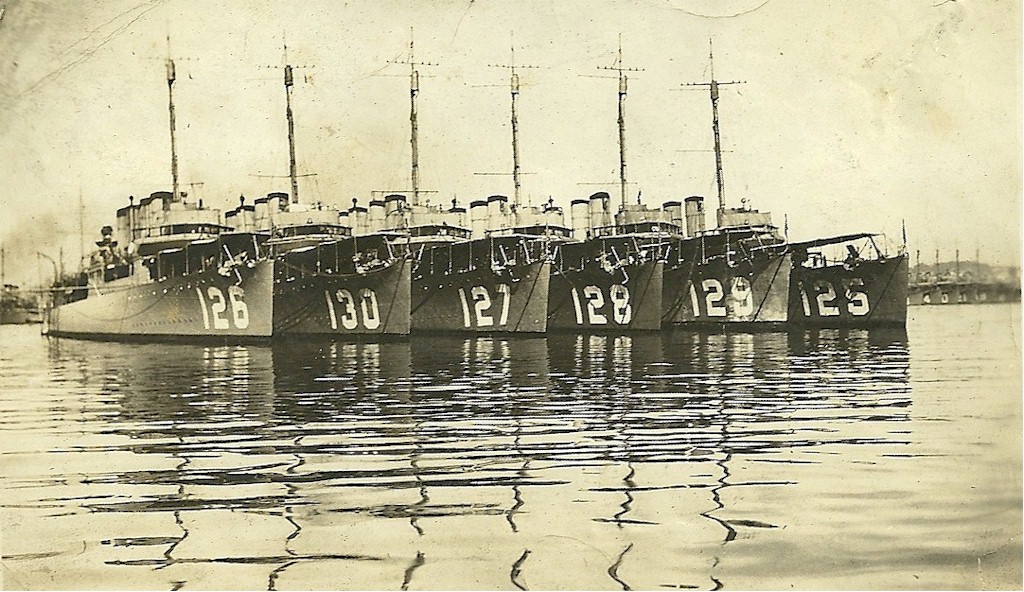 |
221 | Undated, location unknown. From a family scrapbook. Left to right; USS Badger (DD-126), USS Jacob Jones (DD-130), USS Twiggs (DD-127), USS Babbitt (DD-128), USS DeLong (DD-129) and USS Tattnall (Dd-125). | Donna Heuer | |
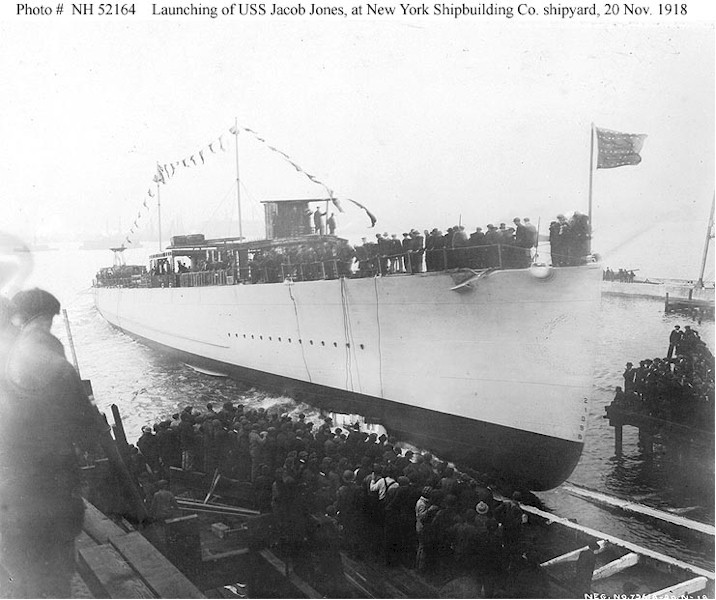 |
103k | Photo #: NH 52164, USS Jacob Jones (Destroyer # 130) launching, at the New York Shipbuilding Corporation shipyard, Camden, New Jersey, 20 November 1918. U.S. Naval Historical Center Photograph. | Paul Rebold | |
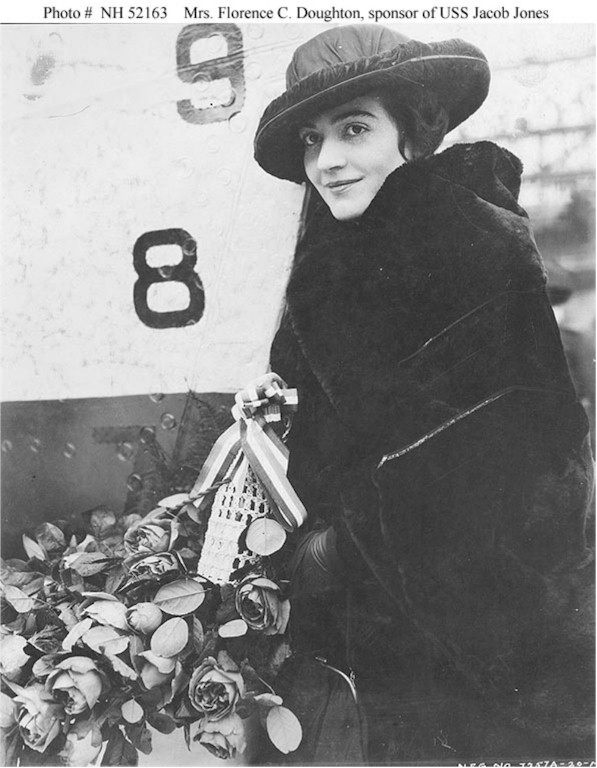 |
105k | USS Jacob Jones (Destroyer # 130), Ship's Sponsor, Mrs. Florence C. Doughton, at the destroyer's christening ceremony, 20 November 1918. Jacob Jones was built at the New York Shipbuilding Corporation shipyard, Camden, New Jersey. U.S. Naval Historical Center Photograph. Photo #: NH 52163. | Robert Hurst | |
 |
181k | USS Jacob Jones (Destroyer # 130), Mrs. Cazenove Doughton (Florence C. Jones), ship's Sponsor, with her party at Jacob Jones' christening ceremonies, 20 November 1918. The ship was built at the New York Shipbuilding Corporation shipyard, Camden, New Jersey. Those present include (from left to right): Mrs. Doughton, Mr. S.H. Ling, Mrs. Lele Young, Mrs. Jones, Mr. Arch Taylor, Mr. Workman, Miss Mildred Lee and Mrs. Florence Lee. Photographed by the New York Shipbuilding Corporation. Collection of the Society of Sponsors of the United States Navy. U.S. Naval Historical Center Photograph. Photo #: NH 98158. | Robert Hurst | |
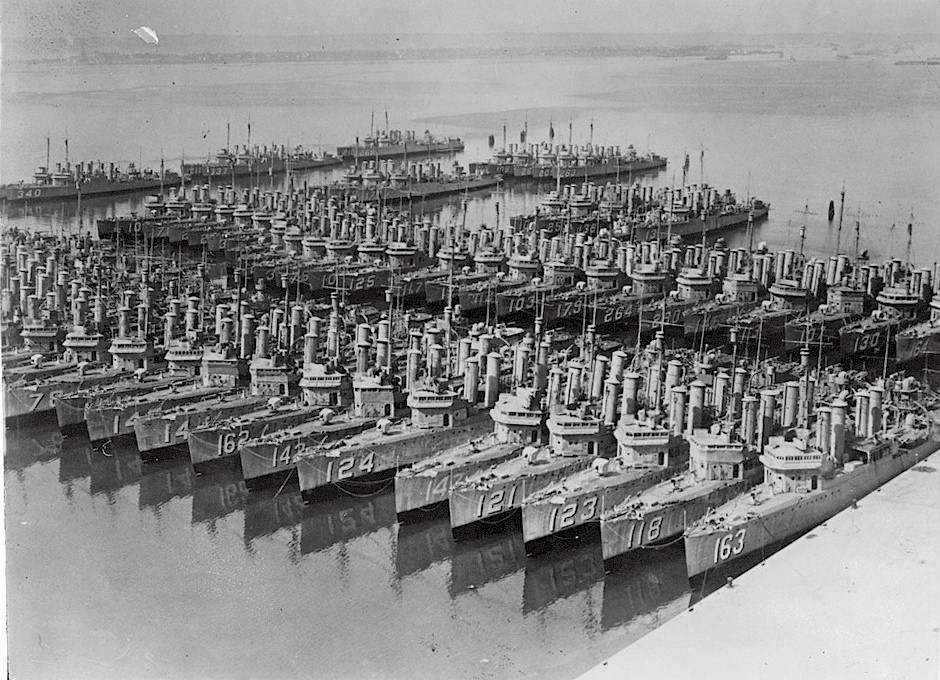 |
230k | Post World War I San Diego image including the USS Walker (DD-163), USS Lea (DD-118), USS Gamble (DD-123), USS Montgomery (DD-121), USS Roper (DD-147), USS Ramsay (DD-124), USS Tarbell (DD-142), USS Thatcher (DD-162), USS Evans (DD-78), USS Crosby (DD-164), USS Jacob Jones (DD-130), USS Hazelwood (DD-107), USS Gillis (DD-260), USS McLanahan (DD-264), USS Howard (DD-179), USS Schley (DD-103), USS Dorsey (DD-117), USS Tattnall (DD-125), USS Wickes (DD-75), USS Laub (DD-263), USS Zane (DD-337), USS Perry (DD-340) and USS Alden (DD-211). | Mike Mohl | |
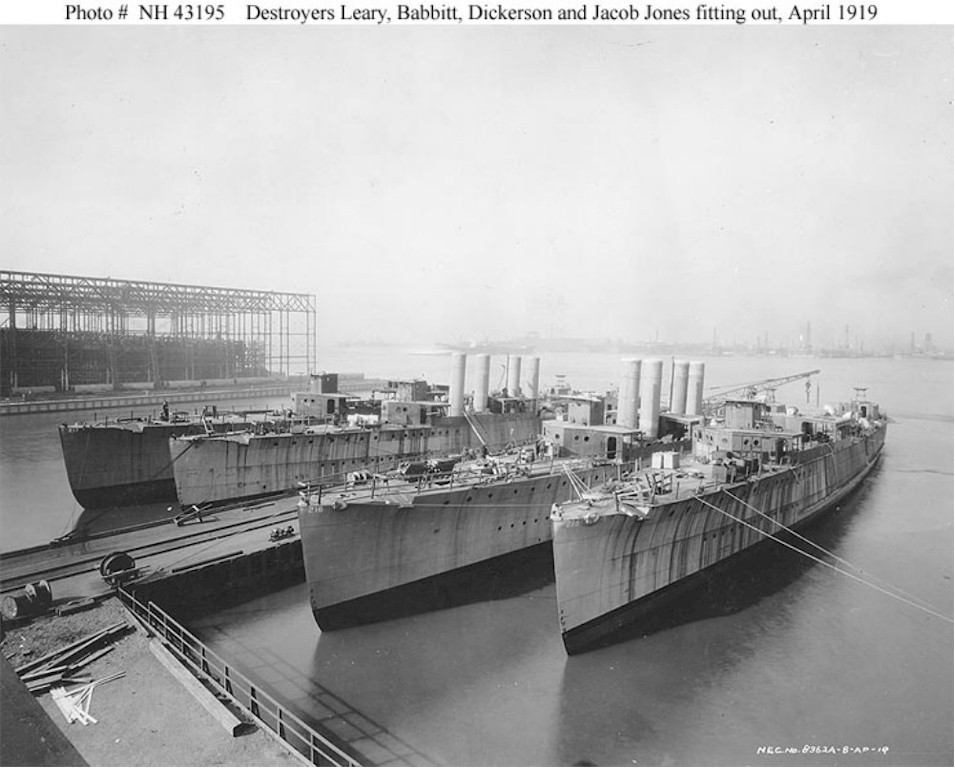 |
134k | Destroyers fitting out at New York Shipbuilding Corporation shipyard, Camden, New Jersey,on 8 April 1919. They are (from left to right): Leary (Destroyer # 158; Builder's # 217); Babbitt (Destroyer # 128; Builder's # 213); Dickerson (Destroyer # 157; Builder's # 216); and Jacob Jones (Destroyer # 130; Builder's # 215). Builder's hull numbers are painted in small numerals on the ships' bows. U.S. Naval Historical Center Photograph. Photo #: NH 43195. | Robert Hurst | |
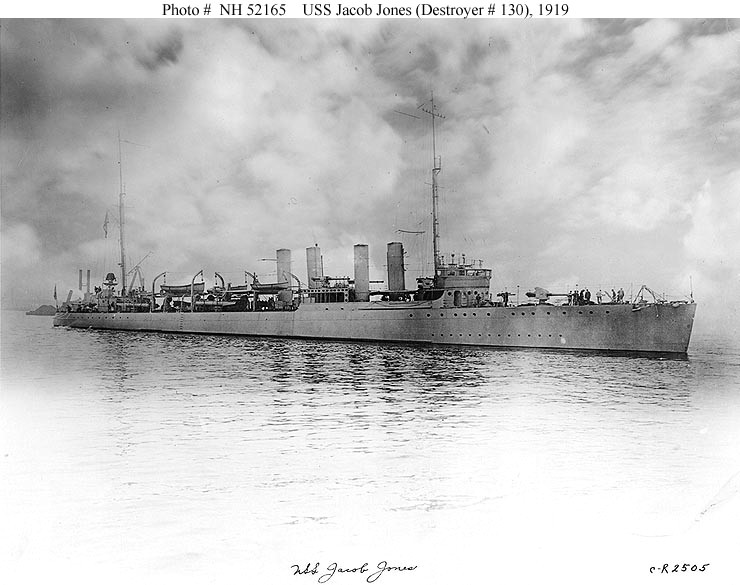 |
91k | USS Jacob Jones (Destroyer # 130) Photographed soon after she was completed, in 1919. U.S. Naval Historical Center Photograph. | Fred Weiss | |
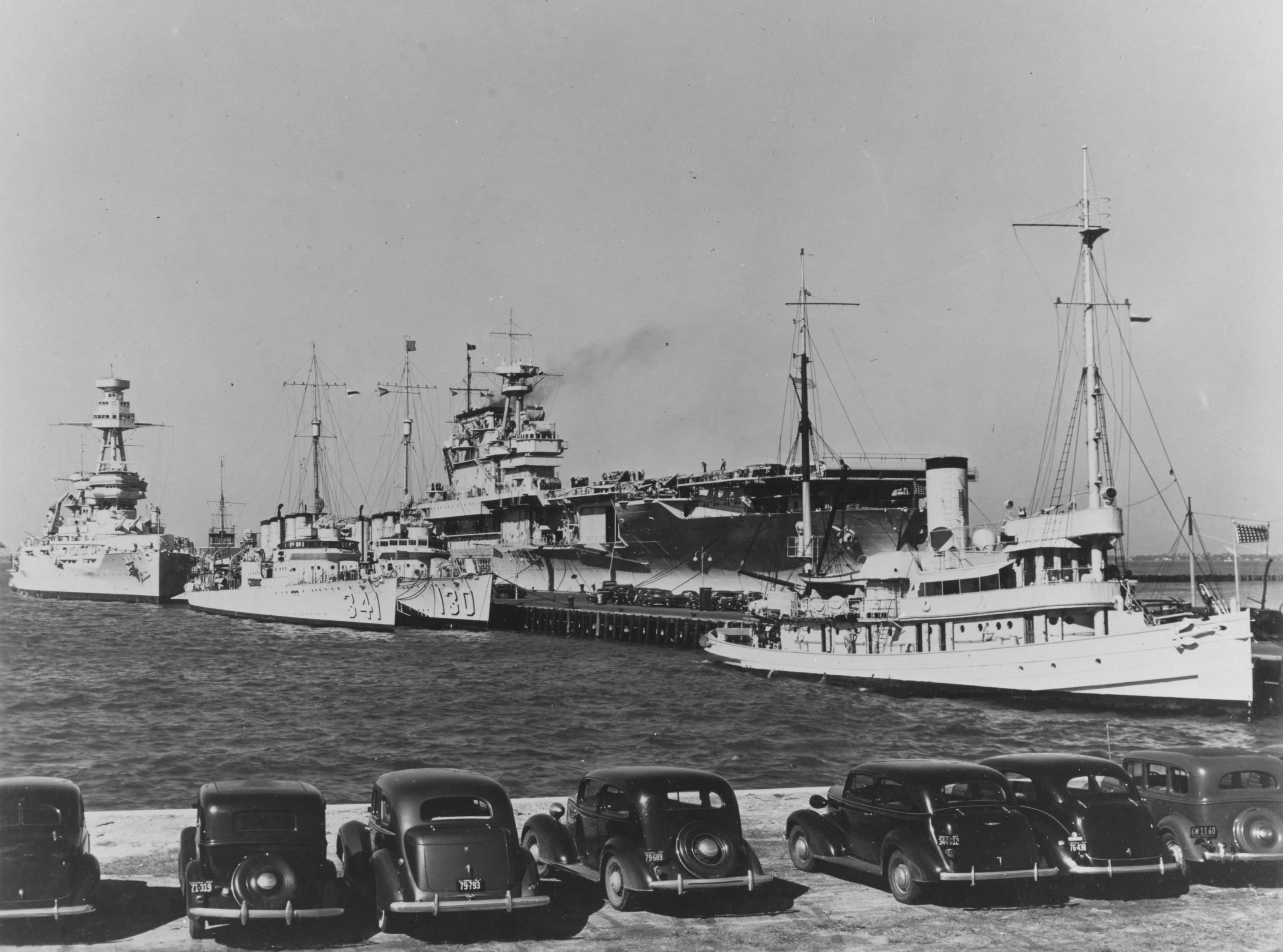 |
110k | USS Yorktown (CV 5), USS Texas (BB 35), USS Decatur (DD 341), USS Jacob Jones (DD 130), and unidentified tug at Pier 7, Naval Operating Base, Norfolk, Virginia, on 19 October 1937. Photograph from Department of the Navy collections in the U.S. National Archives. | Joe Radigan | |
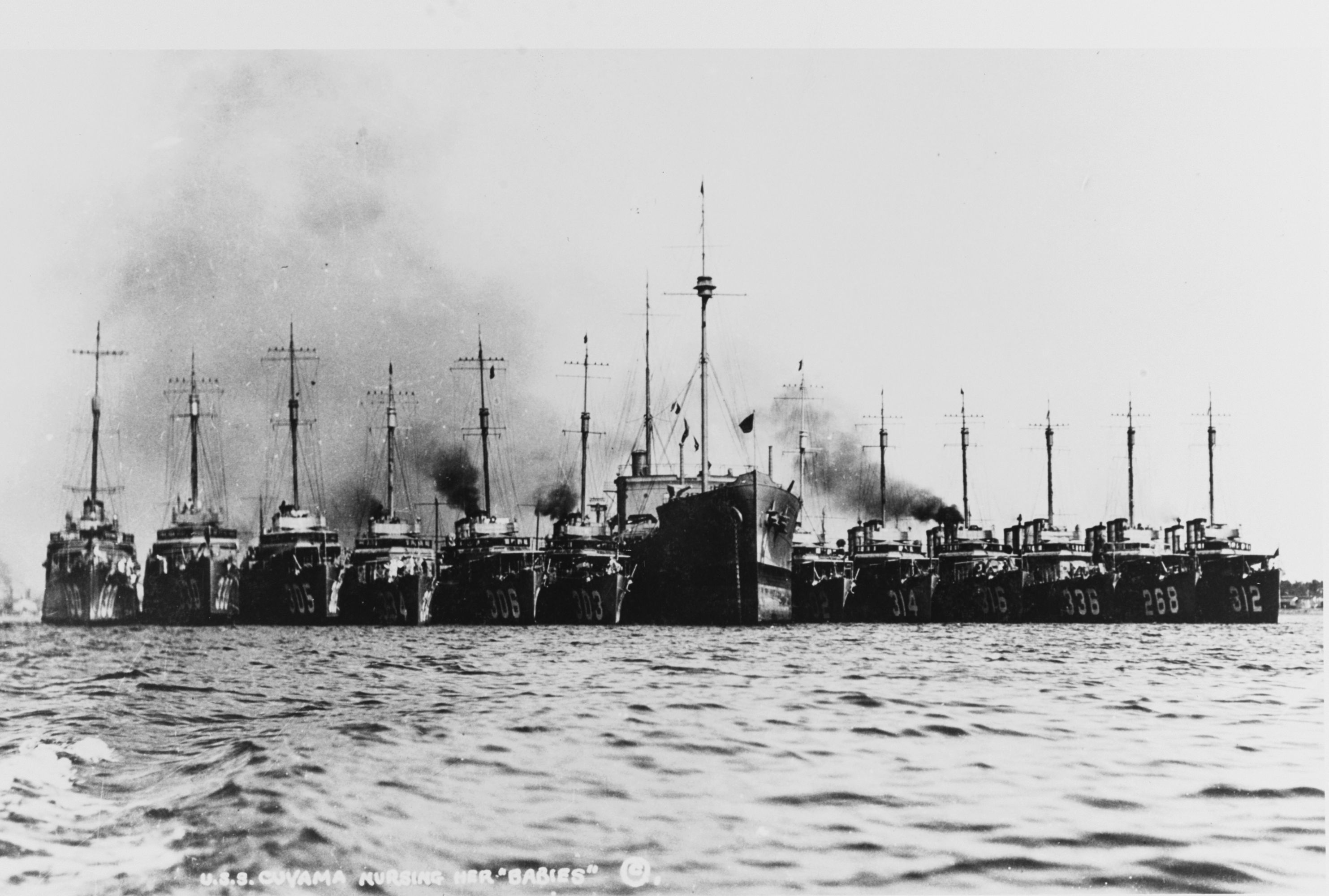 |
70k | Photo #: NH 77258: The USS Cuyama (AO-3) with twelve destroyers tied up alongside, during the early 1920s. The ships present include (from left to right): USS Jacob Jones (DD-130); USS Hull (DD-330); USS Thompson (DD-305); USS Corry (DD-334); USS Kennedy (DD-306); USS Reno (DD-303); USS Cuyama (AO-3; USS Stoddert (DD-302); USS Yarborough (DD-314); USS Sloat (DD-316); USS Litchfield (DD-336); USS Shubrick (DD-268); USS Young (DD-312); Courtesy of Mrs. C.R. DeSpain, 1973. From the scrapbooks of Fred M. Butler. U.S. Naval Historical Center Photograph. | Fabio Peņa | |
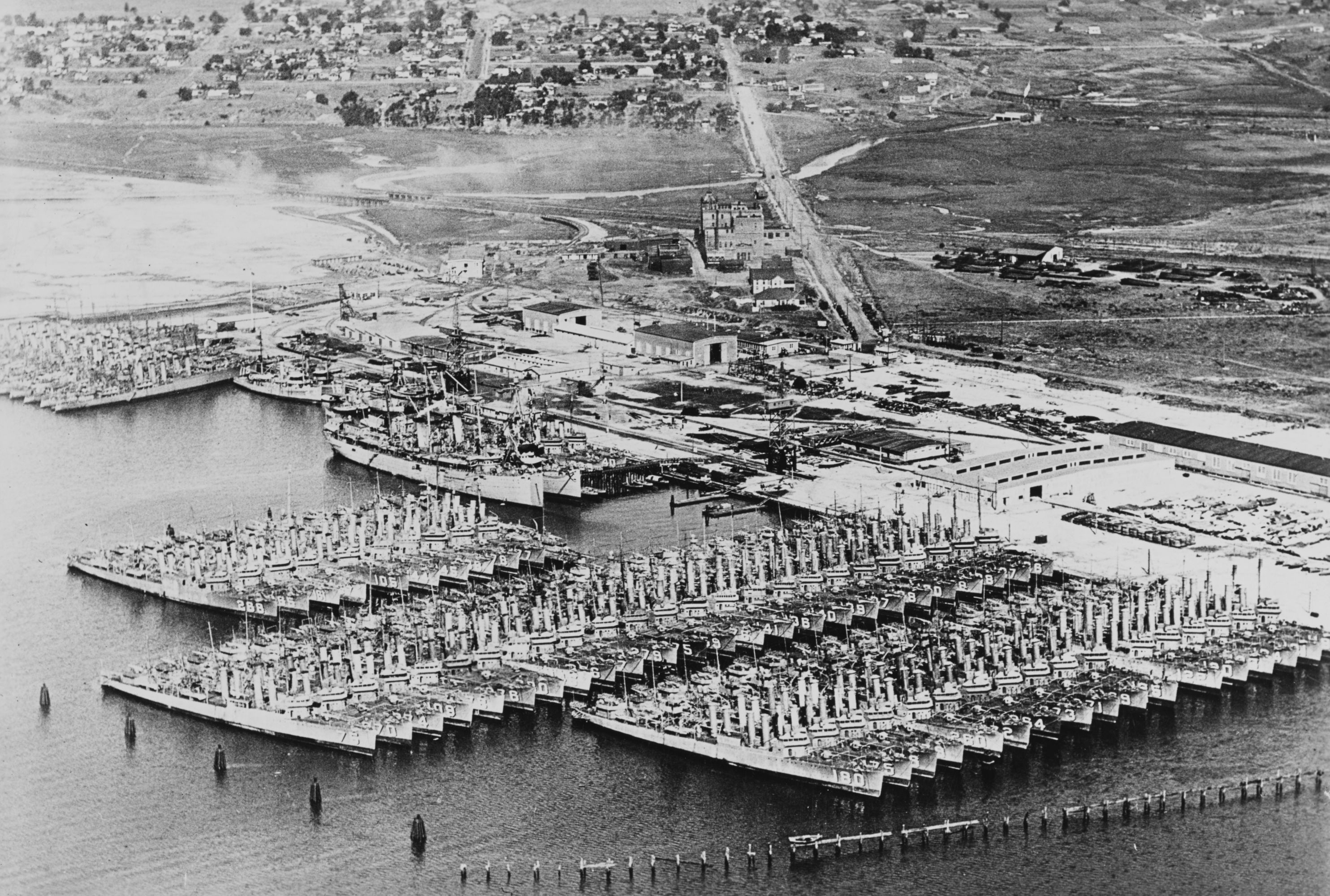 |
195k | Red Lead Row, San Diego Destroyer Base, California. Photographed at the end of 1922, with at least 65 destroyers tied up there. Ships present are identified as: (left to right, in the right diagonal row): Stansbury (DD-180); MacKenzie (DD-175); Renshaw (DD-176); Howard (DD-179); Gillis (DD-260); Tingey (DD-272); McLanahan (DD-264); Swasey (DD-273); Morris (DD-271); Bailey (DD-269); Tattnall (DD-125); Breese (DD-122); Radford (DD-120); Aaron Ward (DD-132) -- probably; Ramsey (DD-124); Montgomery (DD-121); and Lea (DD-118). (left to right, in the middle diagonal row): Wickes (DD-75); Thornton (DD-270); Meade (DD-274); Crane (DD-109); Evans (DD-78); McCawley (DD-276); Doyen (DD-280); Elliot (DD-146); Henshaw (DD-278); Moody (DD-277); Meyer (DD-279); Sinclair (DD-275); Turner (DD-259); Philip (DD-76); Hamilton (DD-141); Boggs (DD-136); Claxton (DD-140); Ward (DD-139); Hazelwood (DD-107) or Kilty (DD-137); Kennison (DD-138); Jacob Jones (DD-130); Aulick (DD-258); Babbitt (DD-128); Twiggs (DD-127); and Badger (DD-126). (left to right, in the left diagonal row): Shubrick (DD-268); Edwards (DD-265); Palmer (DD-161); Welles (DD-257); Mugford (DD-105); Upshur (DD-144); Greer (DD-145); Wasmuth (DD-338); Hogan (DD-178); O'Bannon (DD-177); and -- possibly -- Decatur (DD-341). (Nested alongside wharf in left center, left to right): Prairie (AD-5); Buffalo (AD-8); Trever (DD-339); and Perry (DD-340). Minesweepers just astern of this group are Partridge (AM-16) and Brant (AM-24). Nearest ship in the group of destroyers at far left is Dent (DD-116). The others with her are unidentified. U.S. Naval Historical Center Photograph. : NH 42539 | Robert Hurst | |
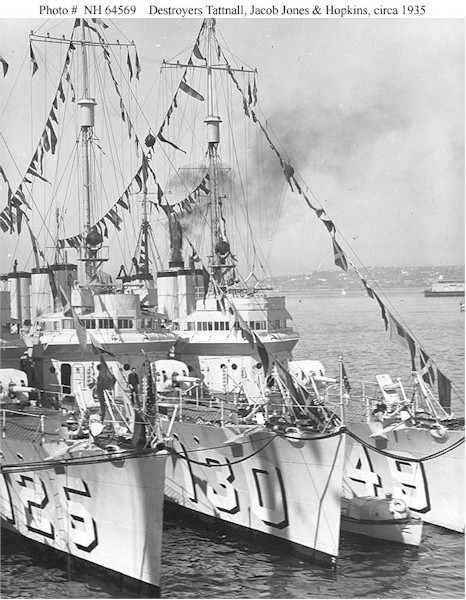 |
102k | Photo #: NH 64569: USS Tattnall (DD-125), USS Jacob Jones (DD-130), and USS Hopkins (DD-249) (listed left to right) moored together off San Diego, California, circa 1935. This view shows the ships' bows, with signal flags hoisted in the rigging in honor of a special occasion. Donation of Franklin Moran, 1967. U.S. Naval Historical Center Photograph. | - | |
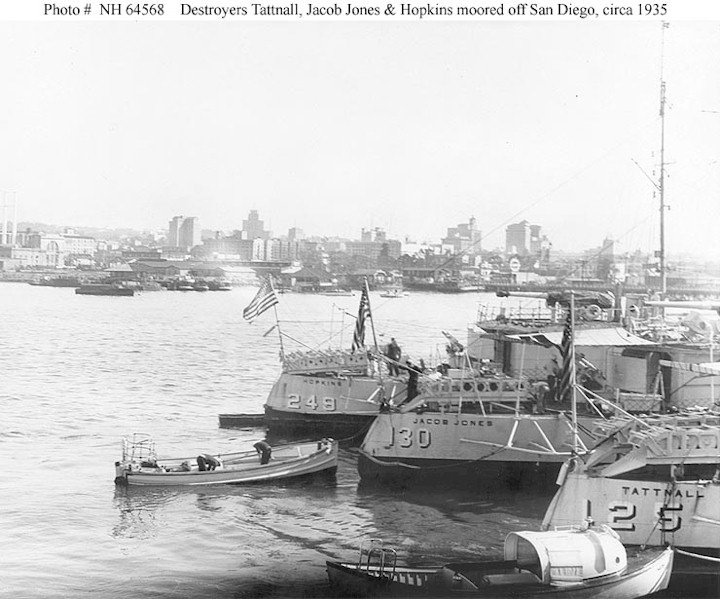 |
102k | Photo #: NH 64568: USS Hopkins (DD-249), USS Jacob Jones (DD-130), and USS Tattnall (DD-125) (listed left to right) moored together off San Diego, California, circa 1935. This view shows the ships' sterns, with propeller guards, depth charge racks and small craft visible. Donation of Franklin Moran, 1967. U.S. Naval Historical Center Photograph. | - | |
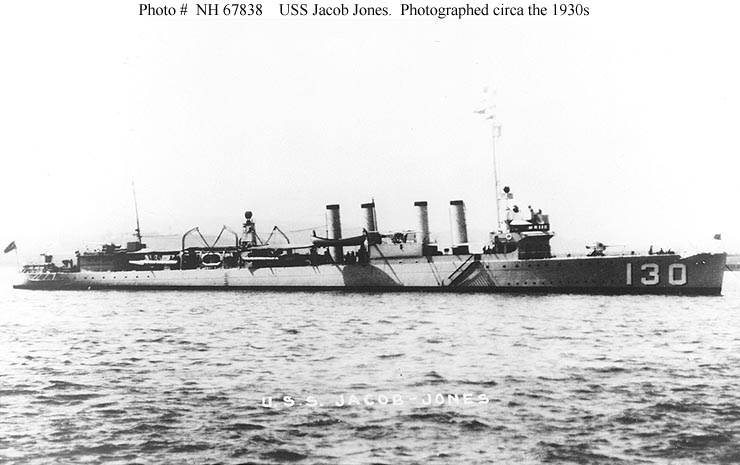 |
58k | USS Jacob Jones (DD-130) Photographed circa the 1930s. Courtesy of Donald M. McPherson, 1969 U.S. Naval Historical Center Photograph. | Fred Weiss | |
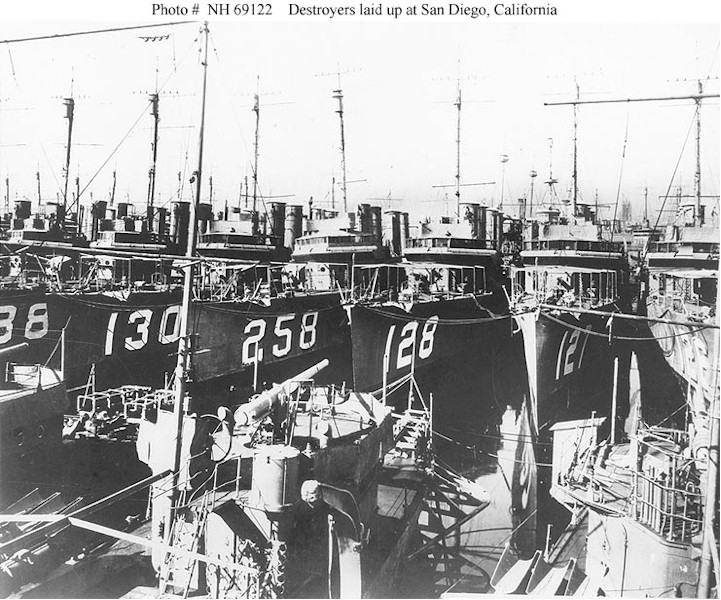 |
153k | Destroyers laid up at San Diego, California. Some of the eighty reserve destroyers in San Diego harbor, part of some 260 destroyers laid up there and at Philadelphia, Pennsylvania. Photograph dated 29 December 1926. Identifiable ships present include (from left to right): USS Kennison (DD-138); USS Jacob Jones (DD-130); USS Aulick (DD-258); USS Babbitt (DD-128); USS Twiggs (DD-127); and USS Badger (DD-126). Courtesy of the San Francisco Maritime Museum, San Francisco, California, 1969. U.S. Naval Historical Center Photograph. | Fred Weiss | |
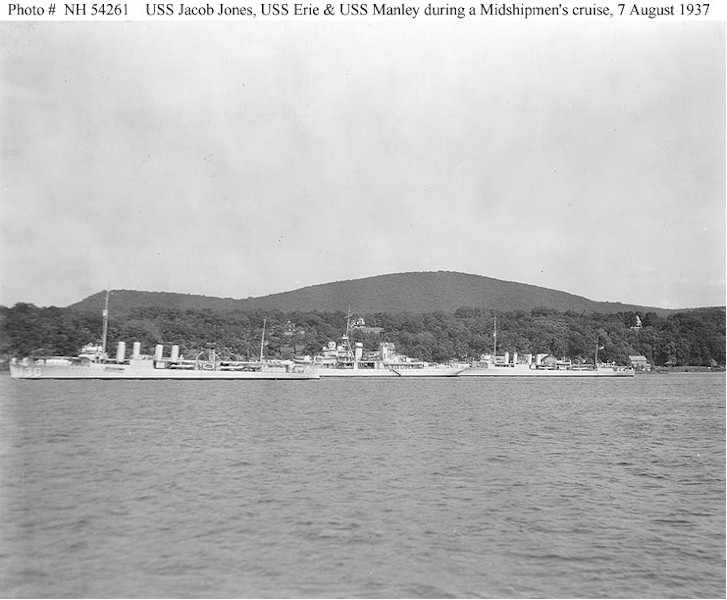 |
90k | Photo #: NH 54261, USS Jacob Jones (DD-130), USS Erie (PG-50), and USS Manley (DD-74) (listed left to right) in harbor, during a U.S. Naval Academy Midshipmen's cruise, 3 August 1937. U.S. Naval Historical Center Photograph. | Paul Rebold | |
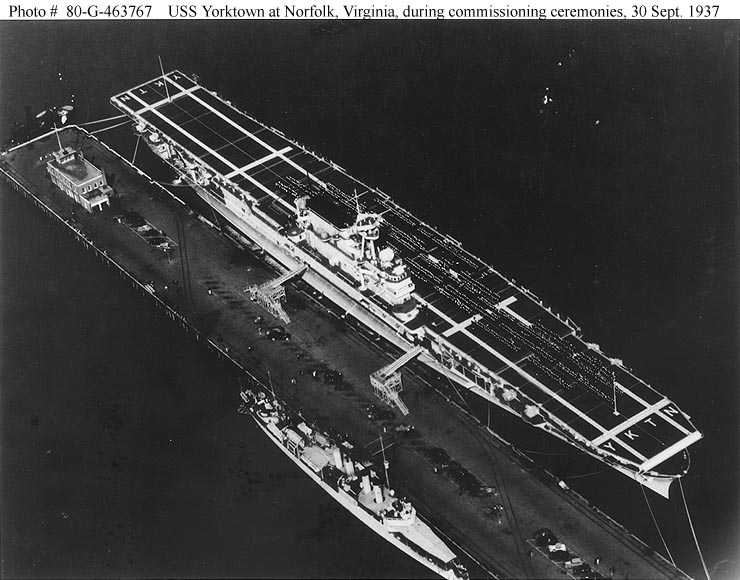 |
88k | USS Yorktown (CV-5) Tied up at Pier 7, Naval Operating Base Norfolk, Virginia, on 30 September 1937, with commissioning ceremonies underway on her flight deck. USS Jacob Jones (DD-130) is on the opposite side of the pier. Official U.S. Navy Photograph, now in the collections of the National Archives. | Fred Weiss | |
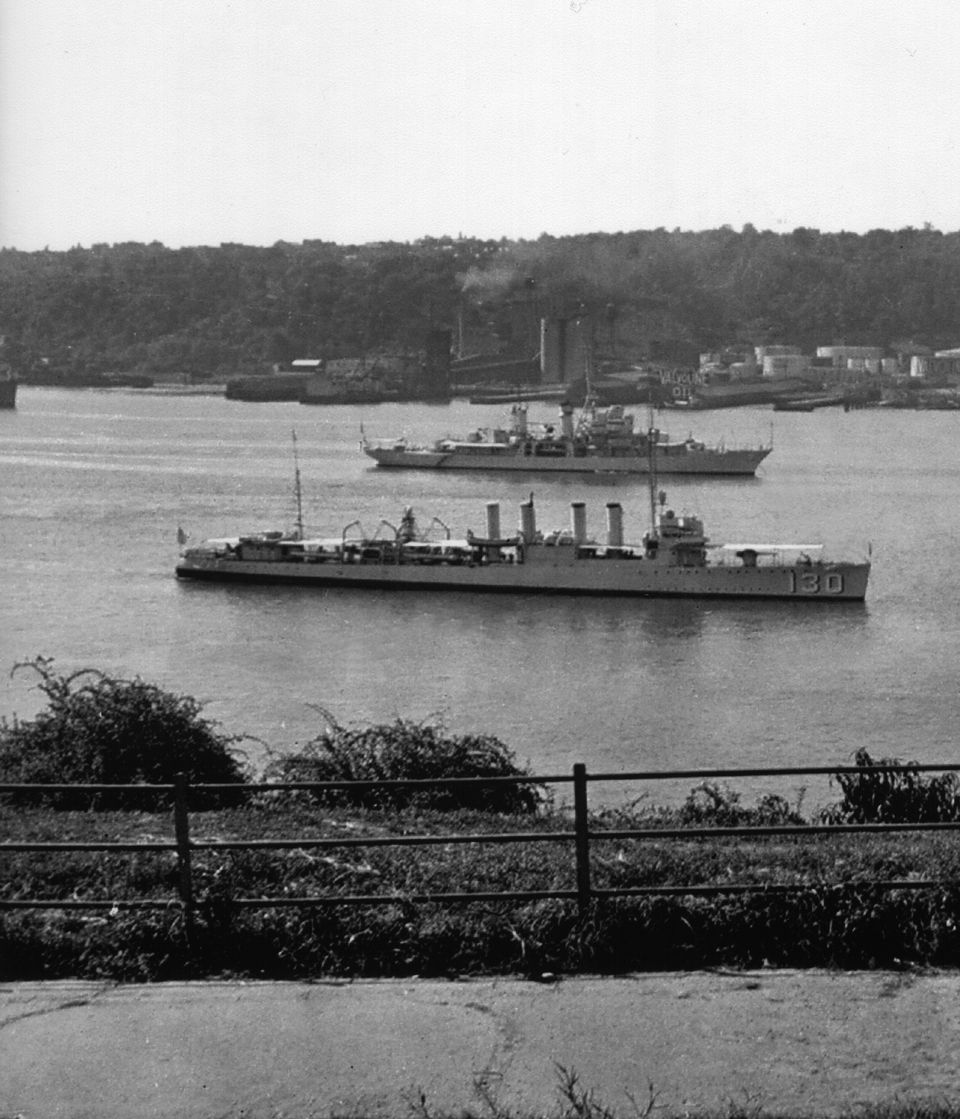 |
168k | Jacob Jones and Erie (PG-50) moored on the Hudson River, October 1937. Photo by Harold Herman, Clark's Photographs, New York City. | Jon Balson | |
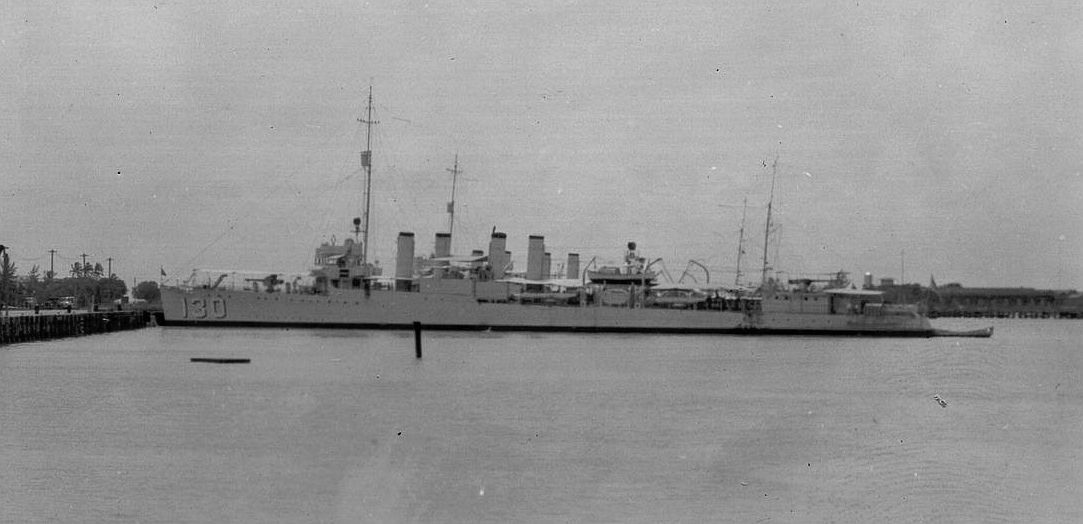 |
69k | USS Jacob Jones (DD-130) moored at Naval Station Key West, circa 1941. From the Louise White Collection, Florida Keys Public Libraries photo # MM00008618x (cropped) | Robert Hurst | |
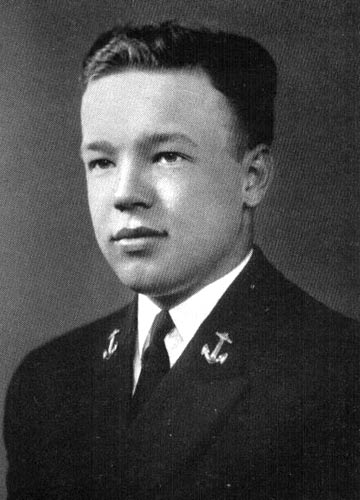 |
34k | On February 28, 1942, off the Delaware Capes, German submarine U-578 torpedoed Jacob Jones in a night surface attack. The four-stacker broke in two and most of its crew was lost, including Ensign Hanson. Olie was posthumously awarded the Purple Heart. His friends and shipmates remember him with great affection and a deep sense of loss. Submitted by Ray Hundevadt. Photo shows him when he was a Midshipman. | Bill Gonyo | |
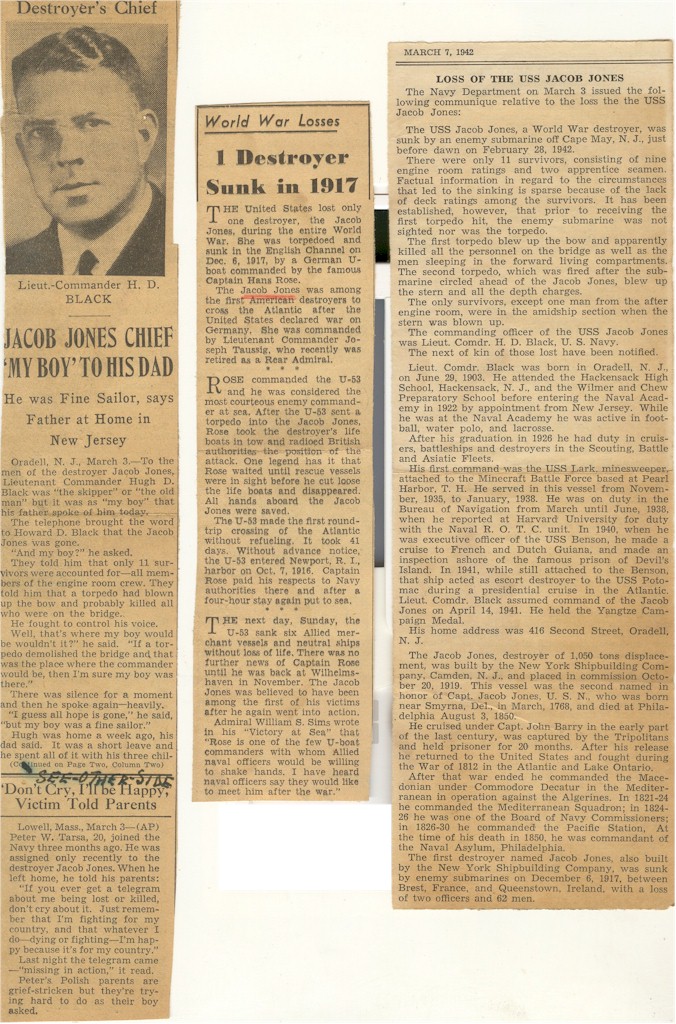 |
262k | Newspaper clipping covering the loss of the Jacob Jones (DD-61) in World War I and the Jacob Jones (DD-130) in World War II. | Ron Reeves | |
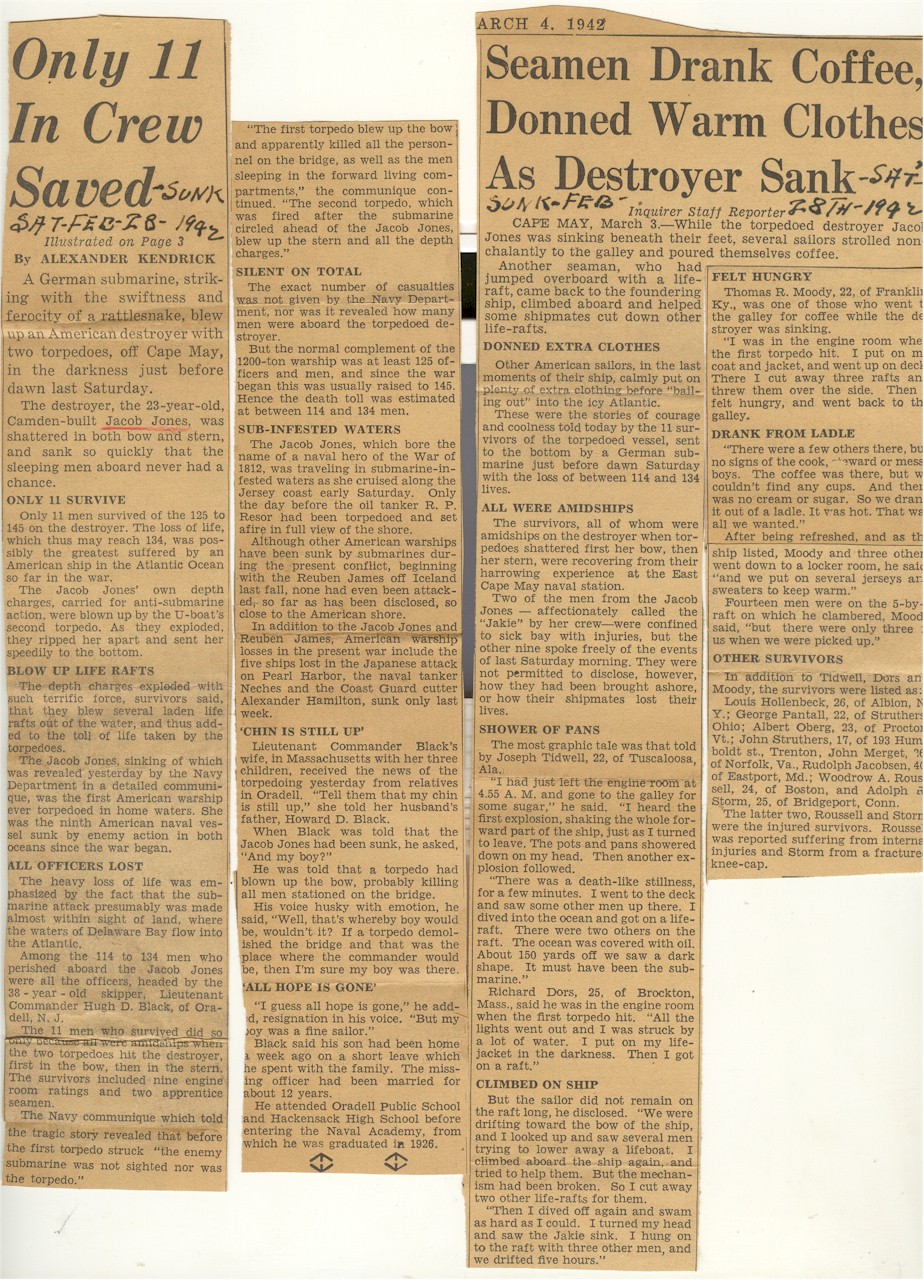 |
473k | More newspaper clippings from the sinking of the Jacob Jones (DD-130), dated March 4 1942. | Ron Reeves | |
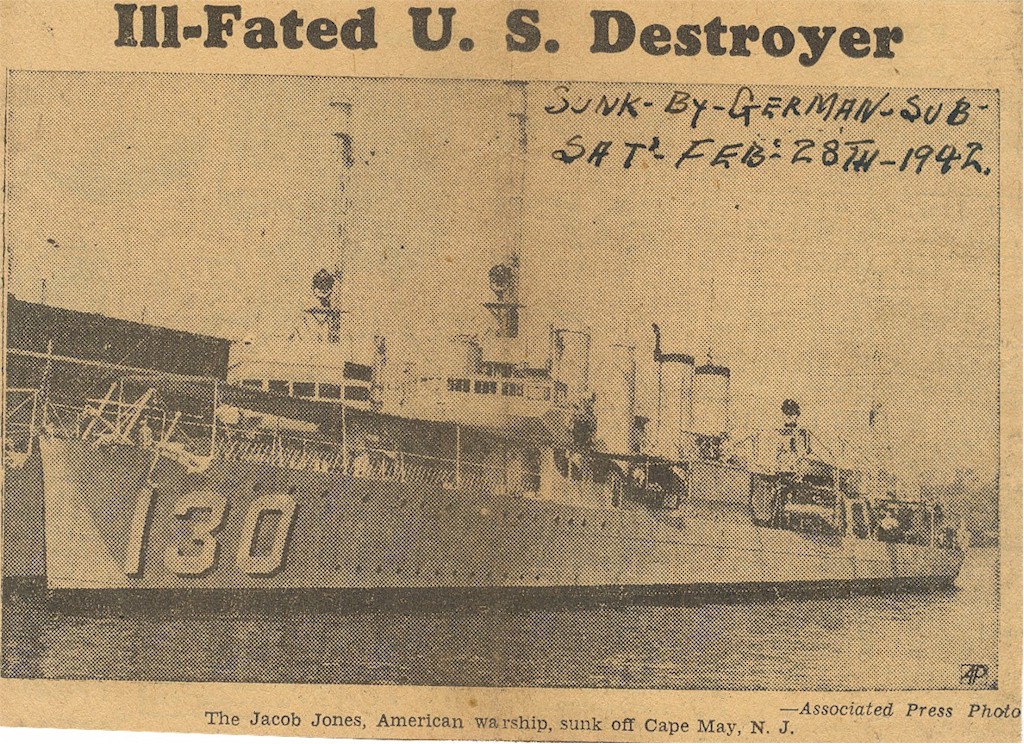 |
368k | Newspaper clipping view from the above. | Ron Reeves | |
LCDR Paul Henry Bastedo    Oct 20 1919 - Aug 10 1920 (Later RADM)

LCDR Bernard Oviatt Wills    Aug 10 1921 - Oct 10 1921

ENS Kilburn Harwood Roby    Oct 10 1921 - Jun 24 1922

(Decommissioned June 24 1922 - May 1 1930)

LCDR Robert Webster Cary    May 1 1930 - Jul 21 1932

LCDR Edward Allen Smith    Jul 21 1932 - May 21 1933

LCDR Robert Walton Fleming    May 21 1933 - Sep 18 1936

LCDR Robert Earl Davenport    Sep 18 1936 - Apr 10 1938

LCDR Arthur Howard McCollum    Apr 10 1938 - Mar 22 1939 (Later RADM)

LCDR Edward Lender Woodyard    Mar 22 1939 - Apr 14 1941 (Later RADM)

LCDR Hugh David Black Jr.    Apr 14 1941 - Feb 28 1942
| Back To The Main Photo Index | To The Destroyer Index Page |
This page was created by Fred Willishaw (ex ARG-4, AS-11 & DD-692) and is maintained by David L. Wright
|